Why Is My Tire Not Turning? Common Causes And Quick Fixes
If you’ve ever turned your steering wheel only to feel resistance, a grinding sensation, or complete immobility, you know how alarming it can be when your tire refuses to turn. This common automotive issue can occur in any vehicle, from compact sedans to heavy-duty trucks, and it usually strikes at the most inconvenient times—like when you’re late for work or stuck in a parking lot.
Whether you’re facing a stubbornly locked tire, a wheel that won’t respond, or a steering wheel that feels unusually stiff, understanding the root causes is essential for your safety and peace of mind.
A tire that won’t turn isn’t just an annoyance; it can signal serious underlying problems. Ignoring these symptoms can lead to costly repairs, dangerous driving conditions, or even total loss of vehicle control. By understanding what causes your tire not to turn and learning how to address these issues promptly, you can avoid potential hazards, save money, and keep your vehicle running smoothly.
This comprehensive guide dives deep into the most common causes, diagnostic steps, and quick fixes—arming you with the knowledge you need to resolve the problem quickly and confidently.
Key Takeaways
- Stuck tires can result from mechanical failures, brake issues, power steering problems, or suspension damage.
- Immediate diagnosis and repair are crucial to prevent further vehicle damage or safety risks.
- DIY fixes may resolve minor problems, but professional help is needed for complex or severe issues.
- Regular maintenance can prevent most causes of tire immobility and extend vehicle life.
- Real-world examples and data-driven comparisons help clarify repair options and costs.
Credit: www.eatondrillingandpumpservice.com
Common Mechanical Causes Of A Tire Not Turning
Understanding the mechanical reasons behind a tire that refuses to turn is the first step toward a proper fix. These issues often involve key components in your vehicle’s steering, suspension, or braking systems.
Steering System Failures
The steering system is the most direct link between your hands and your wheels. If any part fails, the tire may become stuck or unresponsive.
- Broken tie rods: These connect the steering rack to the wheels. If a tie rod snaps or detaches, the wheel won’t move as commanded.
- Steering rack/pinion issues: Worn or jammed gears inside the rack can cause stiffness or complete lock-up.
- Damaged steering column: Internal failures can make it impossible to turn the wheel.
Example
A 2014 Honda Accord owner reported a sudden inability to turn the front left tire. Diagnosis revealed a snapped inner tie rod following a minor curb impact—highlighting how even minor accidents can lead to steering system failures.
Brake System Malfunctions
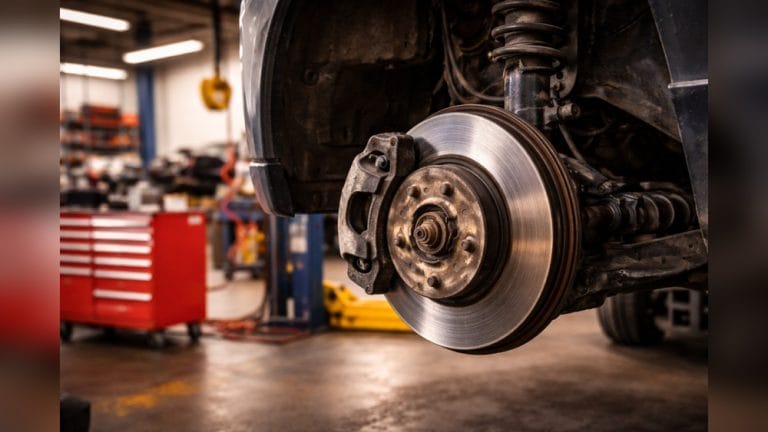
A stuck brake caliper or a failed brake hose can hold a tire in place, making it impossible to rotate.
- Seized calipers: Rust or lack of lubrication can cause calipers to clamp the rotor permanently.
- Collapsed brake lines: These can keep pressure on the brake even after you release the pedal.
- Parking brake issues: If left engaged or if components rust together, it can lock a rear tire.
Example
A 2010 Ford Escape’s right rear tire wouldn’t turn after a week of sitting idle. Mechanics found the parking brake cable had rusted and seized, keeping the brake shoe pressed against the drum.
Suspension Damage
Suspension components like control arms, ball joints, and bushings keep your wheels aligned and moving freely. Damage or excessive wear can cause a wheel to jam or angle improperly.
- Broken control arm: The wheel loses its pivotal anchor, resulting in erratic or stuck movement.
- Failed ball joint: The wheel may flop to one side, making steering impossible.
Wheel Bearing Seizure
A wheel bearing allows the wheel to spin smoothly. When it fails—usually due to heat, lack of lubrication, or contamination—the wheel may seize entirely.
- Symptoms: Grinding noises, uneven tire wear, and finally, a wheel that won’t budge.
Physical Obstructions Or Debris
Sometimes, the simplest issues are overlooked. Road debris, mud, or foreign objects wedged between the wheel and brake components can physically block rotation.
- Stones in brake assembly: Can jam the rotor or drum.
- Ice buildup: In cold climates, ice can freeze around the wheel or caliper, locking it in place.

Credit: tamobykesport.com
Diagnosing Why Your Tire Won’t Turn
Proper diagnosis is crucial before attempting repairs. This section outlines systematic steps you can take—both at home and with professional assistance.
Step-by-step Visual Inspection
- Check for obvious obstructions: Look for mud, debris, or foreign objects around the stuck wheel.
- Examine tire alignment: Is the affected tire visibly angled compared to the others?
- Look for fluid leaks: Power steering or brake fluid under the car can indicate a system failure.
- Inspect brake components: Use a flashlight to check for rusted or seized calipers and brake pads.
Manual Movement Test
- Jack up the vehicle: Safely lift the car so the stuck tire is off the ground.
- Attempt to rotate the wheel by hand: If it’s stuck solid, suspect a seized brake, bearing, or suspension failure. If it moves with effort, the issue may be intermittent or related to steering.
Steering Wheel Feel
- Locked steering wheel: Indicates possible steering column or ignition lock issues.
- Stiff or grinding feel: Suggests internal steering gear or power steering pump trouble.
Using Diagnostic Tools
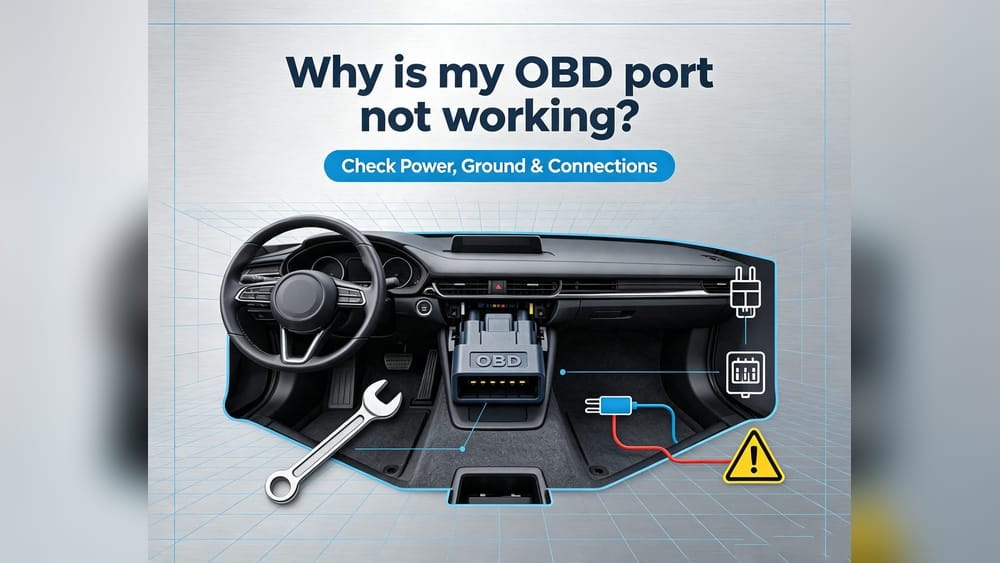
- OBD-II scan: Modern vehicles may log error codes for power steering or ABS failures.
- Temperature gun: After a short drive, check for a hot wheel—indicating a dragging brake or bearing.
When To Seek Professional Help
If you can’t identify the cause, or if the issue involves critical systems (brakes, steering, suspension), have the car towed to a certified mechanic. Attempting repairs on these systems without expertise can be dangerous.

Credit: www.eatondrillingandpumpservice.com
Brake System Problems: Causes And Solutions
Many cases of a stuck tire trace back to the brake system. Understanding how each component can malfunction helps in both diagnosis and repair.
Seized Caliper Or Wheel Cylinder
- Symptoms: One wheel won’t turn, burning smell, excessive heat after driving.
- Causes: Corrosion, contaminated brake fluid, lack of use.
- Fix: Replace or rebuild the caliper or wheel cylinder.
Collapsed Or Blocked Brake Hose
- Symptoms: Wheel drags or locks after braking, but releases after cooling.
- Causes: Age, internal hose collapse.
- Fix: Replace the faulty brake hose.
Stuck Parking Brake Components
- Symptoms: Rear tire(s) won’t turn, especially after rain or long parking.
- Causes: Rusted cables, seized brake shoes or levers.
- Fix: Free up components with lubricant; replace if severely corroded.
Comparison Table: Brake Problems And Solutions
| Problem | Symptoms | DIY Fix? | Estimated Cost (USD) |
|---|---|---|---|
| Seized Caliper | Wheel won’t turn, heat, burning smell | Sometimes | 150–400 |
| Collapsed Brake Hose | Wheel drags, stiff pedal | Rarely | 100–200 |
| Stuck Parking Brake | Rear wheel locked | Often | 50–200 |
Real-world Case Study
A 2017 Toyota Camry owner noticed the front right tire wouldn’t turn after a car wash. Diagnosis showed water had entered a worn caliper piston boot, causing instant rust and a stuck caliper. A caliper replacement and fresh brake fluid resolved the issue.
Steering And Suspension Issues
The steering and suspension systems are fundamental to wheel movement. Problems here can make a tire immobile or dangerously unpredictable.
Broken Or Disconnected Tie Rod
- Symptoms: Steering wheel spins freely or wheel does not respond.
- Fix: Replace tie rod; always align wheels after replacement.
Failed Ball Joint
- Symptoms: Wheel collapses inward or outward, loud clunk, inability to steer.
- Fix: Replace ball joint; inspect surrounding suspension parts for additional damage.
Steering Rack And Pinion Failure
- Symptoms: Wheel won’t turn, grinding noise, leaks under the car.
- Fix: Replace or rebuild steering rack; may require professional service.
Control Arm Or Suspension Link Failure
- Symptoms: Wheel sticks at odd angle, tire won’t rotate.
- Fix: Replace damaged control arm or link; check for frame damage.
Data Table: Steering Vs. Suspension Failures
| Component | Typical Failure Cause | Immediate Effect | Repair Complexity |
|---|---|---|---|
| Tie Rod | Impact, wear, corrosion | Loss of steering control | Medium |
| Ball Joint | Age, poor lubrication | Wheel collapse, stuck tire | High |
| Steering Rack | Internal wear, fluid loss | Locked steering wheel | High |
| Control Arm | Accident, metal fatigue | Tire immobility | Medium |
Example
A 2015 Chevrolet Silverado developed a stuck front tire after hitting a deep pothole. Inspection revealed the lower ball joint had snapped, causing the wheel to wedge against the fender. Prompt replacement of the ball joint and a suspension alignment restored full function.
Power Steering And Electrical Failures
Modern vehicles rely heavily on power steering and sometimes even electronic steering systems. Failures here can make a tire nearly impossible to turn, especially at low speeds.
Power Steering Pump Failure
- Symptoms: Very heavy steering, whining noise, visible fluid leaks.
- Causes: Fluid loss, worn pump bearings.
- Fix: Refill or replace power steering fluid; replace pump if damaged.
Electrical/electronic Steering Malfunctions
- Symptoms: Dashboard warning lights, intermittent steering loss, unresponsive wheel.
- Causes: Faulty sensors, broken wiring, failed electronic control unit (ECU).
- Fix: Diagnose with OBD-II scanner; may require professional repair or software update.
Serpentine Belt Issues
- Symptoms: Loss of all belt-driven accessories, including power steering.
- Causes: Broken, slipping, or misaligned belt.
- Fix: Replace serpentine belt; inspect tensioner and pulleys.
Real-world Example
A 2026 Subaru Forester’s front tires became nearly impossible to turn during cold weather. Mechanics found the electric power steering motor had failed after a rapid battery voltage drop. A new EPS motor under warranty solved the issue.
Comparison Table: Hydraulic Vs. Electric Power Steering Failures
| System Type | Common Failure | Repair Cost (USD) | DIY Potential |
|---|---|---|---|
| Hydraulic Power Steering | Pump failure, fluid leak | 200–600 | Moderate |
| Electric Power Steering | Motor or ECU failure | 500–1,200 | Low |
Diy Quick Fixes For A Tire That Won’t Turn
While some causes require professional intervention, several issues can be addressed at home—especially if you catch them early.
Freeing A Stuck Parking Brake
- Rock the vehicle gently: Shift between drive and reverse if safe.
- Apply and release the brake pedal: Sometimes repeated action can free a stuck mechanism.
- Use penetrating oil: Spray on parking brake cable or linkage under the car; wait and try again.
Removing Obstructions And Debris
- Clear mud, stones, or ice: Use a hose, scraper, or brush to remove any visible blockage around the wheel, brakes, and suspension.
Lubricating Rusted Components
- Apply penetrating oil: Target caliper slides, parking brake mechanisms, and exposed suspension parts.
- Move parts manually: Work the steering wheel or brake pedal gently to distribute lubricant.
Temporary Power Steering Fixes
- Check fluid level: Top off with correct type if low.
- Inspect belt: Replace or re-tension if loose or broken.
When To Avoid Diy Repairs
- Suspension or steering failures: These are critical safety components; towing to a professional is safest.
- Seized wheel bearings: Specialized tools and skills required.
Professional Repair Options And Costs
Some problems go beyond the scope of DIY fixes. Here’s what to expect when seeking professional repair.
Brake System Repairs
- Caliper replacement: $150–$400 per wheel.
- Brake hose replacement: $100–$200 per hose.
- Parking brake service: $50–$200.
Steering And Suspension Repairs
- Tie rod replacement: $100–$350 (includes alignment).
- Ball joint replacement: $150–$400.
- Steering rack replacement: $500–$1,200.
- Control arm replacement: $200–$600.
Power Steering And Electrical Repairs
- Hydraulic pump replacement: $200–$600.
- Electric steering motor/ECU: $500–$1,200.
Cost Factors
- Vehicle type: Luxury or performance models often cost more.
- Parts availability: Rare or imported parts increase repair costs.
- Labor rates: Urban or dealership shops charge more than rural or independent mechanics.
Example: Repair Shop Scenario
A 2018 BMW X5 owner faced a seized front tire after the car sat unused for several months. Diagnosis revealed a seized caliper and worn ball joint. The total repair bill from a certified shop: $1,150, including parts, labor, and a four-wheel alignment.
For more on typical repair costs, see the National Highway Traffic Safety Administration’s consumer resources.
Preventive Maintenance To Avoid Stuck Tires
Prevention is always better than cure. Regular maintenance can dramatically reduce your risk of a tire that won’t turn.
Regular Brake Inspections
- Check pads, rotors, and calipers: At least every 12,000 miles or annually.
- Flush brake fluid: Every 2 years to prevent corrosion and internal blockages.
Steering And Suspension Checks
- Inspect tie rods, ball joints, and bushings: With every oil change or before long trips.
- Listen for unusual noises: Clicking, clunking, or grinding can signal imminent failure.
Power Steering System Maintenance
- Check fluid level and color: Dark or low fluid indicates wear or leaks.
- Inspect belts and hoses: Replace at first sign of cracking or fraying.
Parking Brake Exercise
- Engage/disengage parking brake regularly: Prevents seizing, especially in climates with snow or rain.
Seasonal Considerations
- Winter care: Remove ice and road salt buildup from undercarriage and wheel wells.
- Off-road driving: Inspect for mud or debris after off-road use.
For more maintenance tips, visit the Consumer Reports Car Maintenance Guide.
Data Table: Maintenance Intervals For Key Systems
| Component | Inspection Interval | Service Interval | Potential Savings (USD) |
|---|---|---|---|
| Brakes | 12,000 miles/1 year | 2 years (fluid) | 500–1,000 |
| Suspension | Every oil change | As needed | 400–1,200 |
| Power Steering | 6 months | 2 years (fluid) | 200–1,000 |
Real-world Case Studies
Seeing how others have solved similar problems can provide both reassurance and practical insight.
Case Study 1: The “mysteriously Locked Wheel”
A 2012 Nissan Altima owner found the left front tire wouldn’t turn after parking overnight during a rainstorm. After ruling out obvious obstructions, the mechanic discovered a failed wheel bearing had seized. The bearing was replaced, and the car returned to normal within a day.
Case Study 2: Family Suv With A Frozen Caliper
A 2016 Kia Sorento’s rear tire locked up after a winter road trip. Diagnosis revealed salt corrosion had seized the rear brake caliper. A new caliper and thorough brake system cleaning fixed the issue, and the owner now washes the undercarriage after every winter drive.
Case Study 3: Electronic Steering Glitch
A 2020 Chevrolet Bolt owner experienced intermittent steering lock. A dealership scan found an intermittent failure in the electronic steering control module. After a software update, the issue never returned.
For additional case studies, see CarComplaints.com.
When To Call A Tow Truck
Some situations are simply too risky for DIY fixes. Call for professional towing if:
- You suspect suspension or steering failure: Attempting to drive can cause catastrophic damage or loss of control.
- A wheel is completely locked: Dragging the vehicle can damage tires, brakes, and drivetrain.
- Dash warning lights are on: Especially for brakes, steering, or electronic stability control.
Many insurance providers offer roadside assistance that covers towing to a trusted repair facility. Learn more at the AAA official site.
Essential Tools And Products For Emergency Fixes
Equipping your vehicle with key tools can help you address minor issues on the spot.
- Jack and jack stands: For safe lifting during inspection.
- Penetrating oil: For freeing rusted components.
- Flashlight: For undercarriage and brake inspection.
- Tire iron and lug wrench: In case a wheel needs to be removed.
- OBD-II scanner: For reading error codes in modern vehicles.
- Wheel chocks: To prevent rolling during inspection.
For recommended products and safety tips, visit NHTSA Tire Safety.
Frequently Asked Questions
What Is The Most Common Cause Of A Tire Not Turning?
The most common cause is a stuck brake caliper or seized parking brake, especially in vehicles that sit unused for extended periods. Corrosion, moisture, and lack of maintenance increase the risk.
Can I Drive With A Stuck Tire Or Wheel?
Driving with a stuck tire is extremely dangerous. It can cause loss of control, severe vehicle damage, and is illegal in most states. Always resolve the issue before operating the vehicle.
How Much Does It Cost To Fix A Tire That Won’t Turn?
Repair costs vary widely. Simple fixes like freeing a stuck parking brake may cost less than $100, while replacing a steering rack or wheel bearing can exceed $1,000. Most common repairs fall between $150 and $400 per wheel.
Is It Safe To Try Diy Fixes On Steering Or Suspension Issues?
DIY fixes are only safe for minor problems (like freeing stuck parking brakes or clearing debris). Anything involving steering or suspension components should be handled by a professional due to safety concerns.
How Can I Prevent My Tires From Getting Stuck In The Future?
Prevention involves regular brake, suspension, and steering maintenance; using your parking brake periodically; washing away salt and debris; and storing your vehicle in a dry environment when possible.
For more expert advice, see the Cars.com Maintenance Guide.
A tire that won’t turn is never just an inconvenience—it’s a safety hazard that demands immediate attention. By understanding the most common causes and acting quickly, you can avoid bigger problems and costly repairs. Whether you’re tackling a simple fix at home or heading to a trusted mechanic, the key is early diagnosis and consistent maintenance.
Stay proactive, keep your car in top condition, and you’ll minimize the odds of ever facing a stuck tire again.
Products related to this article
Sponsored / affiliate links. As an Amazon Associate I earn from qualifying purchases. I may earn additional commission from eligible campaigns.