How Often Should You Check Car Lights? Safety Guide Inside
It’s a simple thing, really. Car lights. We use them every day without thinking much.
But when one goes out, it can cause big trouble. It’s not just about avoiding a ticket. It’s about staying safe.
It’s about seeing the road. And it’s about others seeing you. This guide helps you know just how often you should be checking them.
You should check your car lights at least once a month. It’s also smart to check them whenever you notice a bulb out, before long trips, or after any minor car bump. This routine keeps you visible and safe on the road, preventing potential accidents and legal issues.
Understanding Your Car’s Lights
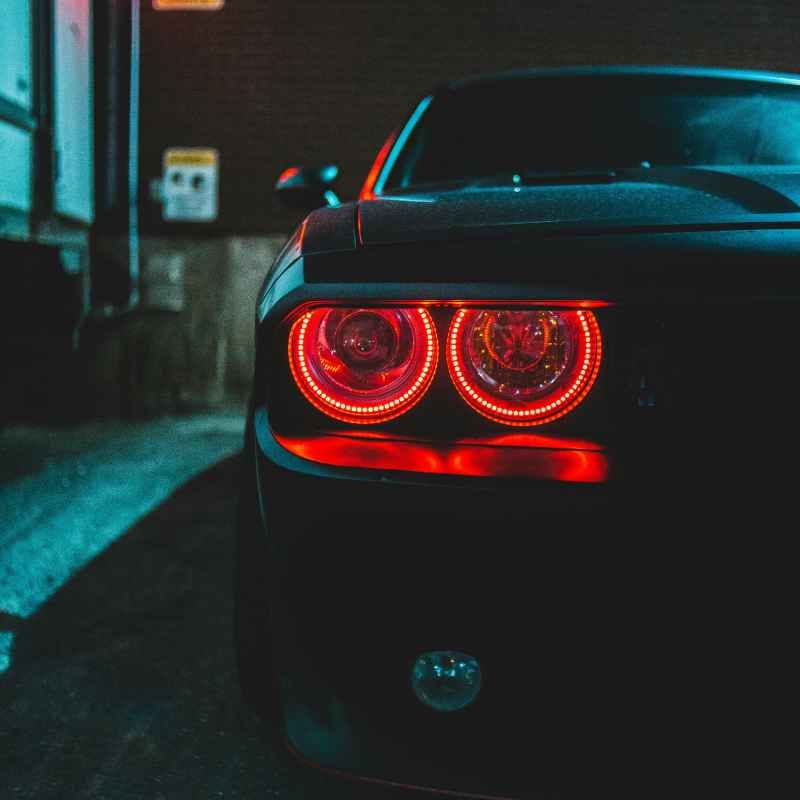
Your car has many lights. Each one has a job. Headlights help you see at night.
They come in two main types: low beams and high beams. Low beams are for regular driving. High beams are for dark roads with no other cars around.
They let you see much farther.
Tail lights are at the back of your car. They are usually red. They let others see your car from behind.
Brake lights are part of the tail lights. They get brighter when you press the brake pedal. This tells drivers behind you that you are slowing down.
Turn signals, or blinkers, are crucial. They are usually amber or red. They flash to show you plan to turn or change lanes.
Hazard lights are for emergencies. They make all your turn signals flash at once. This warns other drivers that your car has a problem.
Other lights include parking lights. These are dimmer than headlights. They are for when you are parked.
They make your car visible to others. Interior lights help you see inside your car. But for driving safety, we focus on the exterior lights.
Why Regular Light Checks Matter
Think about driving at night. If your headlights are dim or out, you can’t see the road well. You might not see a deer.
You might miss a pothole. This can lead to a crash. It’s a huge safety risk.
What about other drivers? If your tail lights or brake lights are out, they might not see you. They could rear-end your car.
This is very common. It happens because the driver behind you didn’t know you were stopping or even there.
Turn signals are also vital. If yours aren’t working, other drivers won’t know your plans. This can cause sideswipes or accidents when changing lanes.
It makes driving unpredictable and dangerous for everyone.
Many places have laws about car lights. Driving with a burned-out bulb can get you a ticket. These tickets aren’t cheap.
Plus, a police officer might pull you over for a bad light. This can lead to more checks of your car.
My Own Light Scare
I remember one evening, I was driving home from a friend’s house. It was late. The road was pretty dark.
I had my radio on, just cruising. Then, I saw car headlights coming at me. They seemed really close.
I thought, “Wow, that car is driving fast.”
Then it hit me. The lights coming at me were my own headlights. Or, at least, they were supposed to be.
One of them was completely dead. The other one was very dim. I hadn’t noticed.
I guess I’d gotten used to it. It was a scary moment. I pulled over right away.
I felt foolish. And a little scared. That night, I learned a big lesson about checking my lights.
I was lucky. It was a clear night. I was on a road with not too much traffic.
If it had been raining hard, or foggy, or if there were more cars, it could have been much worse. I could have caused a serious accident. It made me realize how important even small things are for driving safety.
Now, I check them more often. It’s a quick habit that saves a lot of worry.
Quick Light Check Checklist
What to Look For:
- Headlights: Both working? Bright enough?
- Tail Lights: Both working? Red and steady?
- Brake Lights: Do they light up when the pedal is pressed? (Needs a helper)
- Turn Signals: All sides flashing correctly?
- Hazard Lights: All flash together?
When to Do Your Light Check
So, how often is enough? Experts often say once a month is a good starting point. This is for a thorough check.
You should aim for a full check around once every 30 days. This gives you time to find issues before they become big problems.
But life happens. Sometimes you need to check more often. If you notice a bulb is out, fix it right away.
Don’t wait for your monthly check. See a flicker? That’s a warning sign.
Address it. Does a light seem dim? Check it.
Before any long road trip, a light check is wise. You’ll be driving for hours. You want to make sure all your lights are working perfectly.
This is especially true if you’ll be driving at night or in bad weather.
What about after a small bump? Even a minor fender bender can damage a light housing. Sometimes the bulb itself can break.
Inspect all lights after any incident. Even if it seems small, it’s better to be safe. A quick look can save a lot of trouble later.
Performing a Complete Light Check
Doing a full check isn’t hard. It’s best to have a helper. One person can be in the car.
The other person walks around the car. This makes it easy to check brake lights and reverse lights.
Start with the headlights. Turn them on. Check both the driver’s side and passenger’s side.
Look at the low beams first. Then, switch to high beams. See if they are brighter and point higher.
Next, check the tail lights. They should be on when your headlights are on. Make sure they are both lit and have a strong red color.
Now, have your helper get in the car. Ask them to press the brake pedal. Watch the tail lights.
They should get brighter. That’s your brake light check.
Now for the turn signals. Start with the left turn signal. The front and back should flash.
Then do the right turn signal. The front and back should flash there too. Finally, turn on your hazard lights.
All four turn signals should flash together. This confirms they all work.
Contrast: Normal vs. Concerning Light Behavior
| Normal Behavior | Concerning Behavior |
|---|---|
| Headlights are bright white/yellow. | Headlights are dim, flickering, or one is out. |
| Tail lights are steady red. | Tail lights are flickering, dim, or one is out. |
| Brake lights get brighter when pedal is pressed. | Brake lights don’t light up, flicker, or are always on. |
| Turn signals flash at a normal pace. | Turn signals flash very fast (often means bulb is out) or don’t flash at all. |
| Parking lights are visible but dim. | Parking lights are not working. |
Common Light Problems and What They Mean
What if you find a problem? Let’s look at common issues. A burned-out bulb is the simplest fix.
You just need to replace it. Many auto parts stores sell bulbs. You can often replace them yourself.
Some cars make it harder, though.
If a turn signal flashes too fast, it usually means the bulb on that side is bad. The electrical system notices the missing load. It speeds up the flash rate to alert you.
Replace the bulb. The speed should return to normal.
Dim lights can mean a few things. The bulb might be old. Or, the reflector inside the headlight housing might be dirty or damaged.
Sometimes, the car’s alternator isn’t charging the battery properly. This can make all the electrics weak.
Flickering lights can be annoying. It could be a loose connection. Or it could be a failing bulb.
Sometimes, the switch that controls the lights has issues. If it’s a consistent flicker, get it checked. It might mean trouble is coming.
What about your brake lights? If one is out, the other might still work. But it’s still a safety issue.
Drivers expect to see two bright red lights. One light might not be enough warning. Get both fixed.
Informational Tip: Bulb Types
Different lights use different bulbs.
- Headlights: Often H4, H7, H11, or HID/LED assemblies.
- Tail/Brake Lights: Usually dual-filament bulbs like 7443 or 1157.
- Turn Signals: Amber bulbs like 7507 or PY21W.
- Reverse Lights: White bulbs like 7440 or 1156.
Always check your car’s manual for the exact bulb type.
When It’s Time to Call a Professional
Not all light issues are simple bulb swaps. Sometimes, the wiring is the problem. Wires can fray or corrode over time.
A loose connection can cause intermittent problems. If you can’t find a bad bulb, suspect wiring.
Headlight housings can get cloudy. This is called oxidation. It makes the light less bright.
There are kits to polish them. But if the plastic is very bad, you might need new housings. This is a job for a mechanic or body shop.
Sometimes, the problem isn’t the bulb or the wiring. It could be a fuse. Fuses protect your car’s electrical system.
If a fuse blows, a whole circuit can go dead. Your car’s manual shows where the fuse box is. It also lists which fuse controls which light.
If you’re uncomfortable working with car parts, that’s okay. Many people are. Take your car to a trusted mechanic.
They have the tools and knowledge to diagnose and fix the problem quickly. It’s worth the peace of mind.
DIY vs. Pro: When to DIY Bulb Replacement
DIY is often good for:
- Replacing an obvious burned-out bulb in an accessible location.
- Simple tail light or brake light bulbs.
Consider a Professional for:
- Complex headlight assemblies (HID, LED).
- Accessing bulbs in tight spaces (often behind the engine).
- Wiring issues or intermittent problems.
- When you’re unsure about the cause.
Driving in Different Conditions
Your car lights are even more important in bad weather. Rain, fog, and snow all reduce visibility. This is when your lights work overtime.
Make sure they are in top shape.
In heavy rain, tail lights and brake lights are critical. Drivers behind you need to see you stopping. Use your headlights too.
They help you see the road. They also help other cars see you through the spray.
Fog is one of the worst conditions. Your headlights might not cut through thick fog. Some cars have fog lights.
These are mounted low. They are designed to cut under the fog. If you don’t have fog lights, low beams are your best bet.
High beams can actually reflect off the fog. This makes it harder to see.
Snowy conditions also demand good lights. Visibility can drop fast. Make sure your tail lights aren’t covered in snow.
Clear them off if needed. Your license plate lights should also be clear. This is important for law enforcement to see your plate.
Always use your headlights during the day if visibility is poor. This includes dawn, dusk, and anytime it’s cloudy. Many newer cars have automatic headlights.
They turn on when it gets dark. But for older cars, you need to remember to turn them on.
Weather Driving Tip: Be Seen, Be Safe
- Rain: Use headlights and check tail lights/brake lights.
- Fog: Use low beams (or fog lights). Avoid high beams.
- Snow: Keep all lights clear of snow. Use headlights.
- Daytime: Use headlights during dawn, dusk, and poor visibility.
The Importance of LED and HID Lights
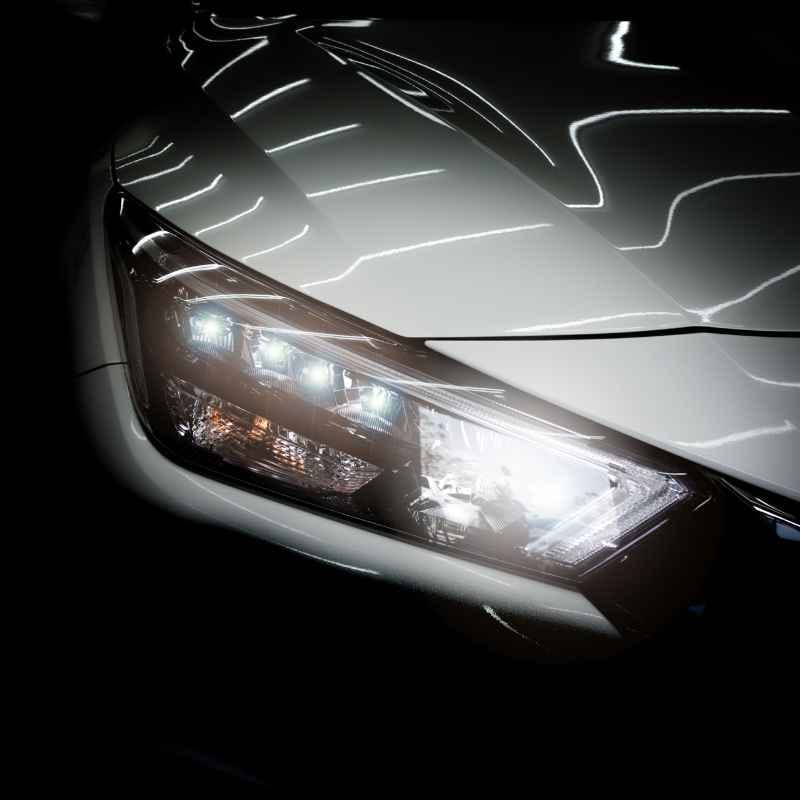
Many modern cars come with LED or HID lights. These are different from traditional halogen bulbs.
LEDs (Light Emitting Diodes) are very efficient. They use less power. They last a very long time.
They turn on instantly. They can be very bright. The light they produce is often a clean, white color.
HID (High-Intensity Discharge) lights are also brighter than halogens. They use an electric arc to create light. They have a bluish-white color.
They also last longer than halogens but usually not as long as LEDs.
If your car has LED or HID lights, they usually don’t need as frequent checking for burnout. However, they can still have issues. Dimming or flickering can still happen.
Sometimes the ballasts (electronics that power them) fail. Or the entire LED unit can go bad.
These systems are often more complex to replace. If you have LED or HID lights and they aren’t working right, it’s often best to see a professional. They have special tools to diagnose these systems.
Trying to fix them yourself can be tricky and costly.
What Happens If You Ignore Bad Lights?
Ignoring bad car lights is a bad idea. We’ve touched on it, but let’s be clear. The risks are real.
Increased Accident Risk: This is the biggest concern. Not being seen by others is dangerous. Not seeing the road yourself is dangerous.
Accidents can cause injuries, death, and lots of damage.
Legal Trouble: As mentioned, you can get pulled over. You can get a ticket. This means fines.
It could also lead to points on your driving record. This can raise your insurance costs.
Higher Insurance Premiums: If you get tickets for equipment violations like bad lights, your insurance company might see you as a higher risk. This could lead to higher rates. Or, if you are in an accident partly caused by bad lights, insurance might be complicated.
Failure to Pass Inspection: Many states require regular vehicle safety inspections. A burned-out bulb will cause you to fail. You won’t be able to renew your registration until it’s fixed.
Damage to Your Car: In rare cases, electrical problems that cause light issues can affect other car systems. It’s better to fix small electrical problems before they become large ones.
Quick Scan: Red Flags for Light Issues
- One headlight out.
- Dim or flickering lights.
- Turn signal flashes too fast.
- Brake lights not working.
- Lights stay on when car is off (drain).
- Cloudy or yellowed headlight lenses.
Making Light Checks a Habit
The best way to avoid these problems is to make light checks a habit. Integrate it into your routine. It takes just a few minutes.
Monthly Check: Schedule a specific time. Maybe the first weekend of the month. Or the last Sunday.
Put it on your calendar. Do the full walk-around with a helper.
Weekly Quick Glance: When you start your car, just take a quick look. Do the headlights look okay? Do the tail lights seem normal?
This is not a full check, just a quick visual. You’ll notice if something is obviously wrong.
After Washing Your Car: This is a natural time. While you’re drying the car, glance at the lights. Are they all in place?
Do they look bright?
When You Park: If you park outside at night, notice your own car’s lights. Are the parking lights on? Are the tail lights visible?
It’s a small check that can catch issues.
Teaching others in your household to do this helps too. If you share a car, make sure everyone knows the routine. It’s a shared responsibility for safety.
My Own Bulb Change Adventure
I had a tail light bulb go out once. It was winter. It got dark early.
I noticed it when I got home. I thought, “Okay, I’ll fix this tomorrow.” Well, tomorrow came, and it was freezing cold and raining. I kept putting it off.
A few days later, I was driving. It was dusk. I was stopped at a red light.
A police car was behind me. He pulled up next to me. He motioned for me to roll down my window.
He said, “Ma’am, your right tail light is out.” I felt my face get hot.
I apologized and said I knew and planned to fix it. He was nice about it. He just gave me a warning.
He told me to get it fixed right away. I drove straight to the auto parts store. I bought the bulb.
I found a well-lit parking lot. I changed it myself. It took about five minutes.
It was a good reminder. Even a small issue like a tail light can cause trouble. And putting off simple tasks can lead to bigger headaches.
That’s why I’m so strict about my monthly checks now. It just takes a moment.
Myth vs. Reality: Car Lights
| Myth | Reality |
|---|---|
| If one headlight works, it’s fine. | No, both headlights need to work for safe visibility. Uneven lighting is dangerous. |
| Turn signals only matter when turning. | They are crucial for lane changes too. They communicate intent. |
| Brake lights are checked during routine service. | Not always. Mechanics focus on big issues. You need to check yourself. |
| LED lights last forever. | They last longer, but can still fail due to electronics or physical damage. |
What Your Car’s Manual Says
Your car’s owner’s manual is a treasure trove of information. It’s specifically for your car. It will tell you the exact type of bulbs your car uses for each light.
This is super important. Using the wrong bulb can cause problems. It might not fit right.
Or it might be the wrong wattage, which can damage the wiring or housing.
The manual also shows you where the fuse box is. It will have diagrams. It will tell you which fuse is for which light.
This is key if a whole set of lights goes out. It might just be a blown fuse. Replacing a fuse is usually very easy.
For some cars, the manual will even have instructions on how to change common bulbs. It might show you how to access them. Sometimes, you have to remove parts of the car’s interior or exterior to get to a bulb.
The manual will guide you through this.
If you don’t have your manual, you can usually find a PDF version online. Just search for your car’s make, model, and year. Then add “owner’s manual.” It’s a great resource for all sorts of car maintenance questions.
Safety First: Always
Checking your car lights is a small act of self-care. It’s also an act of care for others on the road. It’s about responsibility.
It’s about making sure your vehicle is safe to operate.
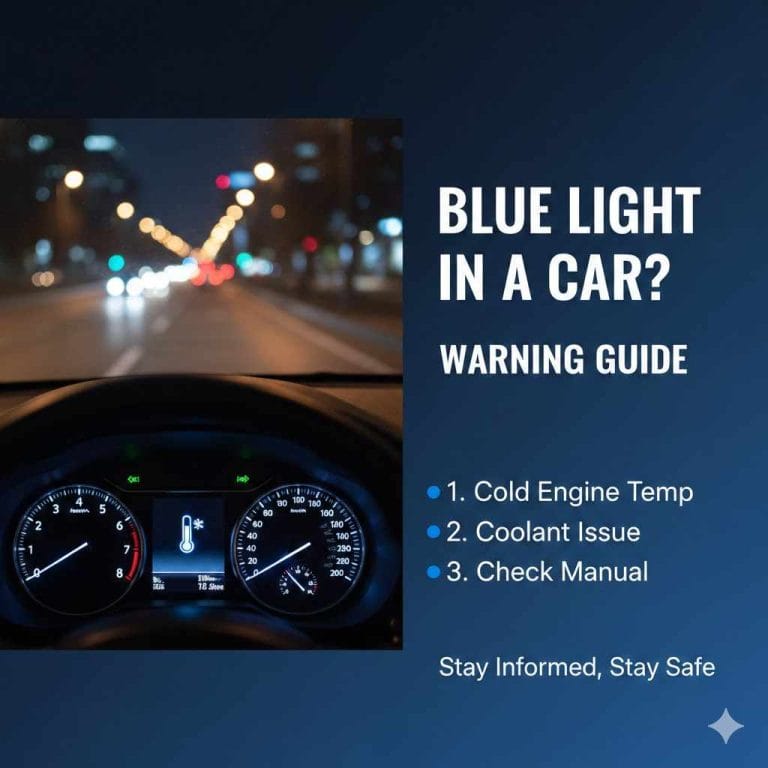
Don’t wait until you see a warning light on your dashboard. Don’t wait until a police officer tells you there’s a problem. Make it a habit.
A few minutes of your time each month can prevent a serious accident. It can save you money on tickets and repairs.
Your car’s lights are its voice on the road. They communicate. They warn.
They illuminate. Make sure they are speaking clearly and loudly. Keep them in good working order.
Your safety and the safety of everyone around you depends on it.
Frequently Asked Questions About Car Lights
How often should I check my car lights?
It’s recommended to do a thorough check of all your car lights at least once a month. You should also check them immediately if you notice a bulb is out, before any long trips, or after a minor car incident.
What are the most common car light problems?
The most common issues are burned-out bulbs. Other problems include dimming lights, flickering lights, turn signals flashing too fast, and cloudy headlight lenses. Wiring issues or blown fuses can also cause lights to stop working.
What does it mean if my turn signal flashes very fast?
A turn signal flashing much faster than normal usually indicates that the bulb on that side has burned out. The electrical system is telling you that the circuit isn’t complete. Replacing the bulb should fix this.
Can I replace my own car light bulbs?
Yes, in many cases, you can replace your own car light bulbs. It’s a good idea to consult your car’s owner’s manual for the correct bulb type and instructions. Some bulbs are easier to access than others.
What should I do if my headlights are dim?
Dim headlights can be caused by old bulbs, dirty headlight lenses, or issues with the car’s charging system. Check if the lenses are clean. If they are, consider replacing the bulbs.
If the problem persists, have your car’s electrical system checked by a mechanic.
Are LED headlights better than halogen headlights?
LED headlights generally offer brighter light, use less energy, and last much longer than traditional halogen bulbs. They can also provide a cleaner, whiter light that improves visibility. However, they are often more expensive and complex to replace.
What are fog lights for?
Fog lights are designed to improve visibility in foggy, rainy, or snowy conditions. They are typically mounted low on the vehicle and emit a wide, flat beam that cuts under fog rather than reflecting off it, unlike high beams.
Final Thoughts on Car Light Safety
Keeping your car’s lights in check is a simple, yet critical, part of car ownership. It’s not just about avoiding tickets or passing inspection. It’s fundamentally about your safety and the safety of everyone sharing the road.
Make that monthly check a non-negotiable part of your car care routine.
See also how do car lights work everything you need to know. See also why do people light cars on fire reasons explained.