When Do You Bleed Car Brakes? Signs You Shouldn’T Ignore
If you’ve ever experienced a sudden loss of stopping power, a spongy brake pedal, or unexpected noises while driving, you know how alarming brake issues can be. Your car’s brake system is its most critical safety feature, yet many drivers overlook the essential maintenance task of bleeding the brakes.
Failing to recognize when your brakes need bleeding can compromise your vehicle’s performance and put you, your passengers, and others at risk. Understanding the signs and processes behind bleeding car brakes is crucial for every car owner, DIY mechanic, or automotive enthusiast.
This comprehensive guide will help you determine when to bleed car brakes, the unmistakable signs you shouldn’t ignore, and why timely maintenance is vital for safety and performance. We’ll break down the science behind brake hydraulics, provide real-world examples, and compare different bleeding methods. You’ll learn how to spot problems early, get actionable steps for keeping your brakes in top condition, and gain insights backed by industry data and expert recommendations.
Key Takeaways
- Bleeding brakes is essential whenever air enters the hydraulic system, such as after repairs or when symptoms appear.
- Signs you shouldn’t ignore include spongy pedal feel, reduced stopping power, and brake warning lights.
- Regular inspection and timely bleeding can dramatically improve safety and braking performance.
- DIY bleeding is possible, but professional service is recommended for severe symptoms or ABS systems.
- Different bleeding methods and brake fluids have unique pros, cons, and maintenance intervals.
- Ignoring the need to bleed brakes can lead to costly repairs and increased accident risk.
Credit: us.rabaconda.com
Understanding Brake Bleeding: The Basics
What Does “bleeding Brakes” Mean?
Bleeding brakes refers to the process of removing trapped air from the vehicle’s hydraulic brake system. Modern brakes rely on hydraulic pressure to transfer your foot’s force from the pedal to the brake calipers or drums. Air, being compressible, reduces the efficiency of this system, resulting in poor braking performance.
The process involves:
- Opening bleed valves at each wheel.
- Forcing new brake fluid through the system.
- Expelling old fluid and air bubbles.
This procedure ensures that only incompressible fluid remains in the lines, restoring full hydraulic pressure and optimal braking performance. Even a tiny pocket of air—sometimes as small as a single bubble—can make a noticeable difference in how your brakes feel and perform.
That’s why bleeding is not just a recommendation, but a necessity in certain situations.
Why Air In The Brake System Is Dangerous
Air in the brake lines can compress, meaning your pedal feels “soft” or “spongy.” According to the National Highway Traffic Safety Administration (NHTSA), compromised brake systems contribute to over 20,000 accidents annually in the U.S. alone (NHTSA). Even a small amount of air can noticeably reduce stopping power.
When hydraulic pressure is lost or diminished due to air, the time and distance needed to stop your vehicle increases. In emergency scenarios, this delay can be catastrophic. Moreover, air in the system can cause inconsistent braking, making it difficult to predict how your vehicle will respond in different situations.
This unpredictability is a major safety risk, especially for vehicles carrying passengers or heavy loads.
When Is Bleeding Necessary?
You should bleed brakes:
- After any brake line or component is disconnected.
- When replacing major hydraulic parts (master cylinder, calipers).
- If the brake pedal feels soft or sinks slowly.
- When fluid appears dirty, contaminated, or has absorbed moisture.
Additionally, bleeding is advisable after any severe overheating event, such as descending a long mountain pass with frequent braking, which can cause brake fluid to boil and introduce vapor bubbles. Regular maintenance intervals—recommended by the manufacturer—should also be observed regardless of symptoms, as preventive bleeding can help keep your braking system healthy and responsive.
Common Brake System Types
Most modern vehicles use disc brakes on all wheels or a mix of disc front/drum rear. Both require periodic bleeding, but ABS-equipped vehicles may need special procedures or diagnostic tools.
ABS (Anti-lock Braking System) and ESC (Electronic Stability Control) add complexity to the brake system. These systems often have additional valves, pumps, and control modules that can trap air more easily than conventional setups. In some cases, specialized scan tools are required to cycle the ABS pump and ensure complete removal of air.
If your vehicle is equipped with these systems, always consult the manufacturer’s bleeding procedures or seek professional service to guarantee safe and thorough air removal.
Credit: nationalav.aero
Signs You Need To Bleed Your Car Brakes
Knowing the symptoms of air in your brake system can prevent dangerous situations. Below are the most common warning signs you should never ignore.
Spongy Or Soft Brake Pedal
A spongy brake pedal is the classic indicator of air in the brake lines. When you press the pedal, it may feel soft, sink slowly, or require more travel before engaging the brakes. This symptom is especially noticeable after recent brake service.
A properly functioning brake pedal should feel firm and responsive, with minimal movement before resistance is felt. If you find the pedal goes nearly to the floor, requires pumping to build pressure, or loses firmness under steady pressure, air is likely trapped in the hydraulic system.
In some cases, you may also notice that the pedal response varies from one stop to the next, further indicating inconsistent hydraulic pressure.
Reduced Braking Power
If your car takes longer to stop or the pedal feels less responsive, trapped air could be to blame. According to data from the Society of Automotive Engineers (SAE), just a few air bubbles can increase stopping distance by up to 30% (SAE International).
Reduced braking power can manifest as a need to apply greater force to the pedal to achieve the same level of deceleration. In severe cases, you may feel as if the brakes are not engaging at all during the initial pedal travel.
This can be particularly hazardous in emergency situations where split-second stopping power is essential. Remember, if you notice any decrease in braking efficiency, it’s better to err on the side of caution and inspect your brake system promptly.
Brake Warning Lights
Many modern cars feature a brake system warning light. While not always caused by air, a persistent light after topping off fluid or recent repairs suggests bleeding may be needed.
Brake warning lights may also indicate low brake fluid, worn pads, or sensor malfunctions, but when accompanied by soft pedal feel or after a recent repair, air intrusion is a likely culprit. Some vehicles have additional ABS or traction control warning lights that will illuminate if air interferes with sensor readings or hydraulic performance.
Noises And Irregular Pedal Feel
Unusual noises (hissing, squishing) or inconsistent pedal resistance may indicate pockets of air moving through the system. If these accompany braking issues, immediate inspection is warranted.
Other symptoms can include a “gurgling” sound when the pedal is depressed, or rhythmic pulsations in the pedal unrelated to ABS activation. These signs point to turbulence caused by air bubbles, which disrupt the smooth flow of hydraulic fluid and lead to irregular braking performance.
Recent Brake Work Or Fluid Changes
Any time a brake line, caliper, or master cylinder is replaced or disconnected, air can enter the system. After any such repair, bleeding is not optional—it’s required.
Even routine maintenance tasks, like replacing brake pads or shoes, can inadvertently introduce air if the caliper pistons are pushed back too quickly or if fluid levels drop below the minimum mark during service. Always bleed the brakes after any work that exposes the hydraulic system to the atmosphere.
Case Study: Ignored Symptoms Lead To Failure
In a 2026 incident reported by the Automotive Safety Council, a driver ignored a soft pedal after a brake pad replacement. Two weeks later, they experienced total brake failure in heavy traffic, resulting in a collision. Inspection revealed multiple air pockets in the lines—an avoidable issue had the brakes been bled promptly.
This case underscores how easy it is to overlook subtle symptoms and the potentially devastating consequences of delayed maintenance. Timely response to warning signs is not just a matter of comfort, but of safety for everyone on the road.
How Often Should You Bleed Your Brakes?
Manufacturer Recommendations
Most automakers advise bleeding brakes:
- Every 2 years or 24,000 miles (whichever comes first)
- After any brake fluid change or hydraulic system service
- Immediately if symptoms appear
Consult your owner’s manual or the manufacturer’s website for the recommended interval for your vehicle.
Some high-performance or European vehicles may require more frequent bleeding due to unique fluid specifications or tighter tolerances. Always follow the recommendations specific to your make and model, as intervals can vary significantly between manufacturers and even between different models from the same brand.
Driving Conditions That Affect Frequency
- Heavy towing/hauling: Increases brake temperature, accelerating fluid degradation.
- Mountainous or urban driving: More frequent braking increases moisture absorption.
- Track days or spirited driving: High heat can boil fluid and introduce vapor bubbles.
If you drive in these conditions, consider bleeding brakes more frequently.
Extreme weather, such as high humidity or temperature fluctuations, can also increase the rate at which brake fluid absorbs moisture, making more frequent maintenance essential. Commercial vehicles, taxis, rideshare cars, and vehicles used for driving instruction should adhere to even stricter bleeding schedules due to their intense usage patterns.
Comparison Table: Brake Bleeding Intervals By Vehicle Type
| Vehicle Type | Recommended Interval | Notes |
|---|---|---|
| Standard Passenger Car | Every 2 years or 24,000 miles | Check manual for specifics |
| Performance Car/Track Use | Every 12-18 months | More frequent due to higher temps |
| Heavy-Duty Truck/SUV | Every 18-24 months | Hauling increases fluid stress |
| Classic Cars | Annually | Older seals/lines more prone to leaks |
Fluid Condition Vs. Mileage
Bleeding is not just about mileage. If the brake fluid appears dark, cloudy, or has visible particles, it’s time to bleed—regardless of the odometer reading.
Brake fluid deteriorates over time as it absorbs moisture from the atmosphere, even if the vehicle is rarely driven. As a result, low-mileage vehicles stored for long periods may still require bleeding and fluid replacement to maintain safe operation. Always inspect fluid condition visually and follow recommended change intervals based on both time and usage.
Real-world Example: Preventive Bleeding Saves Cost
A fleet operator in Colorado reported a 40% reduction in brake-related downtime after shifting to annual bleeding, even on low-mileage vehicles. Proactive fluid maintenance prevented expensive caliper and master cylinder replacements.
By adopting a preventive rather than reactive approach, the fleet was able to extend the lifespan of brake system components, reduce emergency repair costs, and improve overall vehicle reliability. This demonstrates that regular bleeding is not just a safety measure, but also a sound financial strategy.

Credit: lilyhospitals.com
The Science Behind Brake Fluid And Air Intrusion
How Air Enters The Brake System
Air can enter your hydraulic system through:
- Opening lines for repairs or part replacement
- Leaky seals or fittings
- Boiling of old or contaminated fluid during extreme braking
Moisture absorption over time (brake fluid is hygroscopic) can also introduce water vapor, which acts like air under heat.
It’s important to note that even microscopic leaks or loose fittings can allow air to seep in, especially when the brakes are released and a vacuum is created in the lines. This is why regular inspection for leaks and prompt repair of any discovered issues are essential for brake system health.
Additionally, as brake fluid ages and absorbs moisture, its boiling point drops, increasing the likelihood of vapor bubbles forming during heavy braking.
Brake Fluid Types And Their Impact
There are several main types of brake fluid, each with different properties and boiling points. Using the wrong type or mixing fluids can increase the risk of air/vapor intrusion.
| Brake Fluid Type | Boiling Point (Dry/Wet) | Recommended Use | Change Interval |
|---|---|---|---|
| DOT 3 | 401°F / 284°F | Most passenger vehicles | 2 years |
| DOT 4 | 446°F / 311°F | European/performance vehicles | 2 years |
| DOT 5 (Silicone) | 500°F / 356°F | Classic cars, some motorcycles | 5 years (do not mix with glycol fluids) |
| DOT 5.1 | 518°F / 374°F | ABS/high-performance cars | 2 years |
Mixing incompatible fluids can lead to seal swelling, corrosion, and unpredictable pedal feel. Always check your owner’s manual before topping off or replacing brake fluid, and use only high-quality, fresh fluid from unopened containers.
Data Point: Water Content And Brake Failure
A study by the Automotive Maintenance and Repair Association found that brake fluid with just 3% water content increased the risk of vapor lock (sudden loss of braking) by over 50% during emergency stops (AMRA).
Water-laden fluid not only lowers the boiling point but also promotes internal corrosion, leading to premature failure of expensive components like ABS pumps and calipers. This is why regular fluid checks and timely bleeding are so important, especially in humid climates where moisture absorption is accelerated.
Case Study: Track Day Braking Loss
A sports car enthusiast attended a track day without checking or bleeding his brakes. After three hot laps, the pedal went to the floor—boiled fluid introduced air vapor, costing him control in a high-speed corner. Regular bleeding and fluid upgrades prevent such failures.
This example highlights how even experienced drivers can overlook the importance of brake fluid maintenance. For high-performance or track use, consider upgrading to high-temperature DOT 4 or DOT 5. 1 fluids and bleeding the system before every event for maximum safety and performance.
Methods For Bleeding Car Brakes
Manual Bleeding
The most common DIY method, requiring two people:
- One person pumps the pedal.
- The other opens the bleed valve at the caliper to release air/fluid.
- The valve is closed before the pedal is released to prevent air re-entry.
Pros: Low cost, no special tools
Cons: Labor-intensive, risk of air re-entry if not coordinated
Manual bleeding is effective and accessible for most home mechanics, but requires careful timing between pedal operation and valve opening/closing. Communication between the two people is key to preventing air from being drawn back into the system.
Pressure Bleeding
A specialized tool pressurizes the master cylinder, pushing fluid and air out through the bleed valves.
Pros: One-person operation, fast, consistent results
Cons: Tool investment, can damage reservoir seals if over-pressurized
Pressure bleeding is favored by professionals and serious DIYers for its efficiency and reliability. The constant pressure ensures thorough air removal, especially from complex ABS systems, and is ideal for solo work.
Vacuum Bleeding
A hand or electric pump creates a vacuum at the bleed valve, drawing air/fluid out.
Pros: One-person operation, minimal mess
Cons: May pull air past seals if not done carefully
Vacuum bleeding kits are widely available and can be useful for quick fluid changes or spot bleeding after minor repairs. However, they require attention to seal integrity to avoid introducing new air into the system.
Reverse Bleeding
Fluid is forced backward from the caliper to the master cylinder, pushing air up and out.
Pros: Effective at removing trapped air in ABS systems
Cons: Specialized equipment, less common
Reverse bleeding is particularly effective for stubborn air pockets trapped in ABS modules or complex line routing. While less common in home garages, it’s gaining popularity among performance enthusiasts and professional shops.
Comparison Table: Brake Bleeding Methods
| Method | Tools Needed | Best For | DIY Difficulty |
|---|---|---|---|
| Manual | Wrench, tubing, helper | Basic maintenance | Moderate |
| Pressure | Pressure bleeder | Frequent/solo work | Easy |
| Vacuum | Vacuum pump | Quick checks | Easy |
| Reverse | Reverse bleeder tool | ABS systems | Advanced |
When To Seek Professional Help
If your vehicle has ABS, ESC, or advanced brake systems, or if symptoms persist after bleeding, professional diagnostics are strongly advised. Some ABS modules require electronic cycling to remove all air.
Professional technicians have access to manufacturer-specific diagnostic tools and procedures, ensuring complete removal of air and restoration of full brake performance. If you are uncomfortable with any part of the bleeding process or unsure of your results, don’t hesitate to consult a trusted auto repair shop.
Step-by-step Guide: Bleeding Your Own Brakes
Preparation And Safety
- Park on a level surface.
- Wear gloves and eye protection—brake fluid is toxic and damages paint.
- Use the correct fluid type for your car (see owner’s manual).
Take extra precautions to protect painted surfaces and avoid spills. Brake fluid is highly corrosive and will strip paint within minutes. Keep clean rags and water nearby to wipe up any accidental contact immediately.
Tools And Supplies Needed
- Wrenches or socket set
- Clear tubing
- Catch bottle
- Fresh brake fluid
- Jack and stands
- Helper (for manual bleeding)
- Shop towels and brake cleaner
Having all tools and supplies ready before you begin will streamline the process and reduce the risk of mistakes or contamination.
Bleeding Sequence
Most vehicles follow this order:
- Right rear
- Left rear
- Right front
- Left front
Always start with the wheel furthest from the master cylinder.
Check your service manual for exceptions; some vehicles have unique plumbing or dual diagonal circuits that require a different order. Bleeding in the correct sequence ensures all trapped air is removed efficiently.
Bleeding Process
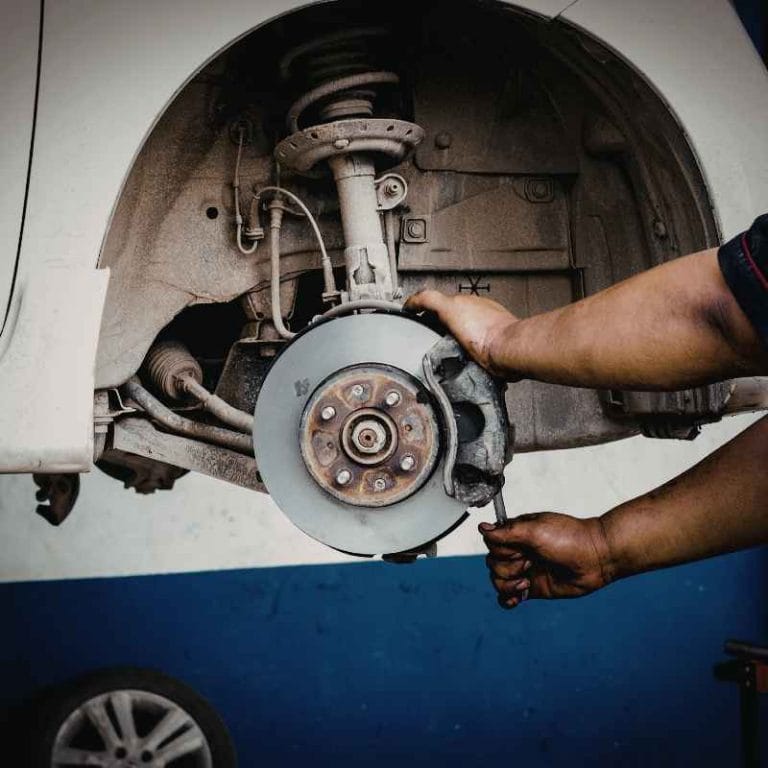
- Remove the wheel and locate the bleed valve.
- Attach tubing and place the other end in a catch bottle.
- Have your helper press the pedal several times and hold.
- Open the valve briefly to release fluid/air, then close.
- Repeat until clear fluid and no air bubbles appear.
- Check and top off the brake fluid reservoir frequently.
It’s vital to keep the reservoir above the “MIN” mark throughout the process to prevent introducing new air. If you accidentally let the reservoir run dry, you’ll need to start over from the beginning.
Post-bleeding Checks
- Test pedal feel with the engine off—should be firm, not spongy.
- Check for leaks at all connections.
- Perform a slow-speed test in a safe area before normal driving.
After verifying proper pedal feel, make a few gentle stops at low speed to ensure consistent braking and no warning lights. Re-inspect the fluid level and top off as needed after your test drive.
Example: Diy Vs. Professional Cost
A typical four-wheel brake bleed at a shop costs $100–$150. DIY with a basic kit and fluid can be done for under $40. For complex ABS systems, the added expertise and equipment justify the extra shop cost.
Investing in a pressure or vacuum bleeder can pay for itself after just a few uses, especially if you maintain multiple vehicles or prefer to do your own repairs.
Preventing Air Intrusion And Brake Problems
Regular Fluid Checks
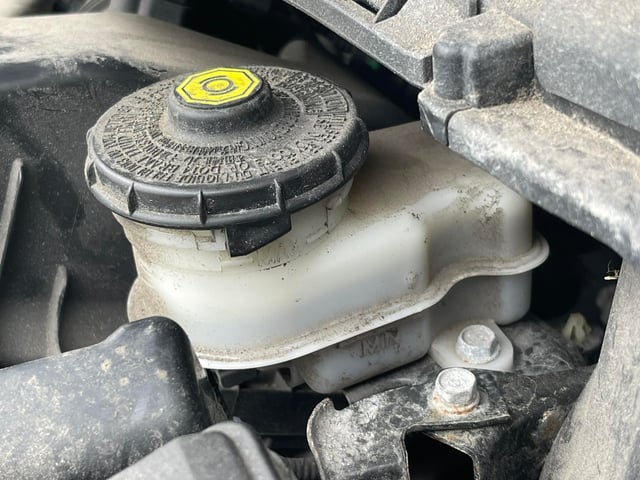
Inspect your brake fluid reservoir monthly. If the fluid is below the “MIN” line or appears dirty/cloudy, plan for bleeding or a full flush.
Look for changes in fluid color, clarity, or the presence of sediment. High-quality brake fluid is usually clear or pale amber; darkening indicates contamination and moisture absorption.
Use Only Sealed Brake Fluid
Brake fluid absorbs moisture from the air. Use only sealed containers and finish opened bottles quickly.
Exposure to air—even for a short period—can degrade fluid quality. Always cap bottles tightly and avoid using old or leftover fluid from previous jobs.
Address Leaks Immediately
Any sign of leaking fluid around wheels, calipers, or the master cylinder requires immediate attention. Delaying repairs can introduce air and risk total brake failure.
Common leak sources include worn hoses, deteriorated caliper seals, and corroded metal lines. Regular inspection of these components during oil changes or tire rotations can catch problems before they become dangerous.
Avoid Overheating
Aggressive driving, towing, or mountainous routes can overheat fluid and create vapor. Allow brakes to cool during long descents and avoid riding the pedal.
If you frequently encounter steep grades, consider downshifting to use engine braking and reduce the load on your brakes. For performance driving, upgrading to higher boiling point fluids and slotted/drilled rotors can also help manage heat.
Upgrade Components As Needed
Consider stainless steel brake lines or performance fluids for spirited driving. These upgrades resist air intrusion and maintain pedal feel under extreme conditions.
Upgraded lines are less likely to expand or develop leaks under pressure, offering a firmer pedal and better response. Performance fluids are engineered to resist boiling and water absorption, extending safe operation intervals.
Real-world Example: Fleet Maintenance Success
A delivery company in Texas instituted quarterly fluid checks and annual bleeding. The result: A 60% drop in brake-related breakdowns, and a $25,000/year savings on emergency repairs.
Their proactive approach not only improved safety for drivers but also enhanced customer satisfaction by reducing late deliveries due to mechanical issues. This demonstrates the value of preventive maintenance for both safety and business operations.
Long-term Risks Of Ignoring Brake Bleeding
Increased Stopping Distances
NHTSA crash data links increased stopping distances to unbled brakes. Even a 10% increase could mean the difference between a near-miss and a collision (NHTSA).
Every foot counts when stopping in an emergency. Compromised brakes can also affect your ability to maintain control during sudden maneuvers or slippery conditions, increasing the risk of secondary accidents.
Costly Component Damage
Air in the system accelerates corrosion and seal wear. This can lead to expensive failures in the master cylinder, ABS module, or calipers—often costing hundreds to thousands to repair.
Moisture and air create an environment where rust and corrosion attack internal components, leading to sticky pistons, seized calipers, and unreliable ABS operation. These failures can cascade, forcing you to replace multiple parts and increasing labor costs.
Reduced Resale Value
Incomplete service records or poor braking performance can reduce the resale/trade-in value of your vehicle. Prospective buyers and dealerships often test pedal feel as a quick health check.
A history of regular brake maintenance, including bleeding and fluid changes, reassures buyers that the vehicle has been cared for and is less likely to need major repairs soon after purchase.
Legal And Insurance Risks
Driving with compromised brakes can be seen as negligence in an accident investigation. Some insurers may deny claims if lack of maintenance is proven.
In some jurisdictions, you could even face fines or citations for operating a vehicle with known safety defects. Protect yourself legally and financially by keeping your brakes in top shape.
Example: Insurance Claim Denied
After a collision, an insurance company’s investigation found that the owner had ignored repeated brake warning lights. The claim was reduced due to “failure to maintain a safe vehicle,” costing the owner thousands in out-of-pocket repairs.
Documenting your maintenance activities—including brake bleeding and fluid changes—can provide critical evidence if you ever need to dispute a claim or demonstrate responsible vehicle ownership.
Frequently Asked Questions
How Do I Know If My Brakes Need Bleeding Or Just New Pads?
Bleeding is needed if your brake pedal feels soft or spongy, or if the pedal sinks to the floor—regardless of pad thickness. Worn pads usually cause grinding, squealing, or reduced stopping power, but the pedal feel remains normal until the pads are extremely worn. If in doubt, have both the fluid and pads inspected.
In some cases, both issues can occur simultaneously, especially if pad wear leads to caliper piston over-extension, allowing air to enter. Always address unusual pedal feel immediately.
Can I Bleed Brakes Myself, Or Should I Visit A Professional?
DIY bleeding is possible for most vehicles with basic tools and patience. However, if your car has ABS/ESC, persistent symptoms, or if you’re unsure, a professional service is safer. Some systems need special diagnostic tools to remove all air, and incorrect bleeding can worsen the problem.
Shops use pressure bleeders and scan tools to cycle ABS modules, ensuring no air remains trapped. If you lack experience, investing in professional service can save time and ensure safety.
How Long Does It Take To Bleed All Four Brakes?
Manual bleeding typically takes 30–60 minutes for all four wheels if you have a helper and the correct tools. Pressure or vacuum methods can speed up the process. Additional time may be required for cars with ABS or for stubborn air pockets.
Prepare for extra time if it’s your first attempt or if you encounter stuck bleed valves or heavily contaminated fluid.
Will Simply Topping Off Brake Fluid Fix A Spongy Pedal?
No—topping off fluid only corrects the fluid level. It does not remove air from the system. If air is trapped, bleeding is required to restore proper pedal feel and braking performance.
If the sponginess persists after topping off, inspect for leaks and proceed with bleeding as soon as possible.
Is Old Or Dirty Brake Fluid A Reason To Bleed My Brakes?
Yes. Contaminated fluid absorbs water and can introduce vapor and corrosion. Bleeding (or better, a full flush) is needed if your fluid appears dark, cloudy, or contains particles. Regular bleeding prevents expensive component damage and maintains safety.
Modern brake fluids often contain additives to resist corrosion and water absorption, but these additives degrade over time. Keeping fluid fresh is essential for long-term system health.
If you’re proactive about brake maintenance, you’ll avoid common pitfalls and keep your vehicle safe for years to come. Recognizing the signs that it’s time to bleed your brakes—and acting quickly—can make all the difference on the road. For further reading, consult your owner’s manual or trusted resources like the AAA Brake Maintenance Guide, Cars.com Brake Fluid Advice, or the Haynes Brake Bleeding Tutorial for step-by-step instructions and safety tips. Stay vigilant, and your brakes will always be ready when you need them most.