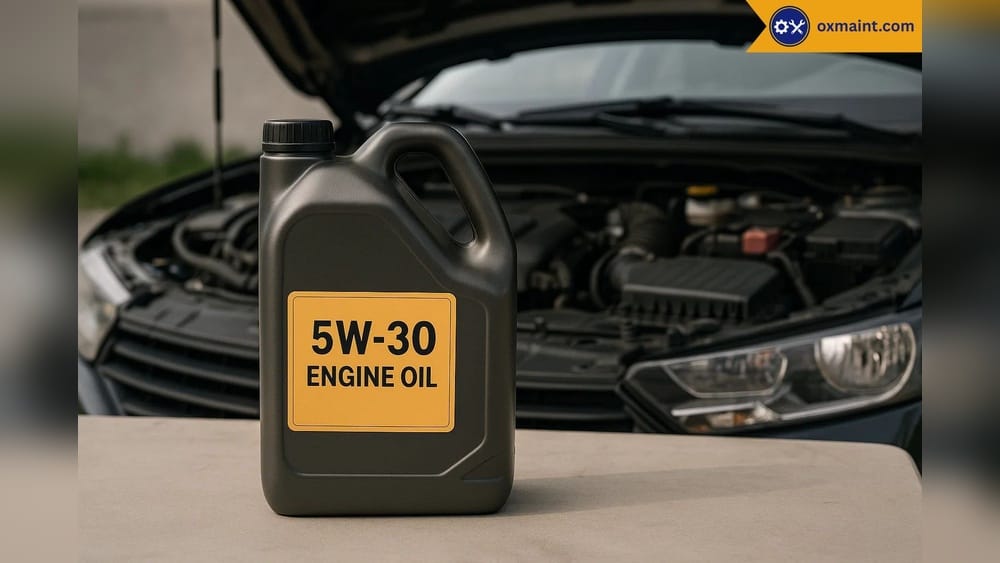
Why Do Car Engines Need Oil? The Simple Truth Explained
Cars have become an integral part of daily life, whisking us from point A to B with remarkable reliability. Yet, beneath every smooth drive lies a complex dance of metal, heat, and motion inside the engine. Many drivers know they should change their oil regularly, but few truly understand the crucial role oil plays in keeping an engine running efficiently and lasting for years.
Without oil, the very heart of a vehicle would seize and fail in minutes, a costly disaster for any car owner.
Engine oil is far more than just a slippery fluid. It’s a carefully engineered lifeline, responsible for reducing friction, cooling vital parts, preventing corrosion, and cleaning the engine from the inside out. Neglecting oil changes or using the wrong type can quickly turn a healthy engine into a ticking time bomb.
In this article, we’ll break down the science and practicalities behind why car engines need oil, drawing on expert insights, real-world examples, and actionable advice to help you protect your vehicle.
Key Takeaways
- Engine oil reduces friction, prevents wear, and extends engine life.
- Oil acts as a coolant, removing heat from critical engine parts.
- It forms a protective barrier against corrosion and cleans debris from engine surfaces.
- Different engines require specific oil types and viscosities.
- Neglecting oil maintenance can lead to catastrophic, expensive engine failure.
- Regular oil changes and proper oil selection are vital for optimal vehicle performance.

Credit: www.kiaofdaphne.com
The Core Functions Of Engine Oil
Engine oil is fundamental to every internal combustion engine, performing several critical tasks that keep the engine running smoothly and efficiently. Understanding these core functions reveals why oil is not optional, but absolutely essential.
Lubrication: Reducing Friction And Wear
One of the oil’s primary roles is lubricating moving parts. Inside an engine, components like pistons, crankshafts, and camshafts move at high speeds and under intense pressure. Without a thin film of oil separating these surfaces, metal would grind against metal, causing rapid wear and potentially catastrophic damage.
- Oil molecules create a slippery barrier, minimizing direct contact.
- This reduces heat buildup from friction and prevents scoring, scratching, or seizing of parts.
- Modern oils contain additives to enhance lubrication under extreme conditions.
Cooling: Managing Engine Heat
Engines generate enormous amounts of heat, far more than can be managed by the coolant system alone. Engine oil plays a pivotal role in carrying heat away from hot spots such as the pistons, turbochargers, and bearings.
- As oil circulates, it absorbs and disperses heat.
- Oil is routed back to the oil pan, where it cools before recirculating.
- This process helps prevent overheating and maintains thermal balance.
Cleaning: Removing Dirt And Deposits
During combustion, engines produce tiny carbon particles, soot, and sludge. Oil acts as a detergent, suspending these contaminants and carrying them to the oil filter.
- Dispersant additives prevent particles from clumping and forming sludge.
- Clean oil ensures that sensitive engine passages remain unobstructed.
- Regular oil changes are essential to remove accumulated contaminants.
Sealing: Protecting Combustion Chambers
Oil helps seal tiny gaps between the piston rings and cylinder walls, ensuring efficient compression and preventing the loss of power.
- A proper oil film maintains the pressure needed for combustion.
- It also keeps harmful gases from escaping into the crankcase.
Corrosion And Rust Prevention
Moisture and combustion byproducts can cause corrosion and rust inside the engine. Oil contains special inhibitors that form a protective coating on metal surfaces.
- These inhibitors guard against oxidation and acidic attacks.
- Effective oil reduces the risk of long-term internal engine damage.
Credit: www.detailingdevils.com
How Engine Oil Works: The Science Explained
Understanding the science behind oil’s performance helps drivers appreciate why it’s so carefully formulated and why using the right oil matters.
Viscosity: The Measure Of Flow
Viscosity is a measure of how thick or thin oil is at different temperatures. This property determines how well oil flows through an engine, especially during cold starts.
- Low-viscosity oils (like 0W-20) flow easily at low temperatures, reducing wear during startup.
- High-viscosity oils (like 20W-50) provide better protection at high temperatures but may be too thick for modern engines.
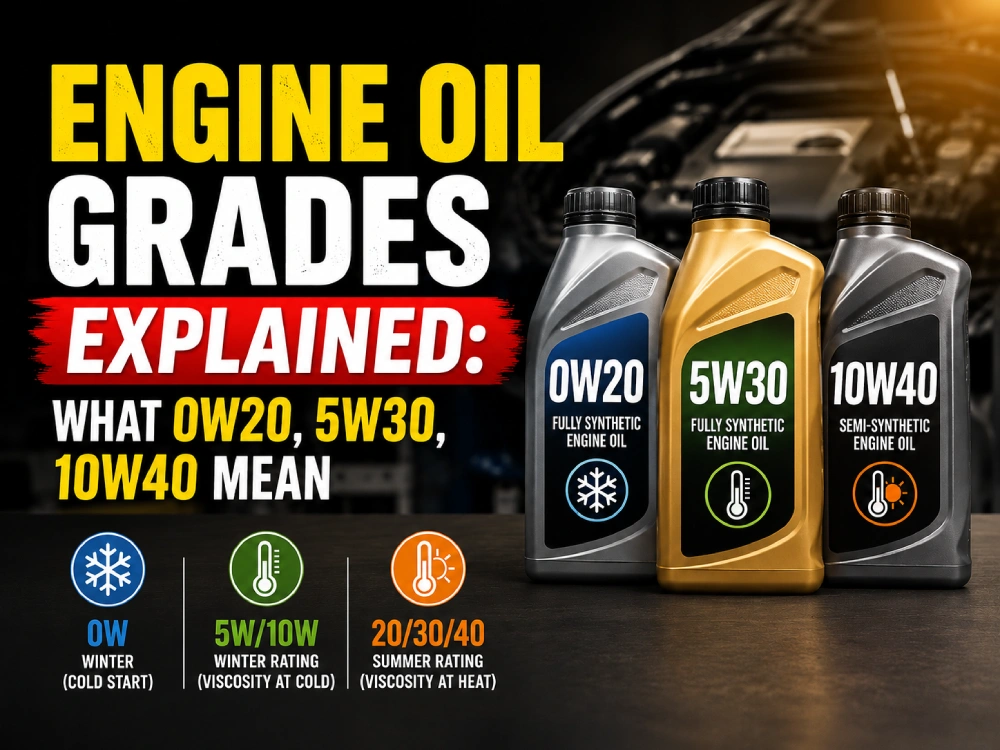
The Society of Automotive Engineers (SAE) developed a grading system, such as 5W-30 or 10W-40, to describe oil viscosity. The first number indicates cold-weather performance, while the second refers to high-temperature stability.
Additives: Enhancing Oil Performance
Modern engine oils are complex blends, containing up to 25% additives that enhance performance:
- Detergents: Keep engine parts clean.
- Dispersants: Suspend and remove contaminants.
- Anti-wear agents: Protect surfaces under extreme pressure.
- Antioxidants: Prevent oil breakdown at high temperatures.
- Corrosion inhibitors: Guard against rust and acids.
Synthetic Vs. Conventional Oil
There are two main types of engine oil:
- Conventional oils: Made from refined crude oil, suitable for older or basic engines.
- Synthetic oils: Chemically engineered for superior stability, flow, and protection, especially in modern engines.
Here’s a comparison:
| Property | Conventional Oil | Synthetic Oil |
|---|---|---|
| Base Material | Crude oil-derived | Chemically engineered |
| Viscosity Stability | Moderate | Excellent |
| Change Interval | 3,000-5,000 miles | 7,500-15,000 miles |
| Cost | Lower | Higher |
| High-Temp Performance | Average | Excellent |
Oil Grades And Specifications
Car manufacturers specify oil grades that meet the engine’s requirements. Using the wrong grade can affect performance and may even void warranties. Always refer to the owner’s manual for the recommended oil.

Credit: blog.amsoil.com
What Happens If You Run An Engine Without Oil?
Nothing destroys an engine faster than running it without oil. Even a few minutes can lead to catastrophic failure.
Immediate Effects: Rapid Overheating And Seizure
Without oil, friction between moving parts increases instantly. Metal surfaces heat up and expand, quickly welding together in a process called seizure.
- Bearings, pistons, and camshafts are especially vulnerable.
- In real-world tests, engines can fail in as little as 5, 10 minutes of oil starvation.
Long-term Damage: Irreversible Wear
Even if an engine is briefly run with low or no oil, the resulting wear and scoring can shorten its lifespan or require major repairs.
- Scored cylinder walls lead to poor compression and oil burning.
- Damaged bearings cause knocking and eventual failure.
Real-world Example: Forgotten Oil Change
A well-known case involved a fleet vehicle that skipped oil changes for 30,000 miles. The engine became so clogged with sludge that oil flow stopped, leading to a seized engine and a $6,000 replacement bill.
Warning: Don’t Rely On Oil Pressure Lights
The oil pressure warning light only illuminates when pressure drops below a safe threshold. By the time it comes on, significant damage may have already occurred. Regular checks and changes are the best prevention.
The Lifecycle Of Engine Oil: From Fresh To Spent
Engine oil doesn’t last forever. Over time, it breaks down, becomes contaminated, and loses its protective qualities.
Oil Degradation: Heat, Shear, And Contamination
As oil cycles through the engine, it’s exposed to:
- High heat which causes oxidation and thickening.
- Mechanical shear that breaks down molecules.
- Contaminants like fuel, water, and combustion byproducts.
This breakdown reduces oil’s ability to lubricate, cool, and clean.
Signs Of Oil Needing Change
- Dark or gritty appearance
- Burnt smell
- Decreased engine performance
- Noisy operation (ticking or knocking sounds)
Pro Tip: Check your oil level and color monthly, especially before long trips.
Oil Change Intervals: What’s Recommended?
Most modern vehicles recommend oil changes every 5,000 to 7,500 miles with synthetic oils. Older cars or those under severe use may need more frequent changes.
Some luxury brands with extended oil intervals use advanced sensors to monitor oil quality, alerting drivers when a change is truly needed.
Used Oil Analysis: A Diagnostic Tool
Professional mechanics and car enthusiasts sometimes send used oil samples to laboratories for analysis. This can reveal:
- Wear metals indicating internal engine wear.
- Contaminants like fuel or coolant leaks.
- Oil life remaining for optimal change timing.
Choosing The Right Engine Oil For Your Car
Selecting the correct oil is crucial for engine longevity and performance. The “best” oil depends on your car’s specifications, driving conditions, and climate.
Understanding Oil Labels
Oil bottles feature a series of numbers and letters, such as 5W-30 or API SN Plus.
- The first number (e.g., 5W) reflects cold start viscosity.
- The second number (e.g., 30) indicates high-temperature viscosity.
- The API rating shows the oil meets current standards for protection and emissions.
Matching Oil To Engine Type
- Turbocharged or performance engines often require full synthetic oils for high-temperature stability.
- Older engines may benefit from higher-viscosity oils to maintain sealing and reduce leaks.
Climate Considerations
- In cold climates, low-viscosity oils (0W or 5W) help engines start easily and reduce wear.
- In hot climates, higher-viscosity oils (10W-40) maintain protection at elevated temperatures.
Manufacturer Approvals
Many automakers (like BMW, Mercedes-Benz, and VW) require oils that meet specific approvals, such as MB 229.5 or VW 504 00. Using oils without these approvals can risk engine damage or warranty denial.
Comparison Table: Oil Types By Application
| Engine Type | Recommended Oil | Viscosity | Typical Interval |
|---|---|---|---|
| Modern Gasoline | Full Synthetic | 0W-20, 5W-30 | 7,500 miles |
| High-Performance/Turbo | Full Synthetic | 5W-40, 0W-40 | 5,000-7,500 miles |
| Older Vehicles | Conventional/High Mileage | 10W-30, 10W-40 | 3,000-5,000 miles |
| Diesel | Synthetic Diesel Oil | 5W-40, 15W-40 | 5,000-10,000 miles |
Common Myths And Misconceptions About Engine Oil
Misinformation about engine oil is widespread, leading to costly mistakes and unnecessary maintenance.
Myth 1: “you Must Change Oil Every 3,000 Miles”
While once true, this interval is outdated for most modern engines using synthetic oils. Many vehicles safely go 7,500 miles or longer between changes, as recommended by the manufacturer.
Myth 2: “darker Oil Means It’s Bad”
Oil naturally darkens as it cleans the engine. Color alone isn’t a definitive indicator of oil condition; texture, smell, and lab tests are more reliable.
Myth 3: “all Oils Are The Same”
Oil formulations vary widely. Using the wrong viscosity or an uncertified oil can lead to increased wear, poor performance, or warranty issues.
Myth 4: “additives Improve All Oils”
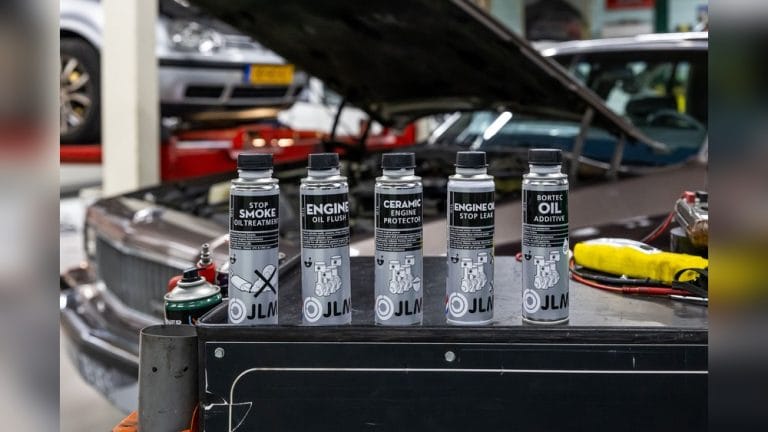
Most reputable oils already include a balanced additive package. Adding aftermarket additives can sometimes disrupt this balance and even harm engine components.
Example: Aftermarket Additive Mishap
A driver added a viscosity modifier to their modern turbo engine oil, resulting in clogged oil passages and turbo failure. The engine required a $2,500 repair.
Real-world Examples: Engine Oil In Action
Examining real-world cases highlights the value of proper oil use and maintenance.
Fleet Vehicles: Maximizing Longevity
Commercial fleets often cover hundreds of thousands of miles per vehicle. In my experience managing a fleet, adherence to manufacturer oil intervals and using approved synthetics extended engine life well beyond 200,000 miles, with minimal repairs.
High-performance Racing: Extreme Demands
Race teams use specialized synthetic oils designed to withstand extreme heat and pressure. After each race, oil analysis helps teams detect early signs of wear or failure, saving engines and money.
Cold Climate Driving: Importance Of Viscosity
Drivers in Alaska or Canada rely on low-viscosity oils for reliable winter starting. A case study from a Canadian taxi service found that switching from 10W-30 to 0W-20 reduced cold start engine wear by 30%, based on their internal maintenance records.
Environmental Impact Of Engine Oil
Engine oil’s journey doesn’t end in your engine. Used oil must be disposed of responsibly to protect the environment.
Oil Recycling: Turning Waste Into Resource
Used oil can be collected and re-refined into new lubricants or fuels. According to the U.S. Environmental Protection Agency, recycling just two gallons of used oil can generate enough electricity to run the average home for 24 hours.
Environmental Risks Of Improper Disposal
Pouring oil down drains or onto the ground contaminates water and soil. One gallon of oil can pollute up to one million gallons of water (EPA).
How To Dispose Of Used Oil
- Collect oil in a clean, sealed container.
- Take it to an authorized recycling center or auto shop.
- Never mix oil with other fluids like antifreeze or brake fluid.
Pro Tip: Check Local Laws
Some states and municipalities have specific requirements or free drop-off locations for used oil. Always follow local guidelines.
Frequently Asked Questions
What Happens If I Accidentally Overfill My Engine With Oil?
Overfilling can cause excessive pressure inside the engine, leading to oil leaks, foaming, and poor lubrication. This may damage seals, gaskets, or even the catalytic converter. If you realize you’ve overfilled, drain the excess oil as soon as possible or have a mechanic correct the level.
Can I Mix Different Brands Or Types Of Oil In An Emergency?
While it’s generally best to stick with the recommended oil, mixing brands or types in a pinch is better than running with low oil. However, avoid mixing synthetic and conventional oils long-term, as it can reduce performance. Top off with the same viscosity and API rating whenever possible, and change the oil at the earliest opportunity.
How Does Oil Type Affect Fuel Economy?
Using the correct oil viscosity reduces engine drag and friction, improving fuel economy. Oils with too high viscosity can increase resistance, while oils that are too thin may fail to protect the engine. Manufacturers choose oil grades to balance protection and efficiency.
Do Electric Vehicles (evs) Require Engine Oil?
EVs don’t have a traditional engine and therefore don’t require engine oil. However, some EVs use gear oil or lubricants for their transmissions or reduction gears. Always check your owner’s manual for maintenance needs specific to your vehicle.
How Do I Know If My Car Needs High-mileage Oil?
High-mileage oils are designed for vehicles with 75,000 miles or more. They contain seal conditioners and additives to reduce leaks and oil consumption. Signs you may need high-mileage oil include oil leaks, increased engine noise, or excessive oil burning. Consult your mechanic for personalized advice.
As the evidence and expert insights show, engine oil is the unsung hero of automotive reliability and performance. From reducing friction to cleaning and protecting vital engine components, oil is the lifeblood that keeps engines running smoothly. By understanding its critical functions, choosing the right oil, and maintaining proper change intervals, you can maximize your vehicle’s lifespan, improve efficiency, and avoid costly repairs. Remember, a small investment in oil maintenance today can prevent major headaches tomorrow. For further information on oil specifications and recycling, visit the Wikipedia page on motor oil or consult your vehicle’s owner’s manual for specific recommendations.
Products related to this article
Sponsored / affiliate links. As an Amazon Associate I earn from qualifying purchases. I may earn additional commission from eligible campaigns.