How Much Are Car Brake Discs? Prices You Should Know
Shopping for new brake discs can be both confusing and critical—your safety, vehicle performance, and budget are all at stake. Car brake discs, also known as rotors, are essential for effective braking, but their prices vary widely. Whether you’re a daily commuter, a performance enthusiast, or managing a fleet, understanding what determines the cost of brake discs can help you make smarter, safer choices.
Over the past decade, the market for brake discs has evolved rapidly, driven by advances in technology, rising consumer expectations, and an expanding range of vehicles. The proliferation of online retailers and increased transparency in pricing now empower car owners to compare products and find the best deals.
However, as with most automotive components, the “best deal” is rarely just about the lowest price—quality, compatibility, and installation costs matter just as much. In this comprehensive guide, we’ll break down everything you need to know about the cost of car brake discs, what influences pricing, how to compare options, and how to budget for a replacement.
Key Takeaways
- Car brake disc prices typically range from $30 to $250 per disc, depending on vehicle type, brand, and material.
- Labor and installation can add $100–$300 per axle, making total replacement costs $200–$800 or more.
- Factors like vehicle make, rotor type, material, and brand heavily influence costs.
- OEM and aftermarket options each have pros and cons for performance, warranty, and price.
- Regular inspection and timely replacement maximize safety and reduce long-term expenses.
- Online research and comparison shopping can save significant money on parts and labor.
Credit: www.locomotionpowersports.com
Understanding Car Brake Discs
Car brake discs are the unsung heroes behind every smooth, safe stop. To truly grasp the value and cost of these components, it’s important to understand their role, construction, and the different types available.
What Are Brake Discs?
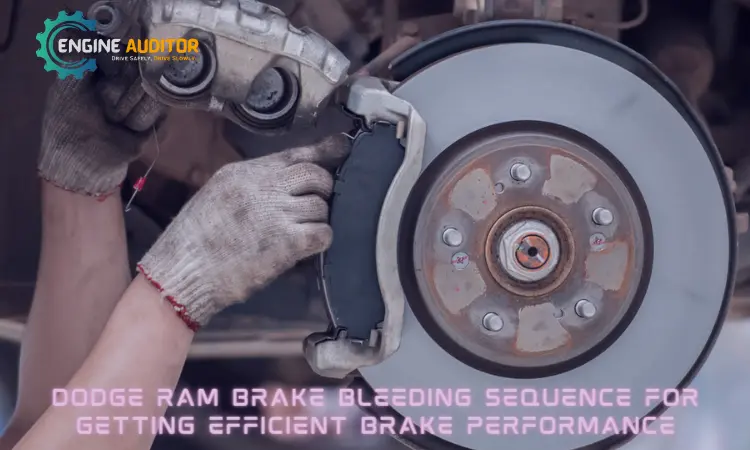
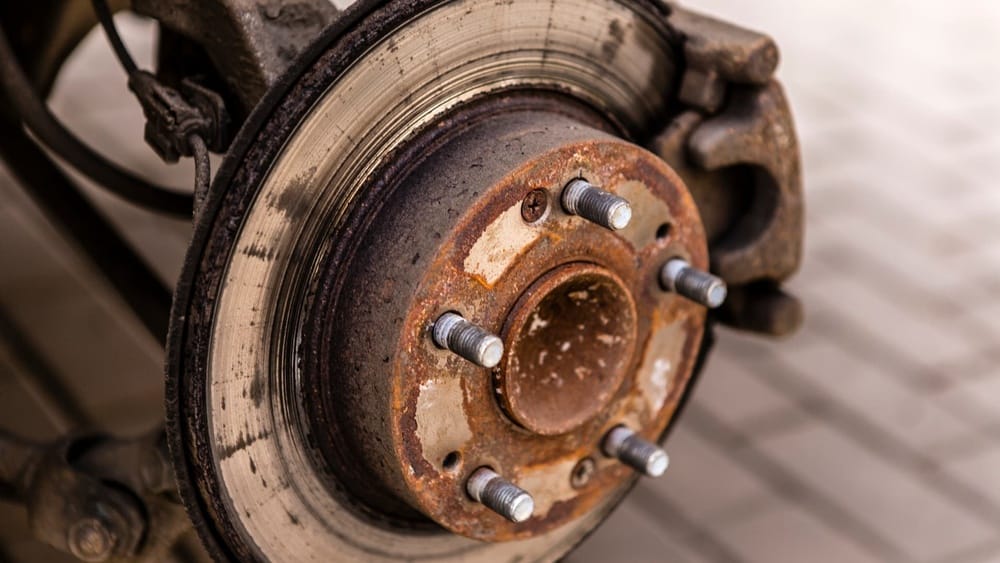
Brake discs—also called rotors—are round metal plates attached to the wheel hub. When you press the brake pedal, calipers squeeze brake pads against the discs, generating friction that slows the vehicle. The effectiveness of this system depends largely on the quality and condition of the brake discs.
The friction generated transforms kinetic energy into heat, which must be dissipated efficiently to prevent brake fade and maintain consistent stopping power. High-quality discs maintain their structural integrity under repeated, intense use, while lower-quality versions may warp, crack, or wear unevenly, compromising safety.
Properly functioning brake discs are essential not just for stopping your vehicle quickly, but also for maintaining vehicle stability, minimizing stopping distances, and ensuring predictable performance during emergency maneuvers. This is particularly critical for vehicles frequently driven in mountainous regions, towing heavy loads, or exposed to high-speed conditions.
Types Of Brake Discs
There are several main types of brake discs, each with unique characteristics and price points:
- Solid Discs: Basic, cost-effective, and common on economy cars. They are a single cast piece and lack internal vanes, which makes them simple and easy to manufacture. However, solid discs are less effective at dissipating heat during heavy or prolonged braking, and thus are generally reserved for the rear wheels or smaller, lighter vehicles.
- Vented Discs: Feature internal vanes for better heat dissipation—standard on most modern vehicles. The vanes allow air to flow through the disc, cooling it more efficiently and reducing the risk of brake fade, especially during repeated stops. These are typically found on the front wheels, which handle the majority of braking force.
- Drilled Discs: Have holes for enhanced cooling and performance; popular in sports cars. The holes help channel away gas, water, and heat from the friction surface, improving braking in wet or high-performance conditions. However, drilled discs can be prone to cracking under extreme stress if not properly engineered.
- Slotted Discs: Feature grooves to expel gas and debris, improving performance under heavy braking. Slotted discs are often chosen for performance driving, towing, or vehicles operating in dusty or off-road environments, where pad outgassing or debris accumulation can reduce brake effectiveness.
- Composite or High-Performance Discs: Made from advanced materials like carbon-ceramic, used in luxury or high-performance vehicles. These discs offer exceptional durability, heat resistance, and weight savings, but their high cost limits them to premium or specialty applications.
Materials Used
The choice of material greatly affects both performance and price:
- Cast Iron: Standard for most vehicles; affordable and effective. Cast iron provides good thermal stability and durability, making it a popular choice for everyday driving.
- Carbon-Ceramic: Lightweight, heat-resistant, and extremely durable—but can cost up to 10 times more than standard discs. Carbon-ceramic brakes deliver outstanding performance, especially under extreme conditions, and are highly resistant to wear and thermal expansion, but their replacement cost can be prohibitive for most drivers.
- Steel and Composites: Used in specific applications for enhanced performance or reduced weight. Steel rotors can be found in heavy-duty or racing applications, sometimes combined with other materials for better strength-to-weight ratios. Composite materials, including aluminum and advanced alloys, are increasingly being used in performance and electric vehicles to reduce unsprung weight.
How Long Do Brake Discs Last?
Brake disc lifespan varies by driving habits, vehicle type, and material. On average:
- Standard rotors: 30,000–70,000 miles
- High-performance rotors: 50,000–100,000 miles
- Carbon-ceramic rotors: Up to 150,000 miles or more
The actual lifespan of brake discs can be influenced by factors such as climate (road salt and moisture accelerate corrosion), driving style (aggressive braking causes faster wear), vehicle load (towing or carrying heavy cargo), and maintenance habits (using quality pads and regular inspections).
In fleet vehicles or taxis, which experience frequent stops and heavy use, rotors may need replacement much sooner. Conversely, highway-driven vehicles with gentle braking may see disc lifespans closer to the upper end of the range.
For more detail on brake disc types and expected lifespans, see Wikipedia: Disc Brake.
Factors That Influence Brake Disc Prices
The cost of car brake discs is shaped by a complex mix of technical, market, and consumer factors. Here’s a breakdown of the primary elements that affect pricing:
Vehicle Make And Model
Some vehicles require larger or specialized rotors due to weight, power, or unique designs. For example:
- Luxury brands (e.g., Mercedes-Benz, BMW): Higher part costs due to advanced engineering and proprietary designs. These vehicles may also use electronic sensors or feature adaptive systems that add to the cost.
- Performance vehicles (e.g., Porsche, Corvette): Premium materials and larger rotors. Performance rotors are often paired with advanced braking systems, requiring exact specifications for safe operation.
- Compact cars (e.g., Toyota Corolla, Honda Civic): Lower costs due to standard sizes and mass production. The high volume of sales for these vehicles also drives aftermarket competition and price reductions.
Uniquely designed rotors, such as those with integrated wheel bearings or parking brake drums, can further increase costs due to limited manufacturing runs and proprietary components.
Rotor Type And Material
- Standard cast iron rotors: $30–$70 per disc
- Vented or drilled/slotted rotors: $60–$150 per disc
- Carbon-ceramic rotors: $500–$2,500 per disc
The type of rotor not only affects performance but also influences replacement frequency. For example, drilled and slotted rotors may deliver better braking in demanding conditions, but they can wear pads more quickly and may not be necessary for everyday commuters.
When evaluating cost, consider both initial investment and potential long-term savings from improved durability or braking efficiency.
Brand And Manufacturing Quality
Top brands like Brembo, Bosch, and ACDelco command higher prices for trusted performance, warranties, and rigorous manufacturing standards. Lesser-known or generic brands may offer lower prices but could compromise on durability or fit.
Brand reputation is often built on decades of experience, OE contracts, and proven reliability in both street and motorsport applications. For example, Brembo is the OE supplier for many high-performance vehicles, and their aftermarket rotors are known for consistent metallurgy and strict quality control.
In contrast, off-brand rotors may use recycled metals, inconsistent casting processes, or lack heat treatment, leading to premature failure.
Oem Vs. Aftermarket
- OEM (Original Equipment Manufacturer): Designed to match factory specifications. Generally more expensive but guarantee fit and performance.
- Aftermarket: A wide range of quality and prices. Some offer performance upgrades, while others focus on value.
OEM parts are often recommended for newer vehicles, leased cars, or those under factory warranty. Aftermarket rotors, when purchased from reputable sources, can provide significant savings and may even outperform OE parts in certain scenarios. However, fitment issues, noise, or warranty disputes can occur if the wrong components are chosen.
Installation And Labor Costs
Labor rates vary by location and shop type:
- Dealerships: $150–$300 per axle
- Independent shops: $100–$200 per axle
- DIY installation: Only the cost of tools and parts, but requires experience and safety precautions.
Complex or luxury vehicles may require specialized tools, electronic parking brake resets, or additional diagnostic steps, which can drive up labor costs. Always ask for an itemized estimate to understand what’s included—some shops bundle pad replacement, fluid flush, or hardware swaps with rotor installation.
Additional Factors
- Supply chain disruptions: Global events, raw material shortages, or shipping delays can temporarily spike prices.
- Geographic location: Urban areas with higher labor costs or limited competition may charge more for both parts and service.
- Seasonal promotions or discounts: Many retailers offer holiday sales or off-season discounts, so timing your purchase can yield savings.
- Additional parts needed (e.g., new pads, hardware kits): Some vehicles require specialized hardware, anti-rattle clips, or sensors, which add to the total cost.
For more on how vehicle specifics affect part pricing, consult NHTSA: Brakes.

Credit: www.kengarff.com
Average Price Ranges For Brake Discs (2026)
To make sense of the wide range of prices, let’s look at average costs for different vehicle types and disc categories. Prices can fluctuate based on market conditions, but these figures offer a solid benchmark for 2026.
Typical Retail Prices By Vehicle Class
| Vehicle Type | Standard Rotor (Each) | Performance Rotor (Each) | Carbon-Ceramic Rotor (Each) |
|---|---|---|---|
| Compact Car | $30–$60 | $70–$120 | N/A |
| Sedan/Midsize | $40–$90 | $100–$180 | $1,000+ |
| SUV/Truck | $50–$120 | $140–$250 | $1,500–$2,500 |
| Performance/Luxury | $80–$200 | $200–$450 | $2,000–$2,500 |
These ranges reflect average retail pricing for a single disc. Note that prices for pairs or complete axle sets are typically double, not including pads or hardware.
Total Replacement Cost (parts + Labor)
- Compact/Midsize Cars: $200–$500 per axle
- SUVs/Trucks: $300–$700 per axle
- Performance/Luxury Vehicles: $600–$1,500+ per axle
These figures account for both parts and labor. Additional fees for taxes, shop supplies, or unexpected repairs (such as seized calipers) may apply. Some high-end vehicles may require electronic system resets or specialized alignment procedures, adding to the overall cost.
Online Vs. In-store Pricing
Buying online from reputable retailers like RockAuto or Advance Auto Parts often yields lower prices due to direct shipping, bulk discounts, and frequent promotions. However, always factor in shipping fees and ensure you’re buying the correct fit for your vehicle.
Some online platforms offer “garage guarantee” features, which help verify compatibility based on your VIN or license plate. Local stores may offer price matching, immediate returns, and same-day pickup, which can be invaluable if you’re working on a tight schedule or need last-minute replacements.
Real-world Example: Honda Accord Vs. Bmw 5 Series
- 2019 Honda Accord (front rotors): $40–$90 each, $200–$350 installed per axle.
- 2018 BMW 530i (front rotors): $120–$200 each, $400–$700 installed per axle.
The price difference highlights the impact of vehicle class, brand reputation, and parts complexity. Luxury European vehicles often require rotors with built-in sensors, corrosion-resistant coatings, or specific engineering tolerances, all of which increase costs.
For live price data and retailer comparisons, see RockAuto and AutoZone.

Credit: www.hendrickcadillacsouthpoint.com
Oem Vs. Aftermarket Brake Discs: Pros, Cons, And Price Comparisons
Choosing between OEM and aftermarket brake discs is one of the most important decisions you’ll make. Here’s how these options stack up in terms of cost, reliability, and value.
Oem Brake Discs
Pros:
- Guaranteed fit and finish for your vehicle.
- Often come with manufacturer warranty.
- Consistent quality and performance.
Cons:
- Typically 25–50% more expensive than aftermarket.
- Limited selection (often only one or two options per model).
Price Range: $60–$200 per disc (compact/midsize), up to $500+ for high-end vehicles.
OEM discs are ideal for maintaining factory warranty, resale value, and vehicle reliability. They are manufactured to strict tolerances and often undergo rigorous testing for noise, vibration, and harshness (NVH), making them a safe bet for drivers who prioritize peace of mind.
Additionally, OEM rotors are designed to work seamlessly with other brake system components, reducing the risk of compatibility issues.
Aftermarket Brake Discs
Pros:
- Wider range of options and price points.
- Opportunity for performance upgrades (drilled/slotted/composite).
- Competitive warranties from top brands.
Cons:
- Variable quality—important to research brands and reviews.
- May require careful matching to vehicle specifications.
Price Range: $30–$150 per disc (compact/midsize), $200+ for premium/performance rotors.
The aftermarket sector includes both value-oriented and high-performance options. While some brands focus on basic replacements, others, such as Power Stop or EBC, specialize in rotors for towing, racing, or severe-duty applications. It’s essential to check for certifications, reviews, and compatibility guides to avoid fitment or quality issues.
Comparison Table: Oem Vs. Aftermarket
| Feature | OEM Brake Discs | Aftermarket Brake Discs |
|---|---|---|
| Price | Higher | Lower to moderate |
| Selection | Limited | Wide |
| Warranty | Usually included | Varies by brand |
| Performance Options | Standard | Standard and high-performance |
| Fitment Guarantee | Yes | Check compatibility |
For a detailed comparison of OEM and aftermarket parts, visit Consumer Reports: OEM vs. Aftermarket.
Case Study: Ford F-150 Brake Disc Replacement
A 2020 Ford F-150 owner faced the choice between OEM rotors at $110 each and high-rated aftermarket rotors at $65 each. After consulting the mechanic and researching reviews, they chose a reputable aftermarket brand, saving $90 on parts and getting a longer warranty. The result: equal performance and significant savings.
This example illustrates the potential benefits of the aftermarket route, especially for mainstream vehicles. However, buyers must still evaluate product reviews, warranty terms, and compatibility to avoid issues.
When To Choose Oem Or Aftermarket
- OEM: Best for newer vehicles, maintaining resale value, or if you want guaranteed fit/performance.
- Aftermarket: Ideal for older vehicles, budgets, or when seeking performance upgrades.
In some cases, certified aftermarket parts may even be approved by automakers for use during warranty repairs, especially when sourced from authorized suppliers.
Hidden Costs And What To Watch For
Brake disc pricing isn’t always straightforward. Here are the most common “hidden” costs you should anticipate:
Required Additional Parts
- Brake Pads: Often replaced with rotors—adds $40–$120 per axle. Pads and rotors wear together, and installing new pads on worn discs can lead to noise, vibration, and reduced stopping power.
- Caliper Hardware: $15–$40 per set. Worn or corroded hardware can cause uneven pad wear or sticking calipers.
- Brake Fluid: $10–$20 for a flush, recommended during major brake service. Contaminated fluid can reduce braking efficiency and damage internal components.
Some shops bundle pads and hardware with rotor replacement, while others charge separately—always clarify before authorizing work.
Shop Fees And Labor
- Disposal Fees: $5–$20 for old parts. Proper disposal is required by law in many areas.
- Shop Supplies: $5–$15 surcharge on most invoices.
- Diagnostic Fees: Some shops charge $30–$60 if inspection is not followed by repair.
Additional fees may apply for unexpected repairs, such as seized calipers, damaged wheel bearings, or rusted fasteners.
Special Cases
- Luxury or Exotic Vehicles: Higher labor rates, specialized tools, or parts only available through dealerships. For example, carbon-ceramic rotors often require certified technicians and precise installation steps.
- Aftermarket Modifications: Custom brakes may require unique rotors, increasing both parts and labor costs. Lifted trucks, race cars, or vehicles with big brake kits may need non-standard components that are more expensive or harder to source.
The Risks Of “too Cheap”
Beware of rotors priced dramatically lower than average—these may be:
- Inferior quality (poor casting, uneven wear)
- Lacking certifications (e.g., SAE, ISO)
- Prone to warping or premature failure
Low-quality rotors can lead to frequent replacements, safety issues, increased wear on other brake components, and even void insurance claims after an accident.
A failed brake disc can compromise safety, lead to expensive repairs, or void warranties. Always buy from reputable retailers or certified mechanics.
For guidelines on safe brake part selection, refer to NHTSA: Vehicle Safety Inspections.
How To Shop For Brake Discs: A Step-by-step Guide
Knowing what you need and where to look can help you get the best value for your money. Here’s a step-by-step approach:
1. Identify Your Vehicle’s Requirements
- Use your vehicle identification number (VIN) or check your owner’s manual.
- Determine if you need solid, vented, drilled, or slotted rotors.
- Match rotor size and bolt pattern.
Incorrect fitment can cause installation problems, noise, or reduced braking performance. Online parts catalogs and retailer fitment tools help reduce errors, but double-check specifications for trim levels, engine options, or factory brake packages.
2. Research Brands And Reviews
- Prioritize brands with strong reputations (e.g., Brembo, Bosch, Raybestos, ACDelco).
- Read user reviews and mechanic recommendations.
- Check for certifications (SAE, ISO).
Look for reviews specific to your vehicle model and driving habits. Forums, YouTube channels, and automotive enthusiast websites often provide detailed feedback on rotor performance, longevity, and installation tips.
3. Compare Retailers
- Compare prices online (RockAuto, AutoZone, Advance Auto Parts, O’Reilly).
- Factor in shipping, taxes, and return policies.
- Look for discounts, bundled deals, or free installation offers.
Some retailers offer price matching or loyalty programs, which can yield savings over time. Consider local shops for urgent repairs or personalized service.
4. Consider Professional Installation
- Get quotes from at least three shops.
- Ask about included services (pad replacement, fluid flush, hardware).
- Request a breakdown of parts and labor charges.
A clear estimate helps avoid surprises and ensures you’re comparing apples to apples. Ask if the shop offers a labor warranty or post-installation inspection.
5. Don’t Ignore Warranty And Support
- Choose products with clear warranty terms.
- Consider retailers with strong customer service and hassle-free returns.
Some rotors come with mileage-based or lifetime warranties. Retain all receipts and warranty information to protect your investment.
Real-world Example: Online Vs. Local Shop
A 2017 Toyota Camry owner found front rotors online for $45 each (including shipping) versus $75 each at a local parts store. However, the local shop offered a 2-year warranty and free exchange for defective parts, which ultimately provided better peace of mind.
Factoring in potential shipping delays, return hassles, or immediate warranty needs can make the higher local price worthwhile, especially if you rely on your vehicle daily.
Top Tips For Saving Money
- Shop during seasonal sales (spring/fall).
- Look for bundle deals (pads + rotors).
- Consider DIY if you have the skills and tools.
- Always verify fitment before purchase.
Sign up for retailer email lists to receive coupons and sale notifications. Many online sellers offer first-time buyer discounts or free shipping for orders over a certain amount.
For a practical brake disc buying checklist, consult AAA: How to Buy Brake Parts.
Real-world Examples And Case Studies
Seeing how brake disc pricing plays out for actual car owners can illuminate the process and help you budget accurately.
Case Study 1: Toyota Corolla (2018)
- Parts: Front rotors, $38 each (aftermarket, vented), pads $50 per set.
- Labor: $120 for both front wheels at an independent shop.
- Total Cost: $246
Lesson: Aftermarket rotors with solid reviews provided reliable braking and a 24-month warranty—no difference from OEM experienced. The owner noted reduced brake noise and smooth operation post-installation, with no issues during a year of mixed city and highway driving.
Case Study 2: Bmw X5 (2017)
- Parts: Front rotors, $160 each (OEM), pads $110 per set.
- Labor: $250 at a BMW specialist.
- Total Cost: $680
Lesson: Higher cost justified for premium vehicle—OEM parts maintained warranty and ensured optimal performance. The vehicle’s advanced brake monitoring system required rotors with integrated sensors, highlighting the importance of using correct parts.
Case Study 3: Chevrolet Silverado (2015)
- Parts: Front rotors, $75 each (aftermarket, drilled and slotted).
- Labor: $160 at a national chain.
- Total Cost: $310
Lesson: Upgrading to drilled/slotted rotors for towing and heavy use provided better stopping power and rotor cooling. The owner reported improved brake feel and less fade when hauling a camper, with only a modest increase in overall cost.
Case Study 4: Porsche 911 (2026)
- Parts: Carbon-ceramic rotors, $2,100 each (OEM).
- Labor: $400 per axle at a Porsche dealer.
- Total Cost: $5,000+
Lesson: Carbon-ceramic rotors are a premium investment—extremely durable and lightweight, but cost-prohibitive for most drivers. The owner benefited from exceptional track-day performance, minimal brake dust, and long service intervals, justifying the expense for high-performance use.
Additional case study examples could include hybrid or electric vehicles, which often use specialized rotors compatible with regenerative braking systems. These can carry higher costs due to low production volumes and proprietary designs.
Maintaining And Replacing Brake Discs: Best Practices
Extending the life of your brake discs and ensuring optimal performance comes down to regular maintenance and smart replacement strategies.
Inspection Frequency
- Every 10,000–15,000 miles: Inspect for wear, cracks, warping, or grooves.
- Every brake pad change: Always check rotor thickness and surface.
Many shops offer free brake inspections during routine service. Use a micrometer to measure rotor thickness and compare to manufacturer specifications. Uneven wear or blue discoloration indicates overheating or mechanical issues needing prompt attention.
Signs You Need Replacement
- Vibration or pulsation when braking, often felt through the steering wheel or brake pedal, is a classic sign of warped rotors.
- Squealing or grinding noises can indicate pads worn through to the metal, scoring the rotor surface.
- Visible scoring, cracks, or deep grooves compromise braking effectiveness and should not be ignored.
- Minimum thickness reached (see owner’s manual or rotor stamping). Driving below minimum thickness increases the risk of rotor failure.
In some cases, rotors can be resurfaced (“turned”) if wear is minimal, but most modern rotors are designed for replacement rather than machining.
Diy Vs. Professional Replacement
- DIY can save $100–$300 per axle, but requires tools, knowledge, and safety.
- Professional installation ensures proper torque, break-in, and safety checks.
DIYers should have a torque wrench, jack stands, and basic mechanical skills. Follow a repair manual or video specific to your vehicle to avoid errors.
Maximizing Rotor Life
- Use quality pads and replace them before they wear completely.
- Avoid aggressive driving and hard braking when unnecessary.
- Keep wheels and brakes clean—road salt and debris can accelerate wear.
- Ensure caliper hardware and slides are lubricated to prevent sticking and uneven wear.
Some drivers use ceramic or low-dust pads to reduce rotor wear and brake dust buildup, especially in urban environments.
For brake maintenance advice, visit NAPA: Brakes Maintenance.
When Upgrades Make Sense
- If you regularly tow, drive in mountainous regions, or participate in track days, consider vented, drilled, or slotted rotors.
- For most daily drivers, standard vented rotors balance cost and performance.
Upgrading rotors can provide enhanced cooling, improved pedal feel, and longer life under severe conditions, but may increase pad wear and noise. Always match rotor type to pad material and intended use for best results.
Frequently Asked Questions
How Much Does It Cost To Replace All Four Brake Discs?
Replacing all four brake discs (parts and labor) typically costs $400–$1,500 for most vehicles. Compact cars are at the lower end; SUVs, trucks, and luxury vehicles are higher. Carbon-ceramic rotors or high-performance applications can exceed $4,000 for all four.
Are Expensive Brake Discs Worth It?
Premium brake discs offer advantages such as longer life, better heat management, and improved performance—especially for towing, spirited driving, or high-mileage vehicles. For most daily drivers, mid-range vented rotors offer the best value.
Can I Replace Just One Brake Disc?
It’s best practice to replace brake discs in pairs (both front or both rear) to maintain balanced braking and safety. Replacing just one can lead to uneven wear, vibration, and compromised stopping power.
How Do I Know If My Brake Discs Need Replacing?
Signs include brake noise (squealing, grinding), vibration or pulsation during braking, visible grooves or cracks, and the rotor reaching its minimum thickness. Regular inspection is key.
Do Aftermarket Brake Discs Void My Warranty?
Quality aftermarket rotors from reputable brands do not void your vehicle’s warranty when installed properly. However, always keep receipts and verify that parts meet or exceed OEM specifications.
Summary
Understanding the cost of car brake discs is essential for every vehicle owner—whether you drive a compact sedan, a rugged truck, or a luxury SUV. Prices can range from as little as $30 to over $2,500 per disc, depending on vehicle type, material, and brand.
Factoring in labor, total replacement typically runs $200–$800 per axle for most vehicles. The key is to balance quality, compatibility, and price—don’t cut corners with the cheapest options, but don’t overpay for features you don’t need. Use real-world examples, comparison tables, and expert advice to make informed decisions, keep your vehicle safe, and get the best value for your money.
Safe driving starts with a reliable braking system—invest wisely.
Related pick: Check today's price on Amazon
Products related to this article
Sponsored / affiliate links. As an Amazon Associate I earn from qualifying purchases. I may earn additional commission from eligible campaigns.