Ford Car Won’T Go Into Gear? Here’S What’S Wrong
If your Ford car refuses to go into gear, the frustration is immediate, and the situation can quickly escalate from inconvenience to safety hazard. For many drivers, transmission issues are unexpected, and they often strike at the worst possible moment—whether you’re about to head to work, pick up the kids, or embark on a road trip.
Ford, a brand renowned for reliability, is not immune to gear-shifting troubles, and understanding why your vehicle won’t engage gears is crucial for both peace of mind and financial planning.
This article will equip you with a thorough, data-backed guide to diagnosing and solving gear engagement issues in Ford cars. We’ll explore the mechanical, electrical, and software causes behind the problem, compare repair options, share real-world examples, and break down actionable steps to get your Ford back on the road safely.
Whether you drive an F-150, Escape, Fusion, or Mustang, the information here is tailored to address the most common—and some uncommon—reasons your Ford won’t go into gear.
Key Takeaways
- Transmission issues in Ford cars can stem from mechanical, electrical, or software faults.
- Common causes include low transmission fluid, worn clutch, faulty shift linkage, and malfunctioning sensors.
- Diagnosing the problem accurately saves time and money—DIY fixes are possible for minor issues, but professional help may be required for complex repairs.
- Repair costs vary widely; prompt attention prevents further damage and higher expenses.
- Real-world examples and comparison tables help clarify repair choices and expected outcomes.
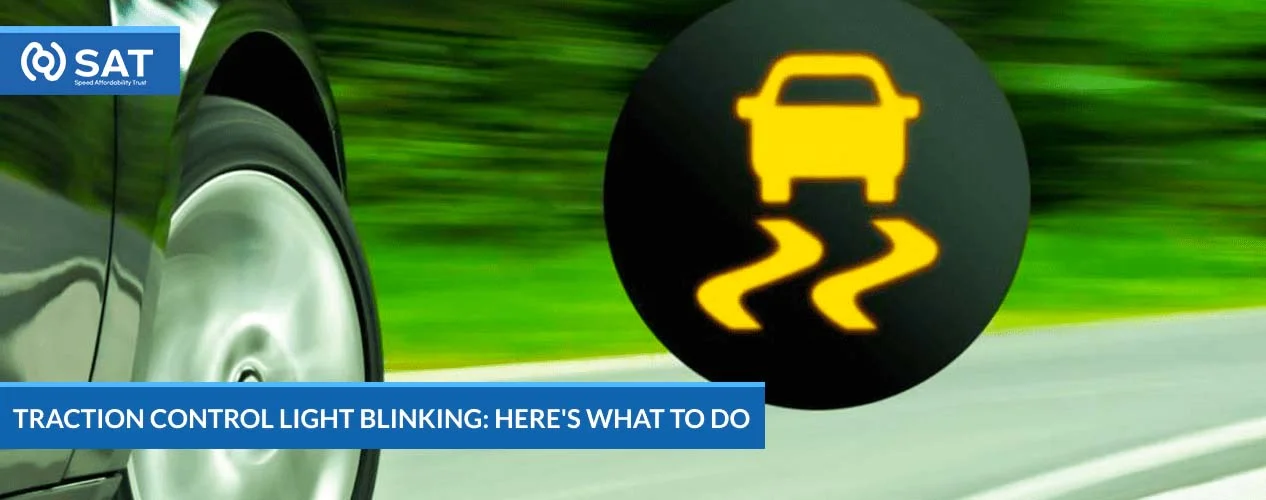
Credit: satjapan.com
Understanding Why Your Ford Won’t Go Into Gear
When your Ford car won’t go into gear, it’s essential to recognize that the problem can originate from multiple systems. Transmission failures are complex and can involve mechanical parts, electrical systems, or even the software controlling modern automatic transmissions.
Mechanical Causes
Mechanical issues are often the most straightforward to diagnose. These include:
- Low or contaminated transmission fluid
- Worn clutch (manual transmission)
- Broken shift linkage
- Damaged synchronizers (manual)
- Internal transmission wear or failure (automatic)
For instance, if the transmission fluid is low or dirty, the hydraulic pressure necessary for gear engagement is compromised. In manual Fords, a worn clutch prevents the transfer of power, while broken linkage can physically block gear shifting.
A deeper look into mechanical failures reveals that even seemingly minor issues like a missing or damaged transmission mount can lead to significant gear engagement problems. Mounts secure the transmission and absorb vibrations; if they fail, misalignment occurs, which can prevent proper gear meshing.
Additionally, internal components such as bands and clutches in automatic transmissions may wear over time, leading to slipping or refusal to engage a gear entirely.
Regular wear and tear on gears, bearings, or the input shaft can also create a scenario where the transmission becomes noisy, grinds when shifting, or refuses to engage altogether. For older vehicles, rust or corrosion on external linkage or cables—especially in regions with harsh winters—can freeze or stiffen movement, making gear selection difficult.
Electrical And Sensor Issues
Modern Ford vehicles are loaded with sensors and electronic controls. Problems in these systems can prevent gear engagement:
- Faulty transmission range sensor (TRS)
- Malfunctioning shift solenoids
- Defective neutral safety switch
- Wiring harness issues
A failed TRS may confuse the vehicle’s computer, making it impossible to detect which gear is selected. Shift solenoids, crucial in automatics, regulate fluid flow to shift gears; a malfunction can block gear changes.
With the increasing complexity of vehicle electronics, other related issues can include corroded or loose electrical connectors, blown fuses, or even faulty control modules. For example, the Transmission Control Module (TCM) acts as the brain of the system, interpreting signals from sensors and executing gear changes.
If the TCM malfunctions or loses communication with other control units due to a faulty CAN bus (Controller Area Network), unpredictable gear behavior or complete gear lockout can result.
Furthermore, intermittent sensor failures, such as those caused by heat or vibration, might not always trigger a dashboard warning light but can still affect shifting. This can make diagnosis more challenging, as the problem may only appear under certain conditions, such as after the vehicle has been driven for an extended period.
Software And Programming Faults
Many recent Ford models rely on software for gear control. Errors, bugs, or corrupted software can cause the transmission to lock out gears entirely. Re-flashing or updating the software may resolve such issues, but diagnosing them requires specialized tools.
Software-related failures are increasingly common as vehicles integrate advanced electronic control systems. Issues may arise after a battery replacement or jump-start, which can corrupt transmission programming or cause the module to lose “learned” shift patterns. In rare cases, aftermarket performance modifications or remote software updates can introduce compatibility problems, manifesting as abrupt shifting, stuck gears, or limp mode.
In some Ford models, especially those with dual-clutch or continuously variable transmissions (CVTs), software calibrations are critical for correct operation. Outdated or incorrect calibrations can cause harsh engagement, unexpected shifts, or total gear loss. For hybrid and electric Ford vehicles, additional software governs the interaction between electric motors and gearboxes, adding another layer of potential complications.
Real-world Example: Ford Fusion (2018)
A 2018 Ford Fusion owner reported inability to shift out of park. Diagnostic tests revealed a faulty shift interlock solenoid—a common issue in newer Fords. Replacement of the solenoid restored normal gear function, demonstrating how a simple electrical component can cause major inconvenience.
In another instance, a Ford Fusion Hybrid from the same model year refused to go into drive after a dead battery. The dealership performed a software re-initialization to restore communication between the hybrid system and the transmission, highlighting the critical role of software integrity in modern vehicles.

Credit: www.hemmings.com
Most Common Causes And How To Identify Them
Identifying why your Ford won’t go into gear starts with systematic observation and diagnosis. Below are the most frequent culprits, along with practical ways to spot them.
Low Or Dirty Transmission Fluid
Low fluid is the top reason for gear engagement failure in automatic Fords. Transmission fluid lubricates, cools, and provides hydraulic pressure. If fluid is low or contaminated, shifting becomes difficult or impossible.
- Signs: Delayed gear engagement, grinding, or slipping.
- How to check: Inspect the transmission dipstick (if equipped) for fluid level and color (should be bright red).
It’s important to note that some newer Ford models have sealed transmissions without a traditional dipstick, making fluid checks more involved. These models may require the vehicle to be level and running, with a specific fill plug removed to check the fluid.
Leaks can occur from pan gaskets, cooler lines, or axle seals, so inspect for drips or wet spots under the vehicle after it’s been parked overnight.
Dirty or burnt-smelling fluid (dark brown or black) suggests internal wear or overheating, signaling the need for immediate service. Ignoring these signs can lead to internal clutch failure, valve body damage, or even a complete rebuild.
Worn Clutch Or Pressure Plate (manual Transmission)
Manual Fords rely on the clutch to disengage gears. Wear or malfunction prevents shifting.
- Signs: Difficulty shifting, grinding, clutch pedal feels loose or hard.
- How to check: Observe pedal feel; listen for noises when shifting.
A worn clutch may also cause the car to creep forward even with the pedal fully depressed. In advanced cases, the clutch may not disengage at all, making it impossible to select any gear. If the clutch pedal feels unusually light or sinks to the floor, check for hydraulic fluid leaks at the master or slave cylinder, as hydraulic failure can mimic mechanical clutch wear.
Faulty Shift Linkage Or Cable
Shift linkage connects the gear lever to the transmission. Bent or broken linkage blocks gear selection.
- Signs: Gear lever moves freely, but gears do not engage.
- How to check: Inspect linkage under the hood or undercarriage for damage.
On many Ford vehicles, the shift cable bushings are made of plastic and can deteriorate with age, leading to sloppy or disconnected feeling at the gear lever. If you notice excessive play or the lever moves with little resistance, inspect the bushings for wear or breakage.
This is a common failure point, especially in vehicles over 100,000 miles.
Transmission Range Sensor (trs) Failure
The TRS tells the computer which gear is selected. Faulty TRS causes miscommunication.
- Signs: Transmission stuck in one gear, warning lights on dash.
- How to check: Scan for error codes using OBD-II scanner.
A failing TRS can also manifest as the vehicle starting in the wrong gear, erratic shifting, or refusal to start at all (since the car may not recognize that it’s in park or neutral). Inconsistent symptoms may appear if the sensor is only intermittently failing, making it critical to scan for error codes even if the problem seems to resolve temporarily.
Shift Interlock Solenoid Issues
This solenoid prevents shifting out of park unless the brake is pressed.
- Signs: Gear lever stuck in park.
- How to check: Listen for click sound when brake pedal is pressed; check brake light function.
Some Ford vehicles are equipped with a manual shift interlock override—usually a small slot or button near the gear lever. Consult your owner’s manual for emergency release procedures if you need to move the car in a pinch. Consistently stuck shift levers may also be a sign of a blown fuse or wiring problem in the brake light circuit.
Real-world Example: Ford F-150 (2015)
A 2015 Ford F-150 owner experienced intermittent failure to shift out of park. Investigation revealed a faulty brake light switch, preventing the shift interlock from releasing. Replacing the switch solved the issue—a reminder that even minor electrical faults can immobilize a vehicle.
Similarly, there are cases where shift linkage bushings fail in high-mileage F-150s, leading to situations where the shifter moves but the transmission does not respond, especially in cold weather.
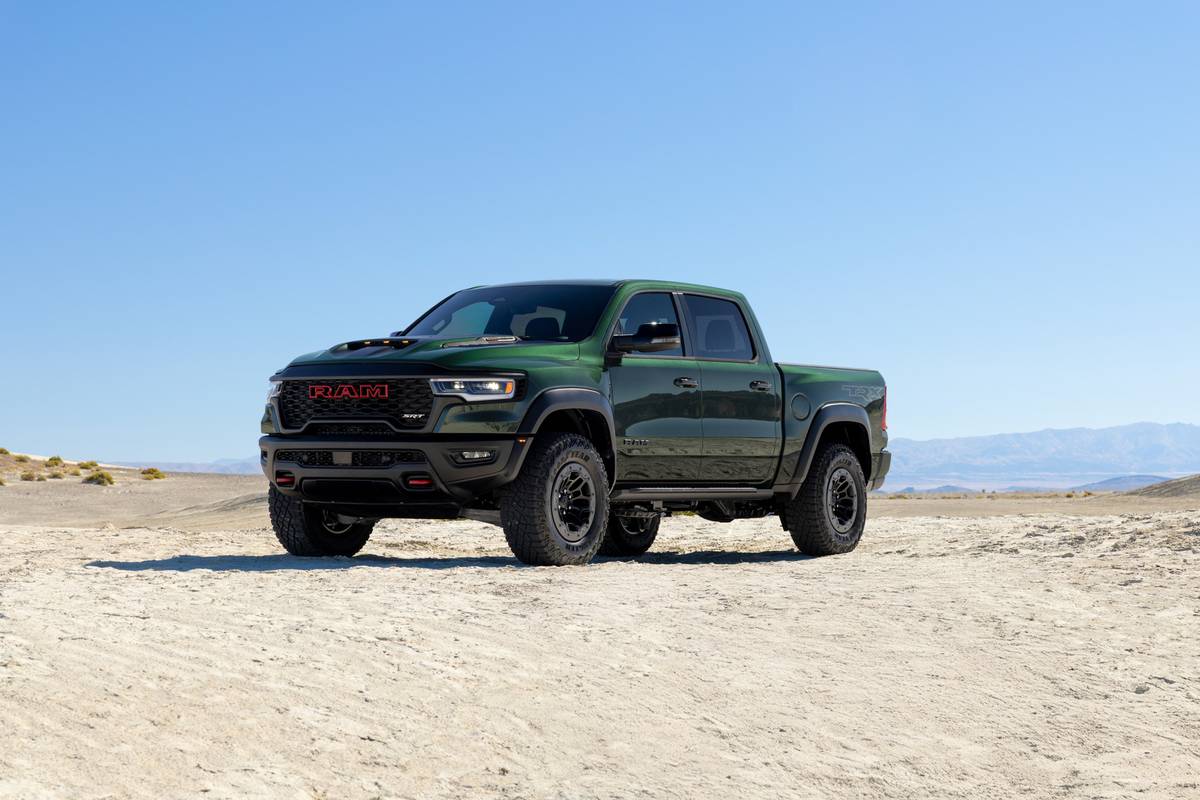
Credit: www.cars.com
Diagnosing Gear Engagement Problems In Ford Cars
Proper diagnosis ensures you don’t waste time or money on unnecessary repairs. Here’s a step-by-step approach:
Step 1: Visual Inspection
- Check fluid levels and condition.
- Inspect linkage, cables, and clutch components for obvious damage.
Visual inspection should include looking for leaks, worn bushings, disconnected cables, or obvious physical damage. For vehicles with high ground clearance, a simple flashlight check under the car can reveal leaks or disconnected parts.
Step 2: Electronic Testing
- Connect an OBD-II scanner to retrieve transmission-related error codes.
- Test sensors and switches (TRS, neutral safety switch, brake light switch).
Advanced OBD-II scanners can read transmission-specific codes and live data, such as shift solenoid operation and gear position feedback. For intermittent issues, consider using a scanner with data-logging capability to capture faults as they occur during driving.
Step 3: Manual Testing
- Attempt to shift gears with engine off and on.
- Listen for abnormal noises (grinding, clicking).
- Observe any dashboard warning lights.
Try shifting with the car both running and off. In manual cars, try engaging gears with the engine off—if the gears engage, but not with the engine running, this points to clutch or hydraulic issues.
Step 4: Professional Diagnosis
If basic checks don’t reveal the problem, consult a Ford-certified technician. They have specialized tools and knowledge to diagnose internal transmission or software faults.
Technicians may use borescopes to inspect internal parts without removing the transmission, or perform pressure tests to assess hydraulic integrity. For electronic or software faults, dealership-level tools can reprogram control modules or perform advanced system resets.
Diagnostic Tools Comparison Table
Below is a comparison of common diagnostic tools used for gear engagement problems:
| Tool Name | Function | Price Range | Best For |
|---|---|---|---|
| OBD-II Scanner | Reads error codes from vehicle computer | $50-$250 | DIY and professional diagnosis |
| Ford IDS (Integrated Diagnostic System) | Advanced diagnostics, programming, live data | $500-$3,000 | Dealerships, certified technicians |
| Multimeter | Tests electrical circuits and sensors | $20-$100 | DIY troubleshooting |
| Transmission Fluid Tester | Checks fluid quality and contamination | $30-$80 | DIY and garage use |
For even more advanced diagnostics, some independent shops use oscilloscopes to test electronic signals in real time, which can be invaluable for tracking down wiring or intermittent sensor problems.
Real-world Example: Ford Escape (2017)
A 2017 Ford Escape owner reported difficulty shifting from park to drive. OBD-II diagnostics revealed P0705 code (TRS fault). Replacing the sensor resolved the issue, confirming the value of electronic testing in modern Ford vehicles.
In addition, another Escape owner with similar symptoms discovered rodent damage to the wiring harness, which was only visible after thorough under-hood inspection. This highlights the importance of checking both electronic and physical components.
Fixes And Repair Options: Diy Vs Professional
Repairing gear engagement issues depends on the underlying cause. Some fixes can be performed at home, while others require professional help.
Diy Fixes
Simple problems, such as low transmission fluid or faulty brake light switches, can often be repaired without expert assistance.
- Refilling transmission fluid: Locate the dipstick, add Ford-approved fluid, and check for leaks.
- Replacing brake light switch: Access the switch near the pedal, unplug, and install a new one.
- Adjusting shift linkage: Tighten or replace linkage bolts as needed.
Other common DIY tasks include replacing worn shift linkage bushings, which are often sold as inexpensive kits, and checking or replacing fuses related to the transmission or brake light circuits. These tasks require basic tools and minimal mechanical experience.
However, always consult your owner’s manual and follow proper safety procedures. For sealed transmissions, fluid changes often require special tools and procedures to avoid over- or under-filling, which can damage the transmission.
Professional Repairs
Complex issues—internal transmission failure, sensor replacement, software updates—demand specialized knowledge and tools.
- Transmission overhaul: Requires removal and disassembly; best left to certified shops.
- Sensor/solenoid replacement: May involve intricate wiring and calibration.
- Software re-flash/update: Performed with dealership-grade diagnostic tools.
In some cases, the repair may involve removing the transmission from the vehicle, a labor-intensive process that usually requires a lift and transmission jack. Modern transmissions are intricate assemblies with tight tolerances; improper assembly can lead to catastrophic failure.
If your Ford requires programming after solenoid or sensor replacement, only a shop with the correct software and subscriptions can perform this work correctly. Always ask for documentation of the update or repair for your records.
Cost Comparison Table: Diy Vs Professional Repairs
| Repair Type | DIY Cost | Professional Cost | Difficulty Level |
|---|---|---|---|
| Transmission Fluid Change | $40-$80 | $120-$250 | Easy |
| Brake Light Switch Replacement | $15-$30 | $80-$150 | Easy |
| Shift Linkage Adjustment | $0-$50 | $100-$300 | Moderate |
| Transmission Range Sensor Replacement | $40-$100 | $200-$400 | Moderate |
| Transmission Overhaul | N/A | $1,500-$4,000 | Hard |
Keep in mind that these are typical ranges; costs may vary by region, model, and shop rates. Always obtain a written estimate before authorizing repairs.
Real-world Example: Ford Mustang (2016)
A 2016 Ford Mustang owner attempted to replace a faulty shift solenoid at home, but ran into calibration issues requiring dealership intervention. This underscores the importance of recognizing the limits of DIY repairs, especially with modern transmissions.
In another case, a Mustang owner successfully replaced worn shift linkage bushings at home for less than $20, restoring smooth gear operation—demonstrating that some repairs are well within reach for skilled DIYers.
Preventing Gear Engagement Issues: Maintenance And Best Practices
Prevention is always better than cure. By following recommended maintenance practices, you can minimize the risk of gear engagement problems in your Ford.
Regular Transmission Fluid Checks
- Check fluid every 30,000 miles or per Ford’s manual.
- Use only Ford-approved fluid for your model.
- Look for signs of contamination—burnt smell, dark color.
Proactively replacing transmission fluid and filter helps remove debris and prevent wear. If you tow heavy loads, drive in extreme temperatures, or frequently sit in traffic, consider more frequent fluid changes.
Scheduled Transmission Service
- Have your transmission inspected and serviced by professionals at regular intervals.
- Replace filters and seals as recommended.
A professional service includes checking for software updates, performing road tests, and inspecting for leaks or early signs of wear. Most shops offer a multi-point inspection, which can catch issues before they become major failures.
Software Updates And Recalls
- Monitor for Ford-issued recalls or software updates.
- Update transmission software at the dealership to fix bugs.
Dealerships can check for technical service bulletins (TSBs), which may address known shifting problems or recommend preventive measures. Staying current with software ensures compatibility and optimal performance.
Safe Driving Habits
- Avoid aggressive gear changes and rapid acceleration.
- Don’t shift gears while the car is moving unless designed for it.
When parking, always ensure the car is at a complete stop before shifting to park or reverse to avoid damaging the transmission. For manual transmissions, avoid riding the clutch or holding the car on a hill with the clutch pedal.
Early Warning Signs
- Watch for delayed gear engagement, slipping, grinding, or dashboard warning lights.
- Address issues promptly to prevent more costly repairs.
Minor symptoms often precede major failures. For example, a slight delay in reverse engagement could foreshadow an internal seal or fluid problem.
Ford Maintenance Resources
For official guidelines, refer to Ford Owner Maintenance and your vehicle’s manual.
When To Seek Professional Help: Signs And Risks
Some gear engagement issues are minor, but others indicate severe transmission problems requiring immediate attention.
Signs You Need A Technician
- No gears engage at all (complete transmission failure)
- Repeated gear slipping or harsh shifting
- Burning smell from transmission
- Metal shavings in fluid
- Multiple warning lights on dashboard
If your vehicle enters “limp” mode, restricting you to one gear, this is a sign of a serious control or internal fault. Continuing to drive may damage internal components further.
Risks Of Delaying Repairs
- Transmission damage: Continued driving with faulty gears can cause irreversible damage.
- Safety hazards: Loss of gear control can lead to accidents.
- Increased costs: Minor issues can escalate to major repairs if ignored.
In some cases, ignoring warning signs like burning smells or metal shavings can lead to catastrophic transmission failure, requiring a full replacement rather than a minor repair.
Choosing A Repair Shop
- Look for Ford-certified mechanics with experience in your specific model.
- Ask for diagnostic reports and cost estimates.
- Check reviews and certifications (ASE, BBB).
A reputable shop should provide a clear explanation of the problem and the proposed solution. Don’t hesitate to get a second opinion for major repairs.
For more information, visit ASE Certified Mechanics.
Real-world Example: Ford Explorer (2019)
A 2019 Ford Explorer owner ignored repeated gear slipping and delayed engagement. Ultimately, the transmission failed, resulting in a $3,800 repair bill. Early intervention could have reduced the cost to less than $400 for a sensor replacement.
Another Explorer owner with similar symptoms caught the problem early and avoided catastrophic failure through a timely fluid change and sensor replacement, highlighting the value of preventive action.
Comparing Ford Transmission Issues To Other Brands
Gear engagement problems are not unique to Ford, but certain models have specific vulnerabilities. Comparing Ford to other brands highlights both strengths and weaknesses.
Ford Vs Toyota
- Ford: More frequent electronic sensor failures (TRS, solenoids).
- Toyota: Higher incidence of mechanical wear in older models.
- Ford offers more software-based solutions; Toyota relies on mechanical fixes.
Toyota’s reputation for transmission reliability is well-earned but not infallible—older Corollas and Camrys can develop gear selection issues if fluid changes are neglected. Ford, meanwhile, invests heavily in electronic controls, which provide smoother shifts but can be more sensitive to sensor and software faults.
Ford Vs Chevrolet
- Ford: Complex shift interlock systems in newer models.
- Chevrolet: Simpler shift linkage, easier DIY repairs.
- Both brands have similar costs for major transmission repairs.
Chevrolet’s simpler designs can make certain repairs more accessible for DIY mechanics, but both brands require professional attention for major internal issues. In terms of recall response, Ford often issues more technical service bulletins addressing software or electronic faults.
Data Table: Transmission Failure Rates (2019-2026)
| Brand | Annual Transmission Failure Rate (%) | Most Common Issue |
|---|---|---|
| Ford | 1.8 | Sensor/Electrical |
| Toyota | 1.3 | Mechanical Wear |
| Chevrolet | 2.1 | Shift Linkage |
| Honda | 1.2 | Fluid Contamination |
For detailed reliability data, see Consumer Reports Reliability Guide.
Additional Insights
Honda’s lower failure rate is attributed to robust mechanical designs and more conservative shift programming, but fluid contamination remains an issue if maintenance schedules are ignored. Ford’s higher rate of electronic faults is a byproduct of their advanced shift-by-wire systems, which offer better fuel economy and faster shifts but require meticulous maintenance.
Ford Model-specific Transmission Issues
Certain Ford models are more prone to specific gear engagement problems. Knowing these can help target diagnosis and repairs.
Ford Focus (2012-2018)
- PowerShift transmission: Known for clutch and software faults.
- Symptoms: Jerky shifting, failure to engage gear, warning lights.
- Solution: Software update or clutch replacement.
PowerShift-equipped Focus models are infamous for shuddering, hesitation, and even lawsuits over their dual-clutch design. Ford has issued multiple TSBs and extended warranties for affected vehicles. In some cases, complete transmission replacement is required.
Ford F-150 (2011-2020)
- Shift interlock and sensor issues.
- Symptoms: Stuck in park, intermittent gear engagement.
- Solution: Replace brake light switch, adjust linkage.
Later-model F-150s with 10-speed automatics have also experienced TSBs related to harsh shifting and delayed engagement, often fixed with software updates. Regularly checking for software and recall updates is essential for these models.
Ford Escape (2013-2019)
- TRS and solenoid failures.
- Symptoms: Gear stuck, delayed engagement.
- Solution: Replace sensor or solenoid.
Some Escapes also suffer from leaky transmission coolers, which can lead to fluid loss and subsequent gear engagement problems. A visual check of the transmission cooler and lines is advised during routine maintenance.
For recalls and technical service bulletins, check NHTSA.
Ford Explorer (2011-2026)
- Internal transmission failures.
- Symptoms: No gear engagement, grinding noises.
- Solution: Transmission overhaul.
The Explorer’s six-speed automatics are known for torque converter failures and worn internal clutches, which can lead to sudden loss of drive. Early warning signs include shuddering or whining noises on acceleration.
How Ford Handles Transmission And Gear Engagement Recalls
Ford has issued several recalls related to transmission and gear engagement issues. Understanding their recall process can help you get repairs covered.
Notable Recalls
- 2012-2018 Ford Focus PowerShift: Clutch and software recall.
- 2015-2017 Ford F-150: Transmission shift linkage recall.
- 2013-2019 Ford Escape: TRS recall.
These recalls often result from NHTSA investigations or widespread consumer complaints, and repairs are typically performed at no charge to the owner.
Recall Process
- Ford notifies owners via mail or email.
- Repairs performed free at authorized dealerships.
- Recall status can be checked online using VIN.
If you suspect your vehicle is affected but haven’t received a notice, visit Ford’s recall website or contact your local dealer. Make sure your contact information is up to date in Ford’s system to receive timely notifications.
For recall info, visit Ford Recall Center.
Real-world Example: Ford Focus (2015)
A 2015 Ford Focus owner received a recall notice for PowerShift transmission. Dealership performed software update and clutch replacement at no charge, resolving gear engagement issues.
Other owners have received extended warranties for transmission components as part of class action settlements, so it’s worth inquiring about goodwill repairs if your Ford is out of warranty.
Frequently Asked Questions
What Causes A Ford Car Not To Go Into Gear?
The most common causes include low transmission fluid, worn clutch, faulty shift linkage, malfunctioning sensors (such as the TRS), and software faults. Mechanical, electrical, and software issues can all play a role.
Can I Fix Gear Engagement Issues Myself?
Some issues, like low fluid or a faulty brake light switch, are fixable at home. However, internal transmission faults, sensor replacement, and software updates usually require professional assistance.
How Much Does It Cost To Repair Ford Transmission Gear Problems?
Repair costs range from $40 (DIY fluid change) to $4,000 (professional transmission overhaul). Most sensor or linkage repairs cost between $100-$400 at a shop. Always request a diagnostic report and estimate before proceeding.
Are Ford Transmission Recalls Common?
Yes, Ford has issued several recalls for transmission and gear engagement issues, especially in models with PowerShift transmission. Check your VIN at the official Ford Recall Center for updates.
What Are The Risks Of Driving With Gear Engagement Problems?
Driving with gear engagement issues can cause further transmission damage, create safety hazards, and lead to higher repair costs. Address problems promptly to avoid costly repairs and unsafe driving conditions.
Ford cars are engineered for reliability, but gear engagement issues can still disrupt your driving experience. By understanding the mechanical, electrical, and software causes—and knowing how to diagnose and repair them—you can minimize downtime and expense. Regular maintenance, prompt attention to warning signs, and leveraging Ford’s recall programs are your best strategies for keeping your vehicle running smoothly. For more resources, explore Ford Motor Company and CarComplaints.com for up-to-date information. Stay informed, act quickly, and enjoy worry-free driving in your Ford.
Products related to this article
Sponsored / affiliate links. As an Amazon Associate I earn from qualifying purchases. I may earn additional commission from eligible campaigns.