When to Use Car Lights: Day
Driving during daylight hours may seem straightforward, but knowing when to use car lights during the day is essential for safety, legal compliance, and effective communication with other road users. While most drivers associate headlights and other lights with nighttime or poor weather, the strategic use of car lights in daylight can dramatically reduce accidents and improve visibility. Many regions enforce specific rules regarding daytime light usage, and modern vehicles often incorporate technologies to help drivers comply. Understanding the nuances of daytime car light usage is not just about following the law, it’s about adopting smarter, safer driving habits.
This article explores the critical moments and conditions when using car lights during the day makes a difference, supported by real-world examples, data comparisons, and actionable guidance. From foggy mornings to highway travel, we’ll examine the types of lights you should use, why they matter, and how to avoid common mistakes.
Whether you’re a new driver or a seasoned professional, mastering daytime light protocols enhances your safety and that of others on the road.
Key Takeaways
- Daytime car lights significantly improve visibility and reduce accident risk, especially in poor weather.
- Legal requirements for daytime light usage vary by region, making awareness crucial for compliance.
- Daytime Running Lights (DRLs) are increasingly standard and provide automatic safety benefits.
- Using headlights during the day is essential in specific scenarios, such as tunnels, construction zones, and rural roads.
- Proper light usage communicates intent and presence to other drivers, cyclists, and pedestrians.
- Modern vehicles offer advanced lighting features to support safe daytime driving.
Credit: guidetoiceland.is
Understanding Car Light Types
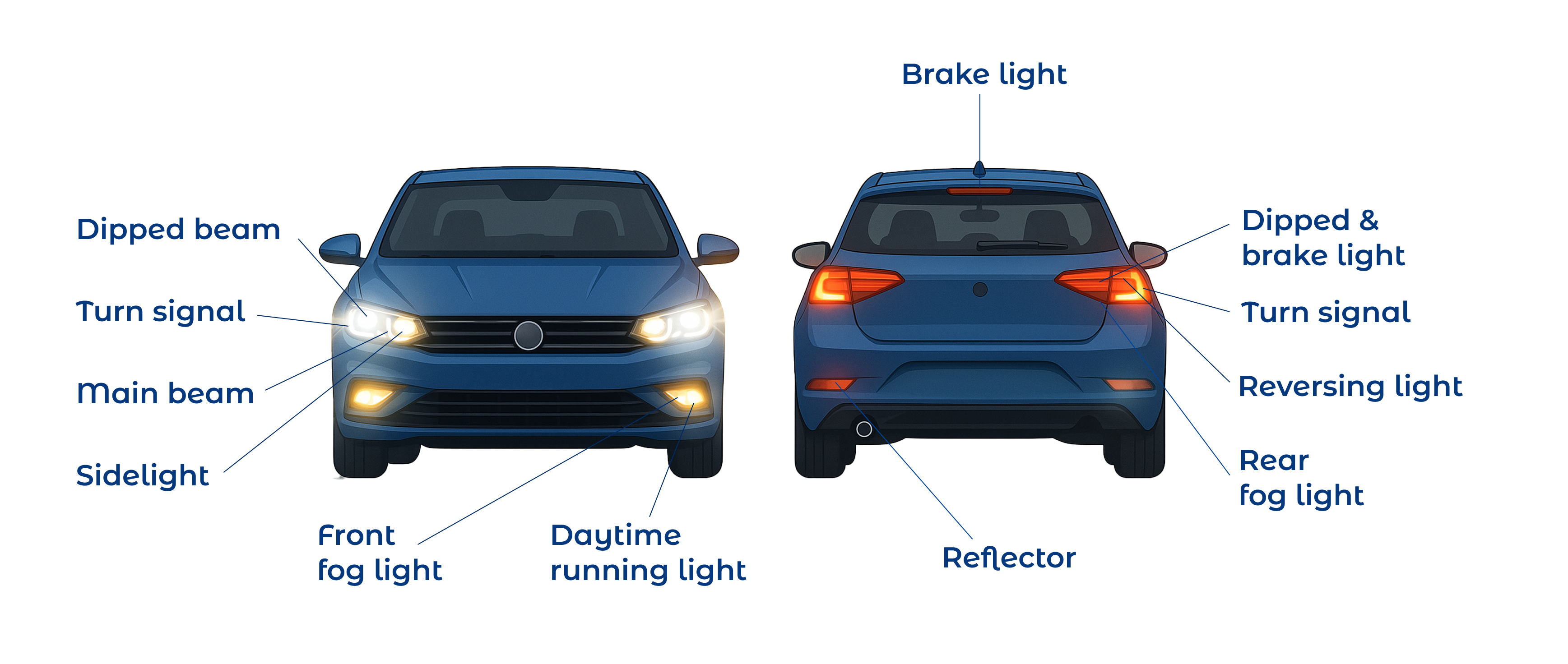
Car lights serve various functions, each designed to address specific visibility needs. Knowing the types of car lights and their purposes is fundamental to using them correctly during the day.
Headlights
Headlights are the primary front-facing lights used to illuminate the road ahead. Modern vehicles often have automatic headlight systems, but manual control is still crucial in certain situations. Headlights are typically divided into:
- Low beam: For regular driving and when approaching other vehicles.
- High beam: For enhanced visibility in low-traffic areas, but not suitable during daylight except in rare situations.
Daytime Running Lights (drls)
Daytime Running Lights are designed to increase a vehicle’s visibility during daylight. Unlike headlights, DRLs are not intended to illuminate the road but to make the vehicle more noticeable to others. Many countries mandate DRLs for new cars, and studies have shown a reduction in daytime accidents with their use.
Fog Lights
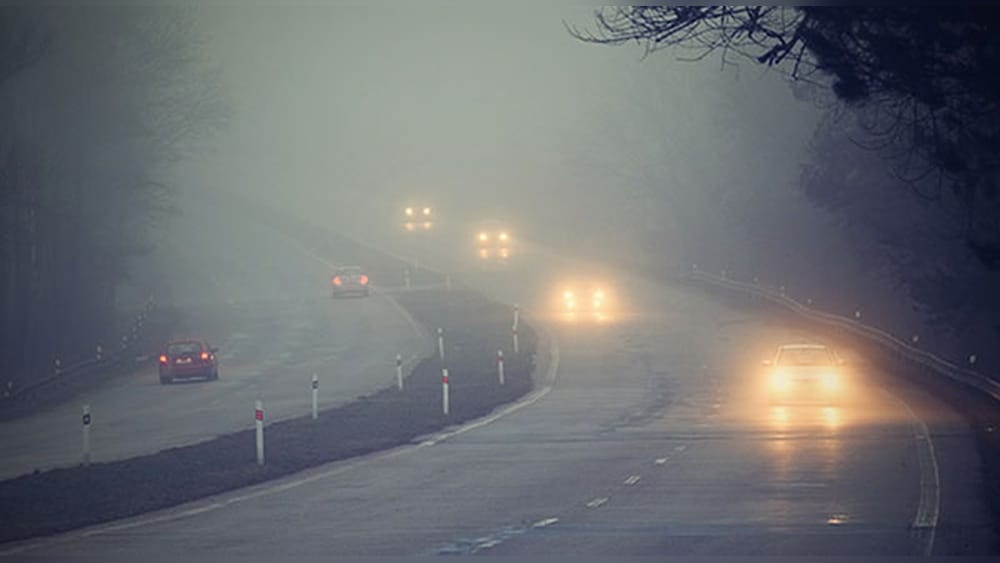
Fog lights provide a low, wide beam to cut through fog, heavy rain, or snow. While fog lights are typically used in poor weather, there are situations during the day where their use is beneficial.
Turn Signals And Hazard Lights
Turn signals indicate direction changes, while hazard lights signal emergencies or temporary stops. Using these lights during the day enhances communication and safety, especially in heavy traffic or unexpected situations.
Brake Lights
Brake lights alert drivers behind you when you slow down or stop. They are always active when braking, regardless of the time of day.
Comparison Table: Car Light Functions
| Light Type | Primary Function | Daytime Use Cases | Legal Requirement (Typical) |
|---|---|---|---|
| Headlights (Low Beam) | Illuminate road ahead | Rain, tunnels, rural roads | Yes (in specific conditions) |
| Daytime Running Lights (DRLs) | Increase visibility | All daylight driving | Yes (many regions) |
| Fog Lights | Penetrate fog/mist | Heavy fog, snow, dust | Yes (weather-dependent) |
| Turn Signals | Indicate turns/lane changes | All turns/lane changes | Yes |
| Hazard Lights | Signal emergency/stop | Breakdown, sudden stops | Yes (in emergencies) |
| Brake Lights | Alert rear drivers | All braking | Yes |
Example: Modern Vehicles With Drls
Many vehicles manufactured after 2011 are equipped with automatic DRLs. According to the National Highway Traffic Safety Administration (NHTSA), DRLs help reduce daytime collisions by increasing vehicle visibility. In my experience, driving a 2016 Honda Accord with DRLs noticeably improved how quickly other drivers noticed me during overcast mornings.
Legal Requirements For Daytime Car Light Use
Understanding the legal framework is crucial for compliance and safety. Regulations differ significantly between countries and even states.
United States
In the US, laws vary by state. Some states require headlights when visibility is less than 500 feet, during rain, or when windshield wipers are in use. For example, California mandates headlights if weather reduces visibility or when driving through tunnels.
Europe
The European Union requires DRLs on all new vehicles since 2011. Countries such as Sweden have enforced daytime headlight use for decades, resulting in lower accident rates.
Canada
Canada has required DRLs on all new vehicles since 1989. Studies by Transport Canada showed a 5-10% reduction in daytime accidents after implementing DRL mandates.
Comparison Table: Daytime Light Laws By Region
| Region | DRL Mandate | Headlight Requirement | Weather-specific Rules |
|---|---|---|---|
| United States | Partial (new cars) | State-dependent | Rain, fog, tunnels |
| European Union | Yes (all new cars) | Yes (many countries) | Fog, tunnels |
| Canada | Yes (all new cars) | Yes (certain provinces) | Rain, snow, fog |
| Australia | No | Yes (when visibility low) | Rain, fog, dusk |
Warning: Ignoring Legal Requirements
Failure to comply with daytime car light laws can result in fines or increased liability in accidents. Always check local regulations before driving in a new region.
Credit: www.carvolution.com
When Should You Use Car Lights During The Day?
Knowing the right moments to activate car lights during daylight is a matter of both safety and legal necessity. Below are key scenarios where daytime light usage is essential.
Poor Weather Conditions
- Rain: Headlights are required in most US states when using windshield wipers. Visibility decreases, making lights crucial.
- Fog: Use fog lights and low beams to maximize visibility without causing glare.
- Snow/Hail: Both headlights and fog lights can help other drivers see you.
Tunnels And Underpasses
Even during the day, tunnels and underpasses can be dark or shadowed. Headlights are mandatory in most regions to prevent accidents.
Rural And Tree-lined Roads
Dense foliage and winding rural roads often create shaded areas that reduce visibility. Using headlights helps you stand out, especially to oncoming traffic.
Construction Zones
Many road construction zones require headlights at all times for worker safety and enhanced visibility.
School Zones And Pedestrian Areas
Headlights and hazard lights improve visibility in areas with frequent pedestrian activity, reducing the risk of accidents.
Example: Highway Construction Zone
While driving through a highway construction zone in Georgia, I noticed workers waving at cars that didn’t have their headlights on. The use of headlights was clearly posted, but not all drivers complied. Vehicles with headlights were more visible to workers and other drivers, minimizing near-miss incidents.

Credit: thechristmaslightemporium.com
Benefits Of Using Car Lights During Daylight
Daytime light usage offers multiple benefits beyond legal compliance. These advantages are supported by research and real-world outcomes.
Enhanced Visibility
Studies by the Insurance Institute for Highway Safety (IIHS) show that vehicles with DRLs are 12% less likely to be involved in daytime multi-vehicle collisions. Increased visibility is particularly important on highways and rural roads.
Accident Reduction
Transport Canada reported that mandatory DRLs led to a significant drop in daytime accidents. The visibility effect is most pronounced in poor weather or low-light conditions.
Improved Communication
Using turn signals and hazard lights during the day communicates your intentions, helping prevent misunderstandings and crashes.
Safety For Vulnerable Road Users
Pedestrians, cyclists, and motorcyclists benefit from increased vehicle visibility. According to the World Health Organization, pedestrian fatalities are reduced when vehicles use lights during the day.
Example: Cyclist Safety
A 2020 study by the European Transport Safety Council found that cyclists are 30% more likely to notice vehicles with DRLs compared to those without. In my experience as a cyclist, vehicles with lights are far easier to spot, especially when approaching intersections.
Pro Tip:
Activating headlights even in slightly dim conditions (overcast, shaded roads) can prevent accidents by making your vehicle more noticeable.
Common Mistakes And How To Avoid Them
Despite technological advances, many drivers misuse or neglect their car lights during the day. Avoiding these mistakes can improve safety and compliance.
Forgetting To Activate Headlights
Automatic systems may not engage headlights in all conditions. Manually turning on headlights in adverse weather, tunnels, or shaded areas is essential.
Using High Beams During Daylight
High beams can cause glare and are ineffective during daylight. Stick to low beams and fog lights when required.
Relying Solely On Drls
DRLs may not activate rear lights. In rain or fog, use full headlights to ensure visibility from all angles.
Misuse Of Hazard Lights
Hazard lights should only be used in emergencies or when stopped. Overuse can confuse other drivers and reduce their effectiveness.
Example: Rear Light Visibility
A common error is relying on DRLs in heavy rain, which often leaves rear lights off. This makes vehicles nearly invisible from behind, increasing collision risk.
Warning: Inadequate Rear Visibility
Always ensure rear lights are on during poor weather. Many accidents occur because drivers are visible from the front but not the rear.
Technological Advances In Daytime Light Usage
Modern vehicles feature innovative lighting technologies to support safer daytime driving. Understanding these systems can help you maximize their benefits.
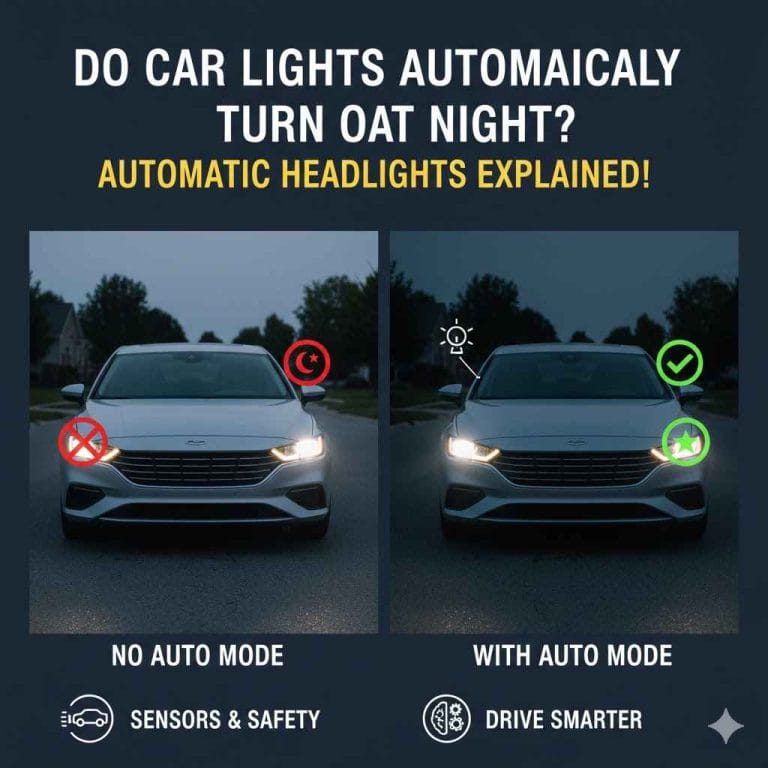
Automatic Headlight Systems
Sensors detect ambient light and activate headlights when necessary. However, these systems are not foolproof, manual override is sometimes needed.
Adaptive Lighting
Adaptive headlights adjust beam intensity and direction based on speed, steering, and weather conditions, improving safety in variable environments.
Integrated Drls
DRLs are designed to operate continuously during daylight, increasing visibility without driver input. Many manufacturers now use LED DRLs for greater effectiveness.
Smart Hazard Systems
Some vehicles use automated hazard lights during sudden braking or collision events, alerting nearby drivers instantly.
Comparison Table: Modern Lighting Features
| Feature | Function | Daytime Benefit | Manual/Automatic |
|---|---|---|---|
| Automatic Headlights | Activate based on ambient light | Ensures compliance | Automatic (manual override) |
| Adaptive Headlights | Adjust beam direction/intensity | Improved visibility in curves | Automatic |
| LED DRLs | Continuous daytime illumination | Enhanced vehicle visibility | Automatic |
| Smart Hazard Lights | Activate during emergencies | Quick alert to others | Automatic |
Example: Led Drls On New Cars
A 2026 Toyota Camry features LED DRLs that automatically turn on with ignition, providing clear visibility from over 1,000 feet away according to Toyota’s specifications.
Real-world Examples And Case Studies
Examining real-world situations highlights the importance of daytime light usage. These examples demonstrate how proper lighting can prevent accidents and improve safety.
Case Study: Rainstorm On Interstate 95
During a heavy rainstorm on Interstate 95, vehicles with headlights were visible from a distance, while those without lights appeared suddenly and dangerously close. State troopers pulled over several drivers for non-compliance, emphasizing the importance of headlights in rain.
Example: School Zone Safety
In a suburban school zone, a driver used hazard lights while stopping for children crossing. This signaled to other drivers to slow down and watch for pedestrians, preventing confusion and near-miss incidents.
Case Study: Tunnel Accident In Europe
A 2019 accident in a French tunnel involved several cars without headlights. Investigation found that lack of lighting contributed to the collision, leading to stricter enforcement of tunnel light laws.
Practical Tips For Daytime Car Light Usage
Adopting best practices ensures you use car lights effectively during daylight.
1. Check Local Laws
Review regulations before traveling, especially across state or national borders.
2. Use Headlights In Poor Weather
Turn on low beams during rain, fog, or snow, regardless of DRL presence.
3. Activate Lights In Tunnels/underpasses
Headlights should be used even in short tunnels or shaded underpasses.
4. Monitor Automatic Systems
Don’t rely solely on automation; check lights manually when conditions change.
5. Communicate Clearly
Use turn signals and hazard lights proactively to signal intentions.
6. Maintain Lighting Systems
Regularly inspect bulbs, lenses, and connections to ensure functionality.
7. Upgrade To Led Or Adaptive Systems
Consider upgrading older vehicles with modern lighting for improved safety.
Frequently Asked Questions
What Are Daytime Running Lights (drls) And Why Are They Important?
Daytime Running Lights are front-facing lights that automatically activate when the vehicle is running. Their main purpose is to make vehicles more visible during daylight, reducing the likelihood of accidents. Unlike headlights, DRLs don’t illuminate the road but increase the vehicle’s profile to other drivers, cyclists, and pedestrians.
Are There Situations Where Headlights Should Be Used During The Day Even If Visibility Seems Good?
Yes. Headlights should be activated in tunnels, construction zones, rural roads with heavy shade, and school zones even if visibility appears adequate. These environments can have sudden changes in lighting or unexpected obstacles, making headlights essential for ensuring you’re seen by others.
Can I Get Fined For Not Using Car Lights During The Day?
In many regions, yes. For example, California and some European countries impose fines for non-compliance with daytime light usage laws, especially in poor weather or tunnels. Always check local regulations to avoid penalties and ensure safety.
Do Automatic Lighting Systems Eliminate The Need To Manually Turn On Lights?
Automatic lighting systems are helpful, but they may not respond to all conditions, such as sudden weather changes or shaded rural roads. It’s important to manually check and activate lights when needed, especially in environments where automation may not detect the need.
How Can I Ensure My Lights Are Functioning Properly For Daytime Use?
Regular maintenance is key. Inspect bulbs, lenses, and wiring monthly. Replace any faulty bulbs promptly and clean lenses to prevent dirt and fogging. If your vehicle has DRLs or adaptive systems, consult your owner’s manual for specific maintenance guidelines.
Driving safely during daylight is more than just keeping your eyes on the road. By understanding when to use car lights during the day, you contribute to safer roads, better communication, and lower accident rates. Whether facing poor weather, navigating tunnels, or simply ensuring visibility in shaded areas, proper light usage protects you and everyone around. Remember to check local laws, maintain your lighting systems, and use technology wisely for optimal safety.
Products related to this article
Sponsored / affiliate links. As an Amazon Associate I earn from qualifying purchases. I may earn additional commission from eligible campaigns.