When a Tire Cannot Be Repaired: Signs You Need New One
Tires are the unsung heroes of every journey, connecting us to the road and ensuring safety, stability, and performance. Yet, all tires reach a point when repair is no longer an option, and a replacement becomes necessary. Recognizing the signs of irreparable damage can save you from unexpected blowouts, costly roadside emergencies, and even accidents.
Whether you’re a daily commuter or a weekend road tripper, understanding these signs is crucial for your safety and peace of mind.
Despite advances in tire technology and repair methods, certain types of damage simply cannot be fixed. Many drivers overlook subtle cues and continue driving on compromised tires, risking severe consequences. This article explores the critical indicators that signal when a tire cannot be repaired, supported by data, real-world examples, and actionable advice.
By the end, you’ll be equipped to make informed decisions and maintain the highest standards of vehicle safety.
Key Takeaways
- Irreparable tire damage includes sidewall punctures, large tread gashes, and exposed cords.
- Tread depth below 2/32 inch is legally unsafe and signals the need for replacement.
- Severe dry rot, age, or bulges often render tires unfit for repair.
- Professional inspections are essential for ambiguous cases.
- Ignoring warning signs can lead to blowouts, accidents, and legal liabilities.
- Choosing the right tire replacement improves safety, performance, and fuel efficiency.

Credit: www.youtube.com
Understanding Tire Repair Limits
Not all tire damage is created equal. While some punctures and wear can be safely repaired, others compromise structural integrity and safety. Understanding the nuances of tire damage is essential for every driver, as it can make the difference between a minor inconvenience and a life-threatening situation.
Types Of Tire Damage
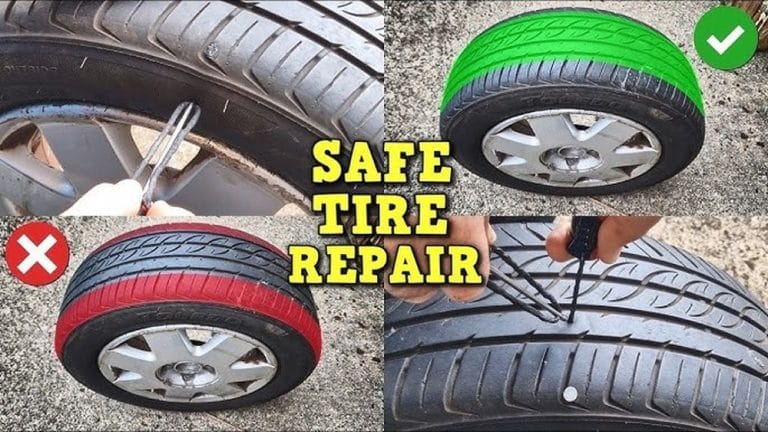
- Punctures: Small, localized holes in the tread caused by nails or sharp objects. These are the most common form of damage and are often the easiest to repair if they meet certain criteria.
- Cuts and Gashes: Deep incisions, often from road debris, which may extend into the tire structure. Cuts and gashes pose a greater risk, especially if they extend beyond the tread into the sidewall or shoulder area.
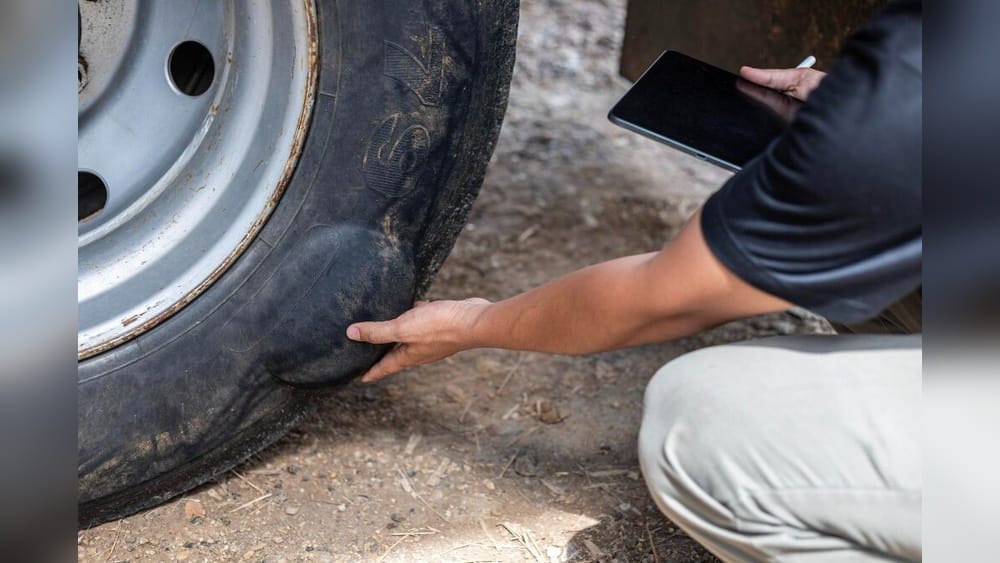
- Sidewall Damage: Bulges, cracks, or cuts on the tire’s side, a critical area for strength. The sidewall flexes constantly as you drive, so any compromise here can lead to catastrophic failure.
- Tread Wear: Reduced tread depth, uneven wear, or exposed steel cords. Tread is essential for grip and water displacement; excessive wear severely diminishes performance and safety.
Repairable Vs. Irreparable Damage
Tire repairability depends on the location, size, and severity of the damage. According to the U.S. Tire Manufacturers Association, only punctures up to 1/4 inch in diameter in the tread area are repairable. Sidewall or shoulder damage, large gashes, and multiple repairs in the same area are not considered safe for repair.
It’s important to note that even if the visible damage appears minor, the internal structure of the tire may be compromised in ways that are not immediately obvious. For instance, a small puncture in the tread might seem insignificant but, if left unattended, could allow moisture to penetrate, leading to rust and weakening of the steel belts within the tire.
This is why professional assessment is always recommended.
Professional Assessment
A trained technician uses specialized tools to inspect:
- Internal structure: Checking for hidden damage using visual inspection and sometimes X-ray or ultrasound methods for commercial or high-value tires.
- Tread depth: Using a gauge to measure wear at multiple points around the tire to identify uneven wear patterns.
- Sidewall integrity: Looking for bulges, cracks, or cuts that may indicate internal separation or impact damage.
Real-world Example: Commuter’s Flat Tire
John, a daily commuter, experienced a flat tire due to a nail. The puncture was within the tread, less than 1/4 inch, and no internal damage was found. The tire was safely patched. Contrast this with Emily’s tire, which suffered a sidewall cut from a curb impact; her tire was deemed irreparable and replaced.
The consequences of ignoring professional advice can be severe. For example, some drivers attempt to repair sidewall punctures using DIY kits or unconventional methods. These “fixes” may hold temporarily but often fail under pressure, leading to blowouts.
| Damage Type | Location | Repairable? | Recommended Action |
|---|---|---|---|
| Puncture | Tread | Yes (if <1/4”) | Patch/Plug |
| Puncture | Sidewall | No | Replace |
| Cut/Gash | Tread | Depends on depth | Inspect/Replace |
| Bulge | Sidewall | No | Replace |

Credit: www.kbb.com
Signs A Tire Cannot Be Repaired
Certain warning signs indicate that repair is no longer viable, and a new tire is necessary. Understanding these signs can help you avoid dangerous situations and unnecessary repairs.
Sidewall Damage
The sidewall is the tire’s structural backbone. Any puncture, bulge, or crack here compromises the tire’s strength, making repair unsafe.
- Bulges: Indicate internal air escape, usually from impact. The air forces the inner liner to separate from the outer layers, creating a weak spot vulnerable to rupture.
- Deep Cuts: Sidewall cuts cannot be patched. Even if a cut seems minor, the flexing action of the sidewall while driving will worsen the condition rapidly.
- Cracks: Often from aging, leading to sudden failure. Cracks can appear due to ozone, UV exposure, or simply the natural breakdown of rubber compounds over time.
A tire with any of these sidewall issues should be replaced immediately. Attempting to drive on such a tire is extremely risky, especially at highway speeds or under heavy vehicle loads.
Tread Wear Beyond Safe Limits
The legal minimum tread depth in the US is 2/32 inch. Tires worn below this are hazardous, especially in wet conditions. Even if you rarely drive in rain, low tread depth increases the risk of punctures and reduces overall grip.
- Uneven wear: Caused by misalignment, over/under inflation, or mechanical issues such as worn suspension components. Uneven tread can also indicate underlying problems that need to be addressed.
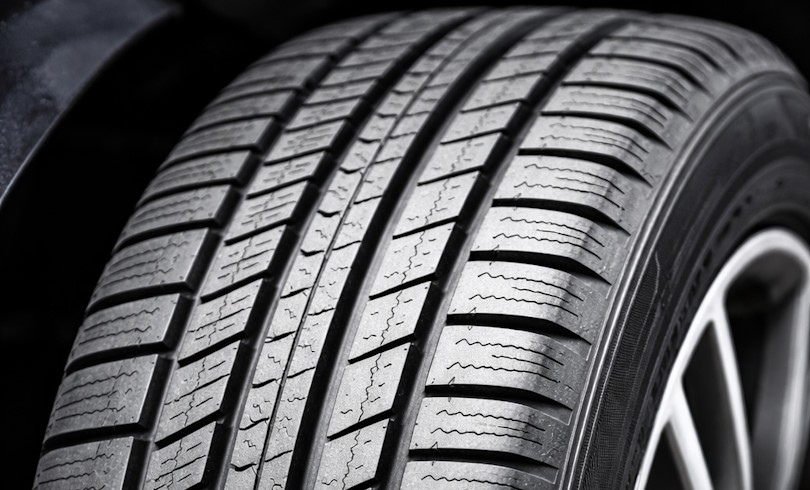
- Visible wear indicators: Bars molded into the tread show when replacement is needed. These indicators become flush with the tread at 2/32 inch, serving as a clear visual cue.
Data: Tread Depth And Stopping Distance
According to a study by the National Highway Traffic Safety Administration (NHTSA), tires with tread below 2/32 inch increase stopping distances by up to 50% on wet roads. This significantly increases your risk of rear-end collisions and loss of vehicle control in emergency situations.
| Tread Depth | Stopping Distance (Wet, 60 mph) | Risk Level |
|---|---|---|
| 8/32 inch (new) | 185 ft | Low |
| 4/32 inch | 220 ft | Moderate |
| 2/32 inch | 275 ft | High |
Exposed Cords Or Steel Belts
If the steel cords or belts are visible, the tire’s internal structure is compromised. No repair can restore safety in such cases. Exposed cords typically result from severe tread wear or from running a tire underinflated, causing the rubber to wear away quickly.
Visible cords are not just a sign of advanced tire age—they are a sign of imminent failure. Continuing to drive on a tire in this condition is extremely dangerous.
Age And Dry Rot
Tires degrade over time, even if tread remains. Dry rot appears as cracking, often due to UV exposure and ozone. Older tires lose their flexibility, making them more prone to blowouts even if tread depth appears adequate.
- Rubber hardening: This reduces the tire’s ability to grip the road and absorb impacts.
- Cracks throughout tread and sidewall: These cracks may start small but can grow quickly, especially under stress.
- Rubber flaking or crumbling: Sometimes the tire surface will start to peel away, indicating severe deterioration.
The Rubber Manufacturers Association recommends replacing tires older than six years, regardless of appearance. Many vehicle manufacturers, including major brands like Ford and Toyota, suggest a maximum tire age of 6-10 years, even if the tire appears visually intact.
Multiple Repairs Or Patch Overlap
A tire with several patches, especially in close proximity, loses structural integrity. Overlapping repairs may fail under stress, making replacement the safest option. Each repair affects the tire’s ability to flex and maintain internal air pressure, increasing the risk of a sudden failure.
Case Study: Delivery Fleet Failure
A local delivery fleet routinely patched tires to save costs. After multiple repairs in one tire, a blowout occurred during a highway run, leading to a costly accident. The subsequent investigation highlighted the dangers of patching beyond safe limits. The company has since adopted a policy of tire replacement after two repairs, resulting in improved safety and fewer incidents.
Credit: www.paulsautorepair.com
Risks Of Driving On Irreparable Tires
Ignoring the signs of irreparable damage can have dire consequences for both the driver and others on the road.
Blowouts And Loss Of Control
A blowout can occur when a damaged tire bursts under pressure. This leads to:
- Sudden loss of steering
- Increased risk of rollovers, especially in SUVs and trucks
- Dangerous stops at high speeds, which can cause multi-vehicle accidents
According to the NHTSA, tire blowouts cause over 11,000 accidents annually in the US. Many of these result in severe injuries or fatalities, highlighting the importance of heeding tire damage warnings.
Reduced Traction And Hydroplaning
Worn or damaged tires lose grip, especially on wet roads, increasing the risk of hydroplaning. This phenomenon occurs when water lifts the tire off the road, causing loss of control. Tread grooves are designed to channel water away from the contact patch; insufficient tread depth means water cannot be displaced efficiently, causing skidding.
Legal Liability And Insurance
Driving on unsafe tires may violate state laws and void insurance claims in accident scenarios. Many states mandate minimum tread depth; non-compliance can result in fines and denied coverage. If an accident investigation reveals that tire condition contributed to the crash, you may be held liable for damages—even if another driver was involved.
Increased Repair Costs
A failed tire can damage wheels, suspension, or bodywork, leading to higher repair bills than simply replacing the tire. For example, a blowout at speed can cause the tire to shred and whip against the car’s fender, brake lines, or wheel well, resulting in expensive collateral damage.
Example: Family Road Trip Incident
The Smith family ignored sidewall cracks before a long trip. After a blowout on the highway, their vehicle required not only a new tire but also a rim replacement and roadside assistance, costing over $700. In some cases, the damage can extend to the vehicle’s suspension or body panels, dramatically increasing repair costs.
When To Replace Vs. Repair: Making The Right Choice
Knowing when to repair or replace is essential for safety and cost-effectiveness. Making the right decision can prevent accidents and save money in the long run.
Repairable Situations
- Tread punctures less than 1/4 inch in diameter and located in the central tread area
- No internal damage or sidewall involvement, as verified by professional inspection
- First-time puncture, no previous repairs in the immediate area
Repairs should always be carried out using industry-approved methods—typically a combination of an internal patch and plug, which seals both the inside and outside of the tire.
Irreparable Situations
- Sidewall punctures or damage
- Tread depth below 2/32 inch (or local legal minimum)
- Exposed cords or steel belts
- Multiple or overlapping repairs in the same area
Attempting to repair these conditions is unsafe and often illegal.
Professional Inspection Process
Mechanics follow these steps:
- Remove the tire and inspect inside for hidden damage or air migration.
- Measure tread depth at multiple points to check for uneven wear.
- Check for bulges, cracks, or exposed materials that indicate internal failure.
- Determine if a repair will restore full safety, or recommend replacement.
Costs: Repair Vs. Replacement
| Service | Average Cost (US) | Longevity | Safety |
|---|---|---|---|
| Patch/Plug Repair | $20–$40 | Up to 2 years | High (if within guidelines) |
| Tire Replacement | $100–$300 | 3–6 years | Highest |
While repairs are less expensive, they are only a temporary solution. Replacement ensures maximum safety and performance over a longer period.
Real-world Example: Commercial Truck Maintenance
A commercial trucking company adopted strict replacement guidelines, retiring tires with any sidewall damage or tread below 4/32 inch. Over a year, they reported a 30% reduction in roadside incidents and improved driver safety, outweighing higher upfront costs. This demonstrates that proactive replacement policies can pay off, not just in safety but also in operational efficiency and cost control.
How To Inspect Tires For Irreparable Damage
Routine inspection is your best defense against unexpected tire failure. Both drivers and fleet managers should develop the habit of regular tire checks.
Visual Inspection
- Check tread depth: Use a penny; if Lincoln’s head is visible, tread is too low. For greater accuracy, use a tread depth gauge.
- Look for sidewall bulges/cracks: Inspect both the inner and outer sidewalls, as damage can occur on either side.
- Inspect for exposed cords or steel belts: This is a clear sign the tire has reached the end of its usable life.
Use Of Tools
- Tread depth gauge: Provides a precise measurement of wear. Digital gauges are available for even greater accuracy.
- Pressure gauge: Ensures proper inflation, which is crucial for even wear and optimal performance.
Professional Tire Shop Services
- Internal inspection: Checks for hidden damage not visible externally, such as separation of internal layers or hidden punctures.
- Mounting and balancing: Ensures even wear and optimal performance, prolonging tire life.
Signs To Look For
- Vibration while driving: This can indicate a broken belt, separation, or imbalance caused by internal damage.
- Persistent air loss: If you’re frequently adding air, the tire may have internal damage or a slow leak that can’t be safely repaired.
- Visible damage or bulges: Immediate replacement is required.
- Age over six years: Even if tread appears sufficient, age-related degradation can cause sudden failure.
Example: Diy Inspection Success
After noticing vibration, Marcus inspected his tires and found a bulge on the sidewall. He replaced the tire before a catastrophic failure, saving money and avoiding risk. Regular inspections can catch these problems early, preventing accidents and costly repairs.
Choosing The Right Replacement Tire
Selecting a new tire is an opportunity to improve safety, efficiency, and driving comfort. The right tire can enhance handling, reduce road noise, and improve fuel economy.
Tire Types
- All-season: Balanced performance in most conditions. Suitable for drivers in moderate climates who want year-round dependability.
- Performance: Enhanced grip and handling. Ideal for sports cars or those who prioritize cornering and responsiveness.
- Winter: Specialized for snow and ice. Essential for drivers in regions with harsh winter conditions.
- Touring: Focused on longevity and comfort. Great for long-distance drivers looking for a smooth ride and long tread life.
Selecting the right type depends on your driving habits, local climate, and vehicle requirements.
Key Specifications
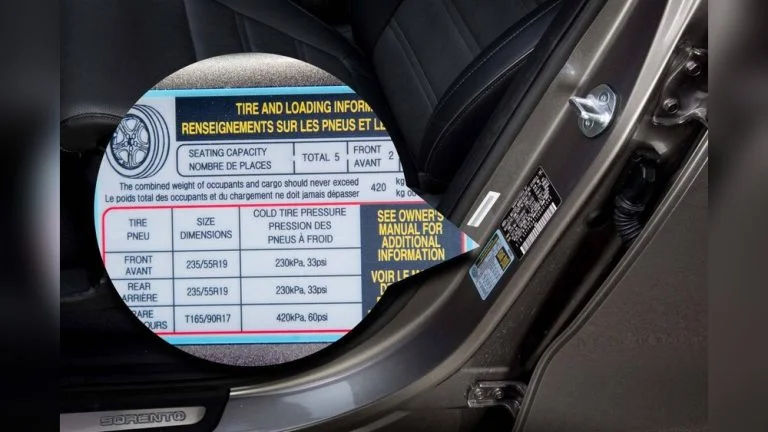
- Size: Match the manufacturer’s recommendations listed in your vehicle manual or on the driver’s door jamb.
- Load rating: Ensures the tire can safely support your vehicle’s weight, especially important for trucks and SUVs.
- Speed rating: Reflects the maximum safe speed for the tire, relevant for performance vehicles.
Comparing Tire Brands
| Brand | Warranty | Tread Life (Miles) | Price Range | Best For |
|---|---|---|---|---|
| Michelin | 60,000 | Up to 80,000 | $140–$250 | All-season, longevity |
| Goodyear | 50,000 | Up to 75,000 | $120–$200 | Performance, wet grip |
| Bridgestone | 50,000 | Up to 70,000 | $100–$190 | Touring, comfort |
Where To Buy
- Local tire shops: Personalized service, support local business, and expert installation.
- Online retailers: Greater selection, easy price comparison, and often free shipping or installation partnerships.
- Dealerships: OEM matches, often at a premium, but with the assurance of compatibility.
Installation And Maintenance
- Mounting and balancing: Prevents vibration and ensures a smooth ride.
- Regular rotation: Every 5,000–7,000 miles to promote even wear and extend tire life.
- Alignment checks: At least annually or after hitting large potholes, to prevent premature wear.
External Resources
Learn more about tire selection and safety at the NHTSA Tire Safety Page and Consumer Reports Tire Buying Guide.
Preventing Irreparable Tire Damage
Proactive maintenance can significantly extend tire life and reduce the risk of irreparable damage. Developing a tire care routine is one of the most cost-effective safety investments you can make.
Regular Maintenance Tips
- Check air pressure monthly: Proper inflation prevents uneven wear, improves fuel economy, and reduces the risk of blowouts.
- Rotate tires every 5,000–7,000 miles: This ensures even wear, especially on front-wheel-drive or rear-wheel-drive vehicles where certain tires wear faster.
- Balance and align wheels annually: Misalignment can rapidly wear out tires, reducing their lifespan and affecting handling.
Avoiding Common Hazards
- Slow down for potholes: High-speed impacts can cause immediate or hidden internal damage.
- Avoid curbs and sharp objects: Even minor sidewall damage can be irreparable.
- Park away from direct sunlight: Prolonged UV exposure accelerates rubber degradation, leading to dry rot and cracks.
Storage Best Practices
- Store tires in cool, dry places: Excessive heat and humidity accelerate aging.
- Keep away from chemicals and oils: Petroleum products can degrade rubber compounds.
- Use covers for spare tires: This protects them from sunlight and weather, preserving their condition.
Example: Fleet Preventive Maintenance
A taxi company implemented monthly tire checks, including pressure and tread inspections. Within a year, tire replacement costs dropped by 20%, and roadside incidents decreased. This underscores the value of preventive maintenance in reducing both costs and risks.
External Resources
For detailed maintenance guidelines, visit the Tire Rack Tire Maintenance Guide and the Wikipedia Tire Article.
Environmental And Financial Impact Of Tire Replacement
Tire disposal and replacement have broader implications beyond individual safety. Responsible tire management benefits the environment and your wallet.
Environmental Concerns
- Tire landfill waste: Over 290 million tires are discarded yearly in the US. Tires do not decompose easily and can become breeding grounds for pests.
- Recycling programs: Many tires are repurposed for playgrounds, roads, or fuel. Shredded tires are used in construction materials, athletic tracks, and even as an energy source in some industrial processes.
Sustainable Choices
- Eco-friendly tires: Designed with lower rolling resistance, these tires improve fuel efficiency and reduce CO2 emissions.
- Retreaded tires: Used in commercial fleets to extend tire life and reduce waste. While not usually recommended for passenger cars, retread technology has improved and offers significant savings for heavy vehicles.
Financial Impact
- Upfront costs: Replacement is more expensive than repair, but safer and more reliable in the long run.
- Long-term savings: Reduced risk of accidents, lower insurance rates, and fewer vehicle repairs due to tire-related incidents.
Example: Sustainable Fleet Policy
A logistics company switched to eco-friendly tires and partnered with recycling facilities. Over two years, they reduced their carbon footprint and saved on disposal fees. Their maintenance records also showed a decrease in fuel costs due to the improved efficiency of modern, low-rolling-resistance tires.
External Resources
For insights into tire recycling and sustainability, explore the EPA Tire Management Page.
Frequently Asked Questions
How Can I Tell If A Tire Is Too Old To Be Repaired?
Check the manufacture date on the sidewall (DOT code). Tires older than six years are generally considered unsafe, regardless of tread. Signs like dry rot, cracking, and rubber hardening indicate the need for replacement. Even if the tread appears deep and unworn, the tire’s structure degrades with age.
What Is The Legal Minimum Tread Depth In The Us?
The legal minimum is 2/32 inch. Many states enforce this standard, and driving on tires below this limit can result in fines and increased accident risk. Some safety experts recommend replacing tires at 4/32 inch for improved wet weather performance.
Can Sidewall Damage Ever Be Safely Repaired?
No, sidewall damage cannot be safely repaired. The sidewall is critical for structural integrity, and any puncture, bulge, or deep crack requires full replacement. Attempting to fix sidewall damage can lead to catastrophic failure.
Is It Safe To Use Retreaded Tires For Passenger Vehicles?
Retreaded tires are commonly used in commercial fleets but are not recommended for passenger vehicles due to regulatory restrictions and performance concerns. Always check local laws and manufacturer guidelines. Passenger car retreads are rare and often not approved for highway use.
What Is The Safest Way To Dispose Of Old Tires?
The safest method is to use certified recycling facilities or tire shops with disposal programs. Tires are repurposed for construction, playgrounds, or fuel, minimizing environmental impact. Never dump tires illegally; they can pose health and environmental hazards.
Replacing a damaged or worn tire is not just a matter of compliance—it’s a fundamental investment in your safety and driving confidence. Recognizing the signs of irreparable damage, conducting regular inspections, and choosing the right replacement will ensure that every journey is safe and smooth.
With the knowledge and resources provided here, you can make informed decisions, protect your vehicle, and contribute to a safer, greener road environment.
Products related to this article
Sponsored / affiliate links. As an Amazon Associate I earn from qualifying purchases. I may earn additional commission from eligible campaigns.