How Much Car Tyre Pressure Do You Actually Need?
The pressure in your car’s tires is more than just a number—it’s a crucial factor that can dramatically impact your vehicle’s safety, performance, comfort, and even your wallet. Whether you’re a seasoned driver or a new car owner, understanding the science and specifics of car tire pressure can save you from unexpected breakdowns, maximize your fuel efficiency, and extend the life of your tires. Yet, a surprising number of drivers either overlook or misunderstand this vital aspect of vehicle maintenance.
In this guide, you’ll learn exactly how much car tire pressure you actually need, why the right pressure matters, how to find the correct PSI (pounds per square inch) for your vehicle, and what happens if your pressure is too high or too low. We’ll break down the data, compare recommendations from top manufacturers, and answer the most common questions with input from automotive experts. Whether you drive a compact sedan, a family SUV, or a high-performance sports car, this article will empower you to optimize your driving experience and safety with confidence.
Key Takeaways
- Proper tire pressure is essential for safety, fuel efficiency, and tire longevity.
- Most passenger vehicles require 32–35 PSI when cold, but always consult your owner’s manual or door placard for precise numbers.
- Both under-inflation and over-inflation carry serious risks, including poor handling, increased wear, and potential blowouts.
- Tire pressure should be checked at least once a month and before long trips, using a reliable gauge.
- Factors like weather, load, and driving habits can alter ideal tire pressure requirements.
- Expert recommendations and real-world examples show why regular checks and adjustments pay off in the long run.
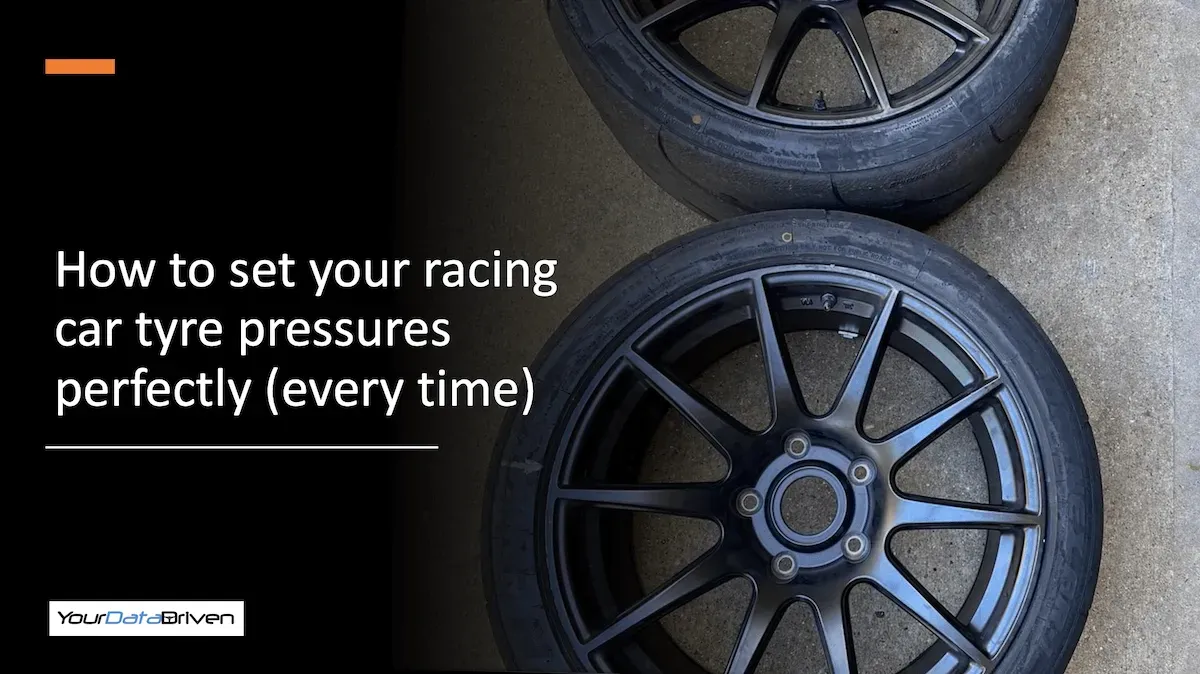
Credit: www.yourdatadriven.com
The Science Behind Car Tire Pressure
Understanding the fundamentals of tire pressure is the first step in ensuring optimal vehicle performance and safety. Let’s explore why tire pressure matters, how it’s measured, and what factors influence it.
What Is Tire Pressure?
Tire pressure refers to the amount of air (measured in PSI or bar) inside a tire. This internal pressure supports the weight of your vehicle, cushions the ride, and maintains the tire’s shape for proper contact with the road. In the US, pressure is typically measured in pounds per square inch (PSI), while some regions use bar (1 bar ≈ 14.5 PSI).
The air inside your tires isn’t just “filling space”—it acts as the primary medium that allows your tires to maintain their form and function. Unlike solid wheels, pneumatic tires (air-filled) deform over bumps and irregularities, smoothing out the ride and providing traction.
The exact amount of air, or pressure, directly influences how well the tire interacts with the road surface.
Why Is Correct Tire Pressure So Important?
- Safety: Properly inflated tires ensure optimal grip, handling, and braking performance. Under-inflated tires can overheat and fail, while over-inflated tires reduce traction and increase blowout risks. In emergency maneuvers, having the correct pressure can mean the difference between stopping in time or losing control.
- Fuel Efficiency: According to the U.S. Department of Energy, keeping your tires inflated to the recommended pressure can improve gas mileage by up to 3%. Over the course of a year, this can translate to significant savings, especially with fluctuating fuel prices.
- Tire Wear: Incorrect pressure causes uneven and premature tire wear, reducing lifespan by up to 25%. This not only means replacing tires more often, but can also affect your vehicle’s alignment and suspension.
- Comfort: The right pressure helps absorb road shocks, delivering a smoother ride. Over-inflated tires transmit more road imperfections and vibrations, while under-inflated tires can feel sluggish and unstable.
The Physics Of Air Pressure
As air temperature rises, so does pressure within the tire (about 1 PSI per 10°F increase). Conversely, cold weather can lower pressure, making regular checks essential. This is a direct consequence of the ideal gas law in physics, where pressure is proportional to temperature. For example, if you set your tire pressure on a warm afternoon and then drive early the next morning when it’s much cooler, you might find the pressure has dropped slightly.
Altitude can also play a role, though to a lesser extent for most drivers. If you travel from a low-altitude area to a high-altitude region (such as up a mountain), the outside air pressure drops, but the tire pressure remains constant, making the tires appear slightly over-inflated.
While this is rarely a major concern for most drivers, it’s something to keep in mind for those who frequently drive in varying elevations.
How Pressure Is Measured
Most gas stations and tire shops use digital or analog tire pressure gauges. Digital gauges are generally more precise, providing a clear numerical reading, while analog (dial) gauges are robust but can be harder to interpret accurately. Modern cars often feature a Tire Pressure Monitoring System (TPMS), which alerts drivers when pressure drops significantly below the recommended threshold. However, TPMS typically only warns when pressure falls 25% below recommendations, so it shouldn’t be your sole method of checking.
Case Study: The Impact Of Incorrect Tire Pressure
A 2026 analysis by the National Highway Traffic Safety Administration (NHTSA) found that driving on under-inflated tires increases the likelihood of a tire-related crash by threefold compared to properly inflated tires. In one real-world example, a fleet operator reduced tire-related incidents by 40% simply by enforcing monthly pressure checks.
Additionally, the NHTSA estimates that nearly 11,000 tire-related crashes occur annually in the U.S., with under-inflation cited as a leading cause. In another study, a taxi company in New York City recorded a 15% reduction in roadside breakdowns after implementing a routine tire pressure monitoring protocol, directly correlating improved tire maintenance with fewer service interruptions and improved passenger safety.
How To Find The Correct Tire Pressure For Your Vehicle
Every vehicle is engineered for a specific range of tire pressures that balance safety, performance, and comfort. Finding and maintaining this optimal pressure is straightforward if you know where to look.
Where To Find Tire Pressure Recommendations
- Owner’s Manual: Your car’s manual lists the manufacturer’s recommended tire pressures for both front and rear tires. This is the most reliable source since it takes into account the vehicle’s weight, suspension, and intended use.
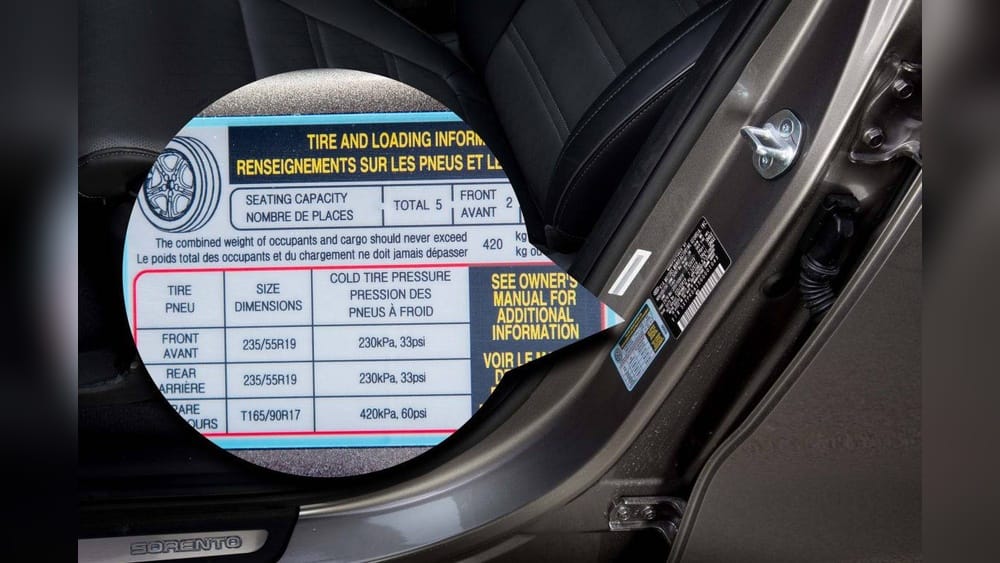
- Door Placard: Most vehicles have a sticker on the driver’s side door jamb with recommended cold tire pressures. This placard may also include pressures for different loading scenarios (e.g., with or without passengers or cargo).
- Fuel Cap or Glove Box: Some models display recommendations here as well, which can be handy if you’re unable to locate your manual.
- Tire Sidewall: The maximum pressure listed here is not the recommended driving pressure; it’s the tire’s maximum safe limit. Exceeding this can be dangerous and should only be considered in emergency situations.
Typical Tire Pressure Ranges
While specific values vary, most passenger vehicles recommend 32–35 PSI for cold tires. Trucks, SUVs, and performance vehicles may require higher pressures, especially when carrying heavy loads. In contrast, subcompact and hybrid vehicles may recommend slightly lower pressures to optimize comfort and rolling resistance.
If you have aftermarket wheels or tires that differ from the factory specifications, consult with a tire professional to determine the best pressure. Some high-performance or electric vehicles (EVs) are designed for even higher pressures—up to 45 PSI or more—to accommodate unique weight distributions or battery loads.
Comparison Table: Recommended Psi For Common Vehicle Types
| Vehicle Type | Typical Front PSI | Typical Rear PSI | Load/Notes |
|---|---|---|---|
| Compact Sedan | 32 | 32 | Normal load |
| Family SUV | 35 | 35 | Adjust up for full cargo |
| Pickup Truck | 36 | 40 | Higher for towing/hauling |
| Sports Car | 36 | 34 | Check manual for staggered setups |
| Electric Vehicle (EV) | 40 | 40 | Heavier battery weight |
How To Check Tire Pressure
- Wait for Cold Tires: Check pressure after the car has been parked for at least three hours or before driving more than a mile. Heat from driving increases pressure and can yield a false high reading.
- Use a Reliable Gauge: Digital gauges are more accurate than pencil-style gauges, but any well-maintained gauge is better than none.
- Remove the Valve Cap: Press the gauge onto the valve stem and note the reading. A hissing sound indicates a poor seal—try repositioning the gauge.
- Adjust as Needed: Add air if below the recommended PSI, or release air if above. Small, incremental adjustments are best.
When To Adjust Pressure
- Before long trips: Extended driving can heat up tires, so always check pressure when cold.
- With significant temperature changes (seasonal): For every 10°F drop, expect a 1 PSI decrease.
- When carrying extra passengers or heavy loads: Always follow the higher load recommendations in your manual or placard.
Example: Seasonal Adjustment In Chicago
In winter, a Chicago commuter found their tire pressures dropped from 34 PSI to 28 PSI overnight as temperatures plunged. After adjusting back to the recommended value, their fuel economy improved by 2 MPG and tire wear evened out noticeably over the next three months.
Similarly, a rideshare driver in Boston checks tire pressure weekly during fall and spring, as temperatures can fluctuate dramatically. This consistent attention prevents warning lights and uneven wear, maximizing tire value through New England’s harsh seasonal shifts.

Credit: www.yourdatadriven.com
What Happens If Tire Pressure Is Too Low Or Too High?
Tire pressure that’s even a few PSI outside the recommended range can have significant consequences for your vehicle and your safety.
Risks Of Under-inflation
- Poor Handling: Sluggish steering, longer stopping distances, and increased sway during cornering.
- Overheating: Excess flexing generates heat, risking blowouts. The sidewalls bear more load, making them prone to failure.
- Increased Wear: Edges of the tire tread wear faster, reducing lifespan. This can also lead to “cupping” or scalloped wear patterns.
- Lower Fuel Efficiency: Rolling resistance increases, costing more at the pump. Even a 5% drop in pressure can reduce efficiency.
Real-world Example: Under-inflation And Blowouts
A 2026 study by Consumer Reports found that 55% of tire blowouts occurred in tires that were under-inflated by at least 6 PSI. In one high-profile highway incident, a delivery van suffered a blowout at speed, resulting in a costly accident and insurance claim—later traced to chronic under-inflation.
Risks Of Over-inflation
- Stiff Ride: Less shock absorption, more bumps and vibrations. This can lead to driver and passenger discomfort, especially on rough roads.
- Reduced Traction: Smaller contact patch leads to less grip, especially in wet conditions or during emergency maneuvers.
- Center Tread Wear: Tires wear faster in the center, shortening life and wasting money.
- Higher Blowout Risk: Over-pressurized tires are more susceptible to impact damage from potholes or debris, increasing the risk of sudden failure.
Visual Signs Of Incorrect Pressure
- Under-inflated: Tire appears flatter at the bottom; outer edges more worn. You may also see bulging sidewalls.
- Over-inflated: Tire looks rounded; center tread wears faster. Ride quality may feel harsh.
- Properly inflated: Tire maintains its designed profile, with even tread contact across the surface.
Data Table: Symptoms Of Incorrect Tire Pressure
| Condition | Symptoms | Potential Consequences |
|---|---|---|
| Under-inflated | Soft ride, sluggish handling, edge wear | Increased blowout risk, lower MPG |
| Over-inflated | Harsh ride, center wear, less grip | Reduced comfort, uneven wear |
| Properly inflated | Even wear, stable handling, optimal comfort | Maximized safety and tire life |
Case Study: Commercial Fleet Maintenance
A logistics company in Texas implemented monthly tire pressure checks on its delivery vans. Within a year, tire replacement costs dropped by 18%, and fuel costs fell by 6%, demonstrating the tangible benefits of maintaining correct tire pressure. Additionally, their drivers reported fewer incidents of sudden tire failures and improved confidence in vehicle handling, especially during the hot Texas summers.

Credit: autovayu.com
Factors That Affect Ideal Tire Pressure
While manufacturer recommendations are a baseline, several factors can influence the optimal tire pressure for your specific situation.
Load And Passengers
Heavier loads require higher tire pressure to support the extra weight. Many automakers provide alternative pressure recommendations for fully loaded conditions. Failing to adjust for load can lead to sidewall fatigue and even tire blowouts.
- Example: A minivan may require 32 PSI with four passengers but 36 PSI with a full load and luggage. Always refer to the vehicle’s placard for these alternate recommendations.
Weather And Temperature
- Cold Weather: Air contracts, lowering tire pressure. Check and adjust more frequently in winter. For those in northern climates, it’s common to find tire pressure several PSI below recommended on frigid mornings.
- Hot Weather: Air expands, raising pressure. Avoid overfilling in summer. After a long drive on a hot day, tire pressure may read higher, but don’t release air unless you’ve confirmed a consistent over-inflation.
Note: A 10°F change in temperature can result in about 1 PSI pressure change. If you travel frequently between different climates, adjust accordingly and monitor more closely.
Tire Type And Size
- Low-profile tires (common on sports cars) often require higher pressures to prevent rim damage and maintain handling precision.
- All-season vs. performance tires may have different optimal ranges. High-performance tires may operate safely at higher pressures for better cornering.
- Aftermarket or upsized wheels/tires may necessitate adjustments outside the original recommendation. If in doubt, consult with a tire specialist or the tire manufacturer.
Driving Conditions
- High-speed driving (e.g., autobahn or track) may require higher pressures for stability. Tire manufacturers often provide guidance for “sustained high-speed operation.”
- Off-roading: Lowering pressure can improve traction on sand or mud, but should be reinflated for highway use to prevent excess heat build-up and reduce the risk of sidewall damage.
Tire Age And Condition
- Older tires may leak air faster due to small imperfections or degraded rubber. Regular checks are especially important for vehicles that are not driven frequently.
- Damaged or patched tires can be more sensitive to pressure fluctuations. Any sign of rapid pressure loss should be investigated promptly.
Example: Cross-country Road Trip
A family road-tripping from Denver to San Diego increased their tire pressure by 2 PSI above the standard recommendation to compensate for a heavy load and high-speed interstate driving, following guidance from their vehicle manual. This adjustment improved stability and prevented overheating during long stretches in hot climates.
In another scenario, a camper towing a trailer through the Rocky Mountains found that slightly higher tire pressures (within manufacturer guidelines) reduced sway and tire sidewall flex, resulting in a safer, more controlled descent.
How To Maintain And Monitor Car Tire Pressure
Regular maintenance is essential to keep your tires at the correct pressure and maximize all the associated benefits.
Creating A Tire Pressure Check Routine
- Monthly Checks: Set a reminder to check pressure at least once per month. Consistency is key—consider incorporating this into your fuel-up routine.
- Before Long Trips: Check before road trips or heavy loading events. Small changes can make a big difference over hundreds of miles.
- When Temperatures Change: Adjust seasonally, especially at the start of winter or summer. Rapid drops or rises in temperature can significantly affect pressure.
Choosing The Right Tools
- Digital Pressure Gauge: Offers high accuracy, easy to read. A quality digital gauge can be purchased for under $20.
- Analog (Dial) Gauge: Reliable but can be harder to interpret. Choose one with a clear scale and sturdy construction.
- TPMS (Tire Pressure Monitoring System): Built into most cars made after 2007, but should not fully replace manual checks. Sensors can malfunction, and some systems only warn of significant pressure losses.
How To Inflate Or Deflate Tires
- At Home: Use a portable air compressor or a foot pump. Many portable units plug into your car’s 12V outlet and are easy to store in the trunk.
- At Gas Stations: Most offer air pumps (sometimes free). Always check the calibration of public gauges, as they can be inaccurate from heavy use.
- Deflating: Press the valve stem pin gently with a tool until the desired pressure is reached. Go slowly to avoid over-releasing air.
When To Seek Professional Help
- If you notice persistent pressure loss, sidewall damage, or uneven wear, have your tires inspected by a professional. Issues like punctures, leaking valves, or damaged rims can lead to dangerous blowouts if not addressed.
Example: Tpms Warning Light Incident
A driver ignored their TPMS warning light for two weeks, assuming it was a sensor glitch. A later inspection revealed a slow leak and significant tread damage, resulting in the need for a costly replacement that could have been avoided with prompt action.
Likewise, a commuter who paid attention to a sudden drop in TPMS readings during a cold snap found a nail embedded in the tread—repairing the tire early prevented a potential highway blowout.
Advanced Insights: Tire Pressure And Vehicle Performance
For drivers seeking maximum performance or involved in motorsports, tire pressure tuning can be a game-changer.
Performance Driving
- Autocross/Track Days: Slightly higher pressures can reduce sidewall flex and improve cornering stability. However, excessive pressure can decrease grip, so tuning is a balance between response and traction.
- Drag Racing: Lower pressures can increase the tire’s contact patch, enhancing straight-line traction. This is especially true for rear-drive muscle cars, but should only be done under controlled conditions.
Fuel Economy Optimization
- Hyper-miling: Some drivers inflate tires slightly above the recommended range (by 2–4 PSI) to reduce rolling resistance. However, this must be balanced with safety and even tread wear. Over-inflation can reduce braking grip, so caution is required.
Off-road Adventures
- Sand, Snow, Mud: Lowering pressures (sometimes as low as 15 PSI) can boost grip. Always reinflate before returning to paved roads. Off-roaders often carry portable compressors for this reason.
Tire Pressure And Modern Evs
Electric vehicles are generally heavier and often require higher tire pressures (up to 45 PSI) to handle battery weight and maintain efficiency. For example, the Tesla Model 3 recommends 42 PSI for optimal range and tire life. Failure to adhere to these recommendations can dramatically reduce range and accelerate tire wear due to the increased load.
Performance Table: Tire Pressure Vs. Key Metrics
| Pressure (PSI) | Fuel Economy (MPG) | Braking Distance (ft from 60mph) | Tire Wear Pattern |
|---|---|---|---|
| 28 (Under-inflated) | 26 | 145 | Edge wear |
| 32 (Recommended) | 29 | 130 | Even wear |
| 38 (Over-inflated) | 30 | 135 | Center wear |
Expert Insights
According to the Tire Industry Association, “Proper inflation is the single most important factor in tire care, impacting everything from safety to efficiency” (Tire Industry Association). Industry experts also note that regular alignment and rotation further enhance the benefits of correct pressure by promoting even wear and handling.
Common Myths And Misconceptions About Tire Pressure
Despite widespread awareness campaigns, several myths about tire pressure persist. Let’s dispel these with facts from trusted sources.
Myth 1: The Psi On The Tire Sidewall Is The Recommended Pressure
Fact: The sidewall number is the tire’s maximum allowable pressure, not the recommended operational pressure. Always use the vehicle manufacturer’s recommendation. Driving at sidewall max can compromise ride quality and safety.
Myth 2: You Can Check Tire Pressure By Kicking The Tire
Fact: Physical checks are unreliable. Even visibly “full” tires can be dangerously under-inflated. Invest in a quality gauge for accuracy.
Myth 3: All Four Tires Should Always Be At The Same Psi
Fact: Many vehicles (especially performance cars and trucks) require different pressures front and rear. This is due to weight distribution and handling considerations.
Myth 4: Over-inflating Tires Improves Handling
Fact: While higher pressure can sharpen response, it reduces grip, comfort, and increases center wear—potentially compromising safety. Always balance performance with manufacturer guidelines.
Myth 5: Nitrogen-filled Tires Never Lose Pressure
Fact: Nitrogen slows pressure loss but doesn’t prevent it entirely. Regular checks are still essential (Wikipedia). Even with nitrogen, temperature changes and slow leaks can affect pressure.
External Resources For Further Reading
- NHTSA: Tire Safety
- US Department of Energy: Tire Pressure & Fuel Economy
- Consumer Reports: Checking Tire Pressure
- Tire Rack: Air Pressure and Performance
Frequently Asked Questions
How Often Should I Check My Car’s Tire Pressure?
It’s best to check your tire pressure at least once a month and before any long trips. Temperature changes, punctures, and normal seepage can cause fluctuations, so regular checks are essential for safety and performance. For the most accurate reading, check in the morning when tires are cold.
What Is The Correct Tire Pressure For My Car?
Refer to your owner’s manual or the placard on the driver’s door jamb for the manufacturer’s recommended cold tire pressure. Typical values for passenger cars range from 32 to 35 PSI, but your vehicle may require more or less depending on load and tire type. Never use the tire sidewall number as your everyday reference.
What Happens If I Drive With Low Tire Pressure?
Driving with low tire pressure increases the risk of blowouts, reduces fuel economy, causes uneven tread wear, and impairs handling. It can also trigger your TPMS warning light and shorten the lifespan of your tires. In severe cases, it may lead to irreversible tire damage or a dangerous loss of control.
Should Front And Rear Tires Have The Same Pressure?
Not always. Some vehicles require different pressures in the front and rear tires, especially trucks, SUVs, or high-performance models. Always follow the specific recommendations in your vehicle’s manual or door placard. The difference is often due to weight distribution and intended handling characteristics.
Does Tire Pressure Affect Fuel Economy?
Absolutely. Under-inflated tires can reduce fuel efficiency by up to 3% according to the US Department of Energy (DOE). Keeping your tires at the recommended PSI saves money and reduces emissions, making it one of the simplest ways to be a greener, more economical driver.
Maintaining the right tire pressure is an easy yet powerful way to boost your safety, comfort, and fuel efficiency. With regular checks and a basic understanding of your vehicle’s requirements, you can prevent costly problems and enjoy smoother, more reliable journeys.
Stay proactive, consult your manual, and make tire pressure part of your regular car care routine for peace of mind on every drive.
Products related to this article
Sponsored / affiliate links. As an Amazon Associate I earn from qualifying purchases. I may earn additional commission from eligible campaigns.