What Is The Purpose Of Car Headlights? More Than You Think
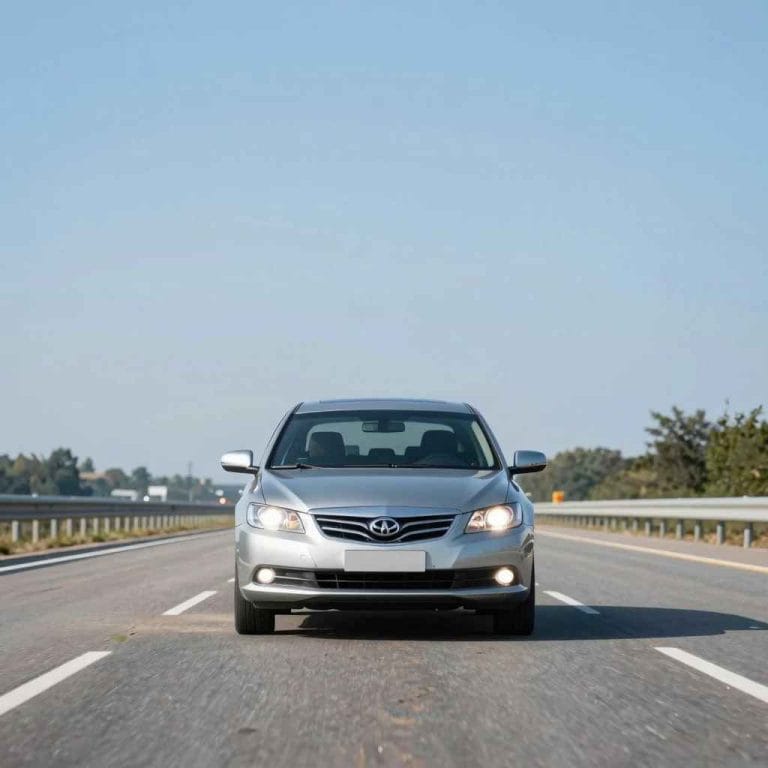
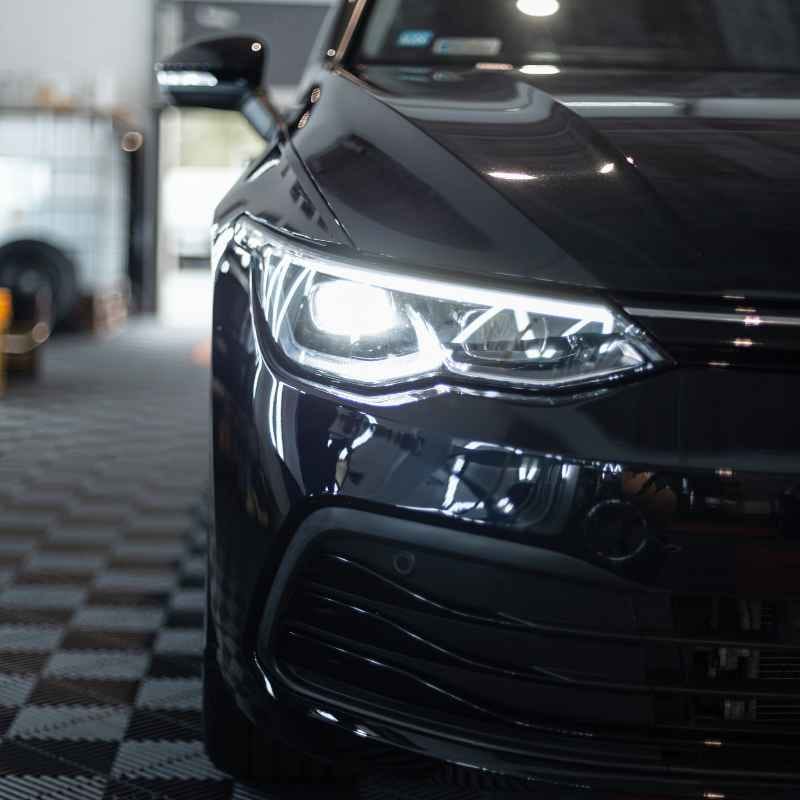
The primary purpose of car headlights is to illuminate the road and its surroundings for the driver. This allows for safe navigation and reaction to obstacles, pedestrians, and other vehicles in low-light conditions. Beyond visibility, headlights serve as communication signals to other road users, indicating a vehicle’s presence, direction, and intentions.
The Core Function: Seeing and Being Seen
At its heart, a headlight’s job is twofold. First, it needs to provide enough light for the driver to see clearly. This means seeing the road surface, lane markings, signs, and any hazards that might be present.

3M
3M Ultra Headlight Restoration Kit, Contains Masking…
- KIT INCLUDES: 1 - Disc Pad Holder, 3.25 in (8,2 cm) 6 - 3M Gold Sanding Discs 500 Grit, 3 in (7,6 cm) each 4 - 3M White Finishing…
- KITS CONTAIN masking tape, light sanding discs, wax protectant and more
- FOR USE ON plastic lenses – headlights, taillights, fog lights, directional lights and more
As an Amazon Associate I earn from qualifying purchases.
The brighter and more focused the beam, the further you can see. This allows you to react sooner to sudden situations.
Second, headlights are vital for making your car visible to others. Even in daylight, headlights can help other drivers see your car, especially in challenging weather like fog or heavy rain. At night, they are absolutely essential for being seen.
Without them, your car would be a dark, invisible object to anyone approaching.
Think about it: driving in the dark without lights would be like walking blindfolded. You wouldn’t know where the road goes, if there’s a ditch, or if someone is walking in front of you. The purpose of car headlights is to eliminate that danger and make driving possible at any hour.
A Little History: How We Got Here
Headlights haven’t always been a standard feature. Early cars didn’t have them at all. Drivers often relied on separate lamps, like oil or acetylene lamps, which were often dim and unreliable.
These were bolted onto the car and required constant attention.
The first electric headlights started appearing around the early 1900s. However, they were not very bright and often had issues. It took years of development to create the sealed-beam headlights we see in older cars, and then even more innovation led to the advanced lighting systems we have today.
This history shows us that safe driving in darkness is something that took a lot of effort and technology to achieve. The purpose of car headlights has always been safety, but the way we achieve that safety has changed a lot.
Different Types of Headlights: A Quick Look
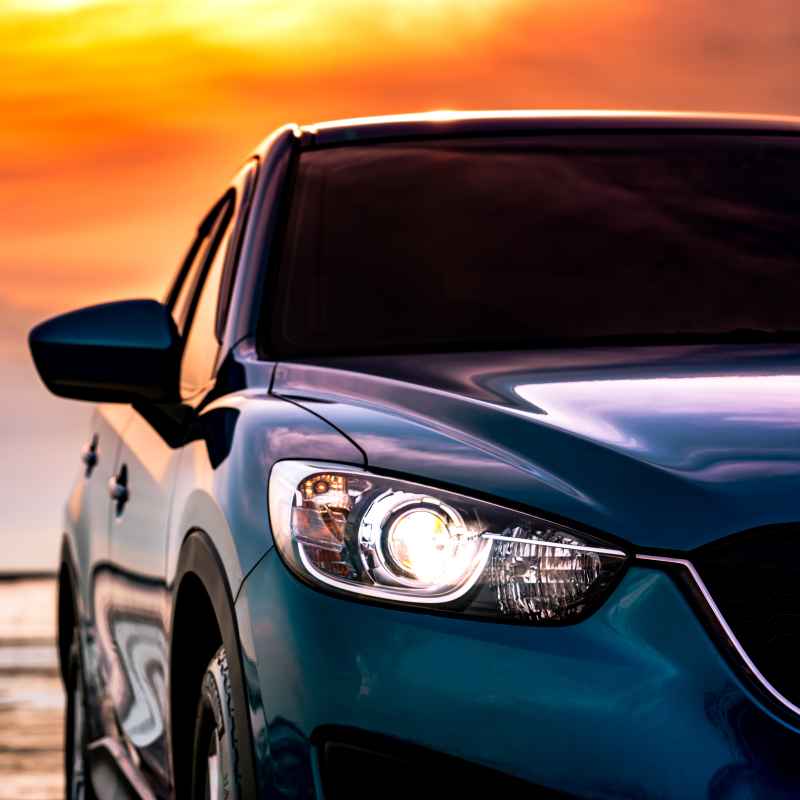
Over time, headlight technology has advanced a lot. This has improved both the brightness and the efficiency of car lights. Understanding the different types can give you a better sense of how they work.
Headlight Types at a Glance
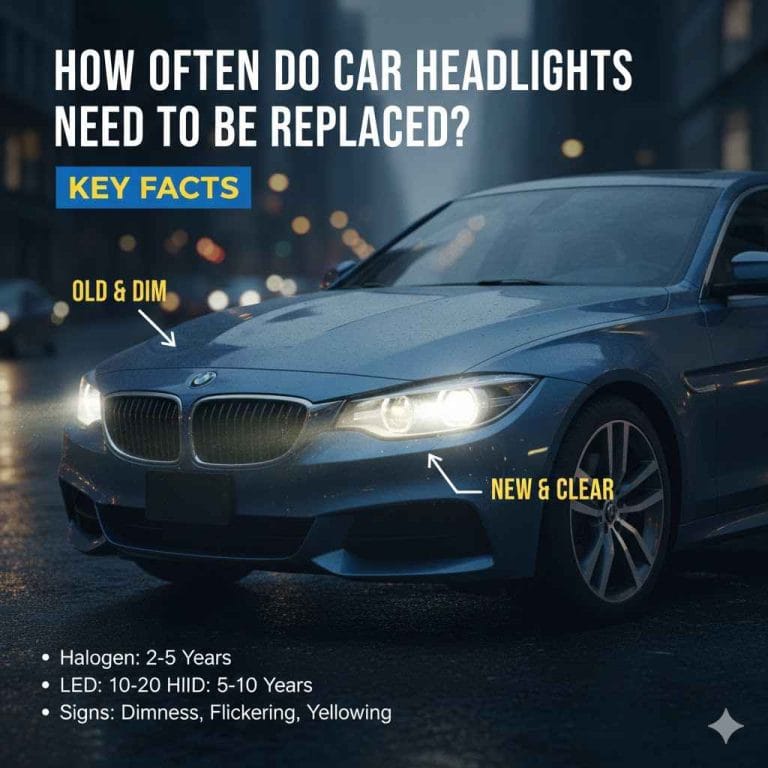
Halogen: The most common type for a long time. Uses a tungsten filament heated by electricity. They are affordable and easy to replace.
Xenon (HID): High-Intensity Discharge lights. They produce a brighter, whiter light than halogens. They use an electric arc through a gas-filled bulb.
LED: Light-Emitting Diodes. These are very energy efficient and last a long time. They can be shaped into many designs and produce a crisp, bright light.
Laser: The newest technology. Extremely bright and can project light very far. They use lasers to excite a phosphor material that then emits light.
Each type has its own pros and cons. But the main goal for all of them is the same: to light up the road safely and effectively. The purpose of car headlights is to evolve with technology to provide better visibility.
The Purpose of Car Headlights: Beyond Simple Illumination
While lighting the path ahead is the most obvious purpose, headlights do much more. They are key players in road safety and communication.
Headlights as Communication Tools
Signaling Presence: At night, headlights tell other drivers “I am here.” This is crucial on dark roads or during bad weather.
Indicating Direction: When you turn, your headlights turn with your wheels. This shows others where you intend to go.
Warning Others: In some regions, flashing headlights can warn oncoming traffic about hazards ahead, like police or an accident.
This communication aspect is vital. It’s a silent language between drivers. The purpose of car headlights is not just to see, but to interact safely with other vehicles on the road.
Without this visual communication, driving would be much more chaotic and dangerous.
Low Beams vs. High Beams: Understanding the Difference
Most cars have two main settings for their headlights: low beams and high beams. Each serves a distinct purpose. Knowing when to use each is a big part of safe driving.
Low beams are for normal driving conditions. They point downwards and slightly to the right. This is so you can see the road in front of you without blinding oncoming drivers.
They are designed to light up about 150 feet ahead.
High beams are much more powerful. They point straight ahead and can light up the road for 350 feet or more. You use high beams when there’s no oncoming traffic and no other reason to dim them.
They help you see further down the road on unlit highways.
The purpose of car headlights in these different modes is to adapt to varying conditions. Using the wrong beam can be dangerous. It can cause accidents by either not letting you see enough or by blinding other drivers.
When Low Beams Aren’t Enough
Sometimes, even low beams struggle to provide enough light. This is where the importance of headlights really shows. Factors like heavy fog, snow, or rain can drastically reduce visibility.
In these situations, the purpose of car headlights is to pierce through the elements as much as possible. While high beams might seem like the answer, they can actually make things worse in fog or snow. The light reflects off the water droplets or snowflakes, creating glare that makes it harder to see.
Low beams, pointing downwards, are usually better.
Some cars also have fog lights. These are separate lights, usually mounted low on the car. They are designed to cut under the fog or snow, casting a wide, flat beam close to the ground.
They help you see the road markings when visibility is extremely poor.
The Science Behind the Light: How It Works
Let’s dive a little into the technology. Understanding the basic science can highlight the clever engineering behind headlights. It all comes down to physics and chemistry.
In a traditional halogen bulb, electricity passes through a thin wire called a filament. This filament is made of tungsten, a metal that can get very hot without melting. As the electricity flows, the filament heats up and glows, producing light.
The bulb is filled with a special gas that helps the filament last longer.
Xenon HID lights work differently. Instead of a filament, they have two electrodes inside a glass tube filled with xenon gas and metal salts. When voltage is applied, an electric arc jumps between the electrodes.
This arc heats the xenon gas and vaporizes the metal salts, creating a very bright, bluish-white light.
LEDs are solid-state devices. They use semiconductors to convert electricity directly into light. They are highly efficient and produce very little heat compared to other types.
This means they can last for tens of thousands of hours.
The purpose of car headlights is to transform electrical energy into visible light efficiently and safely. Each technology achieves this in its own unique way, with continuous improvements aimed at better performance and longevity.
My Own “Headlight Moment”
I remember one particularly foggy night driving home from visiting my parents. It was late, and the fog had rolled in so thick you could barely see the white line on the side of the road. I had my low beams on, but it felt like I was just illuminating a wall of white vapor.
I slowed down to a crawl, gripping the steering wheel tight. Every little sound seemed amplified. I kept thinking, “Am I going to hit something?
Is there another car out there?”
That’s when I realized how much I relied on my headlights, not just to see, but to feel safe. It wasn’t just about the light itself; it was about the confidence it gave me. In that moment, the full purpose of car headlights hit me.
They aren’t just accessories; they are essential safety equipment. I pulled over for a minute, took a deep breath, and then continued my slow journey home, acutely aware of how vital those beams of light were.
Headlights and Road Safety: A Direct Link
The connection between headlights and road safety is undeniable. Statistics consistently show that driving at night or in poor weather conditions significantly increases the risk of accidents. Headlights are the primary tool to combat this risk.
The National Highway Traffic Safety Administration (NHTSA) reports that fatal crashes are significantly more common at night. While overall traffic volume is lower at night, the number of fatal crashes per mile driven is higher. This is largely due to reduced visibility.
This highlights the critical purpose of car headlights: to mitigate the inherent dangers of driving when visibility is compromised. Proper functioning headlights are not optional; they are a requirement for responsible driving.
Why Proper Headlight Aim is Crucial
Too High: Blinds oncoming drivers, increasing crash risk.
Too Low: Limits your vision of the road ahead and potential hazards.
Crooked: Illuminates the wrong areas, reducing effective visibility and potentially confusing other drivers.
How to Check: Most repair shops can check and adjust headlight aim. Some cars have simple adjustment screws.
Ensuring your headlights are aimed correctly is as important as having them on. The purpose of car headlights includes projecting light precisely where it’s needed most. Incorrect aim defeats this purpose.
The Purpose of Daytime Running Lights (DRLs)
You’ve probably seen cars with lights on during the day. These are called Daytime Running Lights, or DRLs. They are becoming increasingly common and are even required in some countries.
DRLs are typically less bright than regular headlights. Their main purpose is not to help the driver see, but to make the vehicle more visible to others. They are on automatically whenever the engine is running.
Studies suggest that DRLs can reduce daytime crashes, especially those involving head-on collisions or sideswipes. By making a car more conspicuous, DRLs help other drivers spot them sooner, giving them more time to react.
So, the purpose of car headlights extends beyond just nighttime driving. DRLs are a modern evolution of this concept, enhancing safety around the clock. They are a clear example of how vehicle lighting technology prioritizes visibility.
Beyond Visibility: Advanced Headlight Features
Modern cars often come with advanced headlight systems that go beyond simple on/off functionality. These features enhance safety and convenience.
Smart Headlight Technologies
Adaptive Driving Beam (ADB): These systems can automatically adjust the headlight pattern to avoid dazzling other drivers while still providing maximum illumination. They use cameras and sensors.
Automatic High Beams: A camera detects oncoming headlights or taillights and automatically switches from high beams to low beams. When the other vehicle passes, it switches back to high beams.
Cornering Lights: These lights turn on when you turn the steering wheel or activate a turn signal. They illuminate the road around corners, improving visibility when navigating intersections or tight turns.
These features demonstrate how the purpose of car headlights has evolved. They are no longer just static beams of light. They are intelligent systems that adapt to the driving environment and the presence of other vehicles.
When Should You Clean and Check Your Headlights?
Headlights can get dirty and cloudy over time. This can significantly reduce their brightness and effectiveness. Keeping them clean is a simple yet important part of their maintenance.
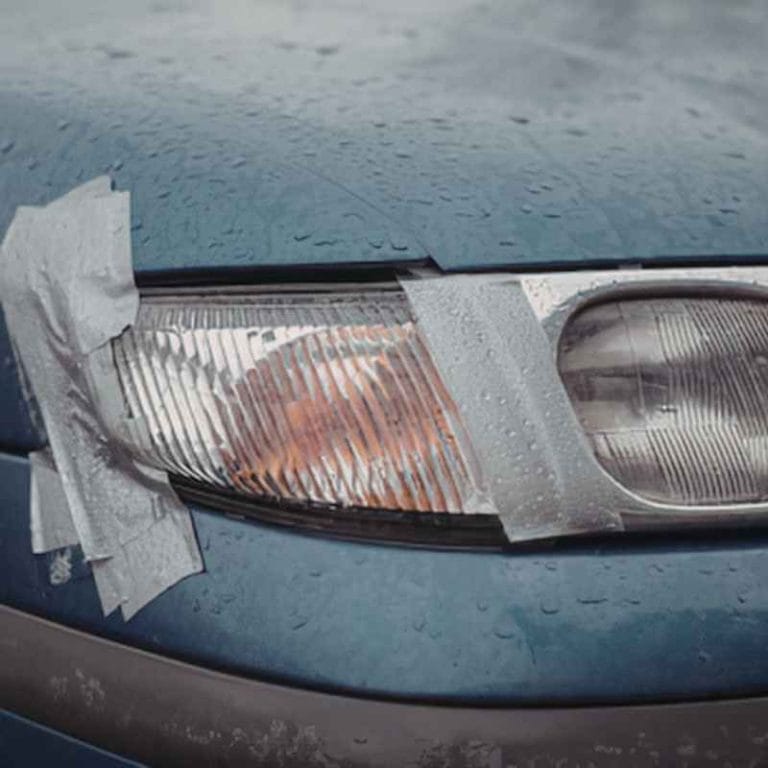
Road grime, bugs, and UV exposure can make headlight lenses hazy or yellow. This not only looks bad but also weakens the light output. The purpose of car headlights is to shine brightly, and a cloudy lens stops that from happening.
You should clean your headlights regularly, just like you wash your car. If they appear foggy or yellow, you can often restore them using a headlight restoration kit. These kits typically involve sanding and polishing the lens.
It’s also wise to check your headlights periodically. Ensure both are working, and if you suspect an aim problem, get them checked by a professional. This ensures the full purpose of car headlights is being met.
Simple Headlight Maintenance Steps
Wash Regularly: Use car soap and water to remove dirt and grime.
Check for Haze: Look for yellowing or cloudiness on the plastic lens.
Restore if Needed: Use a DIY kit for cloudy lenses.
Inspect Aim: Periodically check if the beams are pointing correctly.
The Purpose of Car Headlights in Different Conditions
Let’s break down how headlights function in various scenarios.
Driving in Clear Night Conditions
This is the most common scenario for using headlights. The purpose is to provide enough light to see the road, lane markers, and potential hazards like animals or debris. High beams are useful on empty roads, but low beams are crucial when other cars are present.
Driving in Rain
Rain reduces visibility and can make roads reflective. Headlights help you see the road surface and any standing water. They also make your car more visible to others through the spray.
Low beams are usually best, as high beams can reflect off the water droplets.
Driving in Snow
Snow can obscure roads and reduce visibility to near zero. Headlights help you see the road’s edge and any snowbanks. Again, low beams are preferred because high beams can reflect off the snowflakes, creating a blinding curtain of light.
Driving in Fog
Fog is one of the most challenging conditions. The purpose of car headlights is to cut through the mist. Low beams and fog lights are essential.
They direct light downwards, illuminating the road surface directly in front of the car without creating excessive glare.
Driving During Dawn and Dusk
These “twilight” hours can be tricky. The light is changing quickly, and it can be hard for other drivers to see you. Turning on your headlights, even in daylight, helps make you much more visible.
It’s about being seen before you need to be seen.
What Happens When Headlights Fail?
A burnt-out headlight bulb might seem like a minor inconvenience, but it can have serious consequences. The purpose of car headlights is safety, and a failed light directly compromises that.
Driving with only one headlight is dangerous. It reduces your ability to see and makes you less visible to others. It’s also illegal in most places.
Police can pull you over for driving with a broken headlight.
If both headlights fail, you should pull over safely as soon as possible. Driving without headlights at night is extremely risky and can lead to severe accidents. Your ability to navigate and avoid hazards is severely limited.
The purpose of car headlights is so fundamental that their failure demands immediate attention. It’s not something to put off or ignore.
The Evolution of Headlight Safety Standards
Safety organizations and governments have implemented standards for headlights to ensure they meet minimum performance requirements. These standards ensure that the purpose of car headlights—to provide adequate visibility and safety—is met.
In the U.S., the National Highway Traffic Safety Administration (NHTSA) sets Federal Motor Vehicle Safety Standards (FMVSS). These standards cover aspects like light intensity, beam pattern, and durability. Manufacturers must ensure their headlights comply with these regulations.
These regulations help ensure that every car on the road has headlights that function as intended, contributing to overall road safety. It means that the technology behind headlights is constantly being reviewed and improved to meet new challenges and enhance driver protection.
Frequently Asked Questions About Car Headlights
What is the most important purpose of car headlights?
Click to reveal answer
The most important purpose of car headlights is to ensure safe driving by providing adequate visibility for the driver and making the vehicle visible to others, especially in low-light conditions or adverse weather. They are fundamental to preventing accidents.
Why do my headlights seem dim even when they are on?
Click to reveal answer
Dim headlights can be caused by several factors: the bulbs may be old or nearing the end of their life, the headlight lenses could be hazy or dirty from UV damage and road grime, or there might be an issue with the car’s electrical system or voltage regulator that is not supplying enough power.
Should I use high beams in fog?
Click to reveal answer
No, it’s generally not recommended to use high beams in fog. High beams project light too high and can reflect off the water droplets in the fog, creating glare that actually reduces your visibility and makes it harder to see the road. Low beams or dedicated fog lights are much more effective.
How often should I replace my headlight bulbs?
Click to reveal answer
Headlight bulbs don’t have a fixed replacement schedule like oil changes, but their brightness does decrease over time. It’s a good idea to replace them roughly every two to three years, or sooner if you notice them becoming dim, flickering, or if one burns out. Replacing them in pairs is recommended for consistent light output.
What does it mean if my headlights flicker?
Click to reveal answer
Flickering headlights can indicate an electrical problem. It could be a loose connection, a failing alternator that isn’t providing stable power, or an issue with the headlight wiring harness itself. It’s best to have this checked by a mechanic to prevent further electrical damage or a complete failure.
Are LED headlights better than halogen?
Click to reveal answer
LED headlights are generally considered better than halogen in several ways. They are more energy-efficient, last much longer, and produce a brighter, whiter light which can improve visibility. They also allow for more flexible design options in car styling.
However, they can be more expensive to replace if they do fail.
Can I upgrade my old car’s headlights to LED?
Click to reveal answer
Yes, in many cases you can upgrade older halogen headlights to LED bulbs. However, it’s important to ensure the LED bulbs are compatible with your car’s housing and electrical system, and that they are designed to produce the correct beam pattern. Some poorly designed LED kits can scatter light improperly, potentially dazzling other drivers or not illuminating the road effectively.
The Enduring Importance of Car Headlights
As we’ve seen, the purpose of car headlights is multifaceted and critical. They are more than just lights; they are essential safety devices. From illuminating the path ahead to signaling your presence and intentions, headlights are constantly working to keep you and others safe.
Understanding their function, types, and maintenance helps ensure they perform optimally. So, the next time you flip that switch, remember the complex and vital role your headlights play in every journey. They are a true guardian of the road, working tirelessly to make every drive safer.
Related pick: Check today's price on Amazon See also how do automatic car lights work clear simple explanation.