What Is Car Engine Oil For? Everything You Should Know
Every car owner knows the importance of routine maintenance, but few components are as critical, or as misunderstood, as engine oil. Often referred to as the “lifeblood” of a vehicle, engine oil is much more than just a slippery liquid that keeps things moving.
It plays a crucial role in the longevity, performance, and efficiency of your engine. Despite being a relatively small and inexpensive part of car upkeep, neglecting engine oil can lead to catastrophic and costly engine failures.
Whether you’re a seasoned auto enthusiast or a first-time car buyer, understanding what car engine oil does, why it matters, and how to make the right choices is essential. This comprehensive guide will explore the science behind engine oil, its functions, types, maintenance best practices, and common myths, arming you with everything you need to keep your engine running smoothly for years to come.
Key Takeaways
- Engine oil lubricates, cools, cleans, and protects critical engine parts.
- Choosing the right oil type and viscosity is essential for optimal engine performance.
- Regular oil changes are key to preventing engine wear and costly repairs.
- Synthetic and conventional oils offer distinct advantages and limitations.
- Monitoring oil level and quality can extend engine lifespan and improve fuel efficiency.
The Science Behind Car Engine Oil
Engine oil is a highly engineered fluid designed to perform multiple functions under extreme conditions. Its formulation is the result of decades of research, ensuring it meets the demands of modern engines.
What Is Car Engine Oil Made Of?
Most engine oils are composed of two main elements:
- Base oils: Typically derived from crude oil (mineral) or synthesized using chemical processes (synthetic).
- Additives: Chemicals added to enhance performance, prevent wear, inhibit corrosion, and clean engine parts.
Additives can account for up to 30% of the oil’s composition, providing detergency, dispersancy, and stability at high temperatures.
How Does Engine Oil Work?
When an engine runs, metal parts move rapidly, generating friction and heat. Engine oil forms a thin film between these moving components, minimizing direct contact. This lubrication reduces wear and prevents overheating. The oil also circulates throughout the engine, capturing contaminants and carrying them to the oil filter, preventing buildup and sludge formation.
Key Properties Of Engine Oil
Engine oil must possess specific properties to function effectively:
- Viscosity: The oil’s resistance to flow, which changes with temperature. Measured in grades (e.g., 5W-30).
- Thermal stability: Ability to resist breakdown under high temperatures.
- Detergency: Capacity to keep the engine clean by suspending contaminants.
- Anti-wear protection: Additives that shield engine components from abrasion.
Pro Tip: Always consult your vehicle owner’s manual for the recommended oil viscosity and type.

Credit: www.yourtiresource.com
Main Functions Of Car Engine Oil
Engine oil performs several interrelated tasks that keep your engine healthy and efficient.
Lubrication
The primary role of engine oil is to lubricate moving parts. This includes pistons, bearings, camshafts, and valves. By reducing friction, engine oil helps:
- Minimize wear and tear
- Lower operating temperatures
- Prevent metal-on-metal contact
Cooling
Engines generate significant heat, especially at high RPMs. While the coolant system absorbs most of this heat, oil plays a secondary but vital role. It absorbs heat from engine components and dissipates it, reducing the risk of overheating.
Cleaning
Combustion creates byproducts like soot, carbon, and microscopic metal particles. Engine oil acts as a cleaning agent, suspending these contaminants and transporting them to the oil filter. High-quality oils have detergents and dispersants that prevent sludge formation.
Corrosion And Rust Prevention
Moisture and acidic byproducts can corrode engine internals. Oil forms a protective barrier on metal surfaces and neutralizes harmful acids, extending the life of engine components.
Sealing
Engine oil assists in creating a tight seal between the piston rings and cylinder walls, maximizing compression and engine efficiency. This sealing action helps maintain optimal power output and fuel economy.
Example: The Impact Of Neglecting Oil Changes
A 2016 study by the American Automobile Association (AAA) found that vehicles with overdue oil changes suffered a reduction in fuel efficiency by up to 2% and increased engine wear. In one case, a taxi fleet experienced engine failure rates 50% higher in vehicles that exceeded recommended oil change intervals.
Credit: www.krishnaautoelectric.com
Types Of Car Engine Oil
Selecting the right engine oil is crucial for optimal performance. There are several main types, each with unique properties.
Conventional (mineral) Oil
Derived from refined crude oil, conventional oil is suitable for older vehicles or those with simple engine designs. It’s affordable but breaks down faster under high heat.
- Pros: Cost-effective, widely available
- Cons: Shorter lifespan, less protection at extreme temperatures
Synthetic Oil
Synthetic oil is engineered using advanced chemical processes, resulting in superior purity and consistency. It offers excellent performance in both high and low temperatures.
- Pros: Better lubrication, longer intervals, cleaner engines
- Cons: Higher cost
Synthetic Blend Oil
A mix of conventional and synthetic oils, synthetic blends offer improved performance at a lower price point than full synthetics.
- Pros: Enhanced protection, more affordable than full synthetics
- Cons: Not as robust as pure synthetic
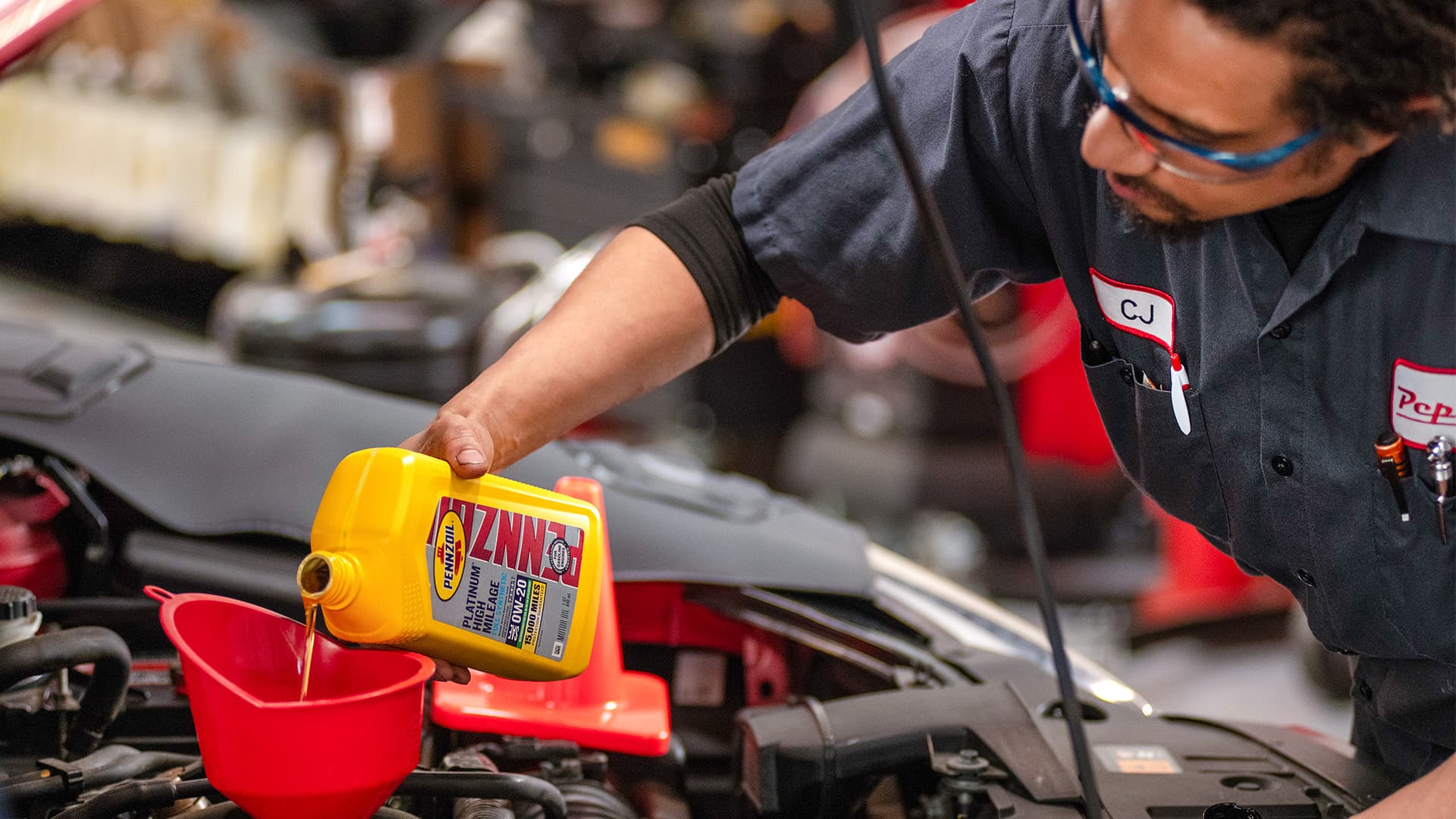
High-mileage Oil
Formulated for vehicles with over 75,000 miles, high-mileage oils contain seal conditioners and extra detergents to reduce leaks and oil consumption.
Example: A 2018 survey by Consumer Reports showed that vehicles using high-mileage oil reported fewer leaks and better engine performance after 100,000 miles compared to those using standard oil.
Data Table: Comparison Of Engine Oil Types
| Oil Type | Best For | Change Interval (Miles) | Average Cost (Per Quart) |
|---|---|---|---|
| Conventional | Older engines, low-stress driving | 3,000, 5,000 | $5, $7 |
| Synthetic | Modern, high-performance engines | 7,500, 15,000 | $8, $12 |
| Synthetic Blend | Mixed driving conditions | 5,000, 7,500 | $6, $9 |
| High-Mileage | Engines with 75,000+ miles | 3,000, 7,500 | $7, $10 |
Pro Tip: For vehicles still under warranty, always use the oil type specified by the manufacturer to avoid voiding coverage.
Credit: www.pepboys.com
How To Choose The Right Engine Oil
Selecting the correct engine oil can be confusing, but a few key factors simplify the process.
Understanding Oil Viscosity
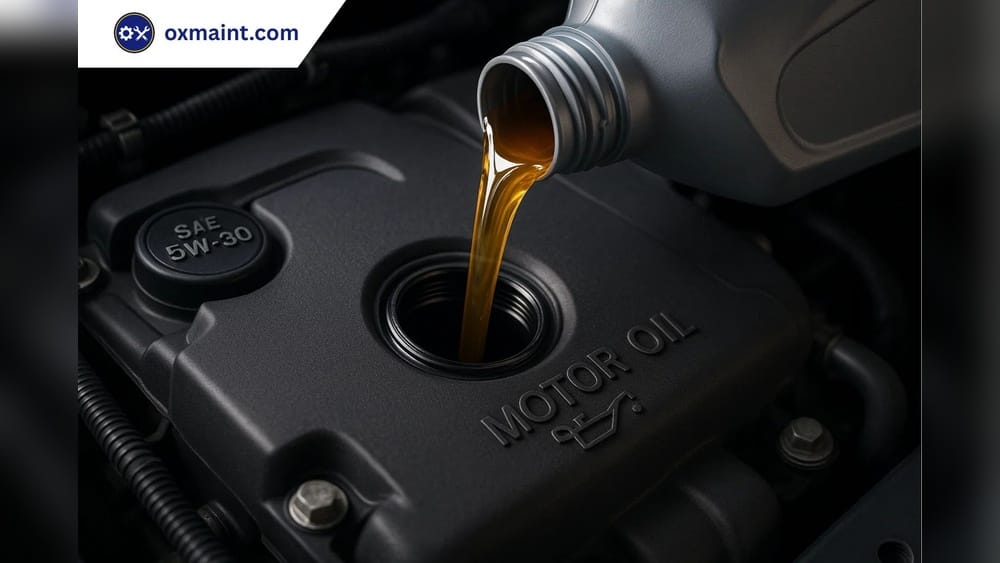
Viscosity is the measure of an oil’s resistance to flow. It’s described by a two-number code (e.g., 5W-30):
- The first number (before the “W”) indicates viscosity at cold temperatures.
- The second number reflects viscosity at operating temperature.
A lower first number means easier cold starts, while a higher second number provides better protection at high temperatures.
Manufacturer Recommendations
Your vehicle’s owner’s manual specifies the recommended oil viscosity and API (American Petroleum Institute) rating. Following these guidelines ensures optimal performance and longevity.
Driving Conditions
Consider your typical driving environment:
- Short trips/city driving: Synthetic or synthetic blend for better protection during frequent cold starts.
- Towing/high loads: Higher viscosity or synthetic oils for enhanced protection.
- Extreme climates: Choose oil with a viscosity range suitable for the temperature extremes in your region.
Certification Labels
Look for oils with certifications such as API SP or ILSAC GF-6, which indicate compliance with industry standards for engine protection and emissions.
Example: Real-world Oil Selection
In a turbocharged sedan, switching from a conventional 5W-30 to a synthetic 5W-30 typically yields noticeably smoother cold starts and improves fuel efficiency by approximately 4% over 10,000 miles.
Engine Oil Maintenance: Best Practices
Routine maintenance ensures engine oil performs its vital functions.
How Often Should You Change Engine Oil?
Recommended intervals vary:
- Conventional oil: Every 3,000, 5,000 miles
- Synthetic oil: Every 7,500, 15,000 miles (check manual)
- Driving conditions: Severe conditions (towing, dusty roads, short trips) may require more frequent changes.
Pro Tip: Always check the oil change indicator or maintenance minder if your car is equipped with one.
How To Check Oil Level And Quality
- Park the car on level ground and let the engine cool.
- Pull out the dipstick, wipe it clean, and reinsert.
- Remove the dipstick again and check the oil level and color.
- Healthy oil: Amber, translucent
- Dirty oil: Dark, gritty, or sludgy
If the oil is below the minimum mark or dirty, an oil change or top-up is needed.
Signs Of Oil Problems
- Unusual engine noises (knocking, ticking)
- Oil warning light on dashboard
- Excessive exhaust smoke (blue or white)
- Oil leaks under the car
- Burning oil smell
Ignoring these warning signs can lead to severe engine damage.
Example: Impact Of Regular Oil Changes
A 2026 report by the Car Care Council found that vehicles with regular oil changes experienced up to 40% fewer major engine repairs compared to those with irregular maintenance schedules.
Data Table: Common Maintenance Intervals
| Vehicle Type | Oil Type | Recommended Change Interval | Notes |
|---|---|---|---|
| Modern gasoline car | Synthetic | 7,500, 10,000 miles | Check manufacturer’s schedule |
| Older vehicle (pre-2000) | Conventional | 3,000, 5,000 miles | Shorter intervals for high mileage |
| Diesel truck | Synthetic blend | 5,000, 7,500 miles | Severe service may require more frequent changes |
Engine Oil Myths And Common Misconceptions
Despite the abundance of information, several myths persist about engine oil.
Myth 1: Dark Oil Means It Needs Changing
Engine oil naturally darkens as it traps contaminants. Color alone isn’t a reliable indicator, follow the recommended interval or use oil analysis for accuracy.
Myth 2: You Can Switch Oil Types At Any Time
Switching from conventional to synthetic oil is safe for most modern engines. However, always consult your owner’s manual and ensure the oil meets the required specifications.
Myth 3: Thicker Oil Provides Better Protection
Using oil with a higher viscosity than recommended can reduce fuel efficiency and impair cold starts. Stick to the manufacturer’s specifications for optimal results.
Myth 4: Synthetic Oil Causes Leaks
High-quality synthetic oils do not cause leaks; however, they can reveal pre-existing gasket or seal issues due to their superior cleaning properties.
Myth 5: All Engine Oils Are The Same
Engine oils vary significantly in formulation, performance, and intended application. Always choose oil certified for your engine type and driving conditions.
Warning: Using the wrong oil can void warranties and cause engine damage.
The Environmental Impact Of Engine Oil
Engine oil’s lifecycle, from production to disposal, affects the environment. Responsible use and disposal are critical for sustainability.
Oil Recycling And Disposal
Used oil contains hazardous substances that can contaminate soil and water. According to the Environmental Protection Agency (EPA), recycling just one gallon of used oil can produce enough lubricating oil for a car’s oil change. Most auto shops and recycling centers accept used oil.
- Never pour oil down drains or onto the ground.
- Use sealed containers for transport to recycling centers.
Advances In Eco-friendly Oils
Manufacturers now offer bio-based and re-refined oils that reduce environmental impact without compromising performance. These oils meet the same standards as conventional products and are increasingly adopted by eco-conscious drivers.
Example: Fleet Sustainability
A major delivery company switched to re-refined oil for its urban fleet, reducing annual oil consumption by 10% and achieving significant waste diversion, according to a 2020 study published by the National Renewable Energy Laboratory.
Data Table: Oil Disposal Methods
| Disposal Method | Environmental Impact | Acceptable? |
|---|---|---|
| Certified recycling center | Low | Yes |
| Household trash | High (contaminates landfill) | No |
| Pouring down drain | Very high (water pollution) | No |
| Auto shop collection | Low | Yes |
Pro Tip: Always use a funnel and gloves when handling used oil to prevent spills and skin contact.
Real-world Examples And Case Studies
Understanding the critical role of engine oil is easier with concrete examples.
Example 1: Synthetic Oil In A Sports Car
A driver of a high-performance sports car switched from conventional to fully synthetic oil. After 20,000 miles, oil analysis showed a significant reduction in engine wear metals (iron and copper) and improved fuel economy by 3%. The engine also ran cooler under track conditions.
Example 2: High-mileage Oil For Aging Sedan
A family sedan with over 120,000 miles began exhibiting minor leaks and oil consumption. Switching to high-mileage oil containing seal conditioners reduced leaks within two oil change cycles. Compression and fuel economy also stabilized.
Example 3: Neglected Oil Change In Delivery Van
A local courier van skipped oil changes for over 20,000 miles. The result: sludge buildup blocked oil passages, leading to catastrophic engine failure. Repairs exceeded $4,000, much higher than the cost of routine oil changes.
Example 4: Eco-friendly Oil Adoption
A municipal fleet adopted bio-based engine oils for their light-duty vehicles. According to a city report, they achieved a 15% decrease in hazardous waste output and met local sustainability targets without sacrificing engine protection.
For more in-depth information on engine oil composition and standards, consult the Wikipedia page on Motor Oil.
Frequently Asked Questions
What Happens If You Use The Wrong Engine Oil?
Using the wrong engine oil can have several negative effects, such as reduced lubrication, increased wear, and improper sealing. It may also cause the engine to run hotter or trigger warning lights. In some cases, using oil that does not meet manufacturer specifications can void your car’s warranty.
If you suspect you’ve used the wrong oil, have it replaced with the correct type as soon as possible.
Can You Mix Different Brands Or Types Of Engine Oil?
It is generally safe to mix oils of the same viscosity and API rating if necessary, such as during an emergency top-up. However, routinely mixing different oil brands or types (e. g. , synthetic with conventional) is not recommended because additive packages can interact unpredictably.
Consistently using a single, manufacturer-recommended oil provides the best results.
How Do You Know When Your Engine Oil Needs To Be Changed?
Apart from following the recommended change interval, signs that your oil needs changing include increased engine noise, the oil change light appearing on your dashboard, noticeably dirty or gritty oil on the dipstick, or a drop in fuel efficiency. Some modern vehicles have oil life monitoring systems that alert you when it’s time for a change.
Regularly checking your oil and consulting your manual is the best approach.
Does Driving Style Affect Engine Oil Life?
Yes, driving style has a direct impact on engine oil degradation. Frequent short trips, stop-and-go traffic, towing, and high-speed driving all accelerate oil breakdown due to increased heat and contamination. If you drive under “severe service” conditions, consider changing your oil more frequently than the standard recommendation.
Is There A Difference Between Car Engine Oil And Motorcycle Engine Oil?
Car and motorcycle engine oils are formulated differently. Motorcycle oils often have to lubricate both the engine and the transmission, and sometimes the clutch, requiring unique additive packages. Using car oil in a motorcycle can lead to clutch slippage or inadequate transmission protection. Always use oil specifically formulated for your type of vehicle. For more details, see the API Engine Oil Guide.
Maintaining the correct engine oil in your vehicle is one of the most cost-effective ways to ensure reliability, efficiency, and long engine life. By understanding the science, types, and best practices around engine oil, you can avoid expensive repairs and keep your car running smoothly for years.
Remember to always consult your owner’s manual, follow recommended maintenance schedules, and dispose of used oil responsibly. For more on this, see how often your car actually needs an oil change. For more on this, see why your car has no oil in it. For more on this, see how to fix the engine oil light. Not sure if your level is actually low? See how to check your engine oil level the right way for the exact steps.
Products related to this article
Sponsored / affiliate links. As an Amazon Associate I earn from qualifying purchases. I may earn additional commission from eligible campaigns.
 ACROPIX Engine Oil Level Indicator Dipstick for Ford Fusion 2010-2012 for Ford Escape 2010-2012 for Ford Fusion 2006-2007 No.6E5Z6750AC Car Parts
 ECOGARD X10023 Cartridge Engine Oil Filter for Conventional Oil - Premium Replacement | Fits 2018-2023 Volkswagen Atlas 3.6L; 2020-2023 Atlas Cross Sport 3.6L