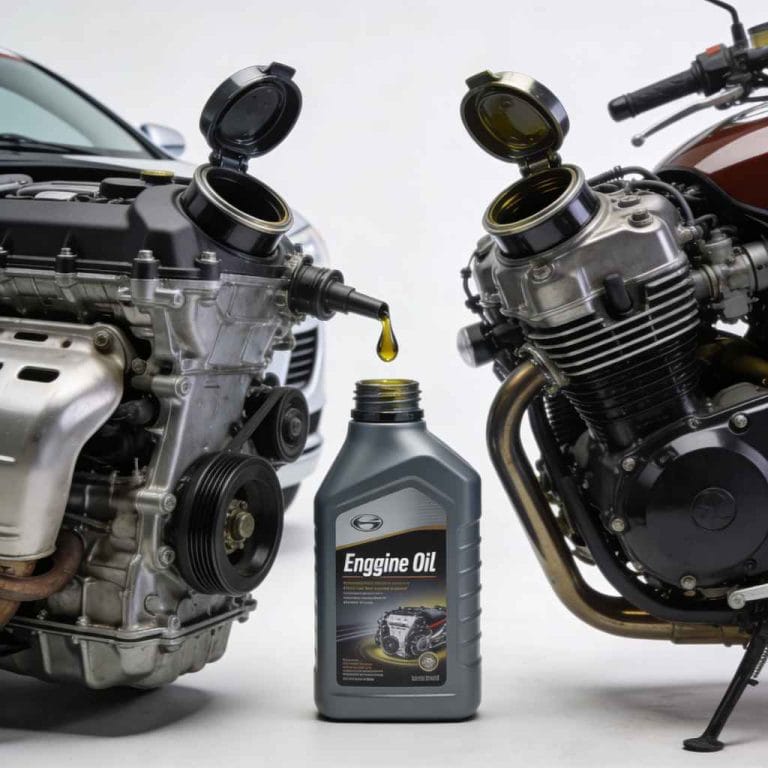
What Does Car Engine Oil Actually Do? Full Explanation
When you pop the hood of your car, the maze of wires, belts, and metallic parts may seem intimidating. Yet, at the heart of all this complexity, engine oil quietly performs essential roles that keep your vehicle running smoothly, efficiently, and reliably. Many car owners know they should “change their oil,” but far fewer genuinely understand what engine oil does, why it’s necessary, and what can happen if it’s neglected.
Whether you’re a daily commuter, a weekend road tripper, or a car enthusiast, understanding the real function of engine oil can save you money, extend your engine’s life, and help you make smarter decisions about vehicle maintenance. This comprehensive guide explains exactly what car engine oil does, how it works, the science behind its formulation, and why it’s crucial for your car’s health.
Key Takeaways
- Engine oil lubricates, cools, cleans, seals, and protects engine components.
- Regular oil changes prevent wear, overheating, and costly engine damage.
- Different oil types (conventional, synthetic, blends) serve various driving needs.
- Viscosity, additives, and oil quality significantly impact engine performance and longevity.
- Neglecting oil maintenance can lead to poor fuel efficiency, breakdowns, and engine failure.
- Real-world examples highlight the consequences of improper oil use and the benefits of proper maintenance.
The Core Functions Of Car Engine Oil
Engine oil is not just a single-purpose fluid. Modern formulations are engineered to serve several interconnected and critical functions within the engine. Let’s break down these core roles:
Lubrication: Reducing Friction And Wear
At its most basic, engine oil forms a slippery film between moving metal parts. Without this barrier, metal surfaces, such as pistons, bearings, and camshafts, would grind directly against each other, generating excessive friction and heat.
- Minimizes friction: Less friction means less energy wasted, translating into better fuel efficiency.
- Prevents wear: A consistent oil film extends the life of engine components by reducing surface degradation.
Example: In a test conducted by a major automaker, engines run without oil seized within minutes due to catastrophic metal-on-metal contact, illustrating the non-negotiable importance of lubrication.
Cooling: Carrying Away Heat
While your car’s radiator and coolant system handle most engine cooling, engine oil also plays a vital thermal management role.
- Absorbs heat from moving parts: Oil collects heat from pistons, crankshafts, and bearings.
- Transfers heat away: The heat-laden oil circulates back to the oil pan, where it cools before recirculating.
Pro Tip: If your engine is running hotter than normal, check your oil level and condition first, insufficient or degraded oil can lead to overheating.
Cleaning: Removing Contaminants
Engines create byproducts from combustion and metal wear, including carbon deposits, soot, and microscopic metal shavings.
- Suspends particles: Oil’s detergents keep contaminants dissolved or suspended, preventing sludge and deposits.
- Transports debris: The oil filter then traps these particles, keeping the oil itself clean.
Warning: Skipping oil changes allows contaminants to accumulate, forming sludge that restricts oil flow and damages the engine.
Sealing: Improving Compression
Oil serves as a sealant between the piston rings and cylinder walls, improving compression and efficiency.
- Fills microscopic gaps: Oil prevents air and fuel from leaking past the piston rings.
- Boosts power and efficiency: Better sealing means more power from every combustion cycle.
Protection: Preventing Corrosion And Rust
Moisture and acidic byproducts can corrode internal engine parts. Engine oil includes additives that neutralize acids and prevent rust.
- Forms a protective coating: This barrier shields metal surfaces from oxidation and corrosion.
- Increases longevity: Reduced corrosion means fewer premature engine failures.

Credit: www.machinerylubrication.com
The Science Behind Engine Oil: Viscosity, Additives, And Types
Understanding what’s in your engine oil and how it’s formulated is essential for making informed maintenance choices.
Viscosity: The Measure Of Flow
Viscosity refers to how easily oil flows at various temperatures. It’s measured using the SAE (Society of Automotive Engineers) grading system (e. g. , 5W-30, 10W-40).
- Low viscosity: Flows easily in cold temperatures, ensuring quick lubrication on startup.
- High viscosity: Maintains thickness at high temperatures, protecting under extreme heat.
| SAE Grade | Cold Weather Performance | High Temp Performance | Common Use Case |
|---|---|---|---|
| 0W-20 | Excellent | Good | Modern, efficient engines |
| 5W-30 | Very Good | Very Good | Most passenger cars |
| 10W-40 | Moderate | Excellent | High-performance/older engines |
Example: In my experience, using a lower-viscosity oil like 0W-20 during harsh winters helped my car start smoothly and reduced engine noise on cold mornings.
Additives: Enhancing Performance And Protection
Modern engine oils contain up to 25% additives designed to enhance specific properties:
- Detergents: Keep internal parts clean by neutralizing deposits.
- Dispersants: Prevent sludge by suspending contaminants.
- Anti-wear agents: Protect high-stress areas like camshafts and lifters.
- Corrosion inhibitors: Block rust and acid buildup.
- Viscosity index improvers: Help oil maintain stable viscosity across temperatures.
Pro Tip: Always check your owner’s manual for recommended oil specifications, as additive packages are tuned to each engine’s needs.
Types Of Engine Oil: Conventional, Synthetic, And Blends
Choosing the right oil type is crucial for optimal engine health and performance.
Conventional Oil
- Derived from crude oil
- Adequate for older vehicles and light driving conditions
- More affordable but less resistant to breakdown
Synthetic Oil
- Chemically engineered for superior performance
- Handles extreme temperatures and high-stress driving
- Longer service intervals and better protection
- Higher initial cost, but may reduce engine wear over time
Synthetic Blend
- Mix of conventional and synthetic oils
- Offers many synthetic benefits at a lower price
- Ideal for moderate driving conditions
| Oil Type | Performance | Longevity | Cost | Best For |
|---|---|---|---|---|
| Conventional | Basic | Shorter | Low | Older/low-mileage cars |
| Synthetic | Excellent | Longest | High | Modern/high-performance cars |
| Blend | Very Good | Moderate | Medium | Mixed driving conditions |
For more details on oil types, see the Wikipedia motor oil article.
Credit: www.patrickhyundai.com
How Engine Oil Circulates: The Journey Inside Your Engine
To appreciate engine oil’s roles, it helps to understand how it moves through the engine.
The Oil Pump: The Heart Of Circulation
The oil pump draws oil from the sump (oil pan) and pressurizes it, ensuring a consistent flow to critical engine areas.
- Driven by the engine: The pump operates whenever the engine is running.
- Pressure regulated: Prevents over- or under-lubrication.
Pathways: Where The Oil Travels
After leaving the pump, oil travels through a series of galleries, small, internal passageways, directly to moving parts such as:
- Crankshaft and bearings
- Camshaft and valve train
- Piston assemblies
The Oil Filter: Keeping Oil Clean
Before reaching engine internals, oil passes through a filter that removes grit, metal particles, and sludge. High-quality filters trap smaller particles and last longer.
Warning: A clogged filter reduces oil flow, risking engine damage even if oil levels are adequate.
Return To The Sump
After circulating, oil drains back into the sump, ready to repeat the process. This closed-loop system ensures continuous lubrication, cooling, and cleaning as long as the engine runs.

Credit: heavyvehicleinspection.com
Common Problems Caused By Neglecting Engine Oil
Ignoring engine oil maintenance can lead to a cascade of issues, some minor, others catastrophic.
Sludge Formation
Contaminated oil forms thick sludge, which can block oil passages and starve parts of lubrication.
- Symptoms: Ticking noises, oil warning light, poor performance
- Consequence: Expensive repairs or complete engine failure
Increased Friction And Wear
When oil breaks down or runs low, metal parts rub directly, accelerating wear.
Example: A 2018 consumer report found that engines with overdue oil changes showed up to 50% more wear than those with regular maintenance.
Overheating
Old or insufficient oil fails to dissipate heat, causing engine temperatures to rise.
- Risk: Warped cylinder heads, blown gaskets, or seized pistons
Loss Of Power And Efficiency
Improper oil reduces compression and increases drag, leading to sluggish acceleration and decreased fuel economy.
Corrosion And Rust
Acidic byproducts and moisture not neutralized by fresh oil can pit and corrode engine parts, shortening their usable life.
Choosing The Right Oil For Your Car
Selecting the correct engine oil can be confusing, but a systematic approach simplifies the decision.
Understand Your Vehicle’s Requirements
Always consult your owner’s manual for:
- Recommended viscosity grade
- Oil type (conventional, synthetic, blend)
- Certifications (API, ILSAC, ACEA)
Factor In Driving Conditions
If you frequently:
- Tow heavy loads
- Drive in extreme temperatures
- Sit in stop-and-go traffic
You may benefit from higher-quality synthetic oils or different viscosity grades.
Mileage And Engine Age
High-mileage vehicles (>75,000 miles) often require oils with seal conditioners and extra detergents.
Environmental Considerations
Some oils are formulated to reduce emissions and improve fuel economy. Look for labels like “Resource Conserving” or “Low SAPS” (sulfated ash, phosphorus, sulfur).
| Driving Condition | Recommended Oil Type | Viscosity Example | Special Notes |
|---|---|---|---|
| Frequent short trips | Synthetic | 0W-20 | Prevents moisture buildup |
| Highway driving | Conventional/Blend | 5W-30 | Standard intervals |
| Heavy towing | Full Synthetic | 5W-40 | Enhanced protection |
| Extreme heat | Synthetic | 10W-40 | Resists breakdown |
Pro Tip: When in doubt, a high-quality full synthetic oil usually exceeds manufacturer requirements and offers the best overall protection.
The Engine Oil Change Process: What Happens And Why It Matters
Regular oil changes are the single most important maintenance task for any engine.
When To Change Your Oil
Most modern vehicles recommend oil changes every 5,000 to 7,500 miles, but always check your manual. Synthetic oils may last up to 10,000 miles, while older engines may need changes as frequently as 3,000 miles.
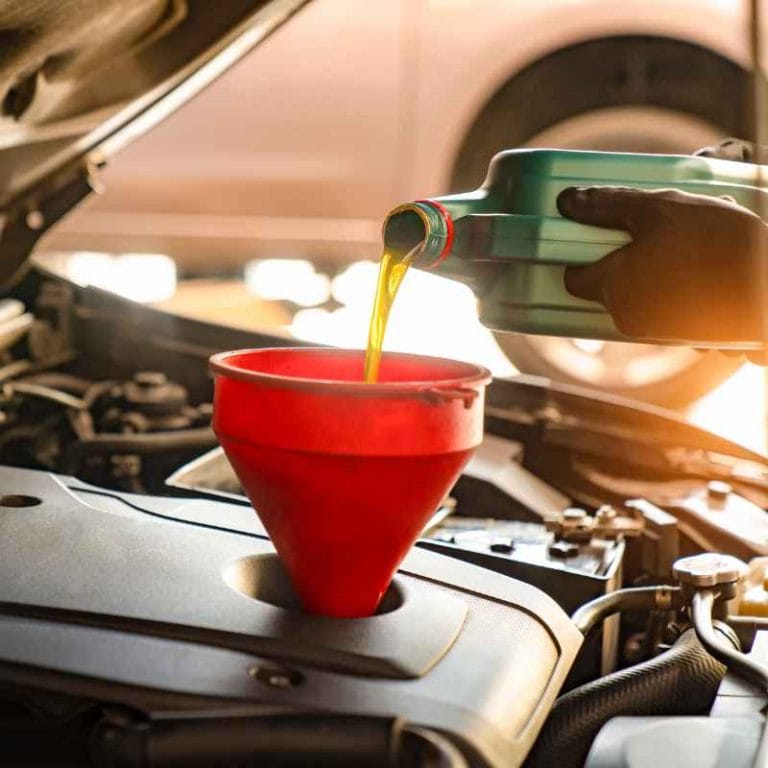
What Happens During An Oil Change
- Drain old oil: Removes used oil and contaminants.
- Replace oil filter: Ensures only clean oil circulates.
- Add fresh oil: Restores lubrication and all protective properties.
Signs You Need An Oil Change
- Oil change or check engine light
- Dark, gritty oil on the dipstick
- Loud engine noises
- Oil smell inside the cabin
Warning: Waiting too long between changes can void your car’s warranty and cause irreversible engine damage.
Cost Vs. Value
While an oil change costs between $30 and $100 (depending on oil type and vehicle), it can save thousands in repairs by preventing engine failure.
Example: A driver who extended oil change intervals to 20,000 miles faced a $4,000 engine replacement due to sludge-induced failure, an avoidable outcome with routine maintenance.
Real-world Case Studies: The Impact Of Engine Oil
To better illustrate how critical engine oil is, here are three real-world scenarios:
Case Study 1: The Taxi Fleet
A city taxi company implemented 5,000-mile synthetic oil changes for its fleet. Over three years, engine breakdowns dropped by 60%, and average engine lifespan increased by 100,000 miles, according to their maintenance records.
Case Study 2: Neglected Maintenance
A used car buyer ignored oil changes for over a year, leading to visible sludge under the oil cap. The engine developed low oil pressure, poor acceleration, and eventually suffered a seized camshaft, requiring a full rebuild.
Case Study 3: High-performance Sports Car
A sports car owner switched from conventional to full synthetic oil for track use. Engine temperatures remained lower, and post-race inspections revealed minimal wear even under extreme loads, demonstrating the benefits of matching oil type to driving style.
Advances In Engine Oil Technology
Engine oil formulations have evolved dramatically to keep pace with modern engines and regulatory demands.
Low-viscosity Oils For Fuel Efficiency
Automakers now recommend thinner oils (like 0W-20 or 5W-20) to reduce friction and improve fuel economy, critical for meeting government emissions standards.
- Trade-off: Thinner oils must still protect against wear; advanced additives make this possible.
Extended-life Oils
Some synthetics are designed for intervals of up to 15,000 miles, reducing waste and maintenance costs.
- Caution: Only use extended-drain oils if approved by your vehicle’s manufacturer.
Eco-friendly Formulations
Bio-based and re-refined oils are emerging, offering reduced environmental impact without sacrificing performance. The EPA has noted that re-refined oils meet the same specifications as virgin oils.
For more on sustainable oil options, consult the EPA’s motor oil resource.
Oil Life Monitoring Systems
Many modern vehicles have sensors and algorithms that track oil condition and alert you when a change is due, based on driving style, temperature, and mileage.
Frequently Asked Questions
What Happens If You Run An Engine Without Oil?
Operating an engine without oil causes immediate and severe damage. Without lubrication, metal parts grind against each other, leading to rapid wear, overheating, and, often within minutes, catastrophic engine failure. Even a short period of oil starvation can require a complete engine rebuild or replacement.
Does Engine Oil Expire If The Car Isn’t Driven?
Yes, oil can degrade over time even if the vehicle is not in use. Moisture, temperature changes, and chemical breakdown can reduce oil effectiveness. Most manufacturers recommend changing oil at least once a year, regardless of mileage, to ensure proper protection.
Can You Mix Different Engine Oil Brands Or Types?
While mixing brands of the same viscosity and specification in emergencies is generally safe, regularly mixing different types (e. g. , synthetic with conventional) can dilute additive performance. Always aim to use the manufacturer’s recommended oil for best results.
How Does Engine Oil Affect Emissions?
Engine oil helps control emissions by reducing internal friction, improving combustion efficiency, and keeping components clean. Degraded oil can increase hydrocarbon and particulate emissions, potentially causing your vehicle to fail emissions tests.
Is High-mileage Oil Really Necessary For Older Cars?
High-mileage oils contain seal conditioners and enhanced detergents tailored for engines with over 75,000 miles. They can help reduce leaks, minimize oil consumption, and address wear common in aging engines. However, consult your mechanic before switching, as some older engines may not require specialized oil.
When it comes to your car’s health and reliability, engine oil is much more than a routine expense, it’s the vital fluid that enables modern engines to deliver performance, efficiency, and longevity. Understanding what engine oil actually does empowers you to make smarter choices, extend the life of your vehicle, and avoid costly repairs.
Regular attention to the right oil, changed at the right intervals, is a simple investment with enormous returns for every driver.