Is it Ok to Leave Pedals Plugged in? (Expert Answer)
Leaving guitar pedals plugged in is generally okay for short periods, but it’s best practice to unplug them when not in use. This helps prevent unnecessary battery drain, protects against power surges, and can extend the lifespan of your equipment.
The Heart of the Matter: Why You’re Asking
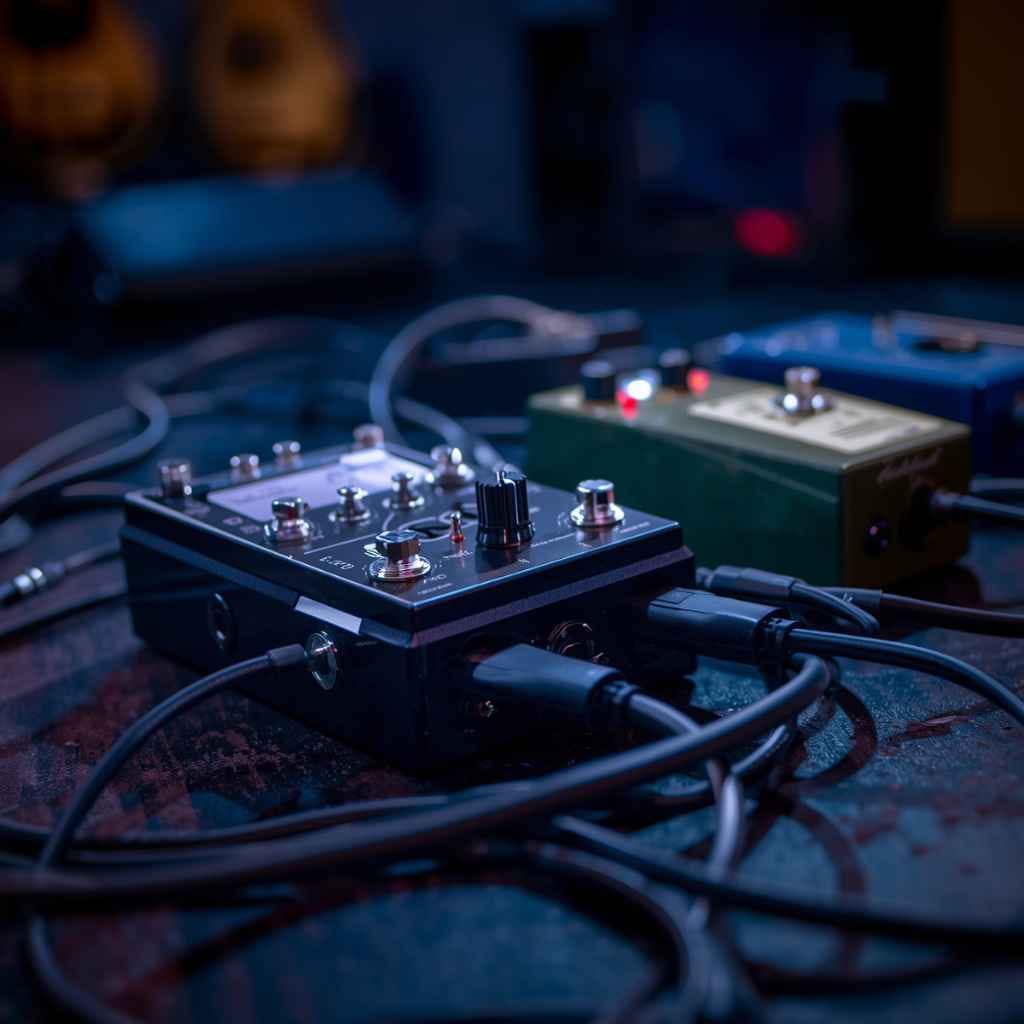
When you’re done playing, the last thing you want to do is pack everything up perfectly. Often, pedals are left connected. They are sitting there, silently waiting for the next time you pick up your guitar.
But what if that silent waiting is actually causing harm? What if leaving them plugged in is slowly degrading your beloved effects? This is where confusion often starts.
Many people worry about the battery life. If a pedal has batteries, leaving it plugged in can drain them fast. Then there’s the electricity itself.
Could a power surge damage the pedal when it’s just sitting there? These are valid concerns. They come from a place of wanting to protect your investment.
Your pedals are not just tools; they are part of your sound, your creativity.
Understanding the real risks and best practices helps you feel confident. It means you can make smart choices for your gear. You’ll know when it’s okay to leave them connected and when it’s better to disconnect.
This guide will walk you through it, step by step. We’ll break down the technical stuff into easy-to-understand ideas. You’ll learn how to best care for your pedals.
Understanding How Pedals Use Power
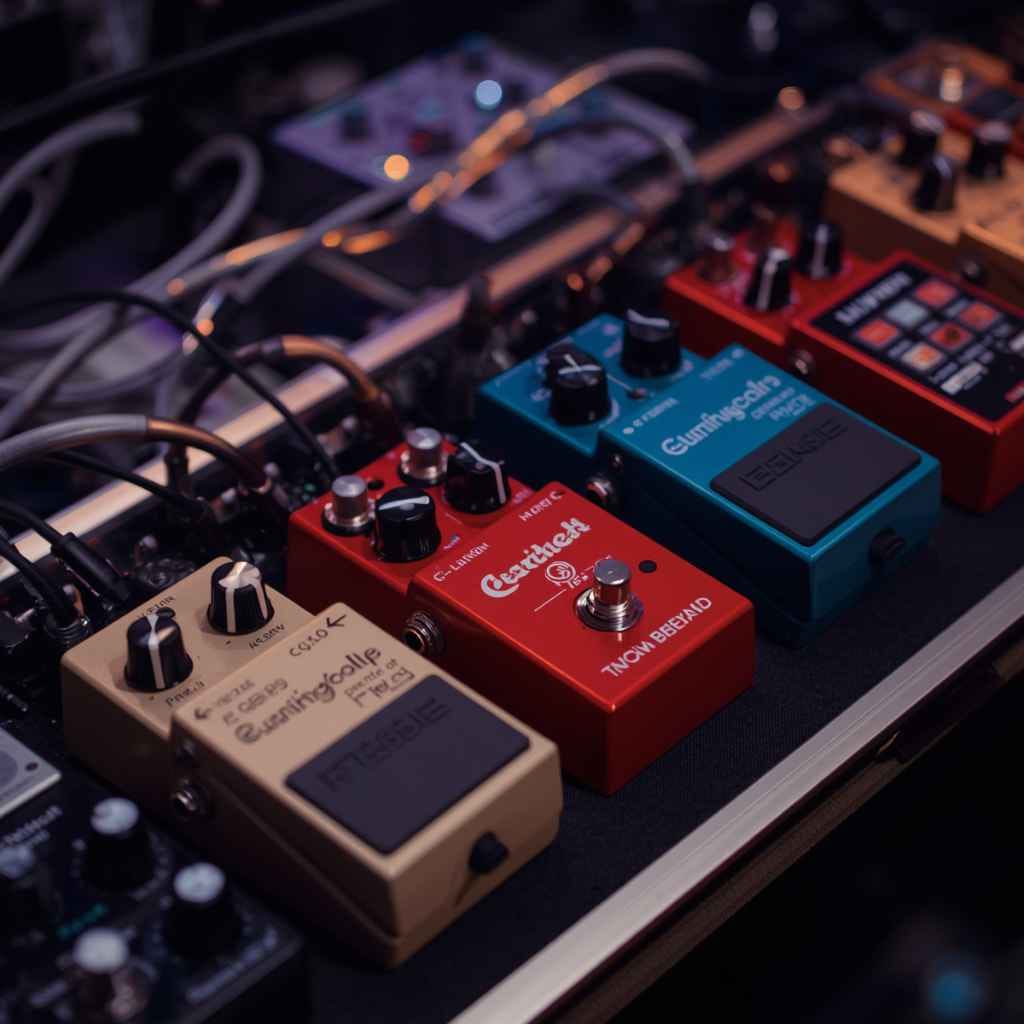
Pedals need electricity to do their magic. They take your guitar’s signal and change it. This makes your sound brighter, darker, fatter, or more wild.
This transformation requires power. How they get that power is usually one of two ways: batteries or a power supply.
Batteries are common in older pedals. They offer a portable solution. You can play anywhere without being near an outlet.
But batteries have a limited charge. Once the power is gone, they need replacing. If a pedal is left plugged in, even if it’s not “on” in the usual sense, it can still draw a small amount of power from the battery.
This is like a slow leak.
Most modern pedals use a power adapter. This connects to a wall outlet. The adapter steps down the voltage to a level the pedal can use.
These adapters also provide a steady stream of power. When the adapter is plugged into the wall and the pedal, the pedal is ready to receive power. Even when the pedal isn’t actively making sound, it might still be using a tiny bit of electricity.
This is often called standby power or phantom power.
The amount of power used is usually very small. But over time, this small draw can add up. It’s not about the pedal being “on” and processing sound.
It’s about the internal circuits needing a small current to stay ready or to power indicator lights.
Power Draw: What’s Actually Happening?
Battery Pedals:
- When a cable is plugged into the input jack of most battery-powered pedals, it completes a circuit. This turns the pedal on.
- Leaving a cable plugged in will slowly drain the battery, even if the effect is bypassed or the pedal isn’t actively making noise.
- Some pedals have a switch that cuts the battery when no cable is plugged in. This is a smart design.
Power Adapter Pedals:
- These pedals draw power from the adapter when it’s connected to both the wall and the pedal.
- The draw is usually very low when the pedal is bypassed or off.
- Indicator lights often use a small amount of this power.
The Battery Drain Debate
This is where the strongest argument against leaving pedals plugged in comes from. If your pedal runs on a 9-volt battery, leaving it plugged in is usually a bad idea. Think about it like this: if you leave your phone charger plugged into the wall, it’s not really using much power.
But if you left your phone plugged into a battery pack, it would drain the pack.
Guitar pedals are similar. When you insert a guitar cable into the input jack, it usually connects the battery to the pedal’s circuitry. This allows the pedal to “wake up” and function.
Even if the pedal is set to bypass mode, meaning it’s letting your guitar signal pass through unchanged, it’s still drawing power from the battery.
This draw is often called “phantom drain.” It’s not enough to make the pedal sound weak immediately. But over days or weeks, a battery can be completely depleted. This means you might reach for your pedal for a gig or practice, only to find the battery is dead.
It’s a common frustration.
Some pedal manufacturers are smart about this. They build a switch into the power jack. When a plug is inserted, it completes a circuit.
But when no plug is in, it breaks the circuit, saving the battery. However, not all pedals have this feature. For those that don’t, leaving the cable in is like leaving a light on in an empty room.
Tips for Battery-Powered Pedals:
- Always unplug the guitar cable from the input jack when you are finished playing.
- Remove the battery if you won’t be using the pedal for an extended period (more than a few days).
- Consider pedals with battery-saving features, like auto-off when unplugged.
My own experience with batteries is a good reminder. I used to have a delay pedal that I loved. I’d leave the cable plugged in after playing, thinking it was no big deal.
One day, I was at a friend’s house, ready to play. My pedal was dead. I had to borrow a battery.
It was embarrassing and frustrating. Since then, I make it a habit to unplug the cable. It’s a small step that saves a lot of hassle.
Power Surges and Your Pedals
This is another area where people get concerned. We all know that thunderstorms can be scary for electronics. A power surge is a sudden, brief increase in voltage.
This can happen for many reasons, not just lightning. Flickering lights in your house, appliances cycling on and off, or even work being done on the power grid can cause smaller surges.
When a significant surge hits, it can overload sensitive electronic components. This can lead to damage. For a pedal connected to a power adapter that is plugged into the wall, a surge can travel through the adapter and into the pedal.
This is true even if the pedal is bypassed or “off.”
Leaving pedals plugged in when not in use makes them vulnerable to these surges. It’s like leaving your phone plugged in during a lightning storm. The risk is there.
It might be small for minor surges, but for a big one, it can be catastrophic for your gear.
The adapter itself can sometimes absorb some of the surge. However, many adapters are not designed with advanced surge protection. They are made to convert AC power to DC power reliably.
So, what’s the solution here? Unplugging the power adapter from the wall outlet when you’re not using your pedals is the best defense. This physically disconnects the pedal from the electrical grid, making it safe from surges.
Think of it as putting your pedals to bed for the night, safe and sound.
Surge Protection: A Quick Look
Myth: My power strip protects my pedals from surges.
Reality: Many basic power strips offer little to no surge protection. Even those with protection have a limit and can wear out over time. Dedicated surge protectors are better, but unplugging is the surest way.
When Unplugging Matters Most:
- During thunderstorms
- If you experience frequent power fluctuations
- For expensive or critical pedal setups
I remember a time when a storm rolled in while I was out. The power flickered several times. When I got home, my computer monitor had lines on it.
It was a minor issue, but it made me think. What if my pedalboard was still plugged in? That kind of damage could ruin a good pedal.
Now, I make sure to unplug my main music gear when storms are expected. It’s a peace of mind thing.
The Long-Term Wear and Tear Factor
Beyond immediate battery drain and surge risks, there’s the idea of general wear and tear. Electronic components don’t last forever. Constant exposure to electricity, even at low levels, can contribute to their aging process.
Think of it like a car engine. Even when it’s idling, it’s using fuel and showing signs of wear. When you turn the engine off, it stops using fuel and the wear stops.
Pedals are similar, though much less dramatic. Keeping them “hot” with constant power might, over a very long time, contribute to the degradation of internal components.
This is more of a theoretical concern for most well-built pedals. Modern pedals are designed to be robust. However, if you want your pedals to last for decades, minimizing unnecessary electrical exposure is a good idea.
It’s about preserving the components for as long as possible.
This also applies to the power adapter itself. Leaving an adapter plugged into the wall means it’s always “on,” even if the pedal is disconnected. This can contribute to its own aging process.
Plus, adapters can get warm when plugged in, which is a sign of energy conversion and slight inefficiency.
What About Pedalboard Power Supplies?
Many guitarists use a dedicated pedalboard power supply. These units power multiple pedals at once from a single wall outlet. The question of leaving these plugged in is similar to leaving a single pedal’s adapter plugged in.
The power supply unit itself is an electronic device. It’s constantly drawing a small amount of power when plugged into the wall. This keeps its internal components active and ready.
If there’s a power surge, the power supply could be vulnerable.
Additionally, many pedalboard power supplies have LED lights that indicate they are on. These lights are powered by the unit itself. While the energy draw is usually minimal, it’s still present.
If you have a high-quality pedalboard power supply, it might have some built-in surge protection. However, it’s never a guarantee against a major electrical event. For maximum safety, unplugging the entire power supply unit from the wall outlet when your pedalboard is not in use is the best strategy.
This also helps to prevent any phantom power draw from the power supply itself, which can, in turn, slightly reduce overall energy consumption. It’s a simple step that adds a layer of protection for your entire pedal setup.
Pedalboard Power Supplies: Key Points
Central Hub: Your pedalboard power supply is the heart of your setup. Protecting it protects all your pedals.
Standby Power: Like individual adapters, these units draw a small amount of power when plugged in, even if no pedals are connected.
Surge Vulnerability: They are susceptible to power surges, just like any other electronic device.
Recommendation: Unplug the main power supply unit from the wall when your pedalboard is not in use.
I’ve seen friends lose entire power supplies to a bad surge. It wasn’t even during a massive storm, just a local dip and spike. It fried the power supply, and they had to replace everything connected to it.
That’s a costly lesson. It taught me to always think about what’s connected to the wall.
When Leaving Them Plugged In Might Be Okay (with Caveats)
There are certain situations where leaving pedals plugged in for a short time is unlikely to cause harm. These are usually temporary situations, not long-term storage.
Scenario 1: Short Breaks During a Session. If you’re practicing at home and take a 15-minute break, leaving your pedals plugged in is generally fine. The power adapter is connected, but your pedals are likely bypassed or not actively being used. The risk of a surge during such a short, controlled period is very low.
Scenario 2: Before a Gig or Practice. If you set up your rig an hour before a gig and leave everything plugged in, that’s usually okay. You’re actively using the setup, and the power draw is not a concern. It’s the period after you finish playing, when the gear is left unattended for days or weeks, that is more problematic.
Scenario 3: Pedals with Power-Saving Features. Some modern pedals have intelligent power management. They might have a feature that cuts battery power when a cable is plugged into the input, or they might have a very, very low standby power draw that’s negligible.
Even in these situations, it’s crucial to be mindful. If you live in an area with unstable power, or if thunderstorms are frequent, it’s always safer to unplug. The key word here is “temporary.” These are not recommendations for leaving your gear plugged in for extended periods.
It’s also important to distinguish between a pedal being plugged into its power adapter and being connected to a power source via a cable. A pedal connected via its power adapter to a wall outlet is in a different state than a battery-powered pedal with a cable plugged into its input jack. The latter is almost always actively draining the battery.
Real-World Habits and What They Mean
Let’s talk about common habits in U.S. homes. Many people leave chargers plugged in all the time.
Phone chargers, laptop chargers, even small appliance chargers. This is often done for convenience. The thinking is that if the device isn’t attached, the charger isn’t doing anything.
This habit extends to musical equipment. Guitarists might leave their pedalboard plugged in because it’s easier than unplugging everything. The thought is that the pedalboard is just sitting there, so it’s harmless.
However, this overlooks the potential risks we’ve discussed.
In a typical American home, power grids are generally stable. However, localized issues can and do occur. Appliances in the home itself can cause minor voltage fluctuations.
Leaving electronics plugged in makes them constantly exposed to these variations.
For musical gear, the stakes can be higher. Pedals can be expensive. They are crucial for a guitarist’s sound.
Protecting them becomes a priority. The habit of convenience needs to be weighed against the potential for damage or premature wear.
Consider your setup. If you have a small, inexpensive pedal or two, the risk might feel smaller. But if you have a pedalboard filled with vintage analog pedals, boutique overdrive units, or expensive digital multi-effects, the incentive to protect them increases significantly.
What This Means For Your Pedals
So, is it okay to leave pedals plugged in? The short answer is: it’s not ideal, and it’s better not to.
When it’s generally fine (but still not best practice):
- For a few hours after playing, before you pack up.
- When the pedal is completely turned off and disconnected from any input/output cables, and you are only relying on its power adapter.
When you absolutely should NOT leave them plugged in:
- Battery-powered pedals: If a cable is plugged into the input jack, it WILL drain the battery.
- Overnight or for days: This is when battery drain becomes significant, and the risk of power surges becomes more relevant.
- During thunderstorms or known power fluctuations.
- When the pedal is not in use for extended periods (weeks or months).
The best practice is to unplug your pedals from their power source (either remove the battery or unplug the adapter from the wall) when you are finished playing. This simple act provides the most protection against battery drain and power surges.
It’s about being proactive. Instead of waiting for a problem to occur, you take steps to prevent it. This approach not only protects your gear but also saves you money and frustration in the long run.
It allows you to focus on what matters most: making great music.
Normal vs. Concerning Scenarios
Normal:
- Unplugging pedals right after a practice session.
- Using a new battery for a gig.
- Occasionally forgetting to unplug for a few hours.
Concerning:
- Leaving battery pedals plugged in for days.
- Leaving entire pedalboards plugged in for weeks.
- Experiencing power outages or surges while gear is connected.
- Constantly needing to replace batteries in pedals.
Simple Steps for Peace of Mind
Here are some easy things you can do to take care of your pedals:
For Battery Pedals:
- Unplug the input cable when done playing. This is the number one rule.
- Remove the battery if storing for more than a week.
- Keep spare batteries handy, but don’t rely on them if you forget to unplug.
For Adapter-Powered Pedals:
- Unplug the power adapter from the wall outlet when not in use.
- Consider a power strip with surge protection, but don’t rely on it as your only defense. Unplugging the strip itself is best.
- Invest in good quality adapters; they can sometimes offer better protection than cheap ones.
For Pedalboard Power Supplies:
- Unplug the main power cable from the wall when your board is not in use.
- Organize your cables so unplugging is easy and quick.
These are not complicated tasks. They are small habits that contribute to the longevity and reliability of your gear. By taking these simple steps, you ensure your pedals are ready when inspiration strikes, without worrying about dead batteries or electrical damage.
Frequently Asked Questions
Do I need to unplug my pedals every time I stop playing?
It’s best practice to unplug battery-powered pedals’ input cables and adapter-powered pedals’ power adapters from the wall when you’re finished playing. This prevents battery drain and protects against surges. For short breaks, it’s usually fine, but for longer periods, unplugging is recommended.
Will leaving my pedals plugged in damage them?
Leaving pedals plugged in can lead to battery drain if they are battery-powered. For adapter-powered pedals, there’s a small risk of damage from power surges. Over a very long time, constant power draw might contribute to component wear, but the main concerns are batteries and surges.
What is the difference between battery and adapter power when it comes to leaving them plugged in?
Battery-powered pedals with a cable plugged in will actively drain the battery. Adapter-powered pedals draw a small amount of standby power and are exposed to power surges. Both scenarios are best avoided for extended periods.
Are all power adapters the same for surge protection?
No. Most standard power adapters offer very little to no surge protection. High-quality adapters or dedicated surge protectors offer more, but unplugging your equipment is the most reliable way to protect it from electrical surges.
How long does a 9-volt battery typically last in a pedal?
Battery life varies greatly by pedal and usage. A typical 9-volt battery might last anywhere from 10 to 100 hours of active use. However, if left plugged in, it can be drained much faster, sometimes within days, due to phantom drain.
Should I remove batteries from pedals I don’t use often?
Yes, absolutely. If you don’t plan to use a battery-powered pedal for more than a week or two, it’s wise to remove the battery. This prevents any chance of leakage or drain and ensures the battery remains fresh for when you need it.
Final Thoughts on Pedal Power
Taking care of your guitar pedals means understanding how they work and what keeps them running. Leaving them plugged in all the time might seem convenient, but it carries small risks. These risks involve dead batteries, potential damage from power surges, and general wear over time.
By adopting the simple habit of unplugging your pedals when you’re done playing, you protect your investment. You ensure your gear is reliable and ready for your next creative moment. It’s a small effort for significant peace of mind.
See also is pedal commander worth it for tacoma honest review here. See also how much does a pedal pub cost pricing breakdown inside.
Products related to this article
Sponsored / affiliate links. As an Amazon Associate I earn from qualifying purchases. I may earn additional commission from eligible campaigns.