What Happens When Car Engine Oil Is Low? Act Fast Now
Every driver knows that regular maintenance is the lifeblood of a reliable vehicle, yet one of the most overlooked aspects is the car’s engine oil level. The consequences of letting engine oil run low can be catastrophic, not just for your wallet but for your safety and peace of mind.
Whether you’re a daily commuter or a weekend road tripper, understanding the dangers of low oil and acting promptly is essential to preserving your car’s performance and longevity.
Engine oil does far more than lubricate moving parts, it acts as a coolant, a cleaner, and a shield against wear. When oil levels drop, these vital functions are compromised, rapidly escalating into mechanical failures that can leave you stranded, facing costly repairs, or even engine replacement.
This article draws on real-world examples, data, and expert advice to explain exactly what happens when engine oil is low, why immediate action is crucial, and how you can protect your vehicle from preventable damage.
Key Takeaways
- Low engine oil leads to rapid wear, overheating, and potential engine failure.
- Symptoms include warning lights, strange noises, reduced performance, and increased emissions.
- Immediate action can prevent thousands of dollars in damage and keep you safe.
- Regular checks, using the correct oil type, and timely maintenance are your best defense.
- Real-world case studies highlight the severe impact of ignoring oil levels.
- Consult a professional mechanic for persistent issues or uncertainties.

Credit: www.mallofgamazda.com
The Critical Role Of Engine Oil In Your Car
Engine oil is often described as the “lifeblood” of a vehicle, and for good reason. The internal combustion engine relies on this fluid to perform several essential functions:
Lubrication And Friction Reduction
The primary purpose of engine oil is to lubricate the moving parts within the engine. Without sufficient oil, metal components grind against each other, causing excessive friction and rapid wear. This friction can quickly escalate, leading to irreversible damage such as scoring, pitting, and even catastrophic failure of the engine’s internal parts.
Cooling And Temperature Regulation
Oil also helps regulate engine temperature by absorbing heat generated during combustion and friction. When oil levels are low, this cooling effect is diminished, causing the engine to run hotter. Overheating can warp metal parts, blow gaskets, and ultimately seize the engine.
Cleaning And Contaminant Removal
As oil circulates, it picks up dirt, debris, and microscopic metal shavings, carrying them to the oil filter. Insufficient oil means contaminants remain suspended, increasing the risk of sludge buildup and blocked oil passages.
Protection Against Corrosion
Engine oil forms a thin protective layer on metal surfaces, shielding them from moisture and corrosive byproducts. A low oil level exposes these parts to corrosion, undermining their structural integrity over time.
Example: Routine Oil Checks Prevent Disaster
One driver reported noticing a faint ticking sound after skipping routine oil checks for several months. A quick inspection revealed dangerously low oil levels. After topping up, the noise disappeared, and the engine’s performance improved, demonstrating how timely attention can avert damage.

Credit: www.mallofgamazda.com
Immediate Consequences Of Low Engine Oil
When engine oil drops below the recommended level, the effects are swift and severe. Here’s what happens inside your car:
Increased Engine Friction
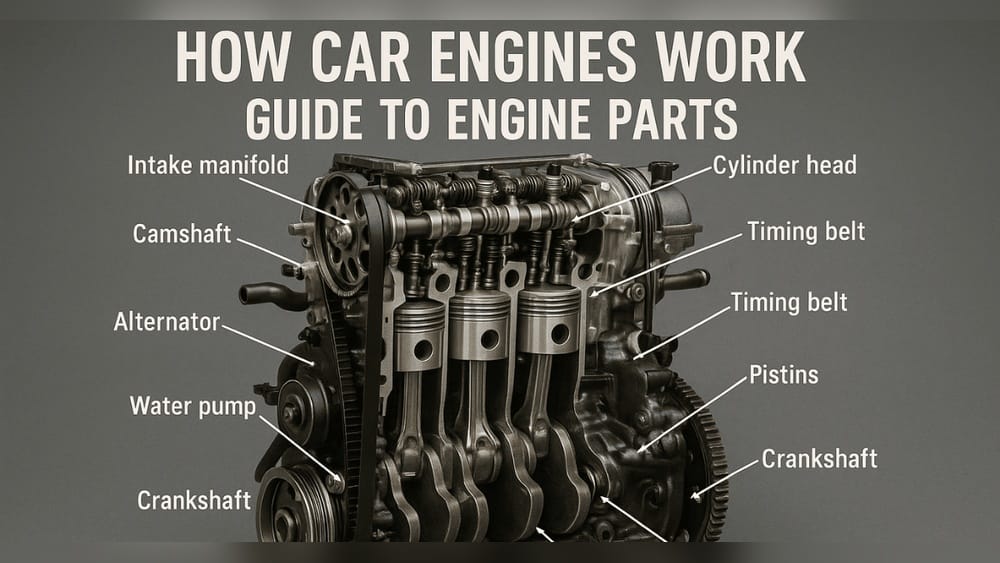
With less oil, moving parts experience direct metal-to-metal contact, causing rapid wear. This friction generates excessive heat and can destroy components such as bearings, pistons, and camshafts.
Overheating And Thermal Damage
Without sufficient oil to absorb and dissipate heat, the engine temperature rises quickly. Overheating can warp cylinder heads, damage seals and gaskets, and ultimately cause the engine to seize.
Loss Of Oil Pressure
Low oil levels reduce oil pressure, which is critical for distributing lubrication throughout the engine. This can trigger warning lights and, if ignored, result in catastrophic engine failure.
Increased Emissions And Pollution
Insufficient oil can lead to incomplete combustion, raising hydrocarbon emissions and risking failed emissions tests. You may notice blue or gray smoke from the exhaust, a sign of oil burning in the cylinders.
Example: Ignoring Oil Warning Lights
A recent case involved a driver who ignored the oil pressure warning light, assuming it was a sensor malfunction. Within days, the engine overheated and seized, requiring a complete rebuild, a repair costing over $4,000, according to the National Highway Traffic Safety Administration.

Credit: www.rickenbaughcadillac.com
Warning Signs Your Engine Oil Is Low
Recognizing early symptoms of low engine oil can mean the difference between a quick fix and a major repair. Here are the most common warning signs:
Dashboard Warning Lights
Most modern cars feature an oil pressure warning light. If this illuminates, stop your vehicle immediately and check the oil level.
Unusual Engine Noises
Low oil often causes knocking, ticking, or rumbling sounds as metal parts collide without adequate lubrication.
Performance Issues
You may notice sluggish acceleration, reduced power, or rough idling. These symptoms indicate increased internal friction and stress.
Burning Smell And Exhaust Smoke
A burning oil smell or visible smoke from the exhaust often signals oil entering the combustion chamber, a symptom of low oil or internal leaks.
Excessive Engine Heat
If your engine temperature gauge rises abnormally, low oil could be the culprit. Overheating is a clear sign to act fast.
Example: Real-time Oil Pressure Monitoring
Some vehicles have advanced oil pressure sensors. In my experience, driving a car equipped with real-time monitoring allowed me to spot a sudden drop in oil pressure after a minor leak, preventing engine damage by stopping and topping up immediately.
Long-term Damage From Running On Low Engine Oil
The consequences of running your car with low oil extend far beyond immediate symptoms. Here’s what happens over time:
Accelerated Wear And Tear
Repeated episodes of low oil levels cause cumulative wear, shortening the lifespan of critical components like the crankshaft, camshaft, and valves.
Engine Seizure
If oil runs out completely, the engine can seize, locking up the moving parts and requiring a costly replacement. According to Wikipedia, engine seizure is one of the most common causes of total engine failure.
Sludge Build-up
Without adequate oil flow, contaminants accumulate and form sludge, which blocks oil passages and exacerbates wear.
Reduced Fuel Economy
Low oil levels increase friction, causing the engine to work harder and burn more fuel. This means higher costs at the pump and increased environmental impact.
Expensive Repairs
Repairing or replacing an engine damaged by low oil can cost thousands of dollars. The Automotive Service Association estimates engine replacement costs range from $3,000 to $7,000 for most vehicles.
Example: Fleet Vehicle Maintenance
A logistics company found that regular oil checks reduced engine failures by 30% across its fleet, saving tens of thousands in repair costs. This highlights the importance of preventive maintenance for commercial vehicles.
Comparing Low Engine Oil Effects: Data Table
To better illustrate the effects of low engine oil, here’s a comparison table summarizing key consequences:
| Oil Level | Engine Symptoms | Potential Repairs | Estimated Cost |
|---|---|---|---|
| Normal | Smooth operation, optimal temperature | Routine maintenance | $50, $100 (oil change) |
| Slightly Low | Mild noise, increased heat | Possible minor repairs | $100, $300 |
| Moderately Low | Knocking sounds, warning lights | Component replacement (e.g., bearings) | $500, $1,500 |
| Critically Low | Engine seizure, heavy smoke | Engine rebuild or replacement | $3,000, $7,000 |
How To Check And Maintain Engine Oil Levels
Routine oil checks are a simple, effective way to prevent engine damage. Here’s how to do it and what to look for:
Checking Oil Level With The Dipstick
- Park your car on a level surface and turn off the engine.
- Wait five minutes for oil to settle.
- Locate the dipstick (usually marked yellow or orange).
- Pull out, wipe clean, reinsert, and then remove again to check the oil level.
- The oil should be between the “Min” and “Max” marks.
Assessing Oil Quality
- Color: Fresh oil is amber; old oil is dark and dirty.
- Consistency: Oil should be smooth, not gritty or sludgy.
- Smell: A burnt odor indicates overheating or contamination.
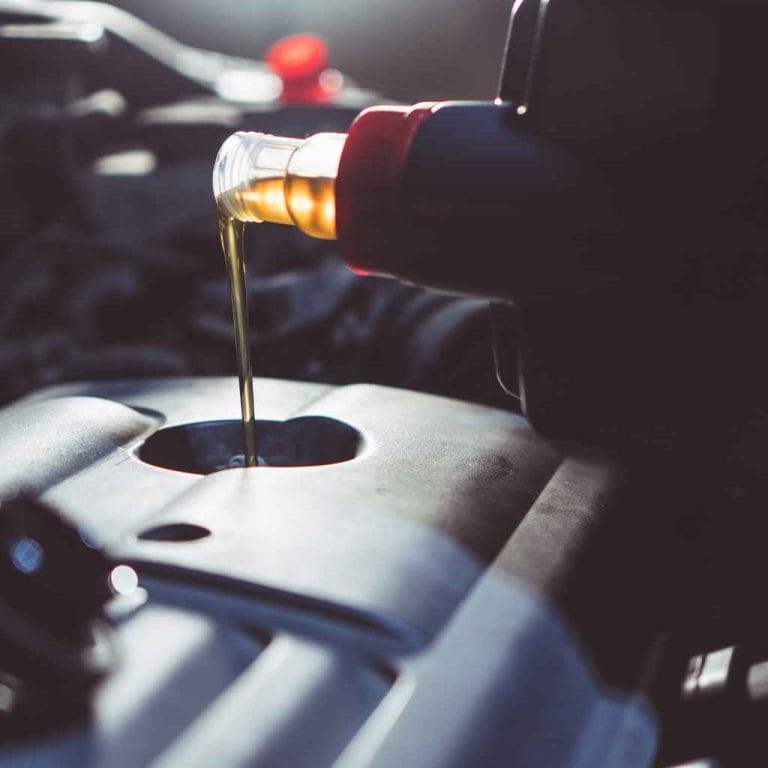
Topping Up Engine Oil
If the level is low:
- Use the recommended oil type and viscosity for your vehicle.
- Pour slowly and check frequently to avoid overfilling.
Scheduling Regular Oil Changes
Follow your manufacturer’s schedule (typically every 5,000, 7,500 miles). High-performance or older vehicles may require more frequent changes.
Pro Tip
Always use the correct oil type and change the oil filter during every oil change for optimal performance and protection.
Preventive Measures For Engine Oil Maintenance
A proactive approach saves time, money, and stress. Here’s how to stay ahead of engine oil issues:
Establish A Routine
- Set reminders for monthly oil checks.
- Keep a maintenance log for each oil change.
Monitor For Leaks
Inspect for oil spots under the car. Small leaks can quickly drain oil and should be repaired immediately.
Use High-quality Oil And Filters
Premium oils and filters provide better protection and longer service intervals, especially for high-mileage vehicles.
Consult Your Owner’s Manual
Refer to your vehicle’s manual for oil recommendations and maintenance intervals. This ensures compatibility and reliability.
Professional Inspections
Schedule annual inspections with a certified mechanic. Early detection of leaks, worn seals, or faulty sensors can prevent engine failure.
Real-world Examples And Short Case Studies
Learning from others’ experiences can reinforce the importance of maintaining proper oil levels.
Case Study 1: Commuter Car Overheating
A commuter noticed their car’s temperature gauge spiking during morning drives. Upon inspection, the oil level was dangerously low due to a slow leak. After repairing the leak and refilling oil, the overheating issue resolved, saving the engine from major damage.
Case Study 2: Fleet Maintenance Success
A delivery company instituted monthly oil checks across its fleet. Over one year, engine-related breakdowns fell by 30%. This reduced repair costs and improved vehicle uptime, demonstrating how routine checks protect investments.
Case Study 3: Diy Oil Change Mishap
A DIY enthusiast changed their oil but forgot to replace the oil filter. Shortly after, the engine developed knocking noises and showed signs of contamination. A mechanic confirmed the clogged filter caused oil starvation, requiring expensive repairs.
Example: Monitoring Oil Consumption
In my experience, owning an older sedan meant checking oil levels weekly. This habit caught a sudden drop due to a failing gasket, allowing a quick repair that prevented engine seizure.
Choosing The Right Engine Oil For Your Vehicle
Selecting the correct oil type is crucial for performance and longevity. Here’s what to consider:
Oil Viscosity
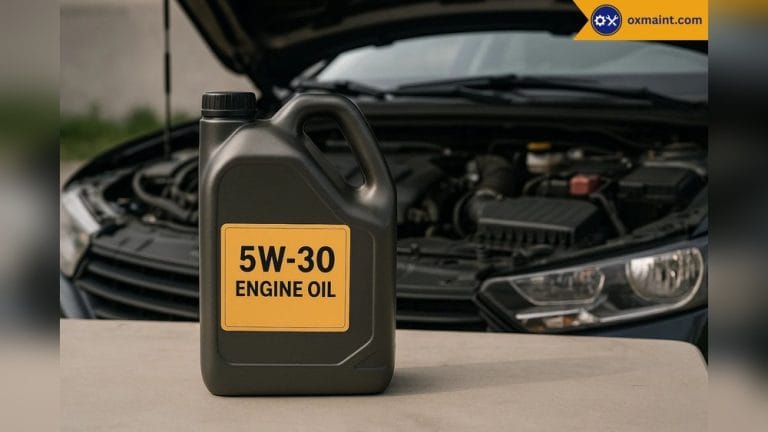
Viscosity measures oil thickness. Common ratings include 5W-30, 10W-40, etc. Always use the viscosity recommended in your owner’s manual.
Conventional Vs Synthetic Oil
| Oil Type | Performance | Change Interval | Cost |
|---|---|---|---|
| Conventional | Basic protection | 3,000, 5,000 miles | $20, $40 |
| Synthetic | Enhanced protection, better temperature stability | 7,500, 10,000 miles | $50, $70 |
| Synthetic Blend | Balanced protection | 5,000, 7,500 miles | $30, $50 |
Oil Additives
Some oils include additives for cleaning, anti-wear, or temperature regulation. Only use additives approved by your manufacturer.
Environmental Considerations
Disposing of used oil properly is vital. Many auto shops offer recycling services. Refer to EPA guidelines for safe disposal.
What To Do If Your Engine Oil Is Low: Step-by-step Guide
When you discover low oil, acting fast can save your engine. Here’s a practical guide:
Step 1: Pull Over Safely
If the oil pressure warning light comes on, stop your vehicle as soon as it’s safe.
Step 2: Check Oil Level
Follow the dipstick procedure outlined above. Note the oil level and quality.
Step 3: Top Up Oil
Add the recommended oil type if the level is below “Min. ” Avoid overfilling.
Step 4: Inspect For Leaks
Look for oil spots, wet engine parts, or drips under the car. If a leak is found, do not drive until repaired.
Step 5: Restart And Observe
After topping up, start the engine and check for warning lights or unusual sounds.
Step 6: Seek Professional Help
If symptoms persist, consult a certified mechanic immediately. Severe cases may require towing rather than driving.
Pro Tip
Keep a spare quart of oil in your trunk for emergencies, especially on long trips.
Frequently Asked Questions
What Are The Risks Of Driving With Low Engine Oil For A Short Period?
Driving with low oil even for a few miles can cause micro-damage to engine components, particularly bearings and pistons. While you might not notice immediate symptoms, cumulative stress can shorten engine lifespan. If you must drive, keep the distance minimal and top up oil at the earliest opportunity.
Can Low Engine Oil Affect Other Car Systems Beyond The Engine?
Yes, insufficient oil can indirectly impact systems like the cooling system and emissions control. Overheated engines strain coolant hoses and radiators, while increased friction can affect transmission performance, especially in vehicles where the engine and transmission share oil circuits.
How Does Engine Oil Consumption Change As A Car Ages?
Older vehicles often consume more oil due to worn seals, gaskets, and piston rings. Regular checks are essential, and high-mileage cars may require more frequent oil top-ups and changes. Consult a professional for advice tailored to your car’s age and condition.
Is Synthetic Oil Better For Preventing Low Oil Issues?
Synthetic oils offer better stability, resistance to breakdown, and improved protection under extreme temperatures. While they don’t prevent leaks or consumption, their superior properties can reduce the risk of engine damage during low oil episodes. Always follow manufacturer recommendations for oil type.
Can I Use Oil Additives To Compensate For Low Oil Levels?
Oil additives can enhance certain properties, like cleaning or anti-wear, but they cannot substitute for adequate oil volume. Using additives in place of topping up oil is risky and can lead to further engine issues. Only use additives as directed by your manufacturer or mechanic.
Taking care of your car’s engine oil is more than routine maintenance, it’s a safeguard against unexpected breakdowns and costly repairs. By understanding the role of oil, recognizing warning signs, and acting swiftly when levels drop, you preserve both your vehicle’s performance and your own safety.
Make regular oil checks a habit, stay alert to symptoms, and consult professionals for persistent issues. Your car, and your wallet, will thank you.
Products related to this article
Sponsored / affiliate links. As an Amazon Associate I earn from qualifying purchases. I may earn additional commission from eligible campaigns.