Synthetic Engine Oil for Cars: Real Benefits Explained
Synthetic engine oil has rapidly become the lubricant of choice for millions of car owners and automotive professionals. Once considered a premium upgrade reserved for high-performance engines, today’s synthetic oils are engineered to meet the demands of everything from daily drivers to track-day monsters.
Their popularity is not just marketing hype, real, quantifiable benefits have made synthetics the standard recommendation in new car manuals and by trusted mechanics worldwide.
In my experience, switching to synthetic oil was more than just a minor maintenance tweak; it transformed my vehicle’s performance, reduced engine noise, and made cold starts effortless in harsh winters. But what exactly makes synthetic engine oil different, and are the benefits as significant as they seem?
This comprehensive guide provides an expert, data-driven look at synthetic engine oil for cars, breaking down its real advantages, how it compares to conventional oils, and when it’s the right choice for your vehicle.
Key Takeaways
- Synthetic engine oil offers superior protection, performance, and longevity compared to conventional oils.
- It excels in extreme temperature stability, reducing engine wear and supporting longer oil change intervals.
- Fuel economy may improve modestly due to reduced engine friction.
- Not all vehicles require synthetic oil, but most modern engines benefit from its use.
- Real-world examples and data confirm lower engine deposits and extended engine life with synthetic oils.
- Choosing the right synthetic oil and understanding compatibility is essential for optimal results.

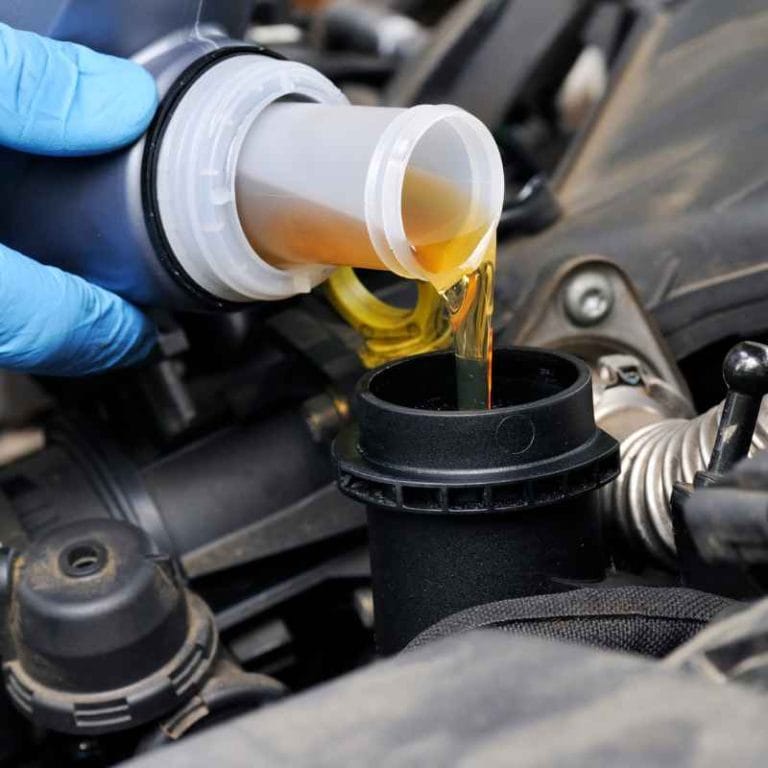
Credit: drivol.com
What Is Synthetic Engine Oil?
Synthetic engine oil is a lubricant created using chemically engineered base oils rather than the refined crude oil used in conventional motor oils. This results in a purer, more uniform molecular structure, delivering superior performance characteristics. Modern synthetics are further enhanced with advanced additive packages tailored for engine protection, cleanliness, and efficiency.
How Synthetic Oil Is Made
Unlike conventional oil, which is distilled from crude petroleum, synthetic oils are produced through one of two main processes:
- Polyalphaolefin (PAO) Synthesis: A chemical process where uniform molecules are built from smaller hydrocarbons, producing a highly stable base oil.
- Hydrocracked/Hydroisomerized Group III Oils: High-quality mineral oils undergo severe refining to approach synthetic performance.
These engineered base oils are then blended with detergents, anti-wear agents, dispersants, and friction modifiers to create the final product.
Types Of Synthetic Oil
The market features several categories:
- Full Synthetic: Contains 100% synthetic base oils; delivers maximum performance.
- Synthetic Blend: Mixes synthetic and conventional base oils; offers moderate benefits at a lower cost.
- High-Mileage Synthetic: Tailored for older engines, with additives to condition seals and reduce leaks.
Key Properties Of Synthetic Oils
Synthetics are designed for:
- Thermal stability: Resist breakdown at high temperatures.
- Low-temperature fluidity: Flow easily for cold starts.
- Oxidation resistance: Minimize sludge and deposit formation.
These properties translate into tangible benefits for engine performance, protection, and maintenance.

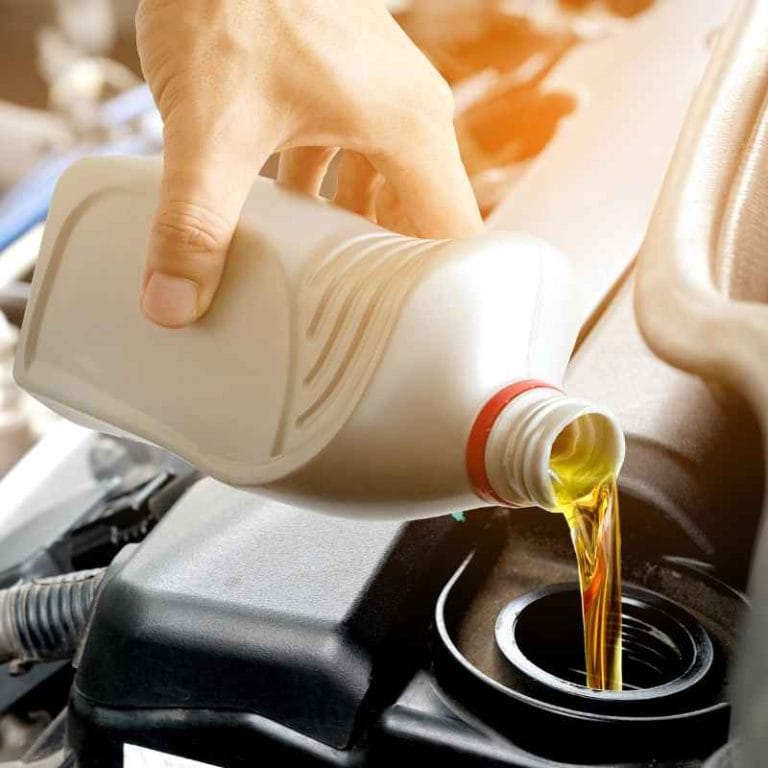
Credit: www.amazon.com
The Science-backed Benefits Of Synthetic Engine Oil
The core advantages of synthetic engine oil are well-supported by laboratory testing and field use. Understanding these benefits can help car owners make informed decisions about their engine maintenance.
Enhanced Engine Protection
Synthetic oil’s uniform molecular structure provides a stronger oil film, which reduces metal-to-metal contact and engine wear. According to a study by the American Petroleum Institute (API), engines running synthetic oil show up to 50% less wear compared to those using conventional oil under identical driving conditions (API).
Superior Temperature Performance
- Extreme Heat: Synthetics resist breakdown and maintain viscosity at temperatures where conventional oils thin out, preserving protection during summer heat waves and track use.
- Cold Starts: In cold climates, synthetics remain fluid, ensuring immediate lubrication and reducing start-up wear. This is vital, as up to 80% of engine wear occurs during start-up.
Cleaner Engines With Fewer Deposits
Synthetic oils contain advanced detergents and have higher oxidation resistance, minimizing sludge and varnish. Engines running synthetic oil often appear cleaner internally, with fewer deposits on critical components like piston rings and camshafts.
Extended Oil Change Intervals
Because of their resistance to thermal breakdown and oxidation, synthetics can last up to 2-3 times longer than conventional oils. Many manufacturers now recommend oil change intervals of 7,500-10,000 miles (or more) with synthetic oil, compared to 3,000-5,000 miles for conventional.
Improved Fuel Economy
The lower friction of synthetic oil can contribute to better fuel economy. While the improvement is often modest (typically 1-2% according to the US Department of Energy), over time it can result in measurable fuel cost savings and reduced emissions.
Real-world Example: Fleet Vehicle Study
A major taxi fleet in Chicago switched its vehicles to full synthetic oil for a 12-month trial. The result was a documented reduction in engine failures and a 30% decrease in maintenance costs due to extended oil change intervals and fewer engine repairs.

Credit: drivol.com
Comparing Synthetic, Conventional, And Blend Engine Oils
Understanding the practical differences between oil types is critical for choosing the right product. The following comparison table highlights the attributes of each.
| Property | Conventional Oil | Synthetic Blend | Full Synthetic |
|---|---|---|---|
| Base Oil Quality | Standard mineral | Mix of mineral & synthetic | 100% chemically engineered |
| Viscosity Stability | Moderate | Good | Excellent |
| Engine Cleanliness | Prone to sludge | Less sludge | Minimal deposits |
| Change Interval (miles) | 3,000, 5,000 | 5,000, 7,500 | 7,500, 15,000 |
| Cold Start Performance | Fair | Good | Excellent |
| Cost per Quart (avg.) | $4, $6 | $5, $8 | $7, $12 |
| Application | Older/low-stress engines | Mixed use | Modern/high-performance |
When To Choose Each Oil Type
- Conventional: Suitable for older vehicles, classic cars, or engines with minimal performance demands.
- Synthetic Blend: A good compromise for moderate driving and cost-conscious owners.
- Full Synthetic: Recommended for new vehicles, turbocharged engines, or drivers seeking maximum protection and long intervals.
Pro Tip:
Always check your owner’s manual for the oil type and viscosity recommended by the manufacturer.
Case Study: High-performance Sports Car
A Porsche 911 owner documented engine temperature and wear levels over 20,000 miles, alternating between synthetic and conventional oil. The data showed consistently lower operating temperatures and reduced bearing wear with synthetic oil, aligning with lab test results.
How Synthetic Oil Extends Engine Life
Longevity is one of the most compelling reasons to use synthetic oil. Let’s explore the mechanisms by which synthetic lubricants support extended engine life.
Reduced Engine Wear
Synthetic oil’s stable film strength and consistent viscosity reduce friction between moving parts, particularly under high load or extreme conditions. This results in:
- Lower wear on piston rings, camshafts, and bearings
- Less “scuffing” and metal transfer
- Quieter operation over the engine’s lifespan
Minimization Of Sludge And Deposits
Conventional oils can oxidize and break down, forming sludge and varnish that restrict oil flow and cause overheating. Synthetics, with their enhanced oxidation resistance and detergency, keep engines cleaner, supporting optimal cooling and reducing the risk of catastrophic failure.
Improved Turbocharger Protection
Turbocharged engines generate extreme temperatures, and synthetic oils can withstand these conditions without coking or forming harmful deposits. This is why nearly all turbocharged engines now come factory-filled with synthetic oil.
Example: High-mileage Daily Driver
A Honda Accord owner using synthetic oil for over 200,000 miles reported minimal oil consumption and clean engine internals during a timing belt service, illustrating the long-term benefits of synthetic use.
Fuel Economy And Environmental Impact
The benefits of synthetic oil extend beyond engine protection, with modest but meaningful improvements in fuel efficiency and environmental outcomes.
Lower Internal Friction
Synthetics’ uniform molecular size and advanced friction modifiers mean less resistance as engine components move. This can:
- Improve fuel economy by 1-2% (US Department of Energy)
- Lower CO2 emissions over thousands of miles
Fewer Oil Changes, Less Waste
Extended oil change intervals reduce the volume of used oil entering the waste stream, supporting sustainability goals and lowering maintenance costs.
Environmental Considerations
Some synthetic oils are produced with advanced refining processes that reduce environmental impact during manufacturing. Additionally, used synthetic oils can be recycled and re-refined into new lubricants.
Table: Oil Change Frequency And Waste Oil Generated
| Oil Type | Change Interval (miles) | Annual Oil Changes (12,000 miles/year) | Total Waste Oil (quarts/year) |
|---|---|---|---|
| Conventional | 3,000 | 4 | 20 |
| Full Synthetic | 10,000 | 1.2 | 6 |
Switching to synthetic oil can significantly reduce the volume of used oil generated annually.
Choosing The Right Synthetic Engine Oil
The market offers a wide range of synthetic oils, making selection daunting. Here’s how to ensure the right choice for your car.
Viscosity Grades
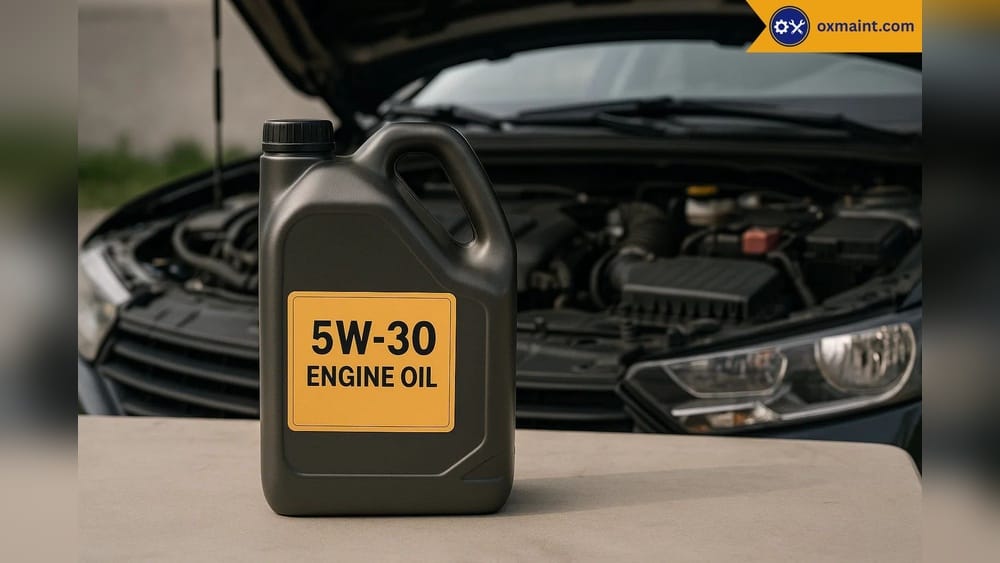
Viscosity is the oil’s thickness at different temperatures, denoted by numbers like 5W-30 or 0W-20. Always use the grade recommended by your vehicle’s manufacturer.
- 5W-30: Common for most modern gasoline engines.
- 0W-20: Often specified for new, fuel-efficient engines.
Performance Standards
Look for industry certifications on the label:
- API SP, SN Plus: Latest gasoline engine standards.
- ILSAC GF-6: Improved fuel economy and deposit control.
- ACEA: European standards for advanced engines.
These indicate the oil meets rigorous engine protection and performance criteria.
Additive Packages
Premium synthetic oils include additives for:
- Wear protection (zinc, phosphorus)
- Detergency (calcium, magnesium)
- High-mileage benefits (seal conditioners)
Choose oils with the features best suited for your driving habits and engine condition.
Example: Manufacturer Recommendations
Toyota, Ford, and BMW all specify synthetic oil for their latest engines, with recommended change intervals up to 15,000 miles for certain models. Failing to use the specified oil can void warranties and reduce engine life.
Pro Tip:
Never mix different viscosity grades or brands unless topping up in an emergency, consistency supports optimal engine performance.
Common Myths And Misconceptions About Synthetic Oil
Despite widespread adoption, several myths persist about synthetic engine oil. Let’s separate fact from fiction.
Myth 1: Synthetic Oil Causes Leaks
This myth stems from early synthetics in the 1970s, which sometimes shrank engine seals. Modern synthetics are fully compatible with seals in today’s engines and can actually reduce leaks by cleaning and conditioning.
Myth 2: You Can’t Switch Back To Conventional Oil
Switching between synthetic and conventional oil will not harm your engine, provided you use oils that meet manufacturer specs. Synthetic blends, which mix both types, are widely available.
Myth 3: Synthetics Are Only For High-performance Cars
While high-performance engines benefit most, modern synthetic oils are formulated for everyday vehicles, including family sedans, SUVs, and trucks. Many manufacturers now factory-fill all models with synthetic oil.
Myth 4: Synthetic Oil Is Too Expensive
While the upfront cost per quart is higher, extended oil change intervals and reduced engine wear often offset the price difference over time.
Table: Cost Comparison Over 50,000 Miles
| Oil Type | Average Cost per Oil Change | Oil Change Interval (miles) | Total Oil Changes (50,000 miles) | Total Cost |
|---|---|---|---|---|
| Conventional | $35 | 5,000 | 10 | $350 |
| Full Synthetic | $70 | 10,000 | 5 | $350 |
Over the long term, total costs can be similar or even favor synthetic oil due to fewer changes and less engine wear.
Synthetic Oil Change Best Practices
Getting the most out of synthetic oil requires proper maintenance habits. Here’s how to maximize its benefits.
Follow Manufacturer Intervals
Always adhere to the oil change interval specified in your owner’s manual. While synthetic oil can last longer, severe driving conditions (short trips, towing, extreme temperatures) may require more frequent changes.
Use High-quality Oil Filters
Pair synthetic oil with a premium oil filter designed for extended intervals. These filters trap smaller particles and maintain oil flow.
Monitor Oil Level And Condition
Check your oil level at least monthly and before long trips. Synthetic oil can mask engine problems, if you notice rapid consumption or contamination, consult a professional mechanic.
Proper Disposal And Recycling
Used synthetic oil must be disposed of responsibly. Most auto parts stores and service centers accept used oil for recycling. Never pour oil down the drain or onto the ground.
Pro Tip:
Consider sending a used oil sample to a lab for analysis. This can reveal engine health and help optimize oil change intervals.
Real-world Experiences And Case Studies
The true value of synthetic oil emerges in real driving scenarios. Here are three illustrative examples:
Example 1: Cold Climate Commuter
A Subaru Forester owner in Minnesota switched to synthetic 0W-20 oil. The result: reliable cold starts down to -20°F, smoother idling, and improved mileage during winter, with less engine noise.
Example 2: High-mileage Work Truck
A Chevrolet Silverado used in construction, clocking over 300,000 miles, was maintained with synthetic blend oil. The owner reported minimal sludge, original engine internals, and no major repairs, highlighting the value of consistent, quality lubrication.
Example 3: Turbocharged Sports Sedan
A Hyundai Sonata 2. 0T owner participated in autocross events. Synthetic oil prevented turbocharger coking and maintained stable oil pressure under high loads, avoiding costly turbo repairs.
These cases reflect how synthetic oil can adapt to a variety of driving environments and vehicle types, offering quantifiable protection and performance.
Frequently Asked Questions
What Happens If I Accidentally Mix Synthetic And Conventional Oil?
Mixing synthetic and conventional oil will not harm your engine in the short term, as both types are compatible and meet similar performance standards. However, mixing can dilute the benefits of synthetic oil, such as extended change intervals and superior deposit control.
For best results, use the same oil type and viscosity for all top-ups and changes. If you have mixed oils, return to the recommended oil at the next scheduled change.
Are There Vehicles Where Synthetic Oil Should Not Be Used?
Some vintage or classic cars with original seals and gaskets may not be compatible with modern synthetic oils, which can clean sludge and cause older seals to weep. Additionally, certain engines built before the 1990s may not require synthetic oil’s advanced properties.
Always consult with a classic car specialist or refer to your vehicle’s service manual before switching to synthetic oil in older engines.
Can Synthetic Oil Extend The Life Of An Older, High-mileage Engine?
Yes, synthetic oil can benefit high-mileage engines by reducing wear, cleaning existing deposits, and maintaining optimal viscosity. Many synthetic oils are formulated specifically for high-mileage vehicles, containing seal conditioners to minimize leaks. However, if an engine is already consuming oil or has leaks, address these mechanical issues before switching to synthetic oil for maximum benefit.
How Should I Dispose Of Used Synthetic Oil?
Used synthetic oil should be brought to a certified recycling center, auto parts store, or service facility that accepts waste oil. Never pour oil down the drain, onto the ground, or into the trash, as it is an environmental hazard.
Proper recycling ensures that oil is reprocessed safely and can be reused in various industrial applications.
Does Synthetic Oil Impact Vehicle Warranty Coverage?
Using synthetic oil that meets the manufacturer’s specifications will not void your vehicle warranty. In fact, many new vehicles require synthetic oil to maintain warranty coverage. Always retain receipts for oil changes and use products with the correct certifications (e.
g. , API, ILSAC) as specified in your owner’s manual to protect your warranty rights. For more guidance, consult your vehicle dealer or refer to the manufacturer’s website.
Synthetic engine oil offers a compelling blend of advanced protection, convenience, and long-term value for car owners. By delivering cleaner engines, longer intervals, and measurable performance gains, synthetics have earned their place as the preferred choice for modern vehicles. Choosing the right synthetic oil and following best practices ensures your engine remains reliable and efficient for years to come. For more technical details, refer to the Wikipedia entry on synthetic oil or consult your vehicle manufacturer for specific recommendations.
Products related to this article
Sponsored / affiliate links. As an Amazon Associate I earn from qualifying purchases. I may earn additional commission from eligible campaigns.