How Many Litres of Oil Does a Car Engine Actually Need?
Every driver knows their car needs oil, but few realize just how critical the exact oil volume is for engine health and performance. The question, “How many litres of oil does a car engine actually need? ” Has implications far beyond routine maintenance, it affects fuel efficiency, longevity, emissions, and even warranty coverage.
With modern engines designed for tighter tolerances and higher efficiency, understanding the nuances of oil requirements is essential for every vehicle owner, fleet manager, and mechanic.
Oil capacity isn’t a one-size-fits-all figure. It varies not only between brands and models but also between engine types, climates, and driving habits. From compact four-cylinder engines that sip oil to high-performance V8s demanding more, the range is broad. In my experience as a professional auto technician, mismatched oil volumes, too little or too much, can lead to costly repairs, reduced power, and even total engine failure.
This guide breaks down the facts, dispels myths, and provides actionable strategies to ensure your engine gets precisely the amount of oil it needs.
Key Takeaways
- Engine oil capacity depends on vehicle make, model, and engine type, typically ranging from 3 to 8 liters.
- Using the correct oil volume is crucial for lubrication, cooling, and preventing engine damage.
- Always consult your owner’s manual or manufacturer specifications for exact figures.
- Overfilling or underfilling oil can cause mechanical issues and impact performance.
- Oil requirements may change with engine upgrades, climate, or driving conditions.
- Real-world examples show the risks of ignoring proper oil volume.
Credit: www.autoblog.com
Understanding Engine Oil Capacity
Engine oil capacity refers to the total volume of oil required to fill the engine’s lubrication system, including the oil pan, filter, and internal passages. This value is specific to each engine design and is crucial for maintaining proper lubrication, heat dissipation, and contaminant removal.
What Determines Engine Oil Capacity?
Several factors influence how much oil an engine needs:
- Engine displacement: Larger engines with more cylinders require more oil.
- Oil pan size: The shape and size affect maximum volume.
- Oil filter type and size: Some filters hold more oil than others.
- Turbocharged or non-turbo engines: Turbo engines often need more oil due to higher operating temperatures.
- Manufacturer design: Each automaker sets specifications based on testing and engineering requirements.
For example, a compact hatchback might need only 3.5 liters, while a full-size pickup with a V8 engine could require over 7 liters.
Why Oil Volume Matters
The correct oil volume ensures:
- Complete lubrication: All moving parts are covered, reducing friction and wear.
- Temperature regulation: Oil absorbs and dissipates heat from the combustion process.
- Contaminant removal: Oil suspends dirt and debris, which are filtered out.
- Hydraulic function: Some engines use oil for timing chain or variable valve timing systems.
Insufficient oil can lead to premature engine wear, overheating, and catastrophic failure. Overfilling may cause seal leaks, increased oil pressure, foaming, and impaired lubrication.
Engine Types And Typical Oil Capacities
| Engine Type | Typical Oil Capacity (Liters) |
|---|---|
| Small 4-Cylinder (1.0, 1.6L) | 3.0, 4.0 |
| Mid-Size 4-Cylinder (1.7, 2.5L) | 4.0, 5.0 |
| V6 (2.5, 3.5L) | 5.0, 6.0 |
| V8 (3.6, 5.0L) | 6.0, 8.0 |
| Turbocharged Engines | +0.5, 1.0 above base |
| Diesel Engines | 6.0, 10.0 |
These are averages; always check your vehicle’s manual for the precise figure.

Credit: a-classauto.net
How To Find Your Car’s Exact Oil Capacity
Knowing your car’s oil capacity is more than a guess, it requires precise information. Here’s how to find it reliably.
Owner’s Manual And Manufacturer Specifications
The owner’s manual is your primary resource. Manufacturers specify the exact oil volume needed, including for oil and filter changes. These figures reflect rigorous testing and are tailored for optimal performance and warranty coverage.
- Look for sections labeled “Engine Specifications,” “Lubrication,” or “Maintenance.”
- If your manual is missing, check the manufacturer’s website or contact a dealer.
- Some vehicles have a label under the hood with oil capacity listed.
Online Databases And Resources
Numerous reputable online databases provide oil capacity charts:
- OEM websites: Most automakers publish maintenance data online.
- Automotive reference sites: For example, the U.S. Department of Energy Fuel Economy site offers technical details.
- Professional mechanic tools: Products like Alldata and Haynes manuals include oil specs.
Be cautious with user-generated content or forums, verify against official sources.
Example: Checking Oil Capacity For A Toyota Camry
A 2026 Toyota Camry with a 2.5L 4-cylinder engine requires 4.8 liters of oil with filter, according to Toyota’s official specifications. Owners who mistakenly add only 4 liters risk under-lubrication and warranty issues.
Pro Tip
Always verify oil capacity when changing brands, models, or engines. Even a minor difference can impact performance.
Real-world Case Studies: Oil Volume Mistakes
Learning from others’ experiences can prevent costly errors. Here are three real-world examples illustrating the risks of incorrect oil volume.
Case Study 1: Underfilled Oil In A Fleet Van
A delivery company maintained a fleet of Ford Transit vans. After a rushed oil change, one van left with only 3. 5 liters instead of the required 5. 5. The engine began to overheat and developed a ticking noise. Inspection revealed low oil pressure and accelerated wear on camshaft bearings.
The repair bill exceeded $2,000, dwarfing the cost of the oil itself.
Case Study 2: Overfilled Oil In A Performance Sedan
A BMW owner, eager to protect their engine, poured in extra oil, overfilling the sump by nearly 2 liters. Within weeks, the engine exhibited rough idle and smoke from the exhaust. The excess oil caused foaming, reducing lubrication and damaging seals.
The dealership recommended a complete oil system flush and seal replacement.
Case Study 3: Incorrect Oil Volume In A Turbocharged Suv
A turbocharged Subaru Forester had its oil changed at a quick lube shop. The technician used the base model’s spec (4. 5 liters) instead of the turbo variant’s required 5. 2 liters. After several thousand miles, the turbocharger failed due to insufficient lubrication, costing the owner $1,800 in parts and labor.
Credit: arrowheadimports.com
Factors That Affect Oil Capacity Requirements
Engine oil requirements aren’t static, they change with modifications, climate, and usage. Understanding these influences helps tailor maintenance for specific needs.
Engine Modifications And Upgrades
- Aftermarket oil pans: Larger pans may increase capacity.
- Turbo or supercharger installations: These upgrades raise operating temperatures, often requiring extra oil.
- Performance modifications: High-performance engines may need more oil for enhanced cooling.
Always consult with your mechanic or the manufacturer after significant upgrades.
Climate And Driving Conditions
- Hot climates: Increased oil volume can help with cooling.
- Cold climates: Manufacturers may recommend thinner oil, but capacity usually remains unchanged.
- Heavy-duty use: Towing, racing, or off-roading stresses engines, sometimes warranting higher oil volumes.
Oil Type And Quality
- Synthetic oils: Offer better stability and performance but do not alter oil volume requirements.
- High-mileage oils: Designed for older engines, but capacity remains as specified.
Example: Seasonal Adjustments In Oil Volume
Some European automakers recommend a slightly higher oil fill for summer driving, especially in hot regions, to improve heat dissipation.
Oil Change Process: Achieving The Perfect Volume
A proper oil change goes beyond draining and refilling, it’s about accuracy and diligence. Here’s a step-by-step guide.
Preparing For An Oil Change
- Gather supplies: Correct oil type and volume, filter, wrench, drain pan, funnel.
- Consult the manual for specifications.
- Warm up the engine to circulate old oil.
- Position the car safely and access the drain plug.
Measuring And Filling Oil
- Drain old oil completely, including from the filter.
- Replace the filter and drain plug securely.
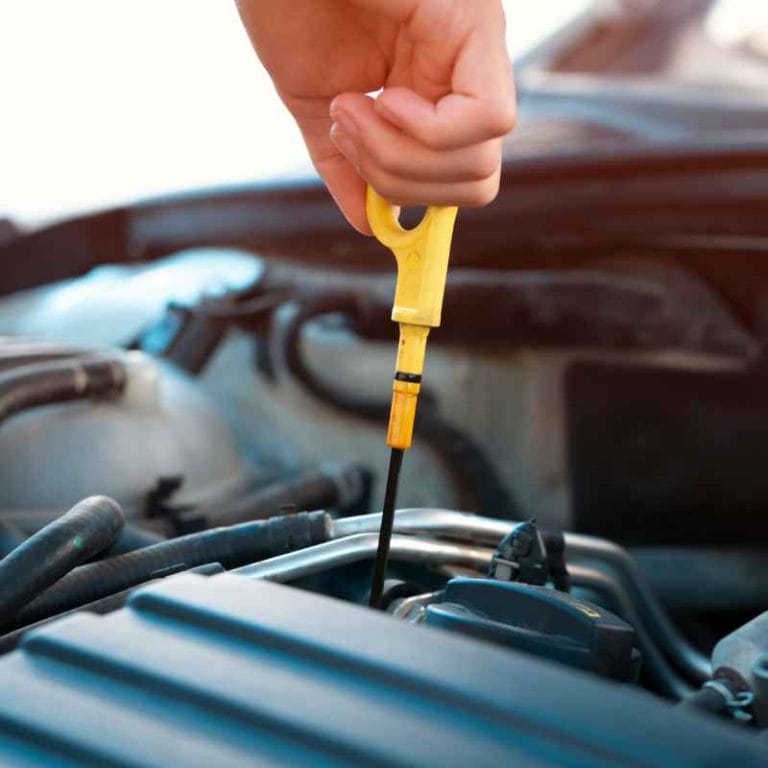
- Add oil gradually, checking the dipstick.
- Start the engine, run for 1, 2 minutes, then re-check the oil level.
Checking Oil Level
- The dipstick is your best guide; markings indicate minimum and maximum.
- Oil should reach the upper mark but not exceed it.
- Re-check after a short drive, as oil may settle.
Example: Oil Change For A Honda Civic
A 2020 Honda Civic 1.5L turbo requires 4.4 liters of oil with filter. During my own oil change, I added 4 liters, started the engine, then topped off to precisely 4.4 liters after checking the dipstick.
Consequences Of Incorrect Oil Volume
Mismatched oil volume can have serious repercussions. Here’s what happens when oil is underfilled or overfilled.
Effects Of Underfilling
- Low lubrication: Increased friction, wear, and potential engine seizure.
- Overheating: Insufficient oil can’t absorb heat, leading to warped components.
- Oil starvation: Parts like camshafts or turbochargers may not receive enough oil.
Effects Of Overfilling
- Oil foaming: Excess oil can foam, reducing its lubricating ability.
- Increased pressure: Causes leaks and damages seals.
- Catalytic converter damage: Oil can enter the exhaust, harming emissions systems.
Example: Repair Costs Due To Oil Mistakes
According to AAA, engine repairs due to oil-related issues can range from $500 for seal replacement to over $5,000 for full engine rebuilds.
Warning
Never rely solely on the dipstick after a fresh oil change; some engines require time for oil to circulate fully. Double-check after driving a short distance.
Comparing Oil Capacities: Popular Models
To illustrate the diversity in oil requirements, here’s a comparison of oil capacities for several popular vehicles.
| Make/Model | Engine | Oil Capacity (Liters) |
|---|---|---|
| Toyota Corolla (2026) | 1.8L 4-Cylinder | 4.2 |
| Ford F-150 (2026) | 3.5L V6 | 6.2 |
| Honda CR-V (2026) | 1.5L Turbo | 3.7 |
| Chevrolet Silverado (2026) | 5.3L V8 | 7.6 |
| Volkswagen Golf (2026) | 2.0L Turbo | 5.2 |
| Subaru Outback (2026) | 2.5L Boxer | 4.8 |
These figures highlight the importance of checking your specific model’s requirements.
The Role Of Oil Filters And Additional Components
It’s not just the engine, other components influence oil volume.
Oil Filter Considerations
- Larger filters: Hold more oil, increasing total capacity.
- Aftermarket filters: May differ in size from OEM, requiring adjustment.
Oil Coolers And Auxiliary Systems
- Oil coolers: Some vehicles include external coolers, adding to oil volume.
- Remote filter setups: Custom installations change oil path, affecting total oil needed.
Example: Aftermarket Oil System Upgrade
A Jeep Wrangler owner installed a remote oil filter and cooler. The system required an extra 0. 8 liters above the stock capacity, verified via manufacturer instructions.
Pro Tip
When changing oil system components, always recalculate total oil volume and update your maintenance records.
Maintenance Strategies For Correct Oil Volume
Proper oil maintenance isn’t just about quantity, it’s about regular checks, record-keeping, and adapting to changes.
Routine Oil Checks
- Check oil level monthly, and before long trips.
- Monitor for leaks or consumption between changes.
- Use the dipstick and ensure oil is at the correct mark.
Record-keeping
- Log every oil change, including volume used and filter type.
- Note any modifications or changes in capacity.
Adapting Maintenance For Older Vehicles
- Older engines may consume oil; check more frequently.
- Consider using high-mileage oil, but stick to the original capacity unless advised by a professional.
Example: Fleet Maintenance Protocol
A logistics company implemented a checklist for drivers to check oil before every shift, reducing engine failures by over 30%.
Frequently Asked Questions
How Do I Know If My Car’s Engine Oil Is Underfilled?
Signs of underfilled oil include low oil pressure warning lights, increased engine noise, overheating, and visible oil below the dipstick’s minimum mark. If you notice any of these symptoms, add oil immediately and consult a mechanic.
What Happens If I Accidentally Overfill My Engine Oil?
Excess oil can cause foaming, increased pressure, leaks, and damage to seals or catalytic converters. If overfilled, drain the excess oil or have a technician correct it as soon as possible to prevent long-term damage.
Are Oil Capacity Requirements Different For Synthetic And Conventional Oils?
While synthetic oils offer better performance and longevity, the required oil volume does not change. Always use the capacity specified by your manufacturer, regardless of oil type.
Does Changing Oil Brands Affect How Much Oil My Engine Needs?
Switching oil brands does not alter your engine’s oil capacity. The only exception is if the new oil filter differs in size, which may require a small adjustment in volume. Always check after any change in oil system components.
Can Oil Capacity Change With Engine Age Or Wear?
Engines do not typically require more oil as they age, but older engines may consume oil faster due to worn seals or rings. Regularly monitor oil levels and consult a professional if consumption increases.
Engine oil volume is a deceptively simple aspect of car maintenance with profound consequences for performance, reliability, and safety. By understanding your vehicle’s precise oil needs, verifying specifications, and following best practices, you protect your investment and ensure years of trouble-free driving.
Whether you’re a seasoned mechanic or a new car owner, this knowledge is foundational, never overlook the importance of exact oil volume.
Products related to this article
Sponsored / affiliate links. As an Amazon Associate I earn from qualifying purchases. I may earn additional commission from eligible campaigns.