What Causes Engine Knocking and Which Parts Are Involved
Engine knocking can come from abnormal combustion, worn rod bearings, loose valvetrain parts, or pre-ignition, and a practical rule is to stop driving if the knock gets louder with rpm or load. Ignoring it can turn a cheap fix into a seized engine or ruined crankshaft. This guide maps the likely parts, explains the sound each fault makes, and tells you what to inspect first before replacing anything.
What engine knocking sounds like
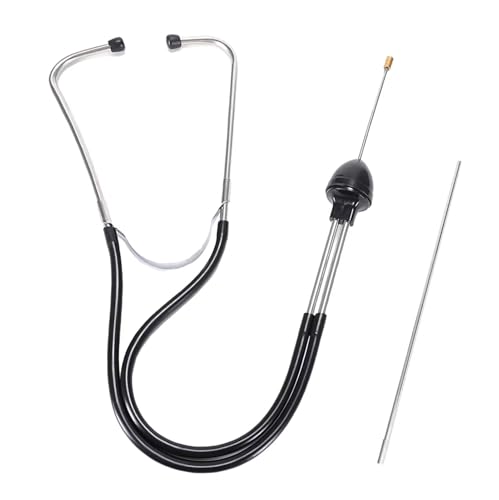

Engine knocking is a sharp, metallic tapping sound, especially during acceleration. The pattern can help: a light ping under load points to combustion trouble, while a deep knock at idle or with throttle changes leans toward internal mechanical wear. Temperature matters too. Some noises fade when cold, then grow worse as oil thins and parts heat up.
Light pinging under load
Light pinging often shows up when the engine is climbing a hill, passing, or pulling hard at low rpm. That pattern fits detonation more than a broken hard part, so fuel grade, spark timing, air leaks, and hot spots should come first.
Deep rod knock at idle
A lower, hollow knock that stays with engine speed and is often louder at idle points toward connecting rods or crankshaft bearings. Worn engine bearings can create noises often mistaken for knocking, and those noises usually move toward a deeper tone than combustion pinging.
Noise that changes with temperature
If the noise is mild when cold and worse when hot, oil pressure loss, thin oil, or bearing wear rises on the list. If the noise eases as the engine warms, combustion noise from cold mixture control or timing correction may be more likely.
What causes engine knocking?
Engine knocking usually starts when combustion pressure rises at the wrong time or when a hard part cannot hold its clearances. Low-quality fuel, incorrect spark plugs, carbon deposits, incorrect ignition timing, a lean air-fuel mixture, overheating, and a bad EGR valve can all contribute. Small knock may not cause immediate damage, but repeated knocking can harm pistons, valves, and cylinder walls.
Detonation from low octane or lean mixture
Detonation happens when the mixture burns in more than one place or too fast after spark. Low-quality fuel is a common cause, and a lean air-fuel mixture can also lead to knocking because the burn gets hotter and less stable. Octane rating matters here because the fuel must resist that pressure rise.
Pre-ignition from hot spots and carbon buildup
Pre-ignition starts before the spark plug fires, often because a hot carbon deposit, overheated plug tip, or another hot spot lights the mixture early. Carbon deposits can increase compression and create hot spots that cause knock, so chamber cleanliness and cooling state matter.
Mechanical knock from worn bearings or rods
A deeper knock that does not follow load the same way combustion pinging does often points to the bottom end. Connecting rods transfer piston motion to the crankshaft, and crankshaft bearings support that shaft. Wear here can produce a lower, heavier knock that needs prompt inspection.
Which engine parts are involved in knocking noise?
The parts depend on the kind of knock. Spark plugs, the knock sensor, pistons, connecting rods, crankshaft bearings, cylinders, the cooling system, and the EGR valve all sit in the failure map. Some parts start the noise by changing combustion. Others are the parts that get damaged after the noise continues.
Spark plugs and ignition timing
Spark plugs ignite the air-fuel mixture, so the wrong type or worn plugs can contribute to knock. Incorrect ignition timing is also a cause, because spark that is too advanced lights the mixture before the piston is in the right place. On older engines, timing may be adjusted manually; on modern engines, the ECU makes the change if the input data still looks believable.
Cylinders, pistons, and connecting rods
The cylinder is where combustion pressure rises, so hot spots and pressure spikes matter there first. Pistons move up and down in the cylinders, and persistent knock can damage them. Connecting rods then transmit that shock toward the crankshaft, so a bad combustion event can become a mechanical noise problem if it keeps happening.
Crankshaft bearings and oil supply
Crankshaft bearings support the crankshaft. Low oil, poor oil pressure, or wear can create a deep knocking sound, especially when the engine is hot or under load. This is the kind of fault that can move from noise to major repair fast.
Knock sensor, ECU, and EGR valve
The knock sensor detects knock and helps the engine controller adjust timing. A faulty knock sensor can stop the engine from adjusting timing, which allows persistent knock to continue. The EGR valve lowers combustion temperature; if it sticks or faults, knock can increase because chamber temperature rises.
How fuel, timing, and air mix create knock
Fuel quality, ignition timing, and air delivery are the first combustion controls to check. Octane rating sets how much resistance the fuel has to auto-ignition. If timing is too advanced, or the mixture goes lean from a vacuum leak or fuel delivery fault, combustion pressure can rise too early and sound like pinging or detonation.
Octane rating and fuel choice
Use the manufacturer-recommended grade first. Low-octane fuel can cause detonation in engines that need more knock resistance, especially in high-compression designs and engines that are already hot. A single tank of poor fuel can create noise without permanent damage, but repeated knock is different.
Wrong spark timing and ECU correction
Modern ECUs can pull timing when the knock sensor reports abnormal combustion. That correction helps only when the sensor is working and the engine still has enough control range left. If timing is wrong on an older engine, or the ECU gets bad input, the knock may continue.
Lean mixtures from vacuum leaks or fuel delivery faults
A lean air-fuel mixture raises combustion temperature and can trigger knock. Vacuum leaks, clogged injectors, weak fuel pressure, or sensor errors can all leave the engine too lean. The result is often load-related pinging rather than a constant heavy knock.
Suppose a 2.4-liter four-cylinder pings only when climbing a hill in third gear, then quiets when the throttle lifts. That pattern points first to fuel, timing, or a vacuum leak. It does not point first to rod bearings, because the sound follows load more than engine speed.
Can low oil or overheating cause knock?
Low oil can cause a deeper mechanical knock, while overheating can raise combustion temperature and make detonation more likely. Cooling faults and oil faults are different, but both can end in the same complaint: a knock that gets louder as the engine works harder.
Oil level, pressure, and bearing wear
Low oil level, low oil pressure, or oil starvation can leave crankshaft bearings and rod bearings underfed. Worn engine bearings then create a lower, deeper knock often mistaken for spark knock. If the knock gets louder with rpm, that is a serious sign, and the engine should not be pushed hard.
Cooling system faults that raise combustion temperature
Overheating increases the chance of engine knocking. Check the thermostat, radiator, water pump, and coolant level when the temperature gauge climbs or the heater output changes. A cooling fault can push chamber temperature high enough to trigger detonation even when fuel and timing are otherwise close to normal.
Why heat makes detonation more likely
Heat shortens the margin between controlled combustion and knock. Hot cylinders, carbon deposits, and high intake temperatures all help pressure rise faster. That is why a car may seem fine cold and noisy after traffic, towing, or a long climb.
Diagnosis matrix: knock symptoms and likely parts
This matrix is a triage tool, not a parts cannon. Match the sound pattern first, then inspect the most likely parts before replacing anything. If the noise is loud, deep, or metal-on-metal, stop driving and inspect at once.
| Symptom | Sound type | Likely parts | First check | Urgency | Likely repair path |
|---|---|---|---|---|---|
| Sharp rattle only under throttle | High-pitched pinging | Spark plugs, ignition timing, fuel quality, knock sensor | Fuel grade and codes | Drive with caution; stop if it worsens quickly | Correct fuel, inspect plugs, verify timing control, test sensor |
| Knock at idle that rises with rpm | Deep, regular knock | Rod bearings, crankshaft bearings | Oil level and pressure | Stop driving if loud or consistent | Oil pressure test, bearing inspection, possible rebuild |
| Noise after warm-up | Heavier knock when hot | Bearings, thin oil, cooling system | Coolant level and oil condition | High urgency | Check for overheating, pressure loss, and bearing wear |
| Knock during acceleration only | Sharp metallic tap | Lean mixture, low octane, spark plugs, timing | Vacuum leaks and fuel delivery | Moderate, but do not ignore | Repair vacuum leak, verify plugs, scan timing advance |
| Knock plus check-engine light | Ping with warning light | Knock sensor, ECU inputs, EGR valve | OBD codes and live data | Prompt diagnosis needed | Test sensor circuit, inspect EGR, verify timing correction |
| Knock with overheating | Pinging that appears in traffic | Cooling system, cylinder hot spots, EGR valve | Thermostat, radiator, water pump | Stop if temperature stays high | Restore cooling, inspect for head-gasket related hot spots |
| Knock after refueling with poor gas | Light ping under load | Fuel quality, spark plugs, timing | Fuel grade used | Usually short-term if mild | Drain or dilute fuel if needed, check plugs and timing |
| Metallic knock at startup or idle | Lower pitched tapping | Worn engine bearings, rod ends | Oil pressure and filter debris | Stop driving immediately if severe | Inspect bearings, crankshaft, and oiling system |
What parts should a mechanic check first?
Start with the easiest causes that can explain the sound pattern. Fuel, spark, oil, cooling, compression, and EGR checks usually come before teardown. The order matters because a bad plug or vacuum leak can sound serious while a worn bearing can be hidden by a light ping.
-
Check fuel and spark first. Verify the fuel grade, inspect spark plugs, and scan for timing or knock-related codes. Incorrect spark plugs and low-quality fuel are common causes, and these are much cheaper to rule out than engine damage.
-
Check oil condition next. Confirm oil level, then look for low pressure, sludge, or metallic debris. If the noise is deep and lower pitched, worn bearings move up the list fast.
-
Check cooling and airflow. Look at coolant level, thermostat behavior, radiator flow, and water pump operation. Overheating raises knock risk, and a cooling fault can make a borderline engine sound much worse.
-
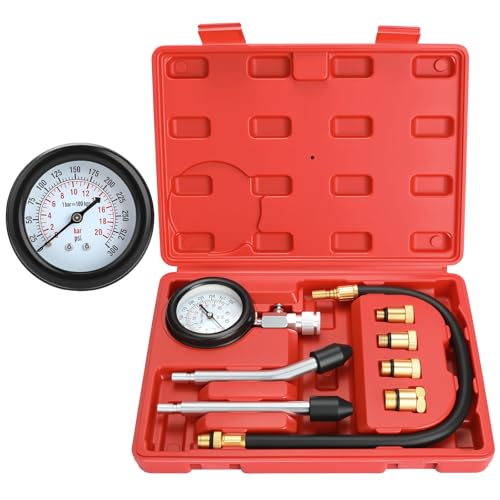
Check air, EGR, and cylinders. Inspect for vacuum leaks, a faulty EGR valve, and compression problems. Carbon buildup can increase compression and create hot spots, so chamber condition matters when detonation keeps returning.
-
Inspect for mechanical wear if needed. If the sound is deep, loud, or metal-on-metal, move to bearing and rod inspection before more driving. That is where a knock can shift from correction to major repair.
A common first-timer mistake is to replace the knock sensor because the light is on, then ignore the low oil pressure that started the noise. The sensor helps the ECU respond. It does not repair a worn bearing, and it cannot save an engine that is already knocking hard.
Frequently asked questions
How can I tell if the sound is engine knock or rod knock?
Engine knock from combustion is usually sharper and more noticeable under load or acceleration. Rod knock is usually deeper, lower pitched, and often present at idle or with rising rpm. Higher-pitched noises and ticking tend to be valvetrain issues, while lower pitched knocking tend to be bearings.
Can low oil cause engine knocking?
Yes. Low oil can reduce bearing protection and oil pressure, which can create a deep knocking sound from crankshaft bearings or connecting rods. If the knock gets louder with rpm, that is a warning sign. Check the oil level and pressure before driving further, because bearing damage can escalate quickly.
Does bad fuel cause engine knocking?
Yes. Low-quality fuel is a common cause of engine knocking, especially in engines that need a higher octane rating. Bad fuel can trigger detonation under load, which sounds like pinging or rattling. If the noise started right after refueling, fuel quality should be one of the first checks.
Can I keep driving if my engine is knocking?
Only if the knock is very light and temporary, and even then only for a short move to a safe place or repair shop. Frequent knocking can harm pistons, valves, and cylinder walls, and a loud or deep knock can mean bearing damage. If the sound gets louder with load or rpm, stop driving.
How do spark plugs and timing affect engine knock?
Incorrect spark plugs can contribute to knock if the heat range or design is wrong, and worn plugs can weaken combustion quality. Incorrect ignition timing is also a cause, because the spark may fire too early. On modern engines, the ECU may correct timing if the knock sensor still works.
What does a faulty knock sensor do?
A faulty knock sensor can stop the engine from adjusting timing when abnormal combustion starts. That allows persistent knock to continue instead of being corrected. The sensor does not create the knock itself, but it can hide the engine’s warning strategy and let damage build if the underlying cause is still present.
Products related to this article
Sponsored / affiliate links. As an Amazon Associate I earn from qualifying purchases. I may earn additional commission from eligible campaigns.