Which Engine Components Are Most Expensive to Repair?
A broken engine block or crankshaft usually makes the repair bill climb highest. Once machining, labor, and hidden damage are added, replacement or a used engine often beats piecemeal work. Delay can turn a four-figure repair into a total-engine bill. This guide ranks the most expensive engine component repairs by what drives the cost and tells you when to repair and when to replace.
Most expensive engine parts


The priciest engine-component bills usually start with damage that runs deep into the engine, requires major teardown, or harms nearby parts. A cylinder head replacement averages $4,241 to $5,101, a head gasket replacement averages $2,572 to $3,386, and a turbocharger assembly replacement averages $2,631 to $3,261. Timing belt service is far cheaper at $400 to $1,000, while a valve cover gasket typically runs $200 to $500.
The same symptom can point to very different bills. A small oil leak from a valve cover gasket is one job. Overheating with coolant loss can point to a head gasket, warped cylinder head, or both. That is why the bill depends on parts price, access, and whether the repair stops at the surface or reaches the top end or internal engine.
| Engine component | Estimated cost band | Teardown depth | Usually repairable as | Fix now, monitor, or replace engine |
|---|---|---|---|---|
| Cylinder head | $4,241 to $5,101 | Head-off | Head-off, with machining and reassembly | Fix now if cracked or warped; replace engine if the block is damaged too |
| Head gasket | $2,572 to $3,386 | Head-off | Head-off | Fix now if confirmed; monitor only if diagnosis is uncertain and symptoms are mild |
| Turbocharger assembly | $2,631 to $3,261 | In-car to partial teardown | In-car on many vehicles, but access varies | Fix now if oil starvation or shaft play is confirmed; replace engine only if debris spread internally |
| Timing belt | $400 to $1,000 | In-car service | In-car | Fix now on schedule; do not wait on an interference engine |
| Valve cover gasket | $200 to $500 | In-car service | In-car | Fix now if oil is leaking; monitor only if seepage is slight and clean |
| EGR valve | Varies by vehicle | In-car service | In-car, often with cleaning first | Monitor or clean first if clogging is the issue; replace if cleaning fails |
If you count the broader engine package, a complete engine rebuild typically costs $2,500 to $6,000 in parts and labour. That range often competes with major top-end work, especially when the cylinder walls, pistons, bearings, or crankshaft are involved.
Outside the engine itself, a catalytic converter replacement averages $2,280 to $2,480, and a hybrid high-voltage battery replacement averages $4,856 to $5,053. Those are expensive repairs, but they are not engine components, so they do not belong in the engine ranking.
Where the biggest labor hit starts
Labor rises fast once the repair requires cylinder-head removal, timing component removal, or engine-out access. The part price may be only half the bill. The rest comes from diagnosis, teardown, cleaning, machining, gaskets, fasteners, fluids, and reassembly checks that have to be done in order.
A common mistake is assuming a low-cost timing chain guide replacement means the whole repair will stay inexpensive. Say your 2.4-liter four-cylinder starts losing coolant and misfiring after one hot run. The gasket itself is not the expensive part. The head removal, inspection, possible resurfacing, and reassembly are what move the bill into major-repair territory.
Engine repair decision matrix
Use this matrix to sort the job before you approve it. The key question is not only what failed, but how deep the damage goes. A small external leak, a cleanable valve, or a scheduled belt job usually stays in the lower-cost lane. Overheating, metal contamination, or loss of compression pushes the decision toward repair or replacement.
| Component or failure | Cost band | Teardown depth | Typical access | Decision guide |
|---|---|---|---|---|
| Valve cover gasket | $200 to $500 | In-car | Top of engine | Fix now if oil is leaking onto the engine or exhaust |
| EGR valve clogging | Varies by vehicle | In-car | Bolted to intake or exhaust-side plumbing | Clean first if clogging is the only issue; replace if cleaning fails |
| Timing belt on an interference engine | $400 to $1,000 | In-car | Front of engine | Fix now on schedule; do not defer |
| Turbocharger assembly | $2,631 to $3,261 | In-car to partial teardown | Rear, side, or low on engine bay | Fix now if failure is confirmed; monitor only if diagnosis is uncertain |
| Head gasket | $2,572 to $3,386 | Head-off | Cylinder head removed | Fix now if compression, coolant, or oil tests support it; do not ignore overheating |
| Cylinder head | $4,241 to $5,101 | Head-off | Cylinder head removed and inspected | Fix now if cracked or warped; replace engine if block damage is also present |
The matrix also shows the cost trap: a part that is cheap by itself can still be expensive if it sits behind a deep teardown. The opposite is true for a high-dollar part that stays accessible in the vehicle. That is why a cylinder head is usually costlier than a gasket, even though both sit in the same area of the engine.
Why do engine repairs cost so much?
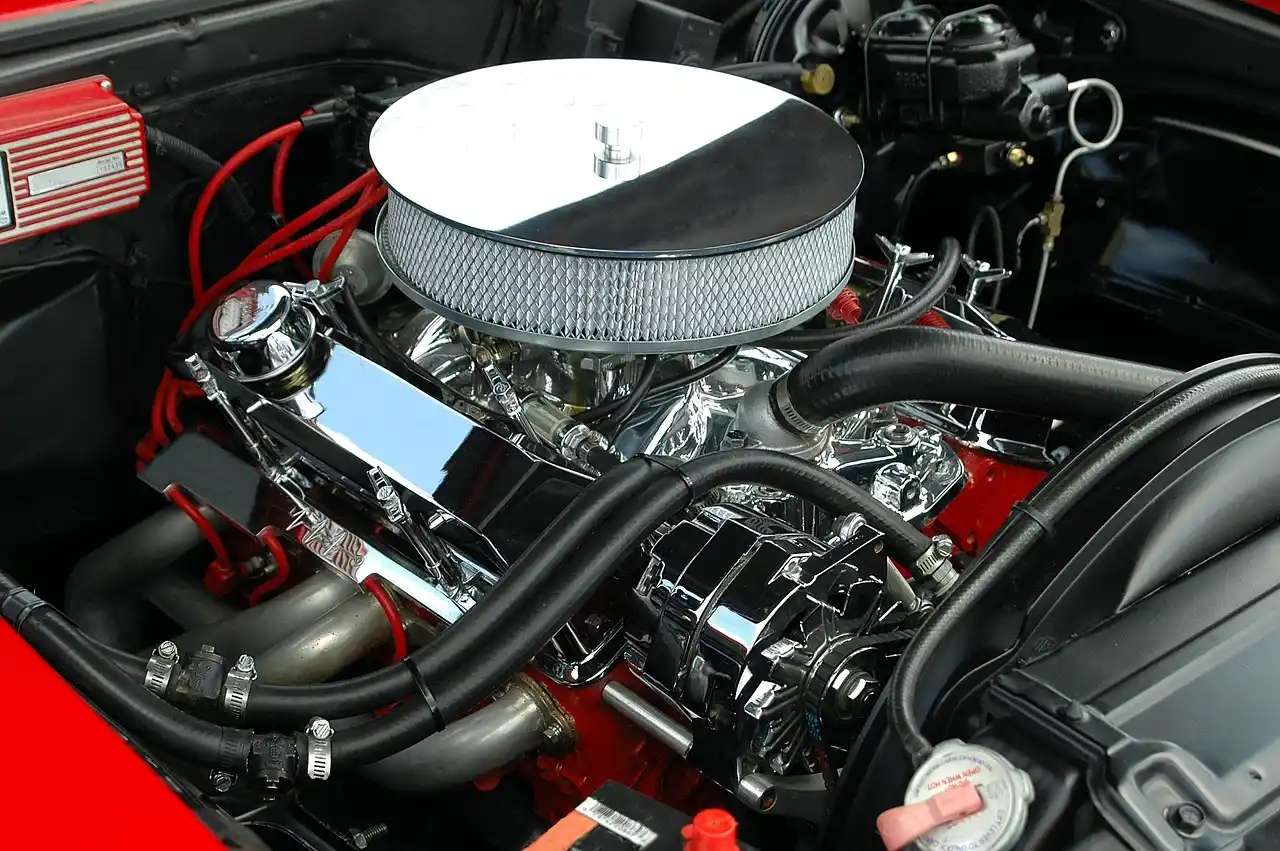
Engine repairs cost so much because the engine is compact, tightly packaged, and full of parts that depend on each other. Parts price matters, but labor time often matters more. A failed seal can become a multi-hour teardown once the head, intake, timing components, or accessories must come off first.
Diagnostics matter before teardown. A coolant loss problem might be a loose hose, a leaking head gasket, or a cracked head. A misfire might come from ignition, fuel delivery, or internal leakage. Guessing wrong adds labor and can create extra damage if the engine is run hot or low on oil.
Collateral damage drives the bill up
Overheating and oil loss create the largest cost spikes. A blown head gasket can cause overheating, reduced performance, or complete engine failure. Once the engine overheats, the cylinder head can warp or crack. Once oil starvation starts, turbo bearings, cam surfaces, and internal bearings can suffer together.
That is why a small failure can turn into a large one. A leaking valve cover gasket is usually a contained repair. A failed head gasket can become a head job plus machine work. A neglected turbo failure can spread metal and oil contamination through the system.
Is a head gasket more expensive than a cylinder head?
No. A head gasket is usually less expensive than a cylinder head, even though the gasket failure can trigger the more expensive damage. The gasket is the cheaper part, but the labor can still be substantial because the head has to come off.
The real cost split is simple. A head gasket job is expensive because of teardown and reassembly. A cylinder head job is expensive because of the part itself, machining, inspection, and the same teardown plus more parts. If the head is warped from overheating, the repair cost rises again.
When both fail together, the bill can jump sharply. A blown gasket that is ignored can overheat the engine enough to damage the head. At that point, you are no longer paying for one failure. You are paying for the gasket, the head, and often the extra machine work that goes with it.
How a head gasket bill grows
- Coolant begins to leak internally or externally.
- The engine overheats or runs rough.
- The cylinder head is removed for inspection.
- The head is checked for flatness and cracks.
- Gaskets, seals, fluids, and fasteners are replaced during reassembly.
That chain is why head gasket work can be a money trap. A head gasket repair can be more expensive because it involves the top end of the engine and often requires checking the mating surfaces.
Which engine jobs stay in the car?
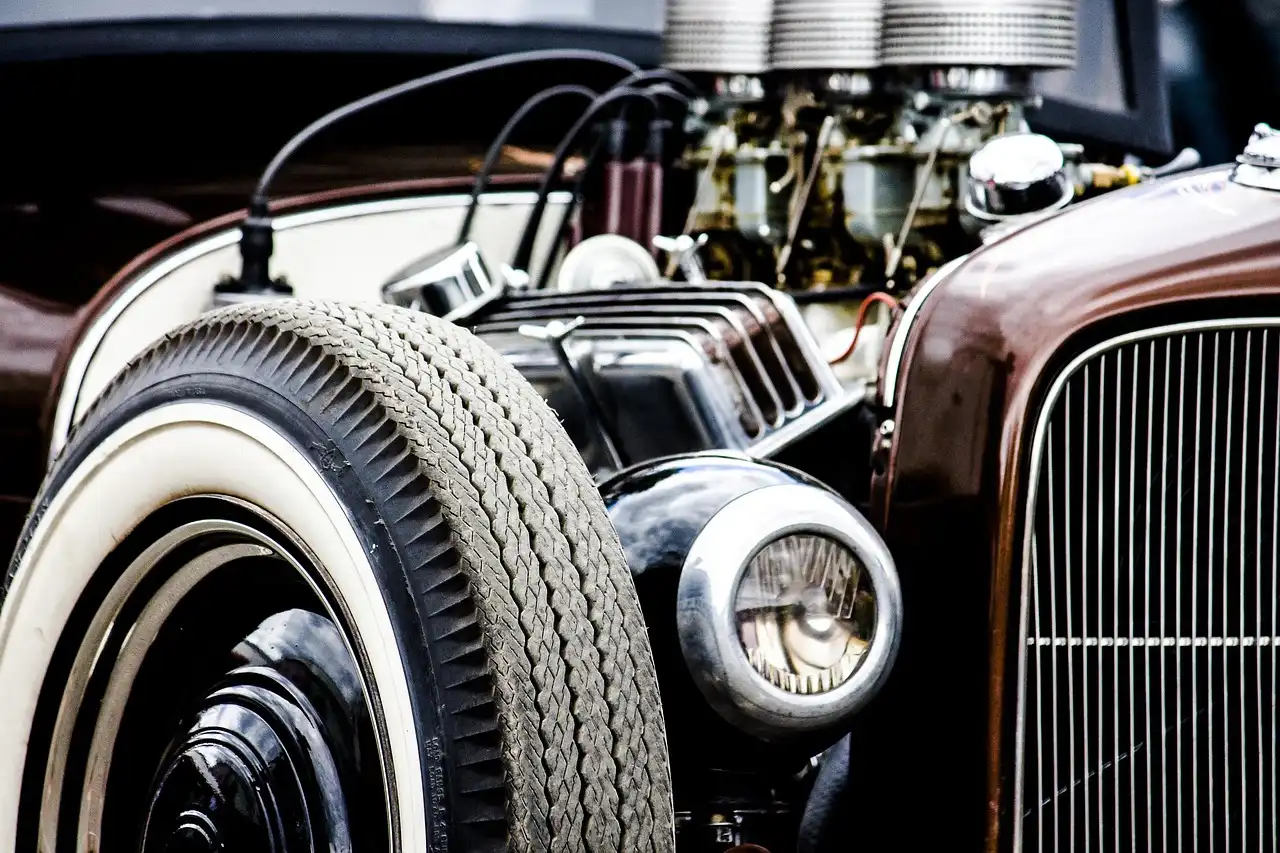
Several common engine repairs stay in the car and cost less because they do not require deep teardown. Valve cover gasket replacement typically runs $200 to $500. EGR valve service may be even cheaper if cleaning solves the clog. Some turbocharger jobs also stay in the vehicle, although access can still be awkward and labor-heavy.
These are the jobs that often make sense to repair rather than replace. A valve cover leak usually means external oil seepage. An EGR clog can sometimes be cleaned instead of replaced. A turbocharger may need a rebuild or replacement, but the engine itself does not necessarily need to come out.
Valve cover gasket
This is a common oil-leak source on higher-mileage engines. It usually sits at the top of the engine and can be replaced without full engine removal in many cases. If oil is dripping onto the exhaust or belts, fix it soon. If the seepage is minor and the level stays stable, short monitoring is usually reasonable.
EGR valve
EGR valves can clog over time, and sometimes a good cleaning solves the issue. If cleaning does not restore function, replacement may be required. This is a smaller repair than internal engine work, and it usually stays in-car.
Turbocharger assembly
A turbocharger assembly can fail from bearing wear, oil starvation, or belt issues. It is costly because the parts are precise and the labor can be tight on forced-induction engines. Still, it is usually cheaper than allowing turbo damage to send metal or oil through the engine.
Picture a 2.0-liter turbo engine that starts smoking and loses boost, but compression is normal. That points more toward the turbocharger than the bottom end. If the turbo is replaced before the debris spreads, the repair may stay limited to the forced-induction hardware instead of becoming engine damage.
When does repair beat replacement?
Repair beats replacement when the failure is isolated, the block is sound, and the rest of the engine still has usable life. Timing belt service on an interference engine is the clearest example. So is a single gasket failure caught before overheating spreads. Once internal damage stacks up, the math changes fast.
Timing belt replacement costs $400 to $1,000, which is far cheaper than the valve and piston damage that can follow a belt break on an interference engine. That is preventive service, not optional delay. If the belt breaks and the engine suffers piston-valve contact, the repair can move from scheduled maintenance to major internal work.
When the engine is no longer economical
Replace the engine when the block is cracked, the crankshaft is damaged, or multiple internal systems fail at once. A complete engine rebuild typically costs $2,500 to $6,000 in parts and labour, and that is before adding surprises such as seized fasteners, damaged heads, or contaminated oil passages. If the estimate approaches the value of the vehicle, replacement is often the cleaner call.
Suppose a non-interference engine loses oil pressure, starts knocking, and sends metal through the pan. That is no longer a gasket job. At that point, the bill can move toward rebuild or replacement, because the failure is inside the engine and not just on the surface.
Frequently asked questions
Which engine components are the most expensive to repair?
The most expensive engine-component repairs often include cylinder head damage, severe head gasket failure, turbocharger replacement, and internal engine damage that can lead to a rebuild or replacement.
What engine parts cause the biggest repair bills?
The biggest bills come from parts that force deep teardown or cause other damage first. Head gaskets, cylinder heads, turbochargers, and timing-related failures on interference engines are the usual money traps. The part price matters, but labor, machining, and collateral damage often decide the final invoice.
How much does it cost to replace engine internals?
That depends on which internal parts failed and whether the block, head, and crankshaft remain usable. A complete engine rebuild typically costs $2,500 to $6,000 in parts and labour. If the damage reaches the crankshaft, bearings, pistons, or block, replacement can be more practical than piecemeal repair.
Which engine repairs can be done without replacing the whole engine?
Valve cover gasket replacement, EGR valve cleaning or replacement, timing belt service, and many turbocharger repairs can often be done without replacing the whole engine. Head gasket and cylinder head work also may stay in the vehicle, depending on the design and the amount of damage present.
What signs mean an engine component is failing badly?
Watch for overheating, coolant loss, oil leaks, white exhaust smoke, rough running, misfires, reduced power, and knocking. A blown head gasket can cause overheating, reduced performance, or complete engine failure. A single symptom does not prove one part is bad, so diagnosis should come before teardown.
When is engine repair not worth the cost?
Engine repair is often not worth it when the block is cracked, the crankshaft is damaged, or the estimate comes close to the vehicle’s value. If multiple failures stack up, a rebuild or replacement can be the better choice. The break point depends on vehicle condition, mileage, and the extent of hidden damage.
Products related to this article
Sponsored / affiliate links. As an Amazon Associate I earn from qualifying purchases. I may earn additional commission from eligible campaigns.
 QAZAKY Pack of 5 Carburetor Rebuild Repair Kit Compatible with K10-WAT WA WT 2-Cycle Carb String Trimmer Leaf Blower Chainsaw Poulan Weedeater Ryobi Ryan IDC Homelite Lawnboy Toro McCulloch Craftsman
 Catalytic Converter Cleaner Auto Parts Engine, Exhaust System Pipe Carbon Removal Cleaner Treatment Additive Oil, Fuel System Treatment Oil Additive for Gas and Diesel Car(120 ml) (2pcs)