What Car Does Ford Use in WRC? The Rally Beast Revealed
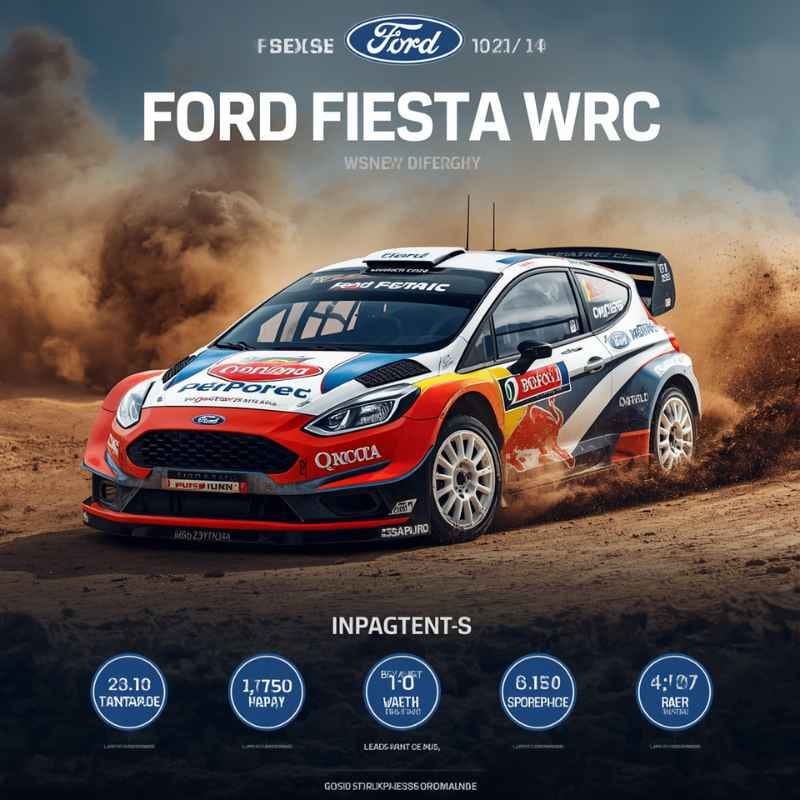
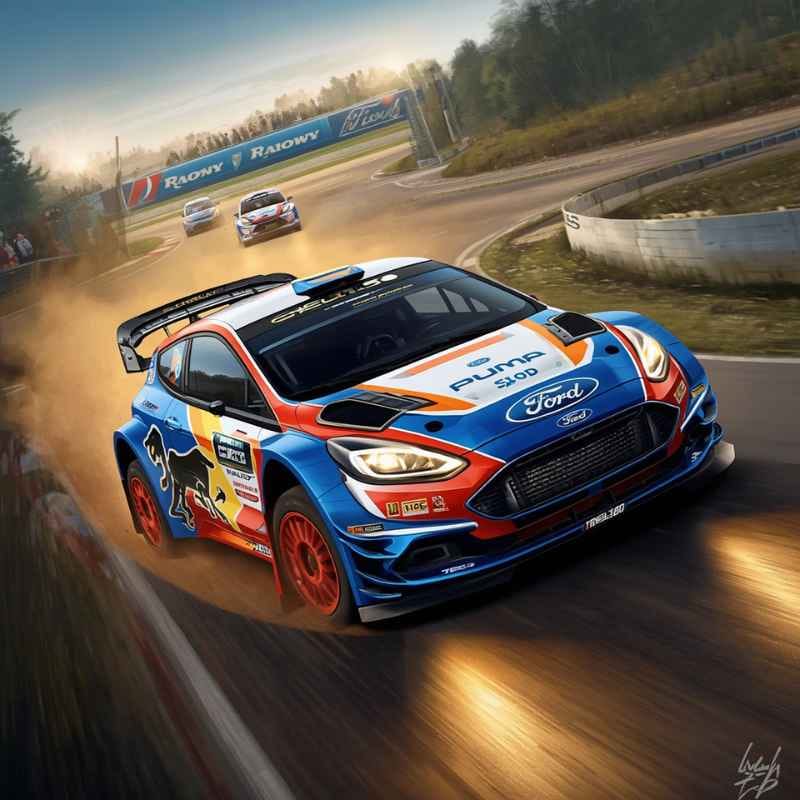
The Ford WRC car currently competing in the World Rally Championship is the Ford Puma Hybrid Rally1, a purpose-built hybrid rally machine developed by M‑Sport in partnership with Ford. This post breaks down exactly what makes this car tick, how it compares to past Ford rally legends, and what you need to know about its technology and performance.
Simply put, Ford uses the Ford Puma Hybrid Rally1 in the WRC. It’s a 500‑plus‑horsepower, all‑wheel‑drive hybrid rally car built by M‑Sport, based on the road‑going Ford Puma crossover. This car replaced the Fiesta WRC and brought hybrid technology into the sport in 2022.
Key Takeaways
- Ford’s current WRC car is the Ford Puma Hybrid Rally1, introduced for the 2022 season.
- It combines a 1.6‑liter turbocharged engine with a 100‑kW electric motor for a total output over 500 hp.
- The car is built and run by M‑Sport, Ford’s long‑time rally partner.
- The Ford Puma Rally1 uses a plug‑in hybrid system that adds a temporary electric boost and improves energy recovery.
- Drivers like Ott Tänak and Pierre‑Louis Loubet have piloted this car to podium finishes and stage wins.
What Is the Ford Puma Hybrid Rally1?
The Ford Puma Hybrid Rally1 is the latest evolution of Ford’s rally efforts in the FIA World Rally Championship. It was launched at the start of 2022 as part of the new Rally1 regulations, which introduced plug‑in hybrid technology to the top class of rallying for the first time.

Tamiya
Tamiya 24217-1800 Ford Focus WRC
- Parallel import goods
- Assembly, painting is required plastic model. Separately, necessary tools, paint and the like.
As an Amazon Associate I earn from qualifying purchases.
Unlike the previous Fiesta WRC, which used a pure internal combustion engine, the Puma Rally1 pairs a 1.6‑liter EcoBoost petrol engine with a 100‑kW electric motor. The combined system delivers approximately 500 horsepower, with the electric motor providing an immediate torque boost out of corners and on short straights.
Important: The Puma Rally1 is not based on the road‑going Ford Puma in terms of chassis or drivetrain. It uses a bespoke rally tube‑frame chassis, but the body shape visually mimics the production crossover for branding consistency.
| Specification | Detail |
|---|---|
| Engine | 1.6L turbocharged EcoBoost 4‑cylinder |
| Electric motor | 100 kW (134 hp) plug‑in hybrid |
| Total power | Approx. 500 hp |
| Transmission | 6‑speed sequential, all‑wheel drive |
| Weight | 1,260 kg (minimum regulation) |
| Battery | 3.9 kWh plug‑in lithium‑ion |
| Chassis | Welded tube‑frame space frame |
According to M‑Sport, the hybrid system contributes up to 134 hp for around 3 seconds per use before recharging. Drivers can deploy the electric boost up to 20 times per stage, adding a strategic layer to rallying.
How Does the Ford Puma Rally1 Compare to Its Predecessors?
Ford’s WRC heritage includes iconic models like the Focus RS WRC (1999–2010) and the Fiesta RS WRC (2011–2021). The Puma Rally1 represents a radical shift in both platform and powertrain.
Unlike its predecessors, the Puma Rally1 uses a hybrid system that adds both complexity and performance. The Focus and Fiesta relied solely on 2.0‑litre and 1.6‑litre turbo engines respectively, with no electric assist. Here’s how they stack up.
| Model | Years Active | Engine | Max Power | Hybrid? |
|---|---|---|---|---|
| Focus RS WRC | 1999–2010 | 2.0L turbo | ~340 hp | No |
| Fiesta RS WRC | 2011–2021 | 1.6L turbo | ~380 hp | No |
| Fiesta WRC 2017+ | 2017–2021 | 1.6L turbo | ~380 hp | No |
| Puma Hybrid Rally1 | 2022–present | 1.6L turbo + electric | ~500 hp | Yes |
The jump in power is significant: from 380 hp in the Fiesta to over 500 hp in the Puma. But the real leap is in torque delivery, thanks to the instant electric boost. The Puma also uses a smaller engine capacity and the same 1.6L displacement as the Fiesta, but the hybrid unit changes the driving character completely.
Tip: If you’re watching a WRC stage, listen for the distinctive electric whine when the Puma exits a hairpin. That’s the hybrid boost at work.
What Makes the Puma Hybrid Rally1 Unique in WRC?
Several features set the Ford Puma Rally1 apart from both its own stablemates and rival cars like the Toyota GR Yaris Rally1 and Hyundai i20 N Rally1.
- Hybrid deployment strategy: Drivers can manually choose when to use the 100‑kW boost, making it a strategic tool for stage planning.
- Energy recovery under braking: The system harvests energy during deceleration, recharging the battery for later use.
- Plug‑in charging: Between stages, a shore‑power charger tops up the battery in about 20 minutes.
- All‑wheel drive with active diffs: The central diff and rear diff are electronically controlled, giving the driver precise torque split options.
- Suspension geometry: The front and rear suspension is fully adjustable and designed to handle huge compressions and jumps.
- Aerodynamics: The large rear wing and front splitter generate serious downforce, but the car’s body is wider than the road Puma to cover the massive wheel arches.
- Safety cell: The tube‑frame chassis meets the latest FIA crash standards, including a fully integrated roll cage and side impact protection.
According to M‑Sport’s technical director, one of the biggest challenges was integrating the heavy hybrid battery (approx. 80 kg) without affecting weight distribution. They placed it low and central in the chassis, actually improving the car’s centre of gravity compared to the Fiesta WRC.
Warning: The hybrid system adds complexity to service. Teams need engineers trained in high‑voltage safety, and charging infrastructure is required at every rally. This raised costs for privateer entries.
Who Drives the Ford WRC Car in the 2024 Season?
Ford’s WRC entry is managed by M‑Sport, which fields the Ford Puma Hybrid Rally1 under the M‑Sport Ford World Rally Team banner. For the 2024 season, the driver lineup includes:
- Ott Tänak (Estonia) – The 2019 WRC champion returned to M‑Sport for 2024, bringing championship‑winning experience and a proven ability to extract maximum performance from the Puma.
- Pierre‑Louis Loubet (France) – The talented French driver continues with the team, focusing on consistency and podium finishes.
- Adrien Fourmaux (France) – A rising star in the WRC, Fourmaux is driving a partial program with the Puma Rally1, aiming to earn a full‑time seat.
Additionally, M‑Sport runs a separate entry for privateers under the customer car program, allowing teams like PH Sport and others to purchase and campaign the Puma Rally1. This makes the Ford WRC car one of the most accessible top‑class rally cars on the grid.
As of mid‑2024, Tänak has secured multiple stage wins and challenged for podium positions, showing that the Puma is capable of fighting for victory on all surfaces—gravel, tarmac, snow, and ice.
Why Did Ford Choose the Puma Platform for WRC?
When the Fiesta WRC ended its lifecycle, Ford faced a decision: develop a new rally car from scratch or base it on an existing production model. The choice of the Puma was strategic.
The market shift toward crossovers and SUVs meant that a rally car based on the Ford Puma would align with Ford’s global product lineup. It also put the Puma name in the spotlight, enhancing its sporty image. From a technical standpoint, the Puma’s raised body shape didn’t compromise the ability to build a low‑slung rally chassis because the Rally1 regulations allow extensive modification—the body panels are largely visual.
- Brand synergy: The Puma is a top seller in Europe. Rally success translates to showroom buzz.
- Weight savings: The Puma’s compact dimensions mean less steel in the production panels, which helped in meeting the 1,260‑kg weight limit.
- Aerodynamics: The car’s shape allowed engineers to design a large rear wing that works with the roofline for efficient airflow.
- Cost control: Using an existing model’s visual identity reduces homologation costs compared to a full custom design.
M‑Sport’s managing director Malcolm Wilson stated that the decision to switch from Fiesta to Puma was driven by Ford’s product direction and the need to keep the rally program relevant to modern car buyers.
Tip: If you’re a Ford fan, this is good news: the technology developed for the Puma Rally1 trickles down to the road‑going Ford Puma ST models in the form of suspension and drivetrain refinement.
How Has Ford Evolved in WRC Over the Years?
Ford’s WRC history dates back to the 1970s with the Escort RS, but the modern era began with the Focus in 1999.
Escort RS (1970s–1990s)
The Escort RS won the manufacturers’ championship twice (1979, 1981) and gave Ford a reputation for tough, rear‑wheel‑drive rally cars. Colin McRae drove the Escort Cosworth in the 1990s, helping popularise the brand in WRC.
Focus RS WRC (1999–2010)
The Focus ushered in the 2.0‑litre turbo era. It won the manufacturers’ championship in 2006 and 2007 with drivers like Marcus Grönholm and Mikko Hirvonen. The Focus was known for its stable handling and strong top‑end power.
Fiesta RS WRC (2011–2021)
The Fiesta downsized to a 1.6‑litre engine and became a fan favourite. Sébastien Ogier won the drivers’ title in 2017–2018 with M‑Sport, and the car proved versatile across surfaces. The Fiesta also introduced a more compact chassis that later influenced the Puma.
Puma Hybrid Rally1 (2022–present)
The Puma brought hybrid technology, and despite initial reliability issues, the car has been steadily improving. It earned its first WRC win in 2022 at the Monte‑Carlo Rally (with Sébastien Loeb), and continues to be a contender.
The evolution highlights Ford’s commitment to staying competitive. According to WRC historian David Evans, “Ford has always been willing to invest in new technology when the regulations allow it, and the Puma hybrid is the best example yet.”
What Are the Technical Specifications of the Ford WRC Car?
Beyond the basics, here’s a deeper look into the numbers that make the Puma Rally1 a engineering marvel.
| Component | Detail |
|---|---|
| Engine | 1.6L EcoBoost, direct injection, turbocharged |
| Max engine power | ~380 hp |
| Max hybrid power | 100 kW (134 hp) |
| Total combined power | ~500 hp |
| Torque (engine) | ~425 Nm |
| Torque (electric) | ~200 Nm |
| Transmission | 6‑speed sequential, hydraulic actuator |
| Steering | Electro‑hydraulic power steering |
| Front brakes | 355 mm ventilated discs, 6‑piston calipers |
| Rear brakes | 300 mm discs, 2‑piston calipers |
| Weight | 1,260 kg (including driver and co‑driver) |
| Length | 4,200 mm (approx) |
| Width | 1,875 mm |
| Wheelbase | 2,560 mm |
According to FIA data, the Rally1 class cars (including the Ford) produce roughly 500 hp for about 3 seconds per boost activation. The battery pack is designed for short, high‑power bursts rather than long electric range. After a stage, the driver can select “charge mode” to use the engine to recharge the batter during the road section.
How Does the Hybrid System Work in the Ford Puma Rally1?
The hybrid system is one of the most talked‑about features of the current WRC. Here’s a step‑by‑step breakdown of how it operates in the Ford.
- Deployment: The driver presses a button on the steering wheel to activate the hybrid boost. This delivers full 100‑kW power for a maximum of 3 seconds. The boost is available up to 20 times per stage.
- Recovery: During heavy braking, the electric motor acts as a generator, converting kinetic energy into electricity. This energy is stored in the 3.9‑kWh battery.
- Plug‑in charging: In the service park or at stage starts, a dedicated charger can replenish the battery in about 20 minutes. This ensures the battery is fully topped up for the next stage.
- Strategy: Drivers and co‑drivers plan where to use the boost—usually after slow corners, to exit fast, or on short uphill sections where every tenth of a second counts.
- Safety: The high‑voltage system is isolated from the chassis. In a crash, the battery disconnects automatically, and the car’s safety systems cut off the high‑voltage circuit.
Because the hybrid system adds a variable (battery state of charge), teams now employ a “hybrid engineer” who helps plan the energy strategy for each stage. This has introduced a new layer of tactical depth to WRC.
Tip: Watch onboard videos of the Puma Rally1—you can hear the electric motor whining when the boost is activated. It’s a unique sound in modern rallying.

Frequently Asked Questions
What car does Ford use in WRC currently?
Ford uses the Ford Puma Hybrid Rally1, built by M‑Sport. It is a plug‑in hybrid rally car that competes in the top class of the World Rally Championship.
Is the Ford Puma Rally1 based on the road car?
Visually it resembles the Ford Puma crossover, but underneath it uses a bespoke tube‑frame chassis, not the production car’s unibody. The engine and drivetrain are also purpose‑built for rallying.
How much power does the Ford WRC car have?
The Puma Rally1 produces approximately 500 horsepower when the hybrid boost is active. The internal combustion engine alone delivers about 380 hp, and the electric motor adds 134 hp in short bursts.
Who builds the Ford WRC car?
M‑Sport, based in Cumbria, England, builds and operates the Ford Puma Rally1 cars. M‑Sport has been Ford’s official rally partner since the 1990s.
Can I buy a Ford Puma Rally1 for myself?
M‑Sport offers customer cars to private teams, but they are not road‑legal. The cost is over €1 million, and they require full factory support to run. For a road‑legal performance version, the Ford Puma ST is the closest you can get.
Final Thoughts
Ford’s current WRC car, the Puma Hybrid Rally1, represents a bold step into hybrid technology while staying true to the brand’s rallying DNA. It combines raw power with strategic electric assist and continues a legacy that started with the Escort and Focus. If you want to see the future of rallying, look no further than the blue oval’s hybrid beast tearing through the forests and mountains of the WRC.
See also when is the ford car boot sale dates and what to expect. See also when is the ford car boot sale dates and what to expect.
Related pick: Check today's price on Amazon
Products related to this article
Sponsored / affiliate links. As an Amazon Associate I earn from qualifying purchases. I may earn additional commission from eligible campaigns.
![iPhone Car Charger,USB C Fast Car Charger[Apple MFi Certified] Apple Car Charging 38W Dual Port CarCharger Cigarette Lighter Adapter 2x3ft PD&QC 3.0 Lightning Cable for iPhone 14/13/12 Pro/11/Airpods](https://m.media-amazon.com/images/I/41XizrssoiL._SL500_.jpg) iPhone Car Charger,USB C Fast Car Charger[Apple MFi Certified] Apple Car Charging 38W Dual Port CarCharger Cigarette Lighter Adapter 2x3ft PD&QC 3.0 Lightning Cable for iPhone 14/13/12 Pro/11/Airpods
iPhone Car Charger,USB C Fast Car Charger[Apple MFi Certified] Apple Car Charging 38W Dual Port CarCharger Cigarette Lighter Adapter 2x3ft PD&QC 3.0 Lightning Cable for iPhone 14/13/12 Pro/11/Airpods EL-50449 Ford TPMS Relearn Tool TPMS Reset Tool Tire Pressure Sensor Reset, TPMS relearn, tire Rotation, tire Replacement, clearing TPMS Warning Light