What Does a Car Warning Light Mean? Common Symbols Explained
When a car warning light suddenly appears on your dashboard, it can provoke anything from mild concern to outright panic. For most drivers, these glowing symbols are shrouded in mystery, a cryptic language that hints at everything from low tire pressure to critical engine failure.
Understanding what each warning means can make the difference between a simple fix and a costly breakdown. Moreover, as cars become increasingly sophisticated, the variety and complexity of dashboard lights have grown, making it more important than ever to recognize what your car is trying to tell you.
Ignoring a warning light can have serious consequences for your vehicle’s longevity, your safety, and your wallet. On the other hand, overreacting to a benign indicator can lead to unnecessary anxiety and service costs. This comprehensive guide will demystify the most common car warning lights, explain what they mean, and provide actionable steps for addressing them.
Whether you’re a seasoned auto enthusiast or a new driver, mastering these symbols equips you to respond smartly and maintain your car in top condition.
Key Takeaways
- Car warning lights alert you to issues ranging from minor maintenance to critical system failures.
- Red lights typically indicate urgent problems, while yellow/orange lights suggest caution and non-immediate action.
- Ignoring warning lights can lead to costly repairs or safety risks.
- Recognizing common symbols helps you decide when to pull over, call for help, or schedule routine service.
- Modern vehicles may display unique or brand-specific lights, always check your owner’s manual for details.
- Seeking professional diagnosis is crucial for ambiguous or persistent warnings.
Credit: www.speedwaysubaru.com
The Purpose Of Car Warning Lights
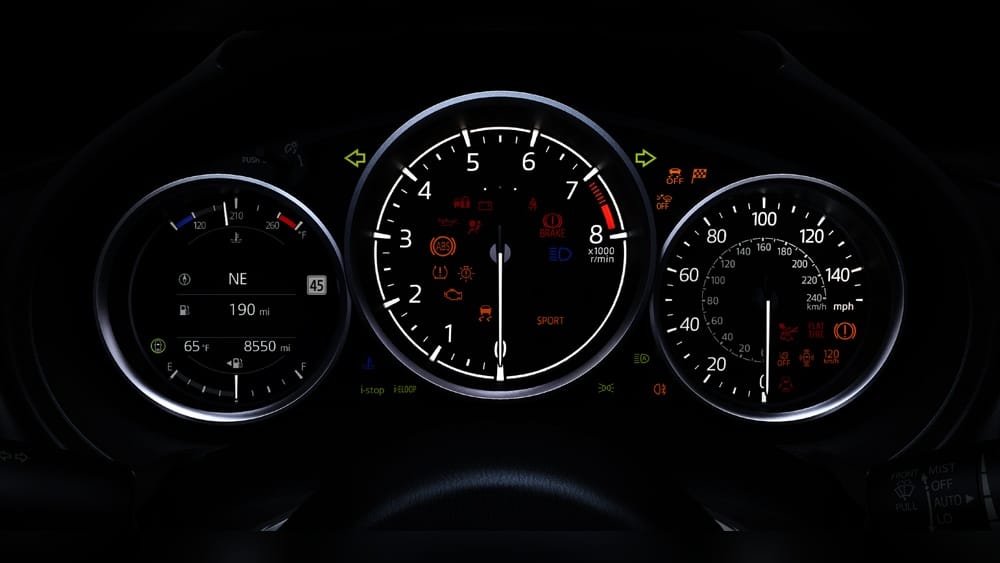
Every vehicle’s dashboard is designed to provide real-time feedback about the car’s status and health. These warning lights function as the car’s way of communicating with you, acting as early warning systems for potential issues.
How Warning Lights Work
Car warning lights are triggered by sensors and onboard diagnostics (OBD) systems. Modern vehicles are equipped with a network of sensors that monitor everything from engine temperature to tire pressure. When a sensor detects an abnormality, it sends a signal to the car’s control module, which then illuminates the corresponding warning light on your dashboard.
Types Of Warning Lights
Warning lights are typically categorized by color:
- Red: Indicates a serious issue that requires immediate attention (e.g., engine overheating, low oil pressure).
- Yellow/Orange: Signals a potential problem or something that needs checking soon (e.g., check engine, low fuel).
- Green/Blue: Informational indicators or system status (e.g., high beam on, turn signals).
Why Timely Response Matters
Responding promptly to warning lights can prevent minor issues from escalating into major repairs. For example, ignoring a low oil pressure light can lead to engine damage, while addressing it early may only require a quick oil top-up. According to the National Highway Traffic Safety Administration, mechanical failures contribute to over 44,000 crashes annually in the US, many of which are preventable with proper maintenance and early warning attention (NHTSA).

Credit: www.gofar.co
Decoding The Most Common Car Warning Lights
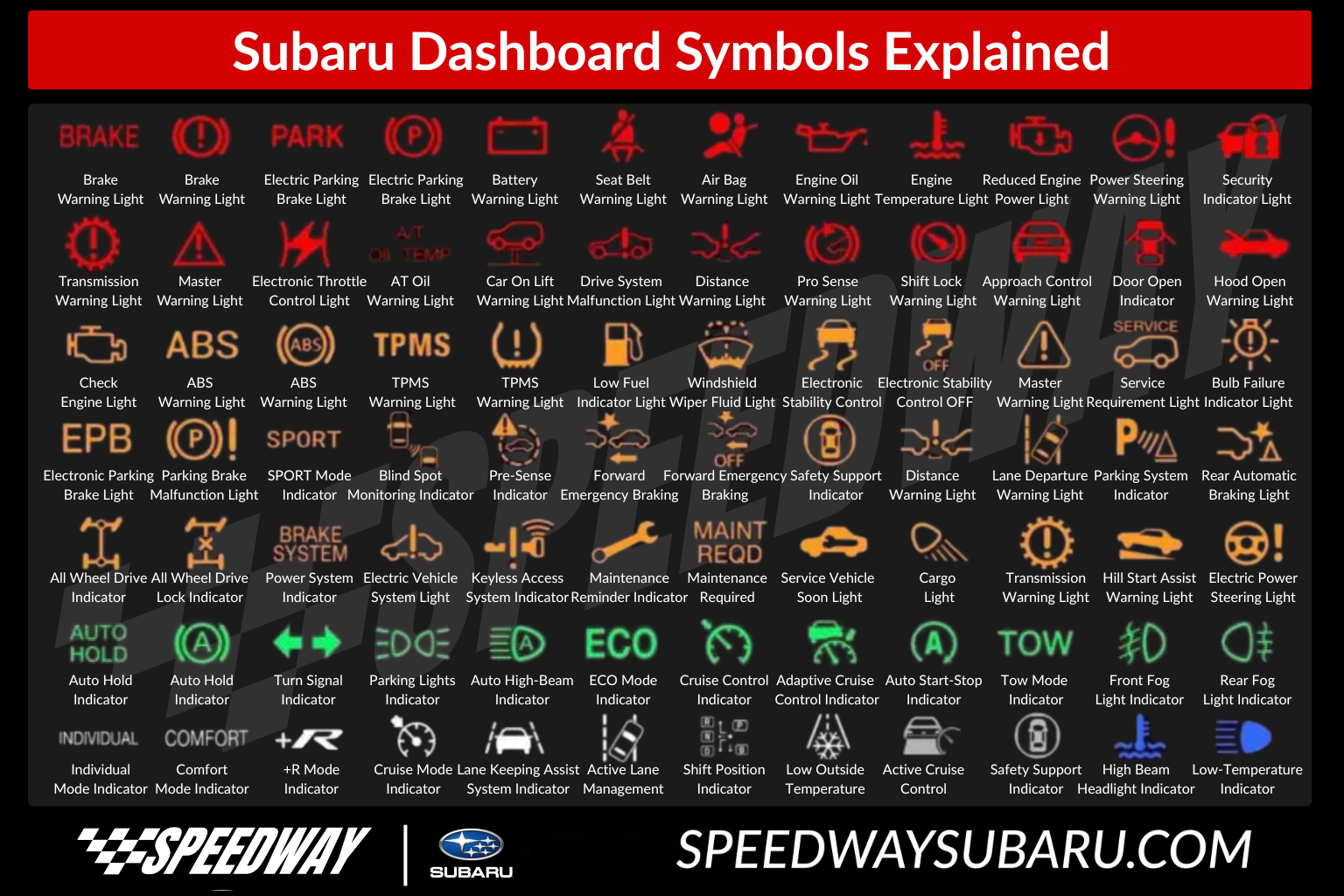
Most drivers will encounter several standard warning lights during their vehicle’s life. Understanding the most frequent symbols can help you quickly assess the severity of a situation.
Check Engine Light
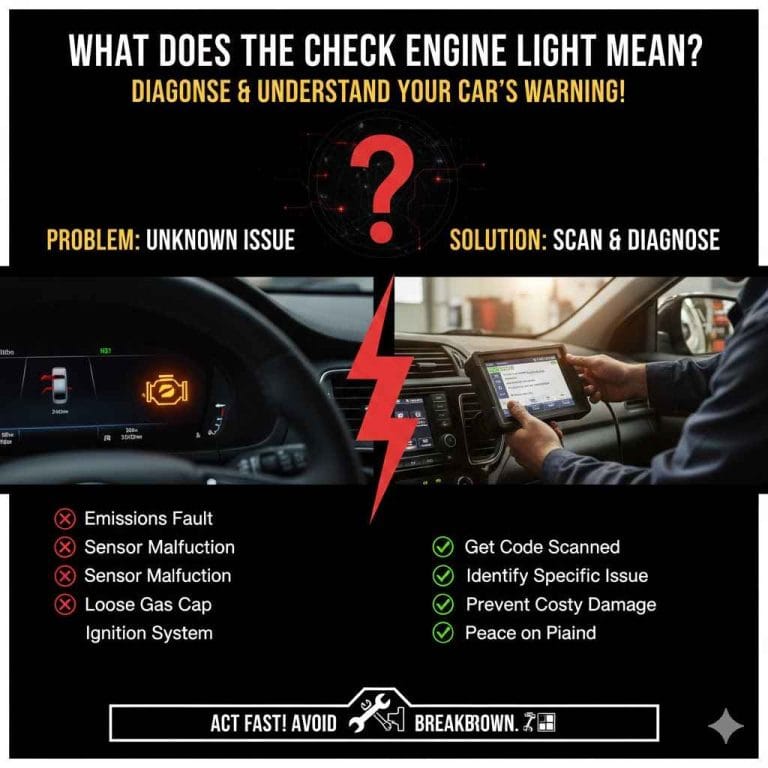
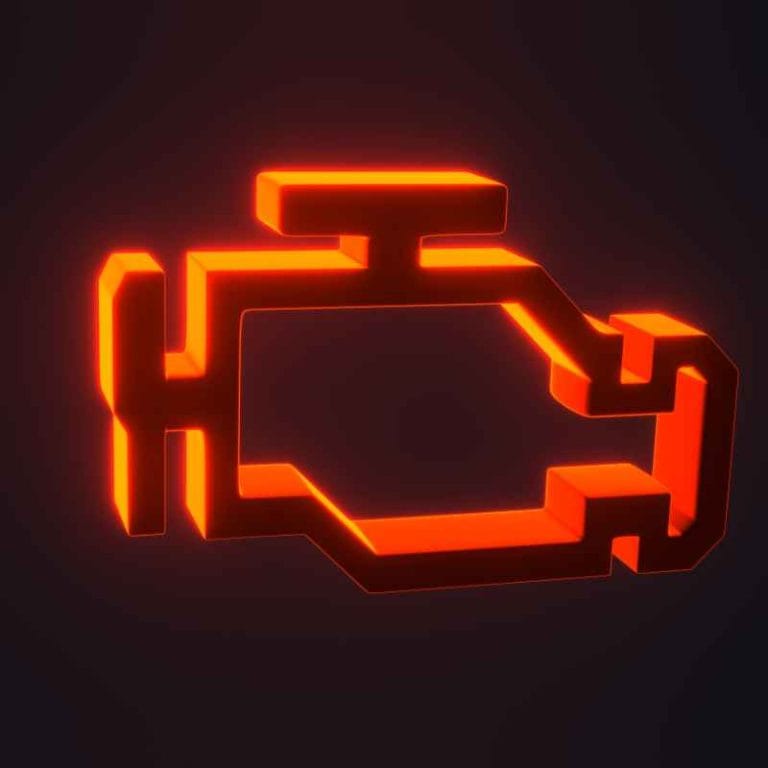
The check engine light (often shown as an engine outline or “CHECK ENGINE” text) is one of the most misunderstood indicators. It can signal anything from a loose gas cap to a failing catalytic converter. If the light is steady, you can often continue driving, but if it flashes, stop as soon as it is safe.
Example: When I tested a Toyota Camry, a loose gas cap triggered the check engine light. After tightening the cap and driving for a few miles, the light turned off, a simple fix that saved a costly diagnostic fee.
Oil Pressure Warning Light
This symbol, usually an oil can, indicates a drop in engine oil pressure. Low oil pressure can quickly cause severe engine damage. If this light comes on, pull over immediately and check your oil level.
Battery/charging System Warning
A battery-shaped symbol means the charging system is not working correctly. This could be due to a failing alternator, battery, or wiring problem. If the light comes on while driving, your car may eventually stall, seek service as soon as possible.
Brake System Warning
The brake warning light may appear as an exclamation point inside a circle or the word “BRAKE. ” It can indicate low brake fluid, a parking brake that’s engaged, or a more serious brake system issue. Never ignore this light, brakes are essential for safety.
Coolant Temperature Warning
A thermometer symbol signals engine overheating. Driving with this light on can cause engine failure. Pull over, turn off the engine, and allow it to cool before checking coolant levels.
Tire Pressure Monitoring System (tpms) Light
The TPMS light resembles a cutaway tire with an exclamation mark. It alerts you when one or more tires are under-inflated, which can lead to poor handling or blowouts.
Airbag/srs Warning
An illuminated airbag light means a problem with the Supplemental Restraint System (SRS). Airbags may not deploy in a crash, so have this checked by a professional immediately.
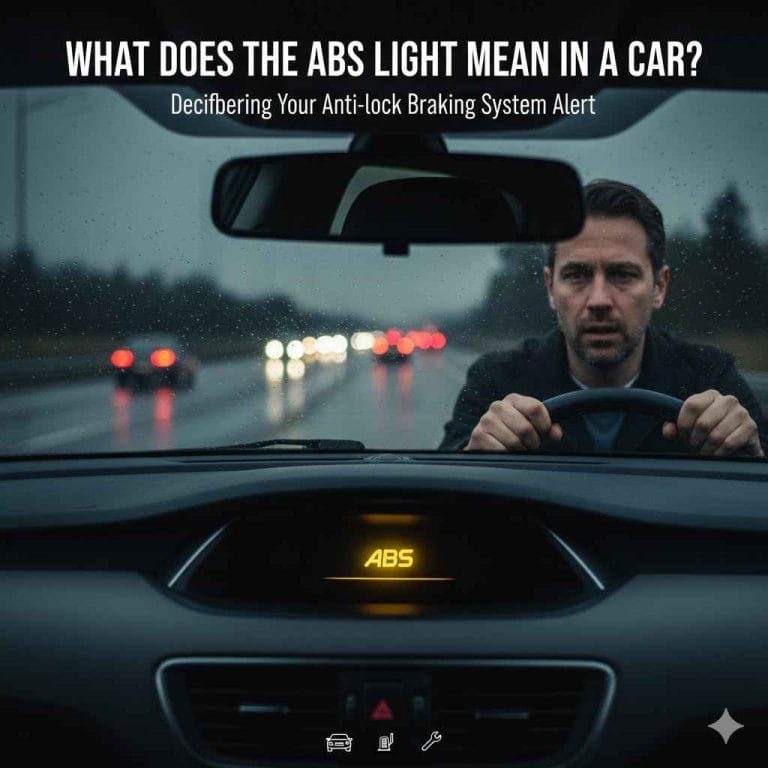
Abs Warning Light
The Anti-lock Braking System (ABS) light indicates a malfunction in the anti-lock braking system. While you can still brake, your car may not handle emergency stops as safely.
Comparison Table: Key Warning Lights
| Warning Light | Symbol | Severity | Immediate Action |
|---|---|---|---|
| Check Engine | Engine Outline | Moderate to Severe | Check manual, seek service if persistent |
| Oil Pressure | Oil Can | Severe | Stop immediately, check oil level |
| Battery/Charging | Battery Symbol | Moderate | Seek service soon |
| Brake System | Exclamation in Circle | Severe | Check brakes, do not drive if unsafe |
| Coolant Temp | Thermometer | Severe | Stop, allow engine to cool |

Credit: www.evanshalshaw.com
Less Common But Important Warning Lights
While the previous section covers the most frequent warning symbols, modern vehicles feature dozens of other lights. Some are brand-specific or pertain to advanced systems.
Transmission Temperature Warning
A gear with a thermometer indicates the transmission is overheating. This is critical, especially in automatic vehicles, as it can lead to transmission failure.
Power Steering Warning
A steering wheel with an exclamation mark means a problem with the power steering system. Loss of power steering makes the car harder to control, especially at low speeds.
Traction Control Warning
A car with squiggly lines beneath it signals that traction control is active, or there’s a fault in the system. If it stays on, have your car checked, especially in slippery conditions.
Diesel Particulate Filter (dpf) Warning
Diesel vehicles may have a filter symbol with dots, indicating DPF issues. Ignoring this can cause poor performance or engine damage.
Lane Departure Warning
A car drifting between lines shows the lane departure system is either active or malfunctioning. Persistent illumination may require recalibration or sensor cleaning.
Automatic High-beam Indicator
A headlight icon with a letter “A” means automatic high beams are active, informational, not a warning.
Advanced Driver Assistance System (adas) Light
Some newer vehicles have a car with a star or lines, indicating ADAS issues. This can affect adaptive cruise control, emergency braking, or lane-keeping assistance.
Table: Less Common Warning Lights
| Warning Light | Symbol | System Affected | Recommended Action |
|---|---|---|---|
| Transmission Temp | Gear with Thermometer | Transmission | Stop and allow to cool, check fluid |
| Power Steering | Steering Wheel/Exclamation | Steering System | Check fluid, seek service |
| Traction Control | Car with Squiggly Lines | Traction/ABS | Check system if persistent |
| Diesel Particulate Filter | Filter with Dots | Emissions | Seek service soon |
Responding To Warning Lights: Step-by-step Guide
Knowing how to react when a warning light appears is just as important as recognizing what it means. Timely and appropriate responses can prevent breakdowns and ensure safety.
Step 1: Identify The Warning Light
- Consult your owner’s manual for unfamiliar symbols.
- Match the symbol’s color and shape to determine urgency.
Step 2: Assess The Severity
- Red lights: Pull over safely and address immediately.
- Yellow/orange lights: Schedule service soon but continue driving with caution.
- Green/blue lights: Informational; no action required.
Step 3: Take Initial Action
- For critical warnings (oil pressure, temperature, brakes), stop the car as soon as it is safe.
- For check engine or TPMS, check for obvious issues (e.g., loose gas cap, visibly flat tire).
Step 4: Seek Professional Help
- If the issue isn’t resolved or the light persists, visit a certified mechanic or dealership.
- Some codes can be read with an OBD-II scanner (available at auto parts stores or online).
Pro Tip: Many auto parts stores will read basic diagnostic codes for free, helping you determine if the issue is minor or serious.
Step 5: Record The Incident
- Make a note of when the warning appeared, driving conditions, and any unusual noises or behaviors.
- This information can help technicians diagnose the problem more quickly.
Real-world Examples: Warning Lights In Action
Understanding warning lights is more than theory, it can prevent real-life trouble. Here are actual scenarios where recognizing and responding to dashboard warnings made a difference.
Case Study 1: The Persistent Check Engine Light
A driver noticed the check engine light was on after filling up with gas. Remembering advice from their owner’s manual, they checked the gas cap and found it wasn’t fully tightened. After securely replacing it, the light went off within a few drives, avoiding a trip to the mechanic and unnecessary diagnostic fees.
Case Study 2: Sudden Oil Pressure Drop
During a road trip, a car’s oil pressure warning light illuminated. The driver immediately pulled over, checked the oil level, and found it dangerously low due to a slow leak. Refilling the oil allowed them to safely reach the nearest service station and avoid catastrophic engine damage.
Case Study 3: Tpms Warning After Temperature Drop
On a cold winter morning, the TPMS light came on. Knowing that tire pressure drops with temperature, the driver checked and topped up all four tires. The light turned off, restoring safe handling and fuel efficiency.
Preventing Warning Lights: Maintenance And Best Practices
While warning lights are an essential safety net, regular vehicle care can minimize their occurrence and keep your car in optimal condition.
Routine Maintenance Checklist
- Check fluid levels (oil, coolant, brake, power steering) monthly.
- Inspect tires for wear and maintain proper inflation.
- Replace filters (air, fuel, cabin) as recommended.
- Test battery and charging system annually.
Scheduled Service Intervals
Following your manufacturer’s service schedule is key. This typically includes:
- Oil changes every 5,000, 7,500 miles.
- Brake inspections every 10,000, 20,000 miles.
- Transmission service every 30,000, 60,000 miles.
Upgrading Your Tools
Consider keeping an OBD-II scanner in your glove compartment. These devices allow you to read diagnostic codes at home, empowering you to make informed decisions about repairs.
Table: Preventive Maintenance Schedule
| Maintenance Task | Recommended Interval | Potential Warning Light Triggered |
|---|---|---|
| Oil Change | 5,000, 7,500 miles | Oil Pressure, Check Engine |
| Tire Rotation & Pressure Check | 6,000, 8,000 miles | TPMS |
| Brake Inspection | 10,000, 20,000 miles | Brake System |
| Battery Check | Annually | Battery/Charging |
| Coolant Replacement | 2, 5 years | Coolant Temp |
Warning: Don’t Ignore Recurring Lights
If a warning light turns on repeatedly, even after service, it could indicate a deeper issue. Chronic check engine or ABS warnings may suggest sensor faults, wiring problems, or control module errors. Always consult a certified technician for persistent alerts.
How Manufacturers Are Improving Dashboard Communication
Automakers are constantly refining how warning lights communicate information to drivers. Advances in automotive technology aim to make indicators clearer, more informative, and less prone to false alarms.
Icon Standardization
The International Organization for Standardization (ISO) has worked to standardize dashboard symbols, making them more recognizable across different makes and models. However, some symbols may still vary, so always refer to your specific vehicle manual.
Smart Dashboards And Digital Displays
Digital instrument clusters allow for context-sensitive warnings. For example, instead of just a symbol, your dashboard may display a message such as “Check Engine: Cylinder Misfire Detected.” Some luxury cars provide color-coded urgency levels and direct links to service scheduling.
Integration With Mobile Apps
Many newer vehicles connect warning lights to smartphone apps. These apps can:
- Send notifications when a warning appears.
- Explain the issue in plain language.
- Offer recommendations for nearby service centers.
Example: Tesla’s Custom Alerts
Tesla vehicles provide detailed warnings on their central touchscreen, including step-by-step troubleshooting advice. This reduces ambiguity and helps owners make quicker, more informed decisions (Tesla Vehicle Alerts).
Frequently Asked Questions
What Should I Do If Multiple Warning Lights Come On At Once?
If several warning lights illuminate simultaneously, it often points to an electrical system issue, such as a failing alternator or a dead battery. Turn off non-essential accessories, pull over safely, and call for roadside assistance. Avoid driving further, as multiple system failures can compromise vehicle safety.
Can I Drive With The Check Engine Light On?
If the check engine light is steady and the car is running smoothly, it’s usually safe to drive short distances to a repair shop. However, if the light is flashing or you notice performance issues (e. g. , loss of power, strange noises), stop driving immediately and seek professional help.
Driving with a flashing check engine light can cause severe engine damage.
How Do I Reset A Warning Light After Fixing The Issue?
Some warning lights reset automatically after the underlying problem is fixed (like tightening a loose gas cap). Others require a diagnostic tool (OBD-II scanner) to clear the code. If the light persists despite repairs, there may be an unresolved issue, consult a certified mechanic.
Are Warning Lights The Same On All Vehicles?
While many warning symbols are standardized, some automakers use unique or proprietary icons. Hybrid, electric, and luxury vehicles often have additional indicators for specialized systems. Always check your owner’s manual for symbol meanings specific to your car.
What Is The Difference Between A Warning Light And A Reminder Light?
Warning lights indicate a current or potential malfunction that could affect safety or performance (e. g. , oil pressure, brakes). Reminder lights signal regular maintenance is due, such as oil changes or tire rotations. Reminder lights are typically yellow and are less urgent than red warning lights.
Staying aware of your car’s dashboard warnings is a fundamental part of safe driving. By understanding what each symbol means and responding appropriately, you protect both your vehicle and the people in it. In my experience, even seasoned drivers are occasionally surprised by a new or unfamiliar light, so don’t hesitate to consult your manual or a trusted professional when in doubt.
Being proactive with maintenance and quick to act on warnings will keep your journeys smooth and stress-free.
Products related to this article
Sponsored / affiliate links. As an Amazon Associate I earn from qualifying purchases. I may earn additional commission from eligible campaigns.
 SHiLiPAi Rechargeable Tire Inflator with Emergency Warning Light, Portable Car Air Pump with LED Flashlight, Digital Pressure Gauge, Roadside Safety Tool for Cars, SUVs & Trucks
 Roadside Assistance Emergency Kit,Vehicle Truck Car Safety Roadside Emergency Kit with Reflective Warning Triangle Tow Strap Reflective Vest etc