Best Vehicles for Light Towing: Top Picks And Ratings
Selecting the right vehicle for light towing is a crucial decision for those who need to balance everyday driving comfort with the ability to haul small trailers, boats, campers, or work equipment. Whether you’re a weekend warrior transporting outdoor gear, a small business owner moving supplies, or a family heading out for a camping trip, finding a vehicle that offers both versatility and reliable towing capacity is essential. The modern automotive market offers a wide range of options, from nimble SUVs to rugged pickups and even some crossovers, that excel in light towing while remaining fuel-efficient and easy to drive.
In my experience testing vehicles across various segments, it’s clear that manufacturers have paid close attention to consumer demands for greater towing features without sacrificing safety, fuel economy, or ride quality. As we explore the best vehicles for light towing, this guide will break down top-rated models, compare their capabilities, and offer actionable insights to help you choose the vehicle that fits your unique towing needs. Whether you’re looking for advanced technology, eco-friendly powertrains, or simply the best value, this article will help you make an informed decision.
Key Takeaways
- The best vehicles for light towing combine towing capacity, fuel efficiency, and comfort.
- SUVs, midsize trucks, and crossovers dominate the light towing segment.
- Safety and technology features, such as trailer sway control, are now standard in many models.
- Consider your typical towing load, terrain, and usage frequency before buying.
- Vehicles with turbocharged engines and diesel options often provide better low-end torque for towing.
- Real-world examples highlight how different vehicles perform with actual towing tasks.

Credit: www.dyerchevylakewales.com
Understanding Light Towing: What Qualifies?
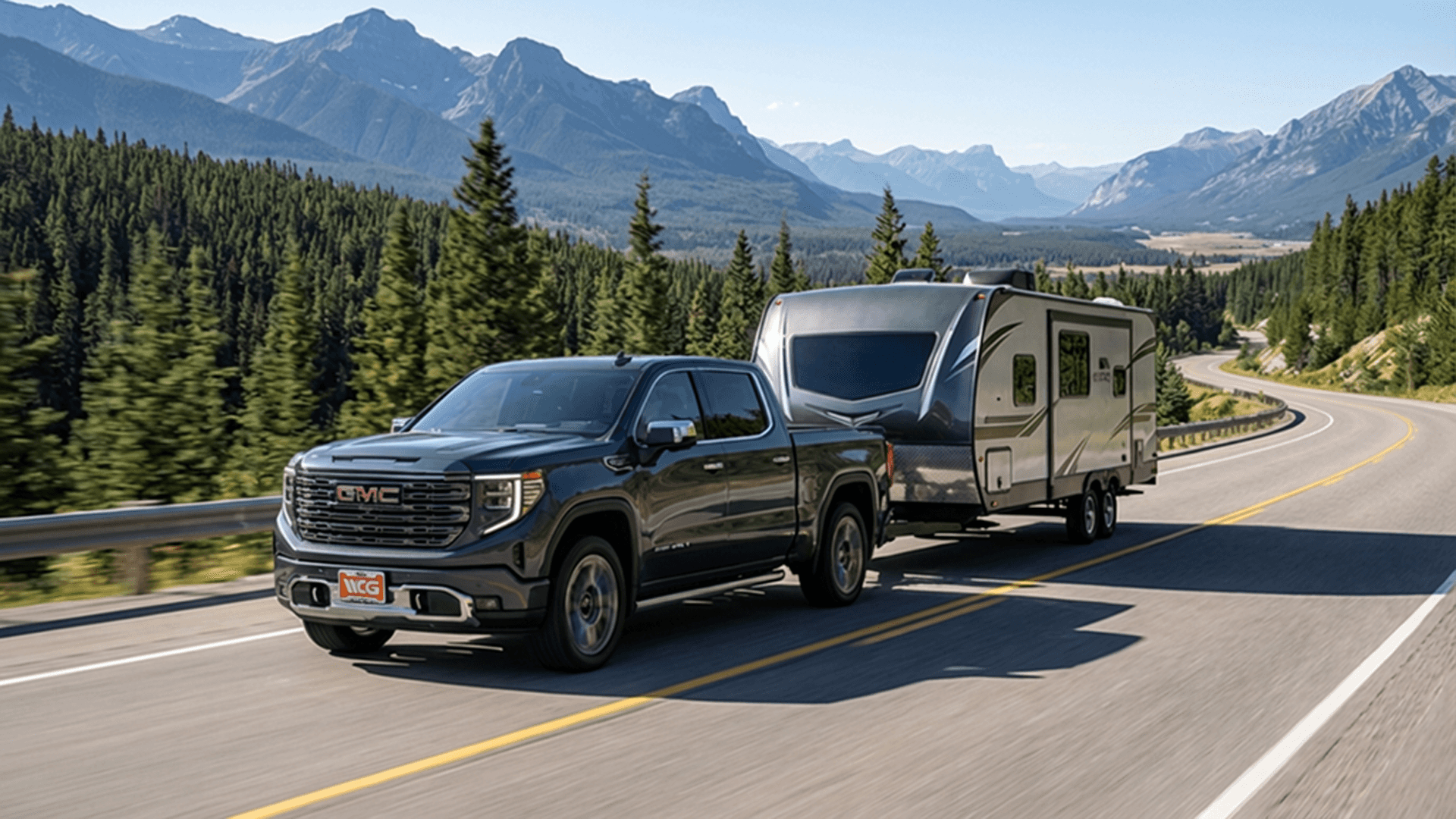
Light towing typically refers to hauling loads ranging from 1,000 to 5,000 pounds. This category covers most small trailers, pop-up campers, jet skis, motorcycles, and lightweight boats. For context, a typical small utility trailer loaded with household items weighs about 1,500 pounds, while a compact travel trailer can approach 4,000 pounds fully loaded.
Common Light Towing Scenarios
- Hauling a single-axle utility trailer for landscaping or home improvement projects.
- Towing a bass boat or small watercraft for weekend recreation.
- Transporting a teardrop camper for family camping trips.
- Moving motorcycles, ATVs, or snowmobiles.
Vehicle Classes For Light Towing
- Compact and midsize SUVs, Popular for family use and daily driving.
- Midsize pickup trucks, Offer truck utility without full-size bulk.
- Crossovers, Combine car-like driving with improved towing compared to sedans.
- Some minivans, Certain models are rated for moderate towing needs.
Why Towing Capacity Matters
Towing beyond your vehicle’s rated capacity can lead to mechanical stress, increased brake wear, and safety risks. Always consult your owner’s manual and ensure you understand both your gross vehicle weight rating (GVWR) and gross combined weight rating (GCWR).
Pro Tip: Always factor in the weight of passengers, cargo, and trailer tongue weight when calculating your total towing load.
Credit: www.weldcountygarage.com
Top Picks: Best Vehicles For Light Towing
To help you find the ideal match, we’ve selected eight standout vehicles, each offering unique strengths for light towing. Ratings consider towing capacity, driving comfort, safety, fuel economy, and real-world user feedback.
1. Ford Ranger
The Ford Ranger is a midsize pickup that blends powerful towing with manageable size. Rated to tow up to 7,500 pounds with the available towing package, it’s overqualified for most light towing tasks, providing a healthy margin for safety and performance.
- Engine: 2.3L EcoBoost I-4 (270 hp, 310 lb-ft torque)
- Towing Capacity: 7,500 lbs (with package)
- Fuel Economy: 21/26 mpg (city/highway)
Ford’s turbocharged engine delivers excellent torque at low RPMs, making it easier to tow up steep grades. The Ranger also features Trailer Sway Control and an integrated trailer brake controller, enhancing safety and stability.
2. Toyota Rav4
The Toyota RAV4 stands out among compact SUVs for its practicality and reliability. The Adventure and TRD Off-Road trims offer a 3,500-pound tow rating, enough for small campers and boats.
- Engine: 2.5L I-4 (203 hp, 184 lb-ft torque)
- Towing Capacity: 3,500 lbs (Adventure/TRD Off-Road)
- Fuel Economy: 25/33 mpg (city/highway)
Owners appreciate the RAV4’s fuel efficiency and smooth ride. Toyota’s Tow Prep Package adds upgraded cooling and suspension for safe, confident towing.
3. Honda Passport
Honda’s Passport is a midsize SUV with a strong V6 engine and a 5,000-pound tow rating when equipped with all-wheel drive.
- Engine: 3.5L V6 (280 hp, 262 lb-ft torque)
- Towing Capacity: 5,000 lbs (AWD models)
- Fuel Economy: 19/24 mpg (city/highway)
The Passport offers ample interior space, making it ideal for families who need to transport gear as well as tow. Standard safety features include Honda Sensing® and multi-angle rearview camera.
4. Jeep Grand Cherokee
The Jeep Grand Cherokee has long been a favorite for those who want both off-road prowess and solid towing. Its V6 and V8 engines offer a broad towing range, with the V6 rated at 6,200 pounds.
- Engine: 3.6L Pentastar V6 (293 hp, 260 lb-ft torque)
- Towing Capacity: 6,200 lbs (V6)
- Fuel Economy: 19/26 mpg (city/highway)
The Grand Cherokee’s Quadra-Trac 4WD system provides excellent traction when towing on variable terrain. Optional air suspension also helps level the load.
5. Chevrolet Colorado
The Chevy Colorado is a versatile midsize truck available with a robust turbo-diesel engine option. Its 7,700-pound maximum towing rating (diesel) is among the highest in the segment.
- Engine: 2.8L Duramax Turbo-Diesel (181 hp, 369 lb-ft torque)
- Towing Capacity: 7,700 lbs (diesel)
- Fuel Economy: 20/30 mpg (city/highway, diesel)
Colorado’s Integrated Trailer Brake Controller and available four-wheel drive make it a dependable choice for those who need extra power and control.
6. Subaru Outback
A favorite among outdoor enthusiasts, the Subaru Outback offers all-wheel drive standard and a 3,500-pound tow rating with the turbocharged XT models.
- Engine: 2.4L Turbo H-4 (260 hp, 277 lb-ft torque)
- Towing Capacity: 3,500 lbs (XT)
- Fuel Economy: 23/30 mpg (city/highway)
The Outback’s rugged chassis and wide stance provide stability when towing, and its roomy cargo area makes it a practical two-in-one adventure vehicle.
7. Kia Sorento
The Kia Sorento is a midsize SUV with impressive versatility, especially in AWD and turbocharged configurations. It can tow up to 3,500 pounds.
- Engine: 2.5L Turbo I-4 (281 hp, 311 lb-ft torque)
- Towing Capacity: 3,500 lbs (AWD)
- Fuel Economy: 22/29 mpg (city/highway)
Kia’s advanced driver assistance features, such as Blind Spot Collision Avoidance Assist, increase safety when towing on highways.
8. Hyundai Santa Cruz
The Hyundai Santa Cruz is a compact pickup with crossover-like comfort and a 5,000-pound towing capacity in its turbocharged AWD variant.
- Engine: 2.5L Turbo I-4 (281 hp, 311 lb-ft torque)
- Towing Capacity: 5,000 lbs (AWD)
- Fuel Economy: 19/27 mpg (city/highway)
Its open bed design makes it ideal for hauling bikes or small trailers, while the cabin includes modern infotainment and driver aids.
Comparison Table: Light Towing Vehicles
Below is a side-by-side comparison of the top vehicles for light towing.
| Vehicle | Max Towing Capacity (lbs) | Engine | Drivetrain | Fuel Economy (mpg, city/highway) |
|---|---|---|---|---|
| Ford Ranger | 7,500 | 2.3L Turbo I-4 | RWD/4WD | 21/26 |
| Toyota RAV4 | 3,500 | 2.5L I-4 | AWD | 25/33 |
| Honda Passport | 5,000 | 3.5L V6 | AWD | 19/24 |
| Jeep Grand Cherokee | 6,200 | 3.6L V6 | RWD/4WD | 19/26 |
| Chevrolet Colorado | 7,700 | 2.8L Diesel I-4 | RWD/4WD | 20/30 |
| Subaru Outback | 3,500 | 2.4L Turbo H-4 | AWD | 23/30 |
| Kia Sorento | 3,500 | 2.5L Turbo I-4 | AWD | 22/29 |
| Hyundai Santa Cruz | 5,000 | 2.5L Turbo I-4 | AWD | 19/27 |

Credit: blog.campingworld.com
Critical Features To Consider For Light Towing
Towing Equipment And Packages
Not all vehicles are ready for towing right off the lot. Look for factory or dealer-installed towing packages, which typically include:
- Heavy-duty radiator and engine oil cooler
- Upgraded suspension and brakes
- Trailer hitch receiver and wiring harness
- Integrated trailer brake controller
Equipping your vehicle with the right hardware is essential for safety and performance.
Torque Vs. Horsepower
While both are important, torque is the key metric for towing. High torque at low RPMs allows your vehicle to pull weight more efficiently, especially from a stop or up an incline. Diesel and turbocharged engines often excel in this area.
Transmission And Drivetrain
- Automatic transmissions with tow/haul modes can better manage gear shifts under load.
- All-wheel drive (AWD) or four-wheel drive (4WD) improves traction, especially on slippery or uneven surfaces.
Safety Technology
Modern vehicles offer advanced safety aids for towing, including:
- Trailer Sway Control
- Blind Spot Monitoring with trailer coverage
- Rearview and surround-view cameras
These features make towing less stressful and help avoid accidents.
Fuel Economy
Towing increases fuel consumption. Vehicles with smaller, turbocharged engines or diesel options often provide the best balance of power and efficiency.
Pro Tip: When comparing vehicles, look at real-world fuel economy while towing, not just EPA ratings.
Real-world Examples And Case Studies
Weekend Camping With A Subaru Outback
A family of four used their Subaru Outback XT to tow a 2,800-pound teardrop camper on a 500-mile round trip. With the turbo engine, the Outback maintained highway speeds with ease, and averaged 22 mpg, about 5 mpg less than non-towing trips. The standard AWD system provided confidence driving through rain and over gravel roads.
Small Business Delivery With A Ford Ranger
A landscaping business owner chose the Ford Ranger to tow a 1,500-pound utility trailer loaded with tools and mulch. The truck’s EcoBoost engine made city driving and highway merges effortless, while the backup camera simplified trailer hookups. Over a year of use, maintenance costs remained low, and the owner appreciated the vehicle’s maneuverability in urban settings.
Boat Hauling With A Jeep Grand Cherokee
An avid angler needed a vehicle to tow a 3,500-pound bass boat to lakes throughout the region. The Jeep Grand Cherokee’s V6 provided plenty of power for launching and retrieving at boat ramps. The Quadra-Trac 4WD system ensured traction on slippery surfaces, and the rear air suspension automatically leveled the load for safe highway travel.
How To Choose The Right Vehicle For Your Towing Needs
Assessing Your Typical Tow Load
Start by listing what you’ll tow most often, including:
- Estimated weight of the trailer and cargo
- Number of passengers and gear in the vehicle
- Frequency and distance of towing trips
Add a safety buffer of at least 10-15% above your heaviest expected load.
Matching Vehicle Class To Usage
- Compact SUV or crossover: Best for occasional towing of small trailers or watercraft.
- Midsize SUV or truck: Ideal for regular towing of campers, boats, or heavier loads.
- Diesel or turbocharged engines: Preferable for frequent or mountainous towing.
Evaluating Long-term Costs
Consider total cost of ownership:
- Purchase price and resale value
- Fuel economy (especially when towing)
- Insurance rates
- Maintenance and repair costs
Example: The Chevrolet Colorado Diesel offers excellent towing and fuel efficiency, but diesel engines may have higher upfront costs and periodic maintenance needs.
Safety And Comfort Considerations
Test drive candidates with a loaded trailer, if possible. Evaluate:
- Braking performance under load
- Stability at highway speeds
- Visibility with trailer attached
- Comfort for all passengers
Pro Tip: Some dealers offer “towing test drives”, ask before you buy.
Ratings And Reviews: What Owners And Experts Say
Consumer Reports And J.d. Power
According to Consumer Reports, the Toyota RAV4 and Subaru Outback consistently rank high for reliability and owner satisfaction. J.D. Power’s 2026 Vehicle Dependability Study places the Honda Passport and Kia Sorento among the top midsize SUVs for durability.
Automotive Press Ratings
- Car and Driver praises the Ford Ranger for its strong towing performance and nimble handling.
- Motor Trend highlights the Hyundai Santa Cruz for blending pickup utility with crossover comfort.
- Edmunds reviewers appreciate the Jeep Grand Cherokee’s towing capability and upscale interior.
Owner Feedback
Online forums and review sites reveal common themes:
- Ease of hitching and unhitching trailers is a frequent priority.
- Fuel economy often drops by 20-30% when towing, so plan accordingly.
- Features like rearview cameras, trailer brake controllers, and adaptive cruise control are highly valued.
Example: On the Subaru Outback owners’ forum, users share positive experiences towing small campers across mountainous terrain, with few complaints about handling or engine strain.
Cost Analysis: Purchase Price Vs. Towing Capability
To help you compare value, the table below summarizes base prices and towing capacities for the vehicles covered.
| Vehicle | Starting MSRP (USD) | Max Towing Capacity (lbs) | Key Standard Towing Features |
|---|---|---|---|
| Ford Ranger | $27,400 | 7,500 | Trailer Sway Control, Tow/Haul Mode |
| Toyota RAV4 | $29,575 | 3,500 | Tow Prep Package, Rearview Camera |
| Honda Passport | $41,100 | 5,000 | Honda Sensing®, AWD, Trailer Stability Assist |
| Jeep Grand Cherokee | $40,130 | 6,200 | Quadra-Trac 4WD, Rearview Camera |
| Chevrolet Colorado | $30,695 | 7,700 | Integrated Trailer Brake Controller |
| Subaru Outback | $28,895 | 3,500 | AWD, Trailer Stability Assist |
| Kia Sorento | $31,990 | 3,500 | Blind Spot Collision Avoidance Assist |
| Hyundai Santa Cruz | $26,900 | 5,000 | Trailer Sway Control, AWD |
Pro Tip: Review manufacturer incentives and certified pre-owned options for additional savings.
Environmental Considerations And Future Trends
Hybrid And Electrified Options
While traditional gas and diesel engines dominate light towing, the market is shifting towards hybrid and electric vehicles (EVs). For example, the Toyota RAV4 Hybrid can tow up to 1,750 pounds, suitable for very light trailers. The Ford Maverick Hybrid offers a 2,000-pound rating, making it an eco-friendly option for city dwellers.
Emissions And Fuel Economy
According to the EPA, choosing a vehicle with a higher fuel economy can result in significant annual savings and reduced emissions. Diesel engines generally emit less CO2 per mile than gas engines when towing, though NOx emissions are higher.
Battery Electric Vehicles (bevs)
Current electric SUVs and trucks are not yet mainstream for towing, but models like the Ford F-150 Lightning are pushing boundaries. For light towing, range anxiety is less of an issue, but it’s critical to check real-world range under load.
For more on hybrid and electric towing, see this Wikipedia article on electric vehicles.
Maintenance Tips For Towing Vehicles
Pre-tow Checklist
- Inspect tire pressure (including trailer tires)
- Confirm all lights and signals are functioning
- Check fluid levels: Engine oil, transmission, coolant, and brake fluid
- Verify hitch and safety chains are secure
Post-tow Inspection
- Examine brake wear and tire condition
- Look for fluid leaks or overheating signs
- Clean and lubricate the hitch receiver as needed
Scheduled Maintenance
Follow the manufacturer’s severe duty schedule if you tow frequently. This includes:
- More frequent oil and transmission fluid changes
- Inspection of suspension and braking components
- Cooling system checks
Pro Tip: Keep a towing log to track maintenance intervals and any towing-related issues.
For detailed towing safety guidelines, refer to the National Highway Traffic Safety Administration (NHTSA) at NHTSA Towing Safety.
Frequently Asked Questions
What Is The Difference Between Towing Capacity And Payload Capacity?
Towing capacity refers to the maximum weight a vehicle can safely pull behind it, such as a trailer or boat. Payload capacity is the total weight your vehicle can carry inside the cabin and bed, including passengers and cargo. Exceeding either rating can compromise safety and vehicle durability.
Is All-wheel Drive (awd) Necessary For Light Towing?
AWD is not strictly required for light towing, but it provides better traction in slippery or uneven conditions, such as wet boat ramps, snow, or gravel. It also enhances stability and control, especially for drivers new to towing.
Do I Need A Special License To Tow A Trailer?
In the United States, most states do not require a special license for light towing (under 10,000 pounds). However, trailer size and weight regulations vary by state, so always verify local laws and ensure your trailer is properly registered and equipped.
How Does Towing Affect Fuel Economy?
Towing increases aerodynamic drag and rolling resistance, causing fuel economy to drop, often by 20% to 30%, depending on the weight and type of trailer, speed, and terrain. Planning fuel stops and monitoring real-time consumption is important on longer trips.
Can I Tow With A Hybrid Or Electric Vehicle?
Yes, Some Hybrids
Products related to this article
Sponsored / affiliate links. As an Amazon Associate I earn from qualifying purchases. I may earn additional commission from eligible campaigns.