Why Is My Car Brake Light On? Common Causes & Quick Fixes
A glowing brake warning light on your car’s dashboard is never something to ignore. Whether it appears suddenly during your commute or lingers after startup, this small yet critical indicator can signal anything from a simple fix to a potentially dangerous problem with your braking system.
Understanding why your brake light is on, and how to address it, could mean the difference between a safe drive and a costly repair (or worse, an accident).
Drivers often underestimate the importance of this warning, yet the brake system is your vehicle’s most vital safety feature. According to the National Highway Traffic Safety Administration (NHTSA), brake-related issues contribute to approximately 22% of vehicle crashes involving mechanical failure.
This article breaks down the common causes behind a brake warning light, provides quick troubleshooting steps, and guides you through the best actions to keep your car safe and reliable.
Key Takeaways
- Brake warning lights indicate a problem with your vehicle’s braking system, ranging from low fluid to sensor faults.
- Immediate attention is required to ensure driver and passenger safety, never ignore a persistent brake light.
- Some causes, like low brake fluid or a loose parking brake, are simple to fix; others require professional diagnosis.
- Regular brake system checks can prevent costly repairs and reduce accident risk.
- Real-world examples show that quick action can avert breakdowns or dangerous situations.
- Always consult your vehicle’s manual and consider seeking certified mechanic support for complex issues.

Credit: brianstireandservice.com
Understanding The Brake Warning Light
The brake warning light is one of the most important dashboard indicators. Recognizing its various forms and meanings is essential for every driver.
What Does The Brake Light Mean?
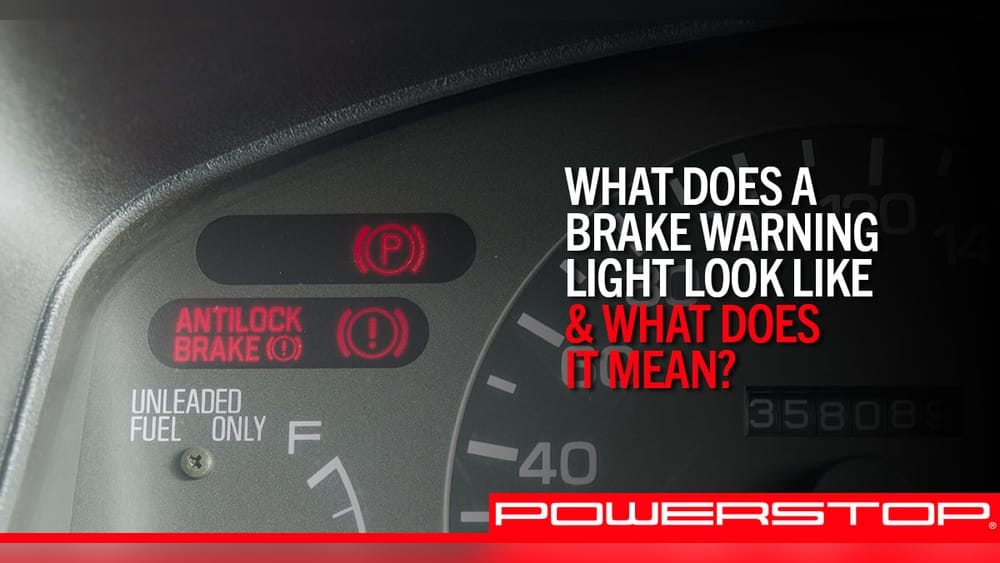
The brake warning light typically appears as a red or amber circle with an exclamation point or the word “BRAKE.” It can illuminate for various reasons, including:
- Low brake fluid level
- Engaged or faulty parking brake
- Worn brake pads (in some vehicles)
- Malfunctioning sensors or electrical issues
Depending on your car’s make and model, the light may be accompanied by a secondary warning, such as an ABS light (Anti-lock Braking System).
Types Of Brake Lights And Their Indicators
There are several different dashboard warnings related to the braking system. Understanding their differences helps pinpoint the issue quickly.
| Light Symbol | Color | Common Meaning | Immediate Action |
|---|---|---|---|
| Circle with “!” or “BRAKE” | Red | Main brake system alert | Stop safely, check brakes |
| “ABS” letters | Amber/Yellow | Anti-lock Brake System fault | Drive cautiously, service soon |
| P (Parking Brake) | Red | Parking brake engaged or fault | Release/check parking brake |
How The Brake Warning System Works
Modern vehicles use a network of sensors and switches to monitor the brake system. When a fault is detected, such as pressure drops, fluid loss, or sensor errors, the system triggers the brake warning light. Some advanced cars integrate the brake warning with traction control and stability systems for added safety.
When The Light Appears: Immediate Steps
If the brake warning light comes on while driving:
- Safely pull over as soon as possible.
- Check if the parking brake is engaged or stuck.
- Inspect for obvious fluid leaks under the vehicle.
- Consult your owner’s manual for light-specific guidance.
- If braking feels abnormal, call for roadside assistance.
Pro Tip: If the light flashes or is accompanied by an audible alarm, stop driving immediately and seek professional help.
Credit: us.gooloo.com
Common Causes Of The Brake Light Warning
Pinpointing the source of a brake warning light requires understanding the most frequent triggers. These range from minor oversights to serious mechanical faults.
Low Brake Fluid Level
The most common reason for a brake warning light is low brake fluid. The brake fluid reservoir, typically located near the rear of the engine bay, should be checked regularly.
- Causes: Leaks, worn brake pads, or evaporation.
- Signs: Spongy brake pedal, longer stopping distance.
- Fix: Top up with the recommended fluid type, and inspect for leaks.
Warning: Low fluid often means there’s a leak or excessive pad wear; simply refilling may not resolve the root cause.
Engaged Or Faulty Parking Brake
Driving with the parking brake engaged (even partially) will trigger the warning light. Mechanical or electronic parking brake faults can also cause persistent warnings.
- Causes: Forgetting to release, stuck mechanism, switch failure.
- Signs: Reduced acceleration, burning smell from rear wheels.
- Fix: Fully release parking brake; if stuck, seek mechanical help.
Worn Brake Pads Or Sensors
Some vehicles feature pad wear sensors that activate the brake warning light when pads are thin.
- Causes: Normal wear, sensor wire damage.
- Signs: Squealing or grinding noise, longer stopping distance.
- Fix: Inspect and replace brake pads; repair sensor wiring if necessary.
Example: A 2018 Honda Accord owner noticed the brake light and a metallic sound; a quick pad replacement resolved both issues.
Hydraulic System Issues
Problems within the hydraulic brake system, such as a failed master cylinder or line leaks, can cause the warning light to activate.
- Causes: Master cylinder failure, burst brake lines, air in the system.
- Signs: Sinking pedal, visible fluid under car.
- Fix: Immediate professional inspection and repair.
Abs System Faults
If your vehicle’s ABS system malfunctions, it often triggers both the ABS and brake warning lights.
- Causes: Faulty wheel speed sensors, damaged wiring, failed ABS module.
- Signs: Loss of anti-lock function, pulsating pedal.
- Fix: Diagnostic scan and targeted repair.
Faulty Brake Light Switch
A defective brake light switch (located near the pedal) can cause the warning light to illuminate and affect brake lamp operation.
- Causes: Wear, electrical failure, misalignment.
- Signs: Non-functional brake lights, cruise control issues.
- Fix: Replace or adjust the switch.
Electrical Or Sensor Issues
Modern cars rely on a web of electrical connections and sensors. Wiring faults, blown fuses, or software glitches may trigger the warning.
- Causes: Corroded connectors, broken wires, ECU errors.
- Signs: Intermittent warning, unrelated electrical issues.
- Fix: Electrical diagnosis and repair.
Incorrect Fluid Type Or Contamination
Mixing different brake fluid types or contamination with water or debris can trigger warnings and damage components.
- Causes: Wrong fluid during service, moisture ingress.
- Signs: Cloudy fluid, reduced braking efficiency.
- Fix: Flush and refill with correct fluid.
Quick Fixes For A Brake Warning Light
While some brake issues require a professional, several can be safely checked and resolved at home with basic tools and knowledge.
Checking And Topping Up Brake Fluid
- Park on level ground and turn off the engine.
- Open the hood and locate the brake fluid reservoir.
- Clean the cap to prevent contamination.
- Check the fluid level against “MIN” and “MAX” marks.
- Add the correct fluid (refer to your manual) if low.
Example: After topping up fluid, a 2017 Toyota Camry’s brake light went off, but the owner scheduled a mechanic visit to check for leaks.
Inspecting The Parking Brake
- Ensure the parking brake is fully released.
- For foot or hand-operated brakes, gently operate and release several times.
- For electric parking brakes, reset using the dashboard switch or consult your manual.
If the warning persists, the parking brake switch or mechanism may be faulty.
Replacing Worn Brake Pads
- Listen for squealing or grinding when braking.
- Inspect pad thickness through wheel spokes.
- If less than 1/4 inch remains, replace pads.
- Reset pad wear sensors if applicable.
Warning: DIY pad replacement should only be attempted if you have proper tools and experience.
Resetting The Warning Light
Some vehicles require a manual reset after addressing the issue. This may involve:
- Turning the ignition on and off
- Disconnecting the battery for several minutes
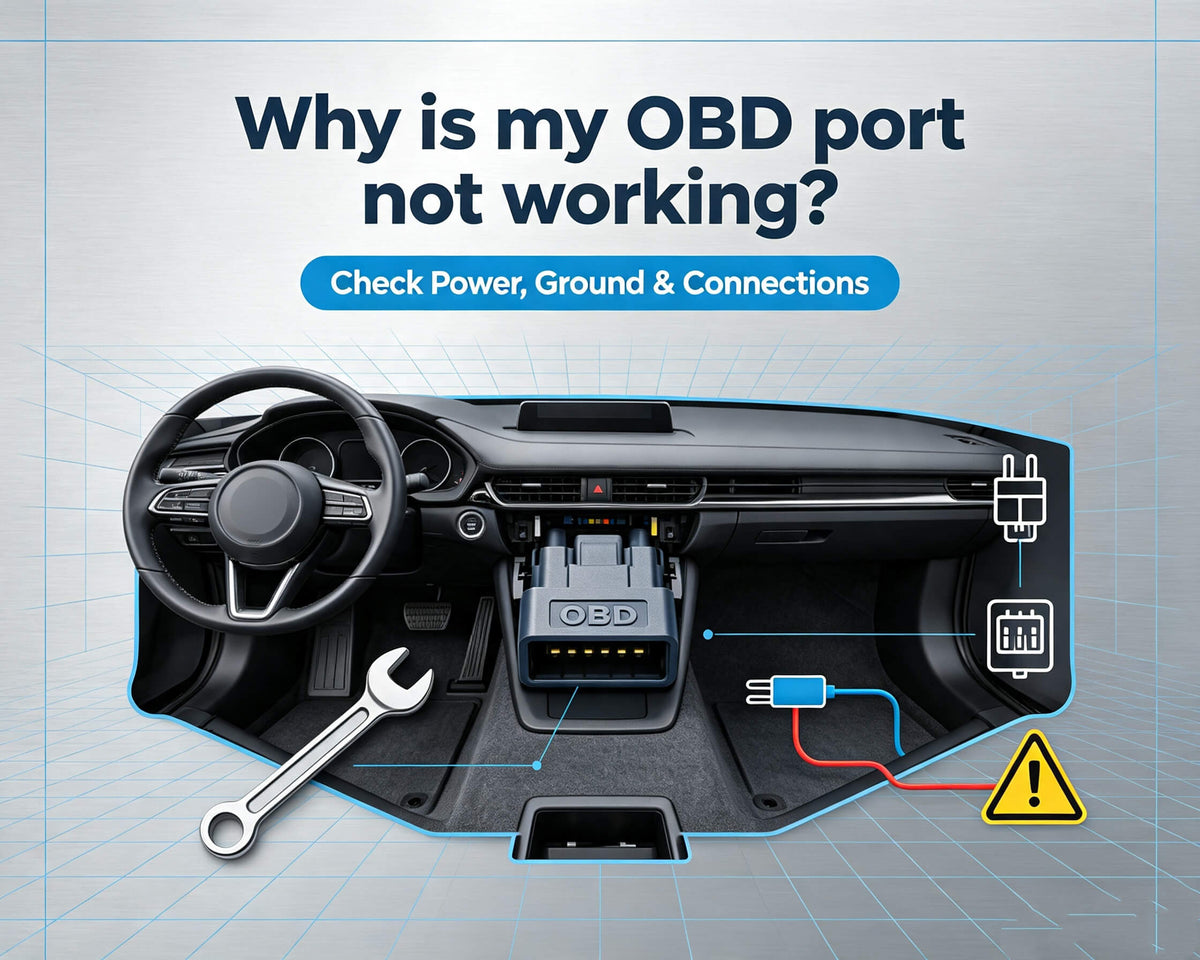
- Using an OBD-II scanner to clear codes
If the light returns, further diagnosis is needed.
When To Seek Professional Help
- Brake pedal feels soft or sinks to the floor
- Fluid continues to drop after topping up
- Light remains on after basic checks
- ABS or other warning lights are also lit
A certified mechanic has the diagnostic tools to pinpoint complex faults.

Credit: www.youtube.com
Case Studies: Real-world Brake Light Scenarios
Learning from actual events can help you respond effectively to your own brake warning light. Here are three illustrative examples based on real drivers’ experiences.
Case 1: The Mysterious Fluid Leak
A driver noticed the brake warning light illuminate after a sharp drop in pedal resistance. Inspection revealed a puddle under the front wheel, diagnosed as a ruptured brake line. Immediate towing and repair prevented brake failure on the highway.
Case 2: The Intermittent Abs Light
An SUV owner found both ABS and brake warning lights coming on during rainy weather. A mechanic traced the issue to a corroded wheel speed sensor connection. Cleaning and resealing the connector resolved the lights and restored full braking performance.
Case 3: The Stuck Parking Brake
After a winter storm, a sedan’s brake light remained on despite releasing the handbrake. The parking brake cable had frozen in place. Warming the area and lubricating the cable allowed it to release, switching off the warning light.
These cases highlight the importance of prompt action and the value of professional inspection when basic fixes do not resolve the warning.
Preventative Maintenance For Brake System Health
Regular maintenance is the key to preventing unexpected brake warning lights and ensuring safe driving.
Routine Brake Fluid Checks
- Check fluid level monthly.
- Replace brake fluid every 2 years or as recommended by your vehicle’s manufacturer.
- Use only the specified fluid type to avoid damage.
Brake Pad And Rotor Inspection
- Inspect brake pads and rotors every 10,000 miles.
- Replace pads before they wear below the minimum thickness.
- Check for uneven wear, which can indicate caliper or hardware issues.
Parking Brake System Maintenance
- Test the parking brake regularly for smooth operation.
- Lubricate cables and mechanisms annually.
- Address any sticking or resistance immediately.
Electrical And Sensor System Care
- Keep electrical connectors clean and free from corrosion.
- Schedule diagnostic scans as part of routine service.
- Address any dashboard warning lights promptly.
Professional Brake Inspections
Annual brake system inspections by a certified mechanic can catch hidden issues before they become dangerous. Ask for a full check of:
- Fluid condition and level
- Pads, rotors, and calipers
- Parking brake function
- Hydraulic lines and connections
Pro Tip: Many shops offer free or discounted brake checks, take advantage for peace of mind.
Comparing Brake Warning Light Causes And Fixes
Understanding the urgency and complexity of each issue can help you prioritize your response. The table below summarizes common causes and recommended actions.
| Cause | Urgency Level | Can I Fix It Myself? | Professional Service Needed? |
|---|---|---|---|
| Low Brake Fluid | High | Yes (check/top up only) | Yes (if leak suspected) |
| Parking Brake Engaged | Low | Yes | No (unless stuck/faulty) |
| Worn Brake Pads | Medium | Maybe (with experience) | Yes (recommended) |
| ABS Fault | Medium/High | No | Yes |
| Hydraulic Leak | Critical | No | Yes (immediate) |
| Electrical/Sensor Issue | Medium | No | Yes |
This comparison shows that while some fixes are simple, many brake light triggers require a mechanic’s expertise. When in doubt, err on the side of caution and consult a professional.
Advanced Diagnostics And Tools
With the increasing complexity of modern vehicles, advanced diagnostic tools are sometimes required to pinpoint brake system faults.
Obd-ii Scanners
On-Board Diagnostics (OBD-II) scanners can read trouble codes from your car’s computer. Many auto parts stores will scan your vehicle for free.
- Pros: Quick diagnosis, identifies specific sensor faults.
- Cons: May require specialized knowledge to interpret results.
Brake Pressure Testers
These tools check for proper hydraulic pressure in the system, revealing leaks or master cylinder issues.
- Pros: Confirms system integrity.
- Cons: Typically used by professionals.
Electronic Brake Testers
Dealerships and advanced shops use electronic testers to simulate various braking scenarios and monitor sensor responses in real time.
- Pros: Detects intermittent or complex faults.
- Cons: Expensive, not practical for home use.
When DIY diagnosis falls short, these tools help professionals resolve stubborn or recurring brake warning lights.
Cost Breakdown: Brake Warning Light Repairs
Understanding the potential costs can help you budget and prioritize repairs. Prices vary based on vehicle type, location, and the nature of the problem.
| Service | Estimated Cost (Parts & Labor) | DIY Possible? | Typical Repair Time |
|---|---|---|---|
| Brake Fluid Top-Up | $10 – $30 | Yes | 15 minutes |
| Brake Pad Replacement | $150 – $300 | Maybe | 1-2 hours |
| Hydraulic Leak Repair | $150 – $800 | No | 2-5 hours |
| ABS Sensor Replacement | $100 – $400 | Rarely | 1-2 hours |
| Brake Light Switch Replacement | $50 – $150 | Maybe | 30-60 minutes |
Prices are averages and may vary. Always request a written estimate before authorizing repairs.
When To Drive And When To Stop
Deciding whether it’s safe to drive with the brake warning light on depends on the underlying cause and the behavior of your brakes.
- Safe to drive home or to a shop: Light comes on after topping up fluid, no abnormal brake feel, parking brake was recently used.
- Unsafe to drive: Brake pedal feels soft, pedal sinks, fluid visible under car, multiple warning lights, or any loss of braking power.
If in doubt, have your vehicle towed to a repair facility rather than risk a breakdown or accident.
Frequently Asked Questions
What Should I Do If My Brake Warning Light Flashes And Beeps?
A flashing, beeping brake warning is a serious alert. This often means a critical failure, such as a severe fluid leak or loss of brake pressure. Immediately pull over in a safe location, avoid driving further, and contact roadside assistance.
Continuing to drive could result in brake failure.
Can Extreme Cold Weather Cause My Brake Warning Light To Turn On?
Yes, cold weather can sometimes trigger the brake warning light. This is usually due to thickened brake fluid, frozen parking brake cables, or condensation in the system. Allow the car to warm up, and gently test the brakes. If the light remains on or braking is affected, have your vehicle inspected by a professional.
Is It Safe To Reset The Brake Warning Light Myself?
It’s generally not recommended to simply reset the brake warning light without confirming and correcting the underlying issue. Resetting may hide a dangerous problem. Always address the root cause, such as low fluid or worn pads, before clearing any codes.
How Often Should I Check My Brake Fluid And Brake Pads?
Check your brake fluid at least once a month and before any long road trips. Inspect brake pads every 10,000 miles or as part of regular tire rotations. Your vehicle’s manual provides specific intervals. Regular checks help catch issues early and ensure your safety.
Where Can I Find Official Information About My Car’s Brake System?
Your vehicle’s owner’s manual is the best source for brake system information, including fluid type, warning light meanings, and service intervals. For further technical details, consult your manufacturer’s website or resources like the NHTSA and trusted automotive repair sites such as AAA.
A brake warning light should never be ignored. Timely diagnosis and repair not only ensure your vehicle’s reliability but can save lives. In my experience, prompt attention to brake system warnings has prevented both major repairs and dangerous situations for many drivers.
Whether the fix is as simple as topping up fluid or as complex as repairing the hydraulic system, taking the light seriously is always the smartest move. Stay vigilant, maintain your brakes regularly, and consult professionals when needed to keep every drive safe.
Products related to this article
Sponsored / affiliate links. As an Amazon Associate I earn from qualifying purchases. I may earn additional commission from eligible campaigns.