How Tubeless Car Tires Work: A Clear And Simple Guide
For decades, car owners have accepted the humble tire as an everyday necessity, rarely considering the technology beneath their vehicles. Yet, the world of tires has undergone a quiet revolution. Tubeless car tires—once exclusive to high-performance or luxury models—are now standard on most passenger vehicles worldwide. If you’ve ever changed a flat, wondered about the “no inner tube” design, or considered switching from traditional tube-type tires, understanding how tubeless tires work is crucial.
This article is your comprehensive, plain-language guide to tubeless car tires. We’ll strip away the jargon, examine the science, and use real-world examples to show exactly how these tires work, why they’re safer, and what their limitations are. Whether you’re a car enthusiast, a daily commuter, or simply tire-curious, this deep dive will empower you to make informed choices about your vehicle’s most critical point of contact with the road.
Key Takeaways
- Tubeless tires eliminate the inner tube, sealing air directly between the tire and rim for improved safety and performance.
- They offer advantages such as better puncture resistance, improved fuel efficiency, and easier repairs compared to tube-type tires.
- Understanding how tubeless systems work can help drivers maximize tire lifespan and choose the best options for their driving needs.
- Not all wheels are compatible with tubeless tires, and proper installation is essential for safety.
- Regular maintenance and awareness of common issues, like slow leaks or improper sealing, are key to getting the most from tubeless technology.
The Basics Of Tubeless Car Tires
What Are Tubeless Tires?
Tubeless tires are pneumatic tires designed to hold air within the tire and rim assembly, without the use of a separate inner tube. Instead of relying on an inner tube to contain air pressure, the tire’s bead forms an airtight seal against the rim, keeping the compressed air inside.
The difference may seem subtle, but the absence of a tube fundamentally changes how the tire interacts with the wheel and road. By eliminating the inner tube, tubeless designs reduce the number of components that can fail, translating into fewer potential points of failure and enhanced reliability.
This innovation also enables unique design possibilities, such as run-flat technology and self-sealing capabilities, that were not feasible with traditional tube-type tires.
Key Components
- Tire Bead: The reinforced edge of the tire that locks into the rim, forming the airtight seal. This bead is made from bundles of high-tensile steel wires encased in rubber, giving it both strength and flexibility.
- Rim: The metal wheel onto which the tire is mounted, specifically designed with a smooth, uniform surface for optimal sealing. Modern rims are manufactured to exacting tolerances to ensure a consistent bead fit, and may include features such as bead humps to prevent the bead from slipping during extreme cornering or low-pressure situations.
- Valve Stem: The air entry point, usually fitted directly to the rim in tubeless designs, featuring a rubber or metal seal. Unlike tube-type tires, where the valve is part of the inner tube, a tubeless valve stem is designed to fit snugly and securely in the rim’s valve hole, providing a leak-proof passage for air.
How Do Tubeless Tires Hold Air?
Unlike traditional tires with a separate inflatable tube, tubeless tires use a combination of:
- A precisely engineered bead/rim interface, which is crucial for maintaining an airtight environment even under varying loads and temperatures.
- A butyl rubber inner lining that’s impermeable to air. Butyl rubber is chosen for its low air permeability, helping the tire retain pressure over long periods.
- A secure, snap-fit valve stem that prevents leaks at the air entry point.
When properly mounted, the tire bead presses firmly against the rim, creating a continuous, airtight seal. This keeps the pressurized air inside, even if the tire is punctured by a nail or sharp object. The integrity of this seal is so robust that, in the event of a puncture, air loss is often gradual rather than catastrophic.
Historical Context And Market Adoption
Tubeless tire technology dates back to the late 1940s, but widespread adoption accelerated in the 1980s as manufacturing and materials improved. Early versions were primarily marketed for premium and performance vehicles, but as the advantages became clear—especially in safety and efficiency—mainstream automakers quickly shifted to tubeless as the default. Today, according to the U.S. Tire Manufacturers Association, over 90% of new passenger vehicles use tubeless designs, reflecting their proven safety and efficiency benefits (U.S. Tire Manufacturers Association). In some regions, regulations now require tubeless tires for new vehicles, further cementing their dominance in the global market.
Credit: cometkartsales.com
How Tubeless Tires Work: The Science Explained
The Air-tight Seal Mechanism
The most critical element of a tubeless tire is its ability to maintain a perfect seal between the tire bead and the rim. Here’s how:
- Precision Engineering: The rim’s edge (the “bead seat”) is machined to match the contour of the tire bead. This tight fit is essential for creating a reliable seal that can withstand the forces experienced during driving, such as cornering, braking, and acceleration.
- Pressure Lock: As the tire is inflated, air pressure pushes the bead firmly into the rim seat, enhancing the seal. The greater the internal pressure, the tighter the bead is held against the rim, reducing the likelihood of leaks.
- Butyl Liner: The interior of the tire is lined with a layer of butyl rubber, which is highly resistant to air permeation. This liner is much more effective at holding air than natural rubber, and it helps the tire maintain pressure over time—often only requiring minor top-ups during routine maintenance.
These elements work together to ensure that, even under demanding driving conditions or minor impacts, the tire maintains its integrity and continues to hold air.
Self-sealing Properties
One of the most significant innovations of tubeless tires is their ability to self-seal minor punctures. When a sharp object (like a nail) penetrates the tread:
- The air pressure inside the tire pushes the rubber against the object, slowing the leak. This means that, in many cases, the object acts as a temporary plug until it can be properly repaired.
- In many cases, a liquid sealant can be added to the tire, which instantly fills and seals small holes. These sealants are especially popular in off-road and commercial applications, where punctures are more frequent. Some manufacturers offer tires pre-filled with sealant for added peace of mind.
This self-sealing feature means drivers are less likely to be stranded by a flat, and many small punctures go unnoticed until the next routine inspection.
Heat Dissipation
Tubeless tires dissipate heat more efficiently than tube-type designs. Because there’s no friction between a tube and the tire casing, less heat is generated during high-speed driving, reducing the risk of blowouts. Heat is a tire’s enemy—excessive temperatures can lead to degradation of rubber compounds, loss of strength, and, in extreme cases, catastrophic failure.
Tubeless tires’ ability to shed heat more effectively allows for safer, more stable driving, particularly on long highway journeys or in hot climates.
Comparison With Tube-type Tires
To illustrate the differences, see this simple comparison table:
| Feature | Tubeless Tire | Tube-Type Tire |
|---|---|---|
| Air Retention | Bead & Rim Seal | Inner Tube |
| Puncture Response | Slow Leak, Self-Sealing | Rapid Air Loss |
| Heat Generation | Lower | Higher |
| Repair Process | Simple Plug/Patch | Tube Replacement |
| Weight | Lighter | Heavier |
Real-world Example: Commuter Car Safety
Consider a typical city commuter car. On a hot summer day, the vehicle travels at 65 mph. With tube-type tires, a nail puncture can cause a sudden blowout as the tube rapidly loses air. In contrast, a tubeless tire will typically lose air slowly, giving the driver time to pull over safely. This difference is one reason why tubeless tires are now the global standard for passenger vehicles.
In another scenario, a delivery driver notices a slight decrease in tire pressure after picking up a staple on the road. Thanks to the slow air loss and the ability to use an emergency plug kit, the driver completes their route and schedules a repair at their convenience, avoiding lost time and costly roadside assistance.

Credit: www.amazon.com
Advantages Of Tubeless Tires
Enhanced Safety
- Gradual Deflation: Punctures usually cause slow leaks, minimizing the risk of sudden loss of control. This is especially important on highways, where sudden blowouts can be extremely dangerous.
- No Tube Pinch Flats: Without an inner tube, “pinch flats” (where the tube is pinched against the rim) are eliminated. This type of failure is common when hitting potholes or sharp edges, and its elimination contributes greatly to overall vehicle safety.
- Better Stability After Puncture: Because the air escapes slowly, the driver maintains steering control for much longer, reducing panic reactions and improving outcomes in emergency situations.
Improved Performance
- Lower Rolling Resistance: Tubeless tires are lighter, which reduces rolling resistance and improves fuel economy. Lower rolling resistance also means less wear on tire tread and improved engine efficiency.
- Better Handling: The absence of a tube allows the tire to flex more naturally, offering a smoother ride and better grip. The result is enhanced cornering performance and improved driver feedback.
- Greater Ride Comfort: With fewer internal components, tubeless tires generally provide a quieter and more comfortable ride, absorbing road imperfections more effectively.
Ease Of Repair
- Simple Plug Repairs: Many punctures can be repaired on the spot with a plug kit, avoiding the need to remove the tire from the rim. This is a significant time-saver, especially for drivers in remote locations or during inclement weather.
- Use of Sealants: For added security, drivers can add a liquid sealant to the tire, which automatically seals small punctures. Modern sealants are compatible with most tire pressure monitoring systems (TPMS) and do not interfere with regular tire maintenance.
Fuel Efficiency And Environmental Impact
According to a study by the European Tyre and Rim Technical Organisation (ETRTO), tubeless tires can improve vehicle fuel efficiency by up to 3% compared to tube-type tires (ETRTO). Over a typical year, this can save hundreds of dollars in fuel costs and reduce CO₂ emissions. For fleet operators and environmentally conscious drivers, this represents a measurable step toward sustainability.
Additionally, because tubeless tires are less prone to catastrophic failure, fewer tires end up discarded prematurely, leading to less environmental waste and a reduced ecological footprint.
Cost-effectiveness
While tubeless tires may have a slightly higher upfront cost, their longer lifespan, reduced maintenance, and improved fuel economy often make them more cost-effective over time. Fewer repairs, fewer replacements, and lower fuel consumption all contribute to a lower total cost of ownership.
Real-world Example: Taxi Fleet Savings
A taxi company in Chicago switched its entire fleet to tubeless tires. Within a year, they reported:
- A 20% reduction in downtime due to flats.
- A $12,000 annual savings in fuel and tire repair costs.
- Fewer road incidents related to blowouts.
The company also noted improved driver morale and customer satisfaction, as vehicles spent more time in service and less time sidelined by tire issues.

Credit: multiseal.us
Limitations And Challenges Of Tubeless Tires
Compatibility Issues
- Rim Design: Not all rims are suitable for tubeless tires. Older or damaged rims may not provide a reliable seal. Rims with corrosion, dents, or rough edges can compromise the bead-to-rim interface, leading to persistent air leaks.
- Valve Stems: Tubeless systems require airtight valve stems. Worn or incompatible stems can cause leaks. Valve stems must be replaced whenever a new tire is mounted to ensure long-term reliability.
Installation Challenges
- Bead Seating: Proper installation is essential. If the bead doesn’t seat perfectly, the tire can leak air. This seating process can be particularly tricky in cold weather, when rubber is less pliable.
- Specialized Equipment: Mounting and inflating tubeless tires often require high-pressure air or a “bead blaster.” While most professional tire shops have the necessary equipment, DIY installers may struggle without the right tools.
Puncture Size Limits
- Large Punctures: While tubeless tires self-seal minor punctures, they can’t handle large cuts or sidewall damage. Sidewall damage, in particular, is almost always irreparable, as it compromises the tire’s structural integrity.
- Irreparable Damage: Tires with significant structural damage must be replaced, just like tube-type tires. Attempting to patch or repair such damage can be unsafe and is not recommended by tire manufacturers.
Cost Considerations
- Upfront Price: Tubeless tires typically cost 5-15% more than comparable tube-type tires, due to more advanced materials and manufacturing processes.
- Specialized Repairs: Some repairs (like bead leaks) may require professional service and equipment. This can add to the cost, particularly for drivers in rural areas without easy access to a tire shop.
Real-world Example: Rural Road Risks
A farmer driving on unpaved, debris-strewn roads found that while small punctures sealed easily, larger sidewall cuts required full tire replacement. This scenario highlights that tubeless tires are not immune to all types of damage.
Additionally, in extremely muddy or rocky environments, debris can sometimes become lodged between the bead and rim, causing slow leaks that are difficult to diagnose and repair without demounting the tire.
Tubeless Tire Installation And Maintenance
Proper Installation Process
- Rim Inspection: Ensure the rim is clean, smooth, and compatible with tubeless tires. Remove any dirt, rust, or old sealant that could prevent a good seal.
- Valve Stem Fitment: Install a new, airtight valve stem. It’s essential to use the right type and size for your rim, and to replace old stems during each tire change.
- Tire Mounting: Carefully fit the tire onto the rim, ensuring the bead is evenly seated. Lubricants are often used to help the bead slide into place without damage.
- Inflation: Use a high-pressure air source to “pop” the bead into place, creating the airtight seal. Some installers use a rapid air burst to ensure both beads seat simultaneously.
- Leak Test: Spray soapy water around the bead and valve; look for bubbles indicating leaks. This quick check can prevent frustrating slow leaks after installation.
Routine Maintenance Tips
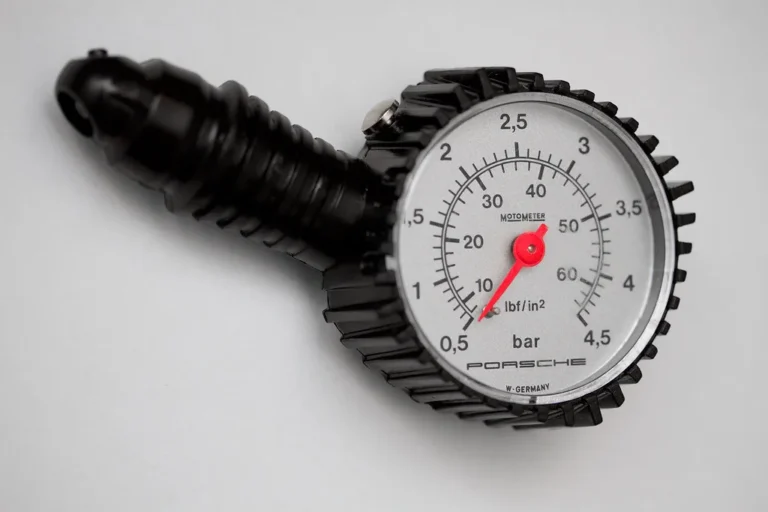
- Check Pressure Regularly: Tubeless tires can lose small amounts of air over time. Use a quality gauge and check at least once a month.
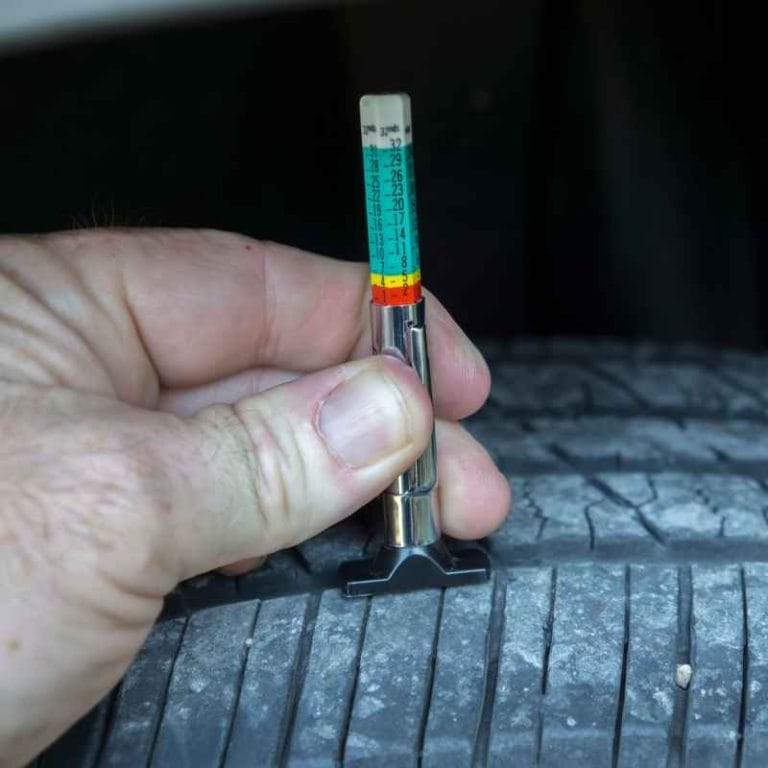
- Inspect for Damage: Look for embedded objects, cuts, or signs of bead/rim separation. Early detection of issues can prevent breakdowns and extend tire life.
- Rotate Tires: Follow your vehicle’s recommended rotation schedule to ensure even wear. Regular rotation helps maximize tread life and maintain balanced handling.
- Clean Rims and Valve Stems: Periodically remove wheels for a thorough cleaning, especially after winter driving or off-road use, to prevent corrosion and maintain an effective seal.
Dealing With Punctures
- Minor Tread Puncture: Use a tubeless plug kit to seal the hole. These kits are inexpensive and simple to use, making them a smart addition to any car emergency kit.
- Sidewall or Large Damage: Consult a tire professional for assessment and possible replacement. Never attempt to plug or patch a sidewall puncture—this compromises safety and is not considered a permanent fix.
Seasonal Considerations
In areas with extreme temperature swings, tubeless tires may require more frequent pressure checks, as cold weather can cause the rubber to contract and minor leaks to become more pronounced. In addition, road salt and winter chemicals can accelerate rim corrosion, so extra attention to rim cleaning and inspection is warranted.
Real-world Example: Diy Repair Success
A road tripper in Colorado encountered a nail puncture. Using a $10 plug kit, they repaired the tubeless tire in under 15 minutes—without removing the wheel—demonstrating the convenience of on-the-spot fixes.
In a similar case, a commuter in a suburban neighborhood relied on a can of aerosol sealant to get home after a puncture, then scheduled a professional repair the next day, highlighting the flexibility and user-friendliness of tubeless systems.
Tubeless Tire Technology: Materials And Engineering
Advanced Materials
- Butyl Rubber Liners: Used for their superior air retention properties compared to natural rubber. Butyl rubber’s unique molecular structure allows for minimal air permeability, significantly reducing the frequency of pressure loss.
- Reinforced Beads: High-tensile steel or synthetic fibers provide extra strength at the bead, ensuring a reliable seal. These reinforcements prevent deformation under high loads and help maintain integrity even after multiple installations.
- Multi-Layer Tread Compounds: Modern tubeless tires often use layered tread designs, combining wear-resistant outer compounds with softer layers underneath for enhanced grip and longevity.
Innovative Designs
- Run-Flat Tubeless Tires: Some modern tubeless tires feature reinforced sidewalls, allowing the car to be driven for limited distances even with no air pressure. This feature is invaluable in situations where immediate tire replacement is not possible, offering peace of mind for long-distance travelers.
- Low Rolling Resistance Compounds: Special tread formulations further reduce energy loss, boosting fuel economy. These compounds are engineered to remain flexible at a wide range of temperatures, ensuring consistent performance in diverse climates.
- Noise Reduction Technologies: Some tubeless tires incorporate foam inserts or tread patterns designed to minimize road noise, enhancing cabin comfort.
Manufacturing Process
- Precision Molding: Modern tubeless tires are built using computer-controlled molds for consistent quality. This process ensures uniformity in bead shape and tread design, leading to more predictable performance and safer operation.
- Quality Assurance: Each tire undergoes rigorous leak and durability testing before shipment. Manufacturers simulate road conditions, high-speed operation, and impact events to certify that every tire meets stringent safety standards.
Data Table: Tubeless Tire Material Comparison
| Material | Purpose | Benefit |
|---|---|---|
| Butyl Rubber | Inner Liner | Excellent air retention |
| Steel Belts | Tread Reinforcement | Improved puncture resistance |
| Polyester/Aramid Fiber | Sidewall Strength | Enhanced durability |
| Silica Compounds | Tread Surface | Lower rolling resistance |
Environmental Considerations
According to a Michelin research paper, tubeless tires manufactured with advanced materials can last up to 20% longer and are more easily recyclable than traditional designs (Michelin). Manufacturers are also developing bio-based and recycled rubber compounds to further reduce their environmental impact.
Moreover, the reduced likelihood of premature tire disposal, combined with lower fuel consumption, makes tubeless tires a more sustainable choice for eco-conscious drivers.
Comparing Tubeless Tires With Other Tire Technologies
Tube-type Tires
Still found on older vehicles and in developing markets, tube-type tires are more prone to sudden deflation and are heavier due to the inner tube. Their construction limits their compatibility with high-speed or high-performance applications and increases the likelihood of pinch flats and heat-induced failures.
Run-flat Tires
- Run-flat tubeless tires allow limited driving after a puncture but may have a stiffer ride and higher cost. Their sidewalls are specially reinforced to support vehicle weight even in the absence of air pressure.
- They are ideal for drivers seeking maximum convenience and safety, such as those who frequently travel long distances or in areas with limited roadside assistance.
Airless Tires (non-pneumatic)
- Airless tires are experimental or used in specialty vehicles (e.g., lawn mowers, military).
- They eliminate punctures but are not yet common in passenger cars due to ride comfort and cost issues (Wikipedia: Airless Tire).
- Ongoing research focuses on improving their shock absorption and cost-effectiveness for wider adoption.
Data Table: Tire Technology Comparison
| Tire Type | Pros | Cons |
|---|---|---|
| Tubeless | Safe, efficient, easy repair | Requires compatible rim |
| Tube-Type | Simple, widely available | Sudden flats, heavier |
| Run-Flat Tubeless | Drive after flat, high safety | Stiffer ride, costly |
| Airless | No flats, maintenance-free | Uncommon, expensive |
Case Study: Performance Vehicles
A major motorsport team switched from tube-type to high-performance tubeless tires, reporting:
- More consistent lap times due to lower heat build-up.
- Fewer pit stops for flat repairs.
- Enhanced safety for drivers at high speeds.
This switch also allowed engineers to experiment with lower tire pressures for increased grip, something not possible with tube-type tires due to their susceptibility to pinch flats.
Choosing The Right Tubeless Tire For Your Car
Key Selection Criteria
- Size and Fit: Always match the tire size to your vehicle’s specifications (see owner’s manual or door placard). Using the wrong size can affect handling, braking, and even void your warranty.
- Tread Pattern: Consider all-season, summer, or winter patterns based on your climate and driving conditions. For instance, all-season tires are designed for versatility, while winter tires feature special compounds for cold weather traction.
- Speed Rating: Choose a tire with a speed rating equal to or higher than your car’s requirements. The speed rating indicates the maximum speed at which the tire can carry a load safely.
- Load Index: Ensure the tire can support your vehicle’s weight, including passengers and cargo. Overloading tires can lead to excessive heat build-up and premature failure.
- Intended Use: If you regularly drive off-road, tow heavy loads, or engage in spirited driving, look for tires designed specifically for those purposes.
Popular Tubeless Tire Brands
Some leading manufacturers of tubeless car tires include:
- Michelin
- Bridgestone
- Goodyear
- Continental
- Pirelli
Each brand offers a range of options for different vehicle types and budgets. For example, Michelin is known for longevity and ride comfort, while Pirelli is favored for high-performance models.
Reading The Sidewall
The tire sidewall provides important information, including:
- Tire size (e.g., 205/55R16): Indicates the width, aspect ratio, and rim diameter.
- Load index and speed rating (e.g., 91V): Specifies maximum load capacity and speed capability.
- Manufacture date (e.g., 2622 = 26th week of 2026): Helps determine tire age, as rubber compounds degrade over time.
- UTQG Ratings: The Uniform Tire Quality Grading system rates treadwear, traction, and temperature resistance, offering a quick reference for tire performance.
Warranty And Service
Many tubeless tires come with warranties covering defects, treadwear, and road hazard protection. Check manufacturer terms for details (Goodyear Warranty Information). Some brands also offer complimentary roadside assistance or free flat repairs as part of their service package.
Buying Tips
- Buy from reputable dealers to avoid counterfeits. Counterfeit tires may lack essential safety features and are often made from inferior materials.
- Consider the total cost, including installation and balancing. Proper balancing ensures smooth operation and reduces uneven wear.
- Don’t mix different brands or types of tires on the same axle. Consistency in tire design and performance is crucial for predictable handling and safety.
- Check for rebates or promotions, as leading manufacturers frequently offer incentives on new tire purchases.
Real-world Example: Suv Upgrade
A family upgrading from a compact sedan to an SUV selected all-terrain tubeless tires for improved off-road capability. The result: better traction on gravel and fewer flats during camping trips.
The family also enjoyed a quieter highway ride and improved fuel economy compared to their previous tube-type tires, illustrating the versatility of modern tubeless technology.
Tubeless Tire Innovations And The Future
Smart Tire Technology
- Pressure Monitoring: Many new vehicles feature Tire Pressure Monitoring Systems (TPMS) that work seamlessly with tubeless tires. TPMS alerts drivers to under-inflation, helping prevent premature tire wear and blowouts.
- Embedded Sensors: Advanced tires now include sensors that monitor tread wear, temperature, and pressure in real time (NHTSA: TPMS Overview). Some models even communicate with vehicle computers or smartphone apps, enabling predictive maintenance and enhanced safety.
Sustainability Initiatives
- Eco-Friendly Materials: Manufacturers are investing in renewable rubber sources and recyclable compounds. For example, some brands are experimenting with dandelion rubber or recycled plastics to reduce reliance on petroleum-based materials.
- Retreading: Some commercial tubeless tires can be retreaded, reducing environmental impact. Retreading extends the life of the tire carcass, saving resources and lowering disposal rates.
- Circular Economy: Tire recycling programs are becoming more common, turning old tires into road surfaces, playground materials, or fuel.
The Move Toward Airless
While airless tires are still in development for mainstream vehicles, the success of tubeless technology has paved the way for future innovations in tire safety and sustainability. Airless tires promise puncture-proof performance and reduced maintenance, but challenges remain in perfecting ride quality and cost for mass-market cars.
Autonomous And Electric Vehicles
The growth of electric and autonomous vehicles is driving demand for low-rolling-resistance, high-durability tubeless tires, as these vehicles require maximum efficiency and minimal downtime. Tires for electric vehicles are also designed to handle higher torque and heavier battery weights, using advanced compounds and reinforced structures.
Case Study: Electric Taxi Fleet
A European city trialed low-rolling-resistance tubeless tires on its electric taxi fleet. The result: a 7% increase in driving range and lower total cost of ownership compared to standard tires.
Additionally, drivers reported fewer flats, less downtime, and improved ride comfort—further demonstrating the real-world benefits of tubeless technology in emerging transportation sectors.
Frequently Asked Questions
What Makes Tubeless Tires Safer Than Tube-type Tires?
Tubeless tires are generally safer because they lose air gradually in the event of a puncture, reducing the risk of sudden blowouts and allowing drivers time to stop safely. The absence of an inner tube also eliminates the possibility of “tube pinch” flats, which can cause rapid air loss.
The tire’s robust bead-to-rim seal remains intact even when punctured, providing more time for corrective action.
Can I Fit Tubeless Tires On Any Car Rim?
Not all rims are compatible with tubeless tires. Modern alloy and steel wheels are typically designed for tubeless use, but older or damaged rims may not provide an airtight seal. Always consult your tire professional before switching to tubeless tires.
Proper rim preparation and, if necessary, upgrading to tubeless-compatible wheels are essential for safety.
How Do I Repair A Puncture In A Tubeless Tire?
Most minor punctures in the tread area can be repaired with a tubeless plug kit or a patch from the inside. For larger holes or sidewall damage, the tire may need to be replaced. It’s important to inspect the tire carefully and consult a professional for major repairs.
Plug kits are a convenient short-term fix, but a professional repair or replacement ensures long-term safety.
Do Tubeless Tires Require Special Maintenance?
Tubeless tires require similar maintenance to tube-type tires—regular pressure checks, visual inspections for damage, and periodic rotation. However, pay special attention to the bead area and valve stem, as leaks can occur if these are damaged or not properly installed.
It’s also wise to clean rims periodically and replace valve stems during each tire change.
Are Tubeless Tires More Expensive?
Tubeless tires often cost 5-15% more upfront than tube-type tires, but their longer lifespan, better fuel efficiency, and easier repairs can make them more economical over time. The total cost of ownership is usually lower, especially for drivers covering high annual mileage.
Consider both the upfront price and the potential savings from fewer repairs, less downtime, and improved fuel economy.
References
- Wikipedia: Tubeless Tire
- U.S. Tire Manufacturers Association
- ETRTO
- Michelin
- Goodyear Warranty Information
- NHTSA: TPMS Overview
Whether you’re a seasoned driver or new to vehicle maintenance, understanding how tubeless car tires work empowers you to make safer, more cost-effective decisions for your car. With their blend of safety, efficiency, and evolving technology, tubeless tires are set to remain the standard for years to come. Stay informed, check your tires regularly, and enjoy the road ahead with confidence.
Products related to this article
Sponsored / affiliate links. As an Amazon Associate I earn from qualifying purchases. I may earn additional commission from eligible campaigns.