When to Use Auto Lights: Day
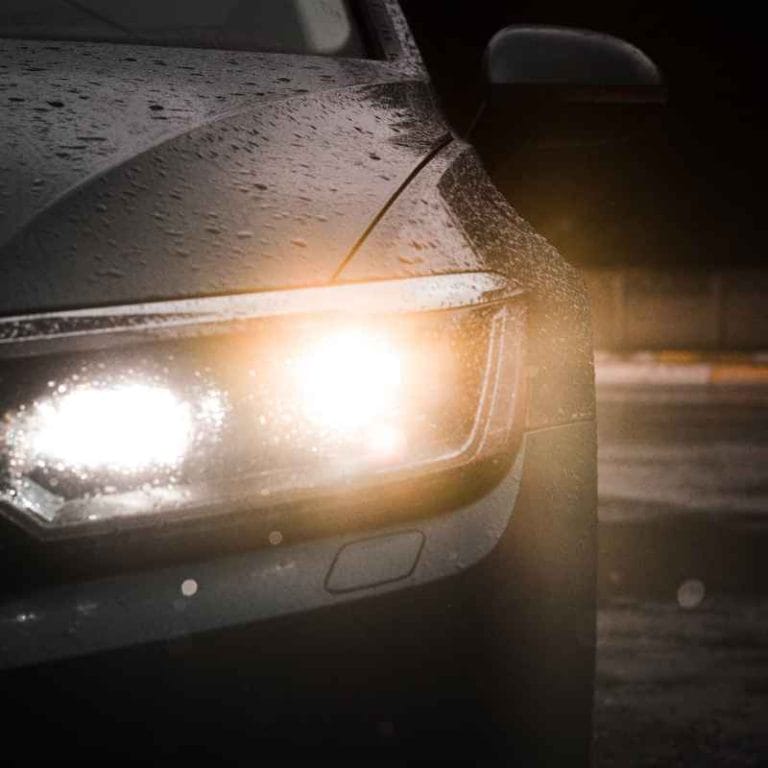
Every driver has faced the uncertainty of whether or not to use their vehicle’s lights during the day. With the introduction of auto lights, headlights that automatically turn on and off depending on external light conditions, this decision seems easier than ever. But when is it appropriate, safe, or even required to use auto lights during daylight hours? As traffic safety organizations continue to emphasize visibility and accident prevention, understanding the right scenarios for daytime use of auto lights is crucial for every responsible motorist.
In this comprehensive guide, we’ll break down the technology behind auto lights, examine the latest research on daytime visibility, and offer actionable advice tailored to real-world driving conditions. You’ll discover when using auto lights during the day can enhance your safety, how legal requirements vary by region, and what pitfalls to avoid.
Whether you’re a new driver or a seasoned pro, making the correct choice about auto lights could make all the difference on the road.
Key Takeaways
- Auto lights enhance vehicle visibility and safety, even during daylight hours, in specific conditions.
- Laws regarding daytime headlight use vary by region; understanding local regulations is essential.
- Studies show that using headlights during the day can reduce multi-vehicle collision rates.
- Modern vehicles’ auto light sensors are not foolproof; manual intervention is sometimes necessary.
- Practical scenarios such as rain, fog, tunnels, and low sun angles often call for auto lights during the day.
- Personal experience and situational awareness remain key, even with advanced lighting technology.

Credit: www.youtube.com
Understanding Auto Lights: How They Work
The Evolution Of Auto Lights
The first automatic headlight systems appeared in luxury vehicles in the late 20th century. Early iterations were simple, often using a basic light sensor to toggle headlights at dusk and dawn. Today, the technology has grown more sophisticated, with sensors that assess ambient light, weather conditions, and sometimes even vehicle speed or wiper activity.
How Modern Auto Lights Operate
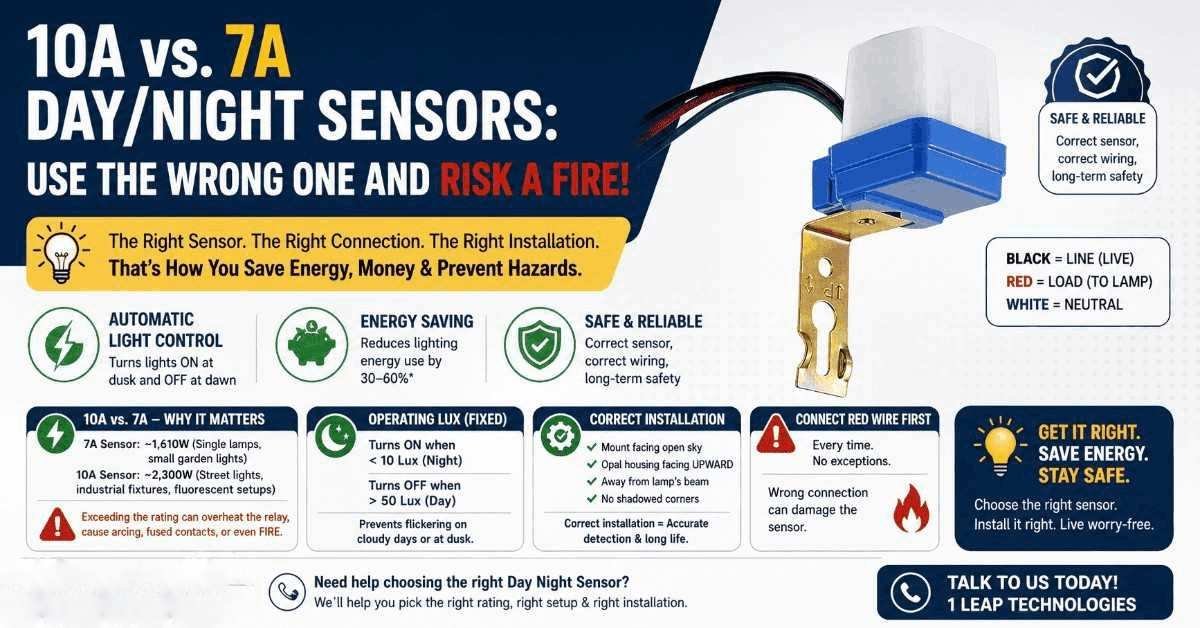
Most modern auto light systems use a photodiode sensor mounted on the dashboard or behind the windshield. This sensor constantly monitors ambient light levels. When it detects a drop below a preset threshold, it signals the vehicle’s control module to activate the headlights. Some systems integrate with rain sensors or GPS data, further refining when lights are activated.
Types Of Auto Light Systems
There are several types of auto light systems, including:
- Basic automatic headlights: Activate at dusk or in darkness.
- Adaptive lighting systems: Adjust beam pattern based on speed, steering, and road conditions.
- Automatic high-beam control: Switches between high and low beams when oncoming traffic is detected.
Limitations Of Auto Light Sensors
Despite advances, auto light sensors are not infallible. For example, they may not activate during heavy rain if ambient light is still relatively bright, or may fail to engage in foggy conditions where visibility is impaired but light levels remain high.
Example: A driver enters a tunnel on a sunny day; the auto lights engage immediately. However, during a sudden downpour in broad daylight, the system might not turn on the headlights, compromising visibility.

Credit: upnorthlive.com
The Science Of Daytime Visibility And Safety
Daytime Running Lights Vs. Auto Lights
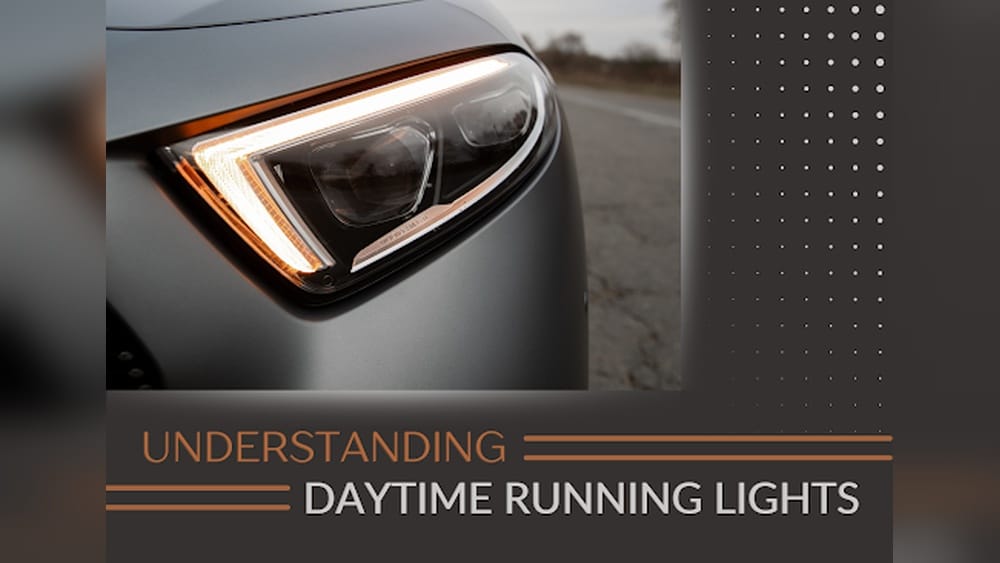
Many newer vehicles are equipped with Daytime Running Lights (DRLs), low-intensity lights that are always on when the car is running. While DRLs improve frontal visibility, they do not activate taillights or adjust for poor weather. Auto lights, by contrast, illuminate both front and rear lights when needed, offering more comprehensive visibility.
Accident Reduction Data
According to the National Highway Traffic Safety Administration (NHTSA), using headlights during the day can reduce multi-vehicle daytime crashes by up to 10%. A study published in the *American Journal of Public Health* found that daytime headlight use led to a 12% reduction in left-turn collisions and a 23% reduction in head-on collisions involving motorcycles (AJPH Study).
Visibility Factors During Daylight
Daytime visibility is affected by:
- Weather conditions: Rain, fog, snow, and dust can significantly reduce how easily other drivers see your vehicle.
- Lighting angles: Low sun angles during sunrise and sunset can create glare or deep shadows, making vehicles harder to see.
- Environmental factors: Tree cover, tunnels, and urban canyons may cause sudden shifts in lighting.
Real-world Example: Daytime Headlight Use
During a road trip through the Pacific Northwest, I noticed that using auto lights during frequent rain showers made my vehicle more visible to other drivers, especially in shaded forested areas. This contributed to a noticeable decrease in close calls and near-misses, even when ambient light levels were still relatively high.
Credit: 1leaptechnologies.com
Legal Requirements And Regional Differences
United States Regulations
The U.S. does not have a federal law mandating daytime headlight use, but many states have their own rules. For example:
- California: Requires headlights when visibility is less than 1,000 feet or when windshield wipers are in continuous use due to weather.
- New York: Similar to California, mandates headlight use in rain, snow, fog, and when wipers are active.
International Standards
Countries like Canada and Sweden have far stricter regulations, with daytime headlight use required at all times. The European Union mandates DRLs on all new vehicles manufactured since 2011.
Comparison Table: Daytime Headlight Requirements By Region
| Region | Daytime Headlight Law | Notes |
|---|---|---|
| United States | Varies by state | Often tied to weather or wiper use |
| Canada | Mandatory | All vehicles must use DRLs or headlights during the day |
| European Union | Mandatory for new cars | DRLs required since 2011 |
| Australia | Recommended | No national law, but encouraged for safety |
| Sweden | Mandatory | Headlights required 24/7 |
Fines And Penalties
Failing to comply with regional lighting laws can result in fines, insurance complications, or even liability in the event of an accident. Penalty amounts and enforcement rigor vary widely.
Pro Tip:
Always familiarize yourself with local headlight requirements before driving in a new state or country.
When Should You Use Auto Lights During The Day?
Poor Weather Conditions
Auto lights are essential during rain, fog, snow, or dust storms. These conditions reduce contrast and make it harder for other drivers to see your vehicle. Even if your auto lights do not engage, manually turning on your headlights ensures maximum visibility.
- Rain: Water on the road and windshield reflections can obscure your car.
- Fog: Headlights (not high beams) help others spot you through the haze.
- Snow: Whiteout conditions make vehicles nearly invisible without lights.
- Dust storms: Lights help you stand out in low-contrast environments.
Tunnels And Underpasses
Most auto light systems will activate in tunnels or long underpasses, as these environments are much darker than open roads. However, short underpasses or tree canopies may not always trigger the sensor.
- Example: In my experience, driving through a series of short tunnels in Colorado, the auto lights sometimes failed to activate quickly enough, prompting me to switch to manual control.
Low Sun Angles
During sunrise and sunset, the low angle of the sun can create harsh shadows and glare. Using auto lights ensures your vehicle is visible to drivers who may be squinting into the sun or seeing only silhouettes.
Rural And Forested Roads
On roads with heavy tree cover or winding curves, ambient light can shift rapidly. Auto lights help maintain consistent visibility, especially where shadows change minute by minute.
Approaching Intersections Or School Zones
Turning on auto lights during the day near intersections or in school zones increases your vehicle’s visibility to pedestrians and cross traffic, potentially reducing the risk of accidents.
When Manual Override Is Necessary
If you notice that your auto lights are not turning on in one of the above scenarios, manually activate your headlights. Trust your judgment over the sensor’s default behavior.
Benefits And Drawbacks Of Using Auto Lights During The Day
Enhanced Safety And Accident Prevention
The most significant benefit of using auto lights during the day is increased vehicle visibility. Studies consistently show that headlight use reduces collision risk, especially in adverse weather and at dawn or dusk.
Reduced Driver Workload
Auto lights reduce the need for drivers to constantly adjust their lighting, allowing them to focus more on the road and less on controls.
Energy Consumption And Bulb Life
While modern LED and HID headlights are efficient, using lights more often does slightly increase energy consumption and may reduce bulb lifespan over time.
Table: Pros And Cons Of Daytime Auto Light Use
| Benefit | Drawback |
|---|---|
| Improved vehicle visibility | Marginal increase in energy use |
| Reduced collision risk | Potential for faster bulb wear |
| Less driver distraction | Possible over-reliance on sensors |
| Compliance with legal requirements | Lights may activate unnecessarily in rare cases |
Example:
A Swedish study found that after mandating daytime headlight use, the country saw a reduction in multi-vehicle accidents by approximately 11% (ScienceDirect). This supports the case for auto light use even when not strictly required.
Comparing Auto Lights, Daytime Running Lights, And Manual Lighting
Key Differences
- Auto lights: Sensor-based, activate both head and tail lights as needed.
- Daytime Running Lights (DRLs): Always on during vehicle operation, usually only front lights, lower intensity.
- Manual control: Driver decides when to turn on lights, full control but prone to human error.
Comparison Table: Auto Lights Vs. Drls Vs. Manual Lighting
| Feature | Auto Lights | DRLs | Manual Lighting |
|---|---|---|---|
| Activates taillights | Yes | No | Yes |
| Responds to weather | Sometimes | No | Yes (if driver remembers) |
| Legal compliance | High | Varies | Depends on driver |
| Energy efficiency | High (LED/HID) | Very high | Varies |
| Risk of forgetting | Low | Low for DRLs only | High |
Real-world Case Study
A 2016 Insurance Institute for Highway Safety (IIHS) report noted that vehicles equipped with both auto lights and DRLs had the lowest rates of daytime multi-vehicle collisions among all lighting configurations. This suggests a combined approach offers the most comprehensive safety benefits.
Warning:
Do not assume that DRLs alone are sufficient in poor weather. They rarely activate taillights, which are critical for being seen from behind in rain or fog.
Optimizing Auto Light Use: Best Practices For Drivers
Know Your Vehicle’s System
Familiarize yourself with how your car’s auto lights function. Some systems have adjustable sensitivity or can be overridden manually. Check your owner’s manual for details.
Regularly Inspect Lights
Ensure that all exterior lights, headlights, taillights, and indicators, are clean and functioning. Dirt or malfunctioning bulbs diminish the effectiveness of any lighting system.
Adapt To Conditions
- During storms or heavy rain: If your auto lights don’t activate, switch them on manually.
- In tunnels or shaded roads: Watch for rapid changes in light and be ready to override the system if needed.
- At dusk or dawn: Auto lights may not activate until it’s too dark. Be proactive.
Avoid Over-reliance On Automation
Auto lights are a helpful tool but not a substitute for driver awareness. Always be prepared to take manual control, especially in unique or rapidly changing environments.
Communicate With Other Drivers
If you find yourself in a situation where visibility is compromised, using your headlights (even during the day) signals your presence to other road users. This is especially important in multi-lane traffic and at complex intersections.
Pro Tip:
Aftermarket tinting on windshields or dashboards may interfere with auto light sensors. Always test the system after any modifications to ensure proper functionality.
The Future Of Daytime Vehicle Lighting
Advancements In Sensor Technology
Future auto light systems will likely integrate AI-powered sensors, weather data, and even vehicle-to-vehicle communication. This will allow for even more accurate and context-sensitive lighting decisions.
Integration With Advanced Driver Assistance Systems (adas)
Auto lights are increasingly tied to ADAS features like adaptive cruise control and collision avoidance. This synergy can improve both safety and driver comfort.
Regulatory Changes
As evidence grows supporting daytime headlight use, more regions are expected to mandate auto lights or DRLs. The trend is toward universal adoption for new vehicles.
Example: European Union Policy
The European Union’s 2011 regulation requiring DRLs on all new passenger vehicles has already led to measurable reductions in daytime accidents. Similar policies may soon expand to trucks, motorcycles, and older vehicles.
Environmental Considerations
While increased light use raises concerns about energy consumption, the shift to LED and HID technology has largely offset these worries. These lights use less power and last much longer than traditional halogen bulbs.
Pro Tip:
Stay informed about software updates or recalls related to your car’s lighting system, as manufacturers frequently improve sensor algorithms and system integration.
Frequently Asked Questions
What Is The Difference Between Auto Lights And Daytime Running Lights (drls)?
Auto lights are sensor-based systems that activate both headlights and taillights as needed, based on ambient lighting and sometimes weather conditions. DRLs are lower-intensity front lights that remain on whenever the vehicle is running, primarily to improve visibility to oncoming traffic.
DRLs do not typically activate taillights or adjust to changing conditions, making auto lights a more comprehensive safety feature.
Can I Rely Solely On Auto Lights During The Day In All Conditions?
No. While auto lights are generally reliable, they may not activate in certain adverse weather conditions, such as heavy rain or fog, where visibility is compromised but ambient light remains high. It’s important to manually turn on your headlights if you notice your auto lights have not engaged in these scenarios.
Will Using Auto Lights During The Day Drain My Battery Or Reduce Bulb Life Significantly?
With modern LED or HID lights, the energy draw is minimal, and the impact on bulb life is negligible for most drivers. Older halogen systems may see slightly reduced bulb lifespan, but the safety benefits far outweigh this minor drawback.
Regular maintenance and timely replacement of bulbs further mitigate this issue.
Are There Any Vehicles Where Auto Lights Are Not Recommended For Daytime Use?
Most vehicles with factory-installed auto lights are designed to be used whenever the vehicle is operated. However, if your car has an aftermarket lighting system or modifications that interfere with sensor accuracy, you should consult your owner’s manual or a certified technician to ensure safe operation.
How Do I Know If My Auto Lights Are Working Properly?
Most vehicles will display an indicator on the dashboard when auto lights are active. You can also test the system by covering the sensor or driving from a brightly lit area into a dark environment (such as a tunnel) and observing if the lights engage promptly.
If in doubt, have the system inspected during routine vehicle maintenance.
Using auto lights during the day is more than just a convenience, it’s a proven way to increase your safety and the safety of those around you. By understanding when and how to use this feature, as well as the limitations of automated systems, you’ll be better equipped to make smart, confident decisions behind the wheel.
Remember, technology is a tool to enhance your driving, but your attention and judgment are always the most important safety features in any vehicle.
Products related to this article
Sponsored / affiliate links. As an Amazon Associate I earn from qualifying purchases. I may earn additional commission from eligible campaigns.