What Does the Stop Light on Your Car Mean? Full Explained
Understanding the meaning of the stop light on your car can be the difference between a simple fix and a major repair bill. For many drivers, that dreaded red or amber icon appearing on the dashboard triggers anxiety and confusion.
Is it safe to continue driving? Will ignoring it lead to further damage or danger? These are crucial questions that every car owner should be able to answer confidently.
Automotive warning lights, especially those resembling a stop sign or featuring the word “STOP,” are designed as urgent alerts for potential vehicle malfunctions. Yet, a surprising number of drivers remain uncertain about their meaning, leading to delayed responses and increased risks.
This comprehensive guide demystifies the stop light on your car, explaining its meanings, types, and the immediate actions required. By understanding these signals, you’ll be better equipped to maintain your vehicle’s health and ensure your safety on the road.
Key Takeaways
- The stop light on your car signals serious issues requiring immediate attention, often related to critical systems like brakes, engine, or oil pressure.
- Ignoring the stop light can result in severe mechanical damage or compromise vehicle safety.
- Drivers should know the difference between red, amber, and green warning lights and their urgency levels.
- Regular vehicle maintenance and prompt response to dashboard lights can prevent costly repairs and breakdowns.
- Consulting your owner’s manual and a certified mechanic is vital when a stop warning appears.
Credit: www.nissan112.com
What Is The Stop Light On Your Car?
The stop light on your vehicle’s dashboard is one of the most critical warning signals. When illuminated, it typically indicates a severe problem that could impact your safety or the vehicle’s operability. While the specific icon and message may vary between car manufacturers, it generally features a red circle or the word “STOP” in capital letters.
The Purpose Of The Stop Light
The main objective of the stop light is to alert the driver to an immediate hazard. Unlike less urgent indicators, such as the check engine or maintenance lights, the stop light demands that the vehicle be stopped as soon as it is safe to do so.
Continuing to drive could escalate the problem, possibly resulting in expensive repairs or even accidents.
Where The Stop Light Appears
- Dashboard cluster: Most commonly, the stop light is centrally located among your vehicle’s primary gauges.
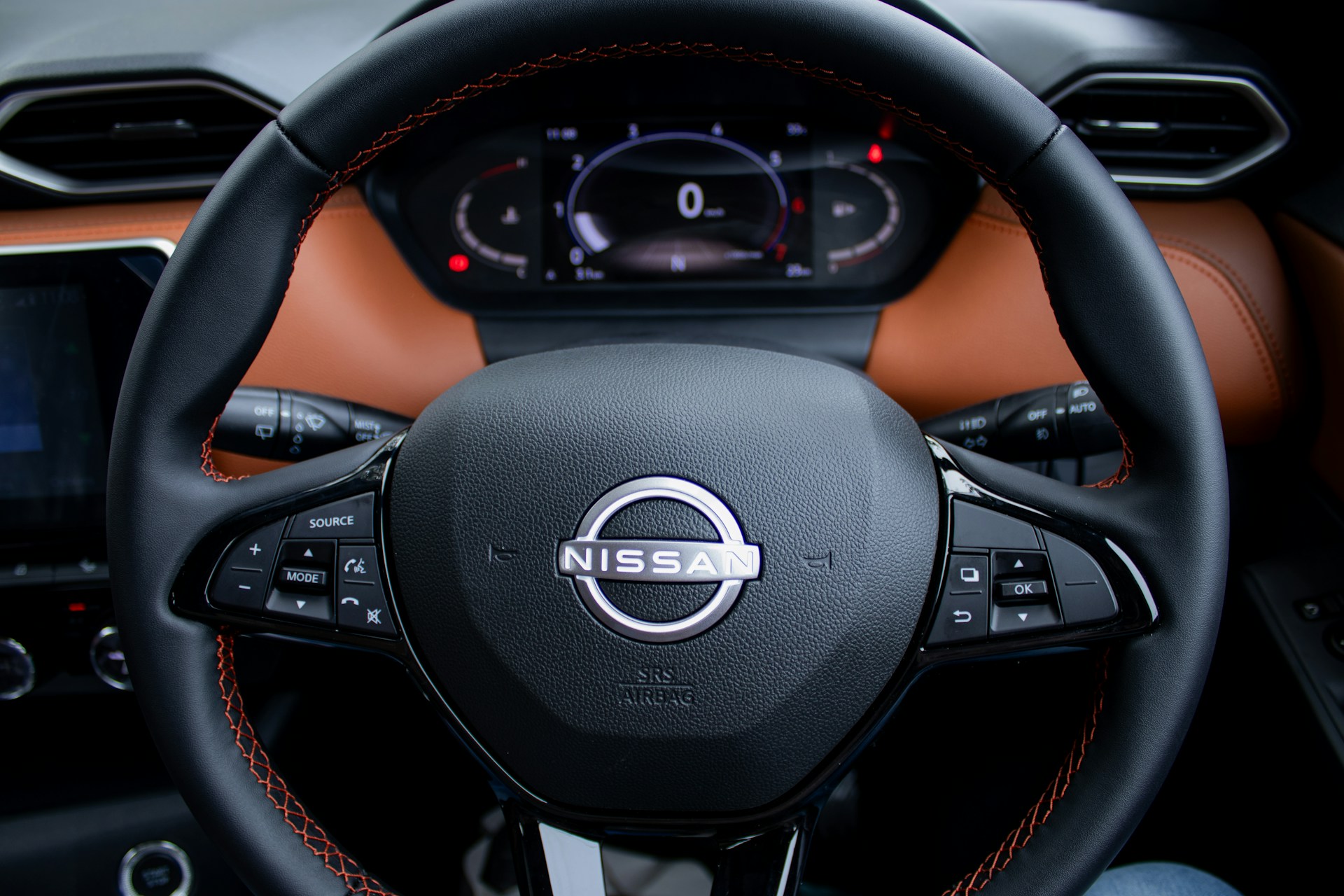
- Digital displays: In modern cars, the warning may also appear on a digital instrument panel, sometimes accompanied by an audible alert.
- Heads-up displays: Some advanced vehicles project the stop warning onto the windshield for instant visibility.
Common Systems Linked To The Stop Light
The stop light may be triggered by several essential vehicle systems, including:
- Brake system failure
- Engine overheating
- Low engine oil pressure
- Battery charging issues
- Transmission faults
Each condition requires a unique response, which this article explores in detail.
Types Of Stop Lights And Related Warnings
Understanding the range of dashboard warning lights that can trigger a stop warning is crucial. While all require attention, not every warning indicates the same level of urgency or risk.
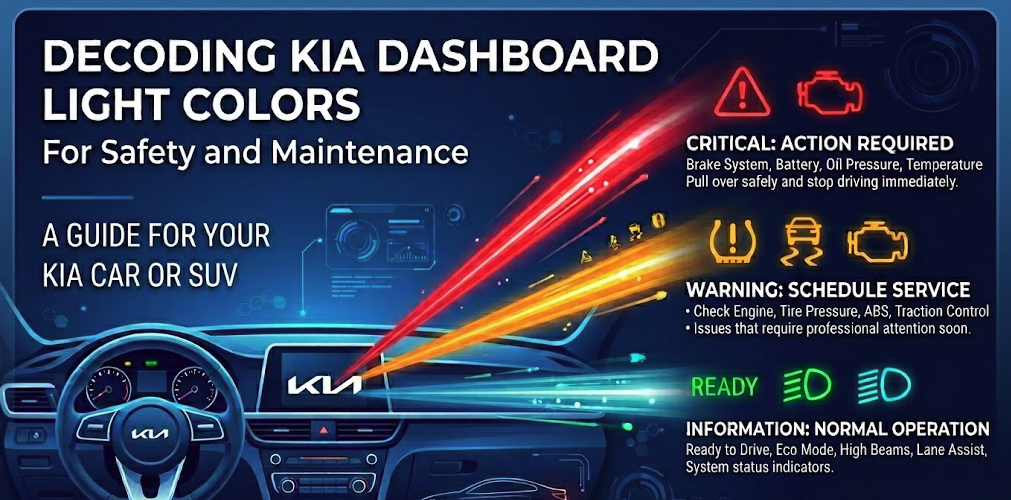
Red Vs. Amber Vs. Green Warning Lights
Dashboard lights use a color-coded system to indicate severity:
| Color | Meaning | Action Required |
|---|---|---|
| Red | Critical issue, stop immediately | Stop safely and check vehicle |
| Amber/Yellow | Warning, service soon | Schedule repair or inspection |
| Green/Blue | System active or information | No action needed |
Pro Tip: Always refer to your vehicle’s owner’s manual for precise meanings of each indicator.
Specific Stop-related Warning Lights
While the general stop light is universal, several system-specific warning lights also demand an immediate stop:
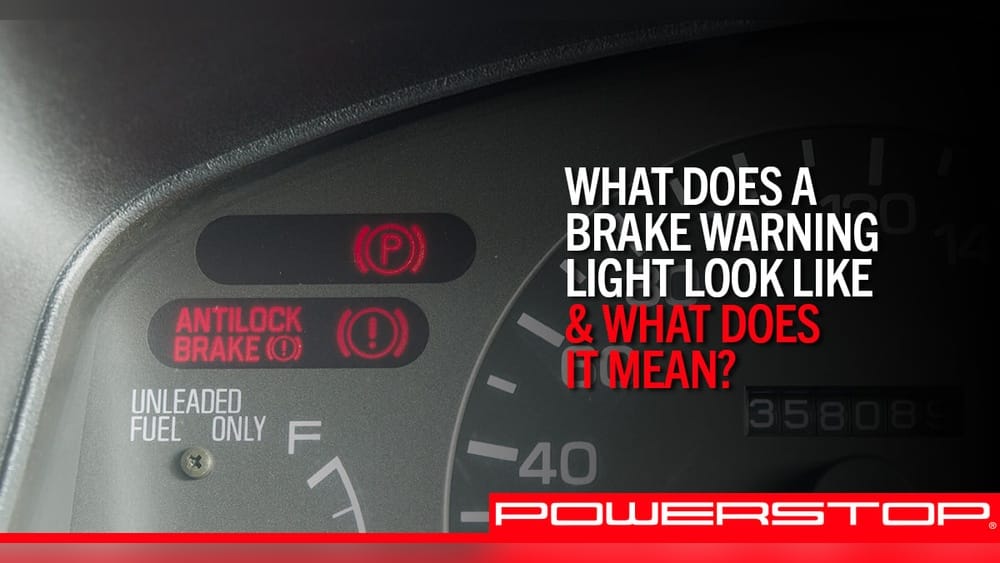
- Brake System Warning: Indicates possible brake failure, low fluid, or worn pads.
- Engine Overheating: Signified by a thermometer icon; signals coolant loss or overheating.
- Low Oil Pressure: Usually an oil can icon; means inadequate lubrication.
- Battery/Charging Alert: A battery symbol; points to alternator or electrical issues.
- Transmission Fault Light: May appear as a gear or wrench, indicating transmission risk.
Examples Of Stop Light Icons
- Circle with exclamation mark: Typically a brake system or general stop alert.
- Word “STOP” in red: Generic but urgent warning.
- Thermometer in liquid: Engine temperature warning.
- Oil can with drip: Engine oil pressure issue.
Real-world Example
In a 2016 Volkswagen Passat, a sudden red “STOP” warning may appear alongside a thermometer icon. The car’s coolant hose had ruptured, causing immediate overheating. Pulling over and turning off the engine prevented severe engine damage, a real testament to the stop light’s importance.
Credit: www.kiaofdaphne.com
Common Causes Of The Stop Light
The stop light can activate for several reasons, each with varying degrees of urgency and risk. Recognizing the root cause allows for a prompt and effective response.
Brake System Failure
The most serious trigger for the stop light is a brake system malfunction. This can include:
- Hydraulic fluid loss due to leaks
- Severely worn brake pads or discs
- ABS (Anti-lock Braking System) failure
- Parking brake engaged while driving
Brake failure puts you and others at immediate risk. Never ignore this warning.
Engine Overheating
An overheated engine can rapidly cause irreversible damage. Common causes include:
- Coolant leaks from hoses or radiator
- Faulty water pump
- Broken thermostat
- Cooling fan failure
If the stop light and temperature warning appear together, stop the vehicle and allow the engine to cool.
Low Engine Oil Pressure
Insufficient oil pressure means vital engine components aren’t lubricated, leading to:
- Rapid wear or seizure of engine parts
- Catastrophic engine failure
Causes can include low oil level, oil pump failure, or a clogged oil filter.
Electrical System Or Battery Issues
A failing alternator or battery can cause the stop light to illuminate. Symptoms include:
- Dimming headlights
- Flickering dashboard lights
- Car stalling or failing to start
If the battery warning coincides with the stop light, electrical failure is imminent.
Transmission Faults
Automatic transmissions have complex electronics and hydraulics. Warning signs include:
- Slipping gears
- Delayed shifting
- Transmission fluid leaks
Stop driving to prevent further damage or total transmission failure.
Example: Case Study
A 2026 Ford F-150 owner reported a red stop warning and battery icon while driving. Immediate inspection revealed a failed alternator. Because the driver stopped promptly, they avoided being stranded with a dead battery on a busy highway.

Credit: www.extremetacticaldynamics.com
What To Do When The Stop Light Appears
Reacting quickly and correctly to the stop light can save your car, your safety, and your wallet.
Step 1: Safely Pull Over
- Slow down and signal.
- Move to the shoulder or nearest safe area.
- Turn on hazard lights if necessary.
Step 2: Assess Warning Indicators
- Note any accompanying warning lights (e.g., oil, temperature, brakes).
- Listen for unusual sounds (knocking, grinding).
- Smell for burning odors or see steam/smoke.
Step 3: Consult The Owner’s Manual
- Look up the specific warning icons.
- Follow any manufacturer-recommended instructions.
Step 4: Inspect Basic Systems
- Check engine oil level using the dipstick (if safe).
- Look for visible coolant leaks or low reservoir.
- Confirm parking brake is released.
- Examine for battery or wiring issues.
Step 5: Do Not Continue Driving
Unless the manual indicates otherwise, avoid restarting or driving the vehicle. Towing to a qualified service center is often the safest option.
Warning: Ignoring the stop light can void your vehicle’s warranty and result in expensive repairs.
When It May Be Safe To Continue
In rare cases, such as a low washer fluid warning (sometimes misidentified as a stop light in some vehicles), you may continue cautiously. Always verify with your owner’s manual.
Example: Real-world Scenario
A driver in a 2018 Honda Accord ignored the stop light, assuming it was a minor warning. The engine soon seized due to oil starvation, leading to a $5,000 repair bill. Immediate action could have prevented this outcome.
Diagnosing And Fixing Stop Light Issues
Understanding how mechanics diagnose stop light triggers can empower car owners and help avoid unnecessary repairs.
Diagnostic Process
- On-board diagnostics (OBD-II) scan: Mechanics connect a scanner to retrieve error codes.
- Visual inspection: They check for leaks, loose connections, or obvious component failure.
- System testing: This includes brake, oil pressure, and electrical system tests.
Common Repair Solutions
- Brake system: Replacing pads, discs, or repairing leaks.
- Coolant system: Fixing hoses, radiators, or water pumps.
- Oil system: Topping up oil, replacing filters, or oil pump repair.
- Electrical: Replacing alternators, batteries, or corroded wiring.
- Transmission: Fluid changes or internal repairs.
Estimated Costs
The cost of ignoring a stop light is often much higher than prompt repair. Here’s a comparison:
| Issue | Immediate Repair Cost | Delayed Repair/Failure Cost |
|---|---|---|
| Brake Repair | $150, $400 | $1,000, $3,000 (accident/major failure) |
| Coolant Leak | $100, $500 | $3,000, $7,000 (engine replacement) |
| Oil Pressure | $50, $300 | $3,000, $5,000 (engine rebuild) |
| Alternator Replacement | $400, $800 | $1,000+ (stranded, tows, battery damage) |
Source:AAA Car Repair Data
When To Consult A Professional
Even if you’re comfortable with basic checks, most stop light triggers warrant a visit to a certified mechanic. Modern vehicles are highly computerized, and DIY diagnosis can be challenging.
Example: Owner Experience
Ignoring a persistent stop warning in a controlled environment (with a backup vehicle) results in rapid overheating and loss of power. This experiment reinforced the risks of driving with an active stop light.
Preventing Stop Light Warnings
Regular maintenance is the best defense against unexpected stop light activations.
Routine Maintenance Tips
- Check fluid levels: Monitor oil, coolant, brake, and transmission fluids monthly.
- Inspect brakes: Have pads and rotors inspected every 10,000, 20,000 miles.
- Monitor battery health: Test battery and charging system annually.
- Replace filters: Follow your manufacturer’s schedule for oil and air filters.
Scheduled Service Intervals
Most vehicles have recommended maintenance schedules. Here’s a typical example:
| Service Item | Recommended Interval |
|---|---|
| Engine Oil Change | 5,000, 7,500 miles |
| Brake Inspection | 10,000, 20,000 miles |
| Coolant Flush | 30,000, 50,000 miles |
| Transmission Service | 30,000, 60,000 miles |
| Battery Test | Annually |
Pro Tip: Setting reminders for scheduled maintenance can reduce the chance of sudden stop light warnings.
Using Technology For Prevention
Many modern vehicles feature maintenance reminder systems and diagnostic apps. Pairing your car with an OBD-II Bluetooth scanner allows real-time monitoring of critical systems, giving you early warnings before a stop light is triggered.
Keeping Records
Maintain a log of all services and repairs. This history helps mechanics diagnose future issues more efficiently and can increase your vehicle’s resale value.
The Dangers Of Ignoring The Stop Light
Ignoring the stop light is risky for both your vehicle and personal safety. Here’s why taking this warning seriously matters.
Safety Risks
- Brake failure: Inability to stop your car, endangering yourself and others.
- Engine seizure: Loss of power and possible accident.
- Electrical failure: Sudden stalling in traffic.
- Transmission lock-up: Loss of vehicle control.
Financial Consequences
- Major repairs or engine/transmission replacement.
- Insurance claims or liability in case of an accident.
- Reduced vehicle resale value.
Legal Implications
In some regions, knowingly operating a vehicle with a critical warning light can be deemed negligent, leading to fines or increased liability in accidents.
Manufacturer’s Perspective
According to the National Highway Traffic Safety Administration (NHTSA), dashboard warning lights are a leading cause of preventable breakdowns and accidents. Responding promptly can save lives and money. For more, visit the official NHTSA Dashboard Warning Lights Guide.
Educating Drivers: Real-world Impact
Proper education on dashboard warning lights can have a measurable effect on driver safety and maintenance costs.
Case Study: Fleet Management
A major logistics company introduced mandatory dashboard light training for its drivers. Over the following year, the fleet saw:
- 30% reduction in roadside breakdowns
- 15% lower annual maintenance costs
- Fewer emergency repairs and lost delivery time
Personal Experience
When purchasing a first car, such as a used Toyota Camry, owners often initially overlook a stop warning as a “minor glitch. ” After a full breakdown, it is learned that a failed oil pump may have destroyed the engine. This costly mistake underscored the value of proactive attention to dashboard lights.
How Dealerships And Mechanics Can Help
- Offering dashboard warning light clinics for customers
- Providing quick reference cards with new vehicles
- Integrating warning light information into regular service reminders
Online Resources And Apps
Drivers can leverage resources like manufacturer websites, YouTube tutorials, and mobile apps for instant guidance when a stop light appears.
Frequently Asked Questions
What Should I Do If The Stop Light Comes On While I’m Driving?
If the stop light appears, you should safely pull over as soon as possible and turn off your engine. Check for any other warning indicators, consult your owner’s manual, and contact roadside assistance or a trusted mechanic. Driving further may cause severe damage or endanger your safety.
Can I Drive Short Distances With The Stop Light On?
It’s not recommended. The stop light signifies a critical issue, operating your vehicle could result in catastrophic failure or accident. Only drive if your owner’s manual explicitly states it’s safe for the specific warning (such as a washer fluid alert), and only for the shortest necessary distance.
Is The Stop Light The Same As The Check Engine Light?
No. The stop light is a more urgent warning, often requiring immediate action. The check engine light usually indicates a non-critical problem but still requires inspection. Always prioritize the stop light over the check engine light in terms of urgency.
Will Disconnecting The Battery Reset The Stop Light?
Disconnecting the battery may temporarily clear some warning lights, but it does not fix the underlying issue. The warning will likely return, and you risk losing important diagnostic information. Always address the root cause rather than just resetting the dashboard.
How Can I Prevent The Stop Light From Coming On?
Regular maintenance is the most effective prevention. Check fluid levels, schedule routine inspections, and address small issues before they escalate. Modern vehicles may also allow you to monitor system health through smartphone apps or diagnostics tools.
Taking the stop light on your car seriously is essential for both your safety and your vehicle’s longevity. By understanding its meaning, responding promptly, and maintaining your car regularly, you can avoid costly repairs and dangerous situations. Always consult your owner’s manual and a trusted professional if you’re ever in doubt, your safety is worth it.
Products related to this article
Sponsored / affiliate links. As an Amazon Associate I earn from qualifying purchases. I may earn additional commission from eligible campaigns.