Should You Replace the Thermostat When Replacing a Water Pump?
Replace the thermostat with the water pump when labor overlap is high, the thermostat is old or symptomatic, or the pump failed in a way that suggests overheating or contaminated coolant; otherwise, a healthy thermostat can stay. That rule prevents repeat overheating, weak heater output, and paying for the same labor twice.
Should you replace the thermostat too?


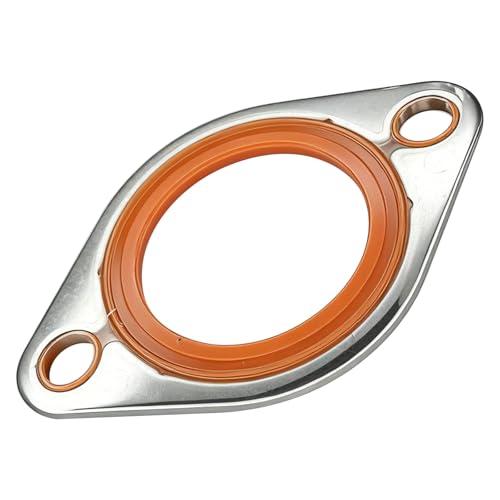
Replace it when the thermostat is already near the pump, the job forces coolant out anyway, or the old part has any history of sticking, slow warm-up, unstable temperature, or overheating. Keep it if access is poor, the part is recent, and the cooling system has no symptoms. Labor is the high-cost part.
Manufacturer service information generally points in the same direction: replace sealing parts whenever they are removed, follow the vehicle’s coolant specification, and bleed the system after refilling to avoid trapped air and repeat overheating. For coolant choice and refill procedures, follow the OEM service data or the owner’s manual, such as Toyota’s owner resources and Honda/GM service guidance for vehicle-specific coolant and bleeding requirements. Using the wrong coolant can shorten seal life and create compatibility issues.
How the pump and thermostat work together
The thermostat controls coolant flow by opening and closing as engine temperature changes. A thermostat can fail stuck open, which delays warm-up and can leave the heater weak, or stuck closed, which can drive the engine hot fast. Most units also need a gasket or O-ring when they come out.
The water pump circulates coolant through the engine. Depending on the vehicle, it may be mechanical and belt-driven or electric. A worn pump may leak, growl, or lose pumping efficiency, and replacement often includes new sealing hardware at the mounting surface.
Cooling-system refill is not the last step. Air trapped in the system can create hot spots, poor heater output, and repeat overheating after the repair. The refill must use the manufacturer-recommended coolant type and spec, then the system needs a proper bleed procedure. Many OEM repair guides specifically call for vacuum filling or a defined bleed routine to eliminate air pockets, especially on engines with bleed screws, remote reservoirs, or high-mounted heaters.
Why reuse is sometimes reasonable
If the thermostat is new, recently replaced, or clearly accessible later without reopening the same labor, reuse is reasonable. That is especially true when the pump failed from a shaft leak or bearing noise, not from coolant contamination or heat damage. In that case, the thermostat may still be serviceable.
Suppose a 2.4L engine has a front-mounted pump that comes off with two hoses and four bolts, but the thermostat sits in a separate housing on the opposite end of the head. If the thermostat is only a year old and the engine has no temperature swings, replacing it is optional, not automatic.
Timing-belt pump jobs: replace the thermostat
When the pump sits behind the timing cover, the answer usually changes. Timing-belt-driven water pumps should be replaced with the timing belt as a kit, because belt removal is required and the labor overlap is high. If the thermostat is adjacent to that same teardown, replacing it is usually the smart call.
That is also consistent with common OEM service schedules that group timing-belt service with related front-of-engine wear items. When you already have the front of the engine apart, it is practical to replace parts that share the same access path, especially if the thermostat is buried in the same area.
Why access drives the decision
Timing-belt-driven pumps change the job complexity significantly. The front of the engine is already open, and that access often exposes the thermostat housing or nearby coolant passages. If the thermostat is already out of the housing, replacing it is sensible because the extra part cost is small compared with reopening the job.
That is the core tradeoff. The thermostat is often inexpensive enough to replace on suspicion, while the labor to get back to it later is not cheap. If the pump job forces timing components off, the added cost of a thermostat is easy to justify.
What else to inspect while the cover is open
Check the timing belt, tensioner, idlers, and any front seals that are already exposed. When a timing-belt-driven pump is being replaced, the belt, tensioner, and idlers are commonly replaced together because they share wear life and access. If one component shows wear, the adjacent parts are usually worth doing at the same time.
Also inspect the coolant condition. Rust, scale, or oil in the drained coolant raises the value of a new thermostat because contamination can foul the valve or shorten its life. A failed pump from overheating can point to the same history.
Belts and coolant on timing jobs
Do not forget the refill and bleed. A timing-belt job often ends with a full coolant drain, new pump gasket or seal, thermostat gasket or O-ring if the thermostat comes out, then a refill with the right coolant and a careful bleed. Skipping the bleed risks comeback overheating that looks like a bad repair.
On many vehicles, the correct bleed process matters as much as the parts list. Some systems need the heater set to full hot, a bleed screw opened, or the nose of the car raised; others require vacuum fill to avoid air pockets. Use the manufacturer procedure so the cooling system is actually full and stable after the repair.
Serpentine-belt pump jobs: decide by access
With a serpentine-belt-driven pump, the answer depends more on access and condition. Some engines make the thermostat easy to reach from the top or side, while others hide it under intake pieces or hoses. If access is simple and the thermostat is recent, replacement is optional. If access still requires extra teardown, bundle it.
When the thermostat is easy to reach
If the thermostat housing is separate from the pump and visible once the belt is off, replacing it is still often sensible. The pump job already requires coolant drain and refill, so the added part cost is small. But if the thermostat sits in a clean, open spot and has little age or symptom history, reuse is fine.
Picture a V6 with a front accessory drive: the serpentine belt comes off, the pump is exposed, and the thermostat housing is bolted to the engine block with two accessible fasteners. If the thermostat has no sticking symptoms and was replaced recently, there is no strong reason to open that housing again.
When extra labor still makes it worthwhile
If the thermostat housing is buried behind intake ducting, brackets, or a hard-to-reach hose bundle, the labor overlap begins to look like the timing-belt case. Even on a serpentine job, the thermostat becomes worth replacing when the same coolant drain, hose removal, and reassembly steps are already happening.
If the pump failure included a leak, rusty deposits, or overheating history, replacement becomes more attractive because those conditions can also age the thermostat and its seal. If the old coolant looked dirty or contaminated, the thermostat has more reason to come out with the pump.
Electric water pump layouts
On vehicles with an electric water pump, the decision is less about belt access and more about the surrounding cooling-module layout. Some electric pump jobs sit low on the engine with easy access, while others are tied to auxiliary housings, coolant valves, or a buried thermostat assembly. If the thermostat shares that module, replace it; if it is separate and recent, reuse is reasonable.
Electric pump systems can also be more sensitive to trapped air and coolant specification, so a proper bleed and the correct coolant type matter even more. If the vehicle has temperature-management electronics or a separate thermostat heater circuit, follow the OEM service procedure closely.
Thermostat decision matrix
This table turns the decision into a simple rule: look at engine layout, access, thermostat condition, and the cost of opening the job twice. Parts are cheap. Reopened labor is not.
| Engine layout | Thermostat access | Thermostat age/symptoms | Recommendation |
|---|---|---|---|
| Timing-belt-driven pump | Pump sits behind the timing cover; thermostat is near the open work area | Any age over halfway through its service life, or any sticking, slow warm-up, or overheating | Replace the thermostat during the pump and timing-belt job. Cost rationale: labor overlap is high, and reopening the front of the engine later is expensive. |
| Serpentine-belt-driven pump | Pump is exposed after belt removal; thermostat may be nearby or partly buried | Old, suspect, contaminated by rusty coolant, or tied to an overheating complaint | Replace it if access is moderate to good. Cost rationale: the coolant is already drained, and the added part is cheaper than a second teardown. |
| Easy-access thermostat | Housing is clearly reachable without extra disassembly after the pump is out | New or recently replaced, no symptom history, stable temperature | Reuse is reasonable. Cost rationale: skip a healthy part when the access penalty is low and the thermostat has little wear history. |
| Electric water pump system | Pump and thermostat may be part of a shared cooling module or separate but buried by wiring and hoses | Any overheating history, coolant contamination, or thermostat age that is hard to verify | Replace the thermostat if it shares the same module or requires major extra access. Cost rationale: module-style layouts and bleeding complexity make repeat labor costly. |
| Buried thermostat housing | Thermostat is under intake pieces, brackets, or hard-to-reach hose routing | Old coolant, prior overheating, or a recent pump failure from heat | Replace it during the pump job if the housing is already disturbed. Cost rationale: reopening buried access later often costs more than the part. |
| Recent thermostat replacement | Accessible, but not free to reach again | Thermostat replaced recently and the engine has stable warm-up and temperature | Reuse is reasonable unless the pump failed from overheating or the coolant is contaminated. Cost rationale: a fresh part does not need replacement without a clear trigger. |
What else should you replace or inspect?
At minimum, expect new sealing parts and fresh coolant. The water pump gasket or seal should normally be replaced with the new pump because it is critical to sealing the mounting surface. The thermostat gasket or O-ring should also be replaced if the thermostat comes out, since reused seals can sometimes leak after reassembly.
Do I need a thermostat gasket when replacing the water pump?
Yes, if the thermostat is removed. The thermostat gasket, O-ring, or seal is a wear item and should be replaced any time the housing is opened. Reusing it can lead to seepage, coolant loss, and an annoying comeback repair.
What parts should be replaced during a timing-belt water pump job?
At minimum, replace the water pump, pump gasket or seal, timing belt, and the belt tensioner or idlers if they are part of the service set or show wear. Replace the thermostat and its gasket or O-ring if the thermostat is opened or sits in the same access path. Many OEM maintenance schedules also call for fresh coolant during this service.
Coolant, hoses, and belt-related wear items
Replace or top up coolant with the exact type and spec the manufacturer calls for. Inspect hoses for swelling, cracks, soft spots, and coolant staining around clamps. If the pump job exposed a worn serpentine belt, tensioner, or idler, handle those now rather than after the front of the engine is buttoned up.
Some pump failures point to more than simple wear. Leaking coolant can leave crust on nearby parts, and overheating can harden old seals. When that happens, the thermostat is more than an optional add-on because the whole cooling circuit has already shown stress.
Practical checklist for asking a mechanic
- Ask whether the thermostat housing is exposed once the pump is removed.
- Ask whether the job already requires coolant drain, hose removal, or bracket removal near the thermostat.
- Ask whether the thermostat has a gasket or O-ring that must be renewed.
- Ask whether the timing belt, serpentine belt, tensioner, or idlers are being removed anyway.
- Ask whether the coolant will be replaced with the correct spec and the system bled afterward.
- Ask whether the drained coolant showed rust, oil, or debris that would make thermostat replacement the better call.
Frequently asked questions
Should you replace the thermostat when you replace the water pump?
Usually yes if access overlaps, the thermostat is old, or the cooling system has shown symptoms. If the thermostat is recent and easy to reach later, reuse is reasonable. The cost of the part is small; the cost of reopening the job is the part that changes the answer.
Do you need a new thermostat with a water pump replacement?
You do not need one every time. You do need one when the thermostat sticks, runs hot, warms up slowly, or sits in the same labor path as the pump. If the engine layout makes replacement simple while the system is already drained, replacing it is usually the safer choice.
Is it worth replacing the thermostat while changing the water pump?
It is worth it when the labor overlap is high or the thermostat has any age or symptom history. That is common on timing-belt jobs and many tight serpentine-belt layouts. When the thermostat is new and access is straightforward, the value drops and reuse becomes sensible.
When replacing a water pump, what else should be replaced?
Replace the pump gasket or seal, and replace the thermostat gasket or O-ring if the thermostat is removed. Also inspect coolant, hoses, belt wear, tensioners, and idlers. On timing-belt-driven pumps, the timing belt is commonly replaced with related tensioners and idlers as part of the same work.
Should I replace the thermostat and belt at the same time as the water pump?
If the pump is timing-belt-driven, yes, the belt and often the tensioners or idlers belong in the same job. On serpentine-belt setups, inspect the belt and tensioner and replace them if they are worn. The thermostat still depends on access and condition, not the belt alone.
Can you reuse the thermostat after a water pump replacement?
Yes, if it is in good condition, the engine has no overheating or warm-up complaints, and replacing it would require extra disassembly for little gain. Reuse is less attractive if the drained coolant is dirty, if the pump failed from heat, or if the thermostat is already old.
Products related to this article
Sponsored / affiliate links. As an Amazon Associate I earn from qualifying purchases. I may earn additional commission from eligible campaigns.