Why Does My Coolant Reservoir Overflow After Driving?
A coolant reservoir can overflow after driving because coolant expands with heat, but if it spills when cold, smells sweet, or keeps rising, suspect overfill, a bad cap, a head-gasket leak, or a blocked return path. Ignore it, and the engine can overheat and turn a small leak into expensive damage. This guide shows a cold-engine check sequence to separate normal expansion from a real cooling-system problem.
What a coolant reservoir does
The coolant reservoir, also called the expansion tank, is the plastic tank that gives expanding coolant a place to go. Most tanks have MIN and MAX marks, an overflow hose or vent path, and a plastic body that can crack under heat and pressure. When the engine cools, coolant should draw back into the system, not stay stranded in the bottle.
How the expansion tank stores hot coolant
As coolant temperature rises, its volume increases. The reservoir catches that extra volume so the system can stay full without forcing liquid out of the cap or a hose connection. When the engine cools, the level should drop back toward the cold mark if the cap, hose path, and return passage are working.
Why MIN and MAX marks matter
Check the level only when the engine is cold. The cold level should generally sit between the marks unless the manufacturer gives a narrower target. A tank filled above MAX has less room for expansion, so a normal hot rise can become a spill after shutdown. Low coolant is a different problem, but it can also set up overheating and overflow behavior.
Where overflow hoses and vents route excess coolant
Many reservoirs route excess coolant through a hose to a lower drain point or vent path. If that hose is kinked, blocked, or disconnected, the system can push coolant into the wrong place or leave the tank unable to return fluid during cooldown. A cracked reservoir can produce the same symptom.
Is the overflow normal or a fault?
A small rise after a long drive can be normal because coolant expands under heat and pressure. A fault is more likely when the tank is over the cold mark, coolant spills after a short trip, the level keeps climbing from one drive to the next, or the engine runs hot with the overflow. The cold level and the way it changes after cooldown are the key clues.
What a small hot-level rise can mean
Hot coolant always occupies more space than cold coolant. If the system was filled correctly, the level may sit a little higher after a drive and then settle back near the cold mark later. That is normal expansion, not automatic failure.
Signs of true overflow versus normal expansion
Normal expansion usually stays within the tank and returns on cooldown. Real overflow tends to leave residue, wet the overflow hose outlet, or push coolant out in repeated events. A sweet coolant smell, bubbles, hard hoses, or a temperature gauge that climbs higher than usual point away from simple expansion.
When repeated spillover points to a problem
If the same tank spills after every highway run, towing job, or stop-and-go commute, treat it as a diagnosis problem. That pattern often means excess pressure, poor heat rejection, trapped air, or a bad cap rather than a random splash from a full bottle.
| Symptom | Cold-level check | Hot-level behavior | Likely cause | Next test |
|---|---|---|---|---|
| Tank filled above MAX | Level sits at or above MAX before start-up | Rises quickly and may spill after shutdown | Overfilled tank | Drain to the proper cold mark and recheck after one drive cycle |
| Coolant level jumps, then drops too low later | Cold level may look normal or slightly low | Pushed into the reservoir, then not drawn back | Weak radiator cap | Test or replace the cap and inspect the vacuum valve |
| Bubbles after service, uneven level | Level may swing after coolant change | Burps out over several heat cycles | Trapped air | Bleed the system again and confirm the correct fill procedure |
| Gauge runs hot, fan behavior looks wrong | Level may be normal or low | Level climbs with heat soak and may vent | Overheating from fan, thermostat, or water pump | Check fan operation, thermostat behavior, and coolant flow |
| Repeated overflow with hard hoses and bubbles | Level may be pushed up even when cold | Rapid pressurization and repeated loss | Head-gasket pressurization | Run a chemical block test or combustion leak test |
Why does my coolant reservoir overflow after driving?
Heat, pressure, and airflow changes after a drive can expose a weak cooling system. Highway speed can load the engine for a long time, stop-and-go traffic can expose a failed fan, and towing or hill climbing can raise temperatures enough to push a borderline system into overflow.
Heat soak after highway driving
After the engine stops, airflow through the radiator drops while the metal parts stay hot. That heat soak can make the coolant expand further for a short time. If the system is full, the cap is healthy, and the return path works, the level should settle without repeated spills.
Stop-and-go traffic and idle fan failure
An electric radiator fan must pull air through the radiator at idle and low speed. If the fan, relay, fuse, or sensor input fails, the engine can creep hot in traffic and then dump coolant into the reservoir after shutdown. That pattern often appears in city driving more than on the open road.
Why towing or heavy load can trigger overflow
Heavy load raises combustion heat and coolant temperature. A system that looks fine on a short errand may overflow after towing because the thermostat, radiator, fan, or water pump can no longer keep up. Repeated overflow after load is a sign to look beyond simple overfill.
Picture a midsize SUV that stays normal on a 10-minute grocery run but overflows after a 40-minute trailer tow. The cold level was already near MAX, so the added heat leaves no room for expansion and pushes coolant out of the tank.
Cold-engine checks to start
Start with the engine fully cold. That is the only time the reservoir level can be compared against the marks without heat skewing the result. Then move through leaks, cap condition, fan operation, and fill quality in that order.
- Check the reservoir level cold and compare it with MIN and MAX.
- Inspect the reservoir body, cap area, hoses, and clamps for cracks, stains, or wet spots.
- Confirm the coolant mix. A 50/50 water-antifreeze mix is common, and too much water lowers boil protection.
- Look for signs of a blocked or disconnected overflow hose.
- Verify radiator fan operation once the engine reaches operating temperature or when the A/C calls for fan speed.
- If overflow repeats, bleed air and then move to overheating or combustion-gas tests.
Inspect hoses, clamps, and the reservoir for leaks
A cracked reservoir, loose clamp, or split hose can mimic overflow by letting coolant escape under pressure. Plastic tanks often fail at seams, hose nipples, or mounting stress points. Any dried crust or colored stain around the cap neck or hose outlet deserves attention.
Confirm the coolant mix is correct
Too much water lowers boiling protection. That matters because the cooling system depends on pressure and the right mix to keep coolant from boiling in local hot spots. Wrong concentration can turn normal operating heat into localized boiling, which can push coolant toward the reservoir.
Can a bad radiator cap cause the reservoir to overflow?
The radiator cap or pressure cap holds system pressure until its designed relief point, which is often listed in psi or kPa on the cap or in the service data. A weak seal or spring can vent too early, and a failed vacuum valve can stop coolant from returning to the radiator as the engine cools.
How cap pressure affects boiling point
Cooling systems run under pressure to raise the boiling point of the coolant. If pressure escapes too soon, coolant can boil in localized hot spots even when the temperature gauge does not look extreme. That expansion can force coolant into the reservoir or out of the overflow path.
How a weak seal or spring causes early venting
A cap with a worn seal or weak spring may open before the system reaches its designed pressure. That makes the tank act like a relief valve for a problem that should stay sealed. The result can be overflow after driving and a coolant level that never settles properly.
Why the vacuum valve matters during cooldown
The vacuum valve in the cap should open as the engine cools so coolant can draw back from the reservoir. If that side fails, the tank may look full after shutdown and then stay empty later, or it may overflow because the system cannot recover its normal balance.
Could air, overheating, or a head gasket be the cause?
Yes. Trapped air, overheating from a thermostat or fan problem, and combustion gases from a failing head gasket can all pressurize the cooling system. Those faults can look similar at first, which is why the cold-engine sequence matters. The symptom pattern after service, after idle, or after repeated heat cycles gives the best clue.
How trapped air shows up after coolant service
Air pockets often show up after a coolant change, hose replacement, or drain-and-refill job. The system can burp air over several drive cycles, which makes the reservoir level bounce around and may push coolant out before the level stabilizes. Bleeding the system again is often the first correction.
Suppose a sedan gets a coolant flush, then the owner sees the reservoir drop one day and overflow the next. If the temperature gauge stays normal and the bubbles fade after proper bleeding, trapped air is a better fit than a head gasket.
How thermostat, fan, and water pump faults create overflow
A stuck-closed thermostat can block flow and can quickly trigger overheating. A stuck-open thermostat usually causes slow warm-up, not overflow. A worn water pump can lose flow because of impeller wear or belt-drive failure, and a leak at the weep hole or shaft seal can point to pump failure. Any of these can push the engine hot enough to vent coolant into the reservoir.
What bubbles, hard hoses, and repeated overflow suggest
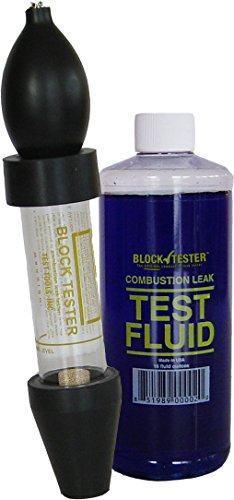
Combustion gases in the cooling system can pressurize it far beyond normal operating pressure. Signs include bubbles in the reservoir, hoses that go hard quickly after a cold start, and repeated overflow even when the cap, level, and fan look acceptable. A chemical block test or combustion leak test is often the right next step.
Frequently asked questions
Why is my coolant reservoir overflowing?
The most common reason is a reservoir that was filled too high when cold. If the cold level is correct, look next at the cap, the overflow hose, trapped air after service, and any overheating source such as the fan, thermostat, or water pump.
What should I check first if coolant keeps coming out of the reservoir?
Start with the engine cold and verify the level against MIN and MAX. Then inspect the cap, the reservoir for cracks, and the hose path for blockage or leaks. If the level still climbs after proper bleeding and a correct fill, move to overheating and combustion-leak testing.
Could a head gasket cause coolant to push into the reservoir?
Yes. Combustion gases can enter the cooling system and raise pressure enough to force coolant into the reservoir. Common clues are bubbles, hard hoses soon after start-up, and repeated overflow that does not improve with bleeding or a new cap. A block test helps confirm it.
What to do if you overfill your coolant reservoir?
If the engine is cold, remove coolant until the level sits at the proper mark. Then drive normally and recheck cold after one complete heat-and-cool cycle. If the level still spills or rises out of proportion, the problem is no longer just overfill and needs a system check.
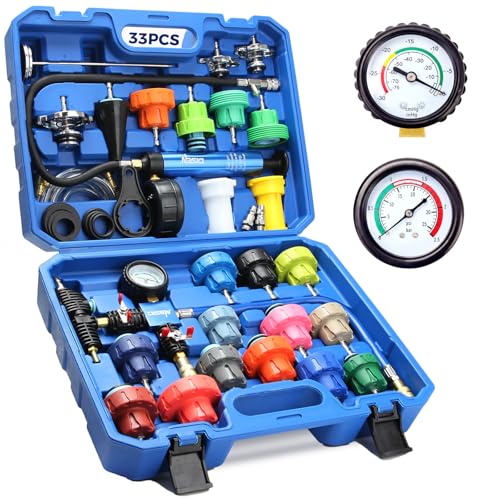
Products related to this article
Sponsored / affiliate links. As an Amazon Associate I earn from qualifying purchases. I may earn additional commission from eligible campaigns.