Does Transmission Control Acceleration? Here Is the Truth
Does Transmission Control Acceleration? Here Is The Truth
When you press the gas pedal in your car, you expect a quick and smooth response. The engine roars, and the car should move faster. But sometimes, that response feels slow, or you wonder why the car hesitates before picking up speed. Many drivers blame the transmission or wonder if “transmission control” directly affects acceleration. Is it true? Does transmission control play a role in how fast your car accelerates? Let’s dig deep into the real relationship between transmission control and acceleration, using simple explanations, clear examples, and expert insights. By the end, you’ll know exactly what’s happening under your car’s hood—and what you can do if acceleration feels slow.
What Is Transmission Control?
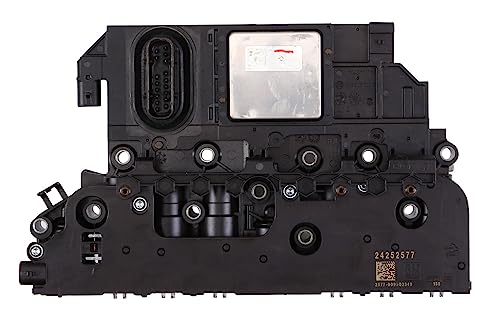
To understand how transmission control affects acceleration, you first need to know what transmission control actually means. In most modern vehicles, especially those with automatic transmissions, there is a transmission control unit (TCU) or transmission control module (TCM). This is a small computer that manages when and how the gears shift.
How Transmission Control Works
The TCU receives signals from different sensors in the car: engine speed, throttle position, vehicle speed, and more. It uses this information to decide:
- When to shift gears
- How quickly to shift
- Whether to hold a gear longer for more power
For manual transmissions, the driver controls gear shifts, but even here, there are systems (like rev-matching or hill assist) that help control the process for smoother or safer driving.
The Goal Of Transmission Control
The main job of transmission control is to balance:
- Performance (how fast the car accelerates)
- Fuel efficiency
- Smoothness (no jerky movements)
- Reliability (protecting the transmission from damage)
So, transmission control is not just about speed. It’s about making sure the car runs well in every situation.
How Acceleration Happens In A Car
Acceleration is the process of increasing your car’s speed. It’s a team effort involving the engine, transmission, and wheels.
- You press the gas pedal.
- The engine produces more power.
- The transmission shifts to the best gear for that speed and load.
- Power goes to the wheels, making the car move faster.
If any part of this chain is slow or not working well, acceleration will be affected.
Role Of The Transmission
The transmission decides how much of the engine’s power gets to the wheels. If it’s in a low gear, the car can accelerate quickly. If it shifts to a higher gear too soon, the car may feel sluggish.
For example, imagine trying to run a race in shoes that are too big—you can still move, but you’re slower and less efficient. The right gear is like wearing the right shoes for the job.
Transmission Control And Acceleration: The Real Link
Now, let’s answer the key question: does transmission control actually accelerate your car? The simple answer is no, it doesn’t directly increase acceleration. Instead, transmission control optimizes the way your car accelerates by managing gear shifts.
What Transmission Control Really Does
- Chooses the right gear: The TCU decides which gear provides the best balance between speed and power.
- Adjusts shift timing: It can shift gears earlier for fuel savings or later for more power.
- Prevents damage: By managing shifts smoothly, it reduces stress on the transmission.
When Transmission Control Helps Acceleration
There are specific times when good transmission control can make acceleration feel much better:
- Downshifting when you floor the pedal: This is called a “kickdown.” The TCU quickly shifts to a lower gear so the engine can rev higher, giving you more power.
- Holding a gear for more torque: In sports or performance modes, the TCU may hold a lower gear longer to keep the engine in its power band.
When Transmission Control Hurts Acceleration
Sometimes, transmission control can make your car feel slow, especially if:
- It’s programmed for fuel efficiency, not speed.
- There’s a delay in shifting gears (shift lag).
- The system is malfunctioning or has old software.
Non-obvious insight: Some modern transmissions purposely shift gears early to meet fuel economy rules. This can make your car feel less “peppy,” but it’s working as designed.
Types Of Transmissions And Their Impact On Acceleration
Not all transmissions are the same. Each type affects acceleration in different ways.
| Transmission Type | Acceleration Response | Common Vehicles |
|---|---|---|
| Manual | Driver controls shifts; quick if skilled | Sports cars, older models |
| Traditional Automatic | TCU-controlled; sometimes slower shifts | Most sedans, SUVs |
| CVT (Continuously Variable) | Smooth, but can feel less responsive | Hybrids, economy cars |
| Dual-Clutch | Very fast shifts, sporty | Performance cars |
Manual Vs. Automatic
With a manual, the driver is the “transmission control unit”. Quick, skilled shifting gives great acceleration. Automatics rely on programming—sometimes for comfort, not speed.
Cvt And Acceleration
CVTs use belts instead of gears. They keep the engine at its most efficient speed, but some drivers say it feels like “rubber band” acceleration—smooth, but less thrilling.
Dual-clutch Systems
These use two clutches for super-quick shifts. The TCU in these cars is tuned for speed, often shifting faster than a human can.
Non-obvious insight: Some high-performance automatic transmissions can shift faster than even the best manual drivers, thanks to advanced TCU programming.
How Transmission Control Units (tcus) Affect Driving Modes
Many modern cars let you choose different driving modes—Eco, Normal, Sport. Each mode changes how the TCU operates.
| Driving Mode | Shift Strategy | Effect on Acceleration |
|---|---|---|
| Eco | Early upshifts for economy | Smoother, slower acceleration |
| Normal | Balanced shifting | Average acceleration |
| Sport | Late upshifts, holds lower gears | Quicker, more responsive |
Customizing Your Acceleration
Switching to Sport mode usually makes the TCU hold gears longer and shift down more quickly, giving you faster acceleration. On the other hand, Eco mode sacrifices acceleration for better gas mileage.
Practical tip: If you want instant response when passing or merging, switch to Sport mode or use the manual “tiptronic” feature if your car has it.
Transmission Problems That Affect Acceleration
Transmission control can only work well if everything in the system is healthy. Here are some issues that can cause slow acceleration:
- Low transmission fluid: Not enough fluid means slow, rough, or missed gear shifts.
- Worn clutch or bands: In automatics, worn parts cause slipping and poor response.
- Faulty sensors: If the TCU gets bad data (like wrong throttle position), it may shift at the wrong time.
- Software glitches: Outdated or buggy TCU software can delay shifts.
Signs Your Transmission Is Hurting Acceleration
- Delayed response when pressing the gas pedal
- Jerky, rough, or noisy gear shifts
- Transmission warning lights on the dashboard
Non-obvious insight: Sometimes, “limp mode” in modern cars will lock the transmission in one gear to protect it from damage. Acceleration becomes very poor until the problem is fixed.

Credit: aldanamerican.com
What Really Improves Acceleration?
If you want faster acceleration, what should you focus on? Here’s what matters most:
- Engine power: More horsepower and torque give better acceleration.
- Transmission tuning: Sportier programming (or a performance TCU tune) can help.
- Weight: Lighter cars accelerate faster.
- Tire grip: Good tires transfer power better.
- Maintenance: Clean filters, fresh fluids, and working sensors are key.
Can You Tune Your Transmission Control?
Yes. Some car owners use aftermarket TCU tunes to change how their transmission shifts. These can:
- Make shifts faster and firmer
- Hold gears longer
- Improve throttle response
However, aggressive tuning can wear out the transmission faster and may void your warranty.
Expert advice: Only use reputable shops or brands for TCU tuning, and understand the risks.
Real-world Examples And Data
Let’s see how much difference transmission control can make in real cars.
Example 1: 2019 Bmw 330i (8-speed Automatic)
- Sport mode 0–60 mph: 5.6 seconds
- Eco mode 0–60 mph: 6.2 seconds
Switching from Eco to Sport mode made acceleration 10% faster—just by changing transmission control settings.
Example 2: Honda Civic Cvt
- Many drivers say the CVT feels slower than manual or traditional automatics, even with the same engine. This is due to the way the TCU manages the belt system for smoothness and economy.
Example 3: Ford F-150 With 10-speed Automatic
- Early models had software bugs causing slow shifts. After a TCU update, acceleration times improved by up to 0.5 seconds in real-world tests.
These examples show that while the engine matters most, transmission control can make a noticeable difference, especially in how quick and responsive your car feels.
Credit: www.simivalleychryslerdodgejeepram.com
Common Myths About Transmission And Acceleration
With so many rumors and opinions, it’s easy to get confused. Here are some common myths—and the facts.
Myth 1: “the Transmission Itself Makes The Car Faster.”
Fact: The transmission only controls how engine power is delivered. It doesn’t create more power.
Myth 2: “manuals Are Always Quicker Than Automatics.”
Fact: Modern automatics, especially dual-clutch and performance-tuned versions, can out-accelerate manuals due to faster, more precise shifts.
Myth 3: “tcu Tunes Always Improve Acceleration Without Risks.”
Fact: Aggressive TCU tunes can stress the transmission and cause early wear or failure if not done carefully.
Myth 4: “transmission Problems Always Mean Expensive Repairs.”
Fact: Sometimes, the problem is a simple sensor or low fluid. Always check the basics before assuming the worst.
Myth 5: “all Automatics Have The Same Acceleration.”
Fact: Shift logic and TCU programming can create big differences, even in cars with similar engines.
Diagnosing Slow Acceleration: What To Check
If your car isn’t accelerating as it should, follow these steps:
- Check for warning lights: Modern cars store error codes that a mechanic can read.
- Inspect transmission fluid: Low or dirty fluid can cause slow shifts.
- Try different driving modes: See if Sport mode feels better than Eco.
- Listen for strange sounds: Clunks or whining noises may point to internal problems.
- Get a professional diagnosis: A transmission shop can test sensors and software.
When To See A Mechanic
If you notice:
- Sudden changes in acceleration
- Slipping between gears
- Burning smell from the transmission
Get your car checked right away to avoid bigger problems.
How To Maintain Your Transmission For Best Acceleration
Good acceleration depends on a healthy transmission. Here’s how to keep it that way:
- Change transmission fluid: Follow your car’s manual for intervals (usually every 30,000–60,000 miles).
- Use the right fluid: Not all fluids are the same—using the wrong one can hurt performance.
- Update software: Ask your dealer if there are TCU updates for your car.
- Drive smoothly: Avoid hard launches unless your car is built for it.
- Fix leaks early: Small leaks can quickly lead to big problems.
Pro tip: A simple transmission fluid change can sometimes restore lost acceleration, especially in older cars.
The Future: Smarter Transmission Control
Car makers are always looking for ways to make acceleration better and more efficient. The newest trend is AI-powered transmission control. These systems “learn” your driving style and adjust shift points in real time. For example, some new Mercedes and BMW models use data from GPS, cameras, and past trips to predict when you’ll need more power—before you even press the gas pedal.
Electric cars have even simpler transmissions (often just one gear), but advanced software still controls how quickly power is delivered. The focus is shifting from mechanical parts to smarter, faster electronics.
For more in-depth technical explanations, you can visit resources like the Wikipedia page on Transmission Control Units.

Credit: www.marinmazda.net
Frequently Asked Questions
What Is The Main Job Of The Transmission Control Unit?
The transmission control unit (TCU) manages gear shifts in automatic cars. It uses data from sensors to pick the best time to shift, balancing performance, smoothness, and fuel economy.
Can A Bad Transmission Control Unit Cause Slow Acceleration?
Yes. If the TCU is faulty, it may shift at the wrong time, causing delays or sluggish acceleration. Other symptoms include harsh shifting or being stuck in one gear.
Is It Safe To Tune My Transmission For Better Acceleration?
Tuning can improve acceleration, but it also increases stress on the transmission. Only use trusted professionals, and check if tuning affects your car’s warranty or reliability.
How Do I Know If My Transmission Is The Reason For Slow Acceleration?
Look for warning lights, slow or rough shifting, and listen for odd noises. If in doubt, have a mechanic check for error codes and test the transmission.
Does Switching To Sport Mode Really Make A Difference?
Yes. Sport mode changes the TCU’s logic, usually holding gears longer and shifting faster. This gives you more power for quick acceleration, but may use more fuel.
If you want your car to deliver the best acceleration possible, remember: the transmission control doesn’t “accelerate” the car directly, but it can make a big difference in how fast—and how smoothly—you get up to speed. Stay informed, take care of your car, and enjoy every drive with confidence.
Products related to this article
Sponsored / affiliate links. As an Amazon Associate I earn from qualifying purchases. I may earn additional commission from eligible campaigns.