Transmission Control Module or Transmission: Which Is Bad?
Check the TCM first: if you have module, power, ground, or communication codes, erratic shifts, and the problem changes after a reset, the TCM or its wiring is the likely fault; if the fluid is burnt, the pan has debris, and it slips in every gear, suspect the transmission. Ignoring the wrong fault can turn a fixable electrical issue into a ruined gearbox or an expensive rebuild. Use this checklist to separate control faults from internal damage.
What you need first


- OBD2 scan tool with live data, if available
- Owner’s manual or service information for fuse and module locations
- Basic hand tools for trim panels and connector checks
- Flashlight and gloves
- Clean rag or white paper towel for fluid checks
- Digital multimeter for battery and charging checks
- Jack and stands only if the vehicle requires underbody inspection
Start with the easy checks
Low fluid and low voltage can copy a bad module or a bad transmission. Start here. They are fast, cheap, and common. A TCM can lose adaptation data or act erratically after a voltage drop, and an automatic transmission can slip or refuse to shift when fluid level or condition is wrong.
- Check transmission fluid level and color with the engine hot, idling, and the vehicle on level ground if the manufacturer calls for that procedure; many modern transmissions use sealed or manufacturer-specific temperature and fill procedures.
- Add fluid only in the amount listed in the owner’s manual or service data; a common rule of thumb is about 0.25 to 0.5 quart per top-up, then a recheck.
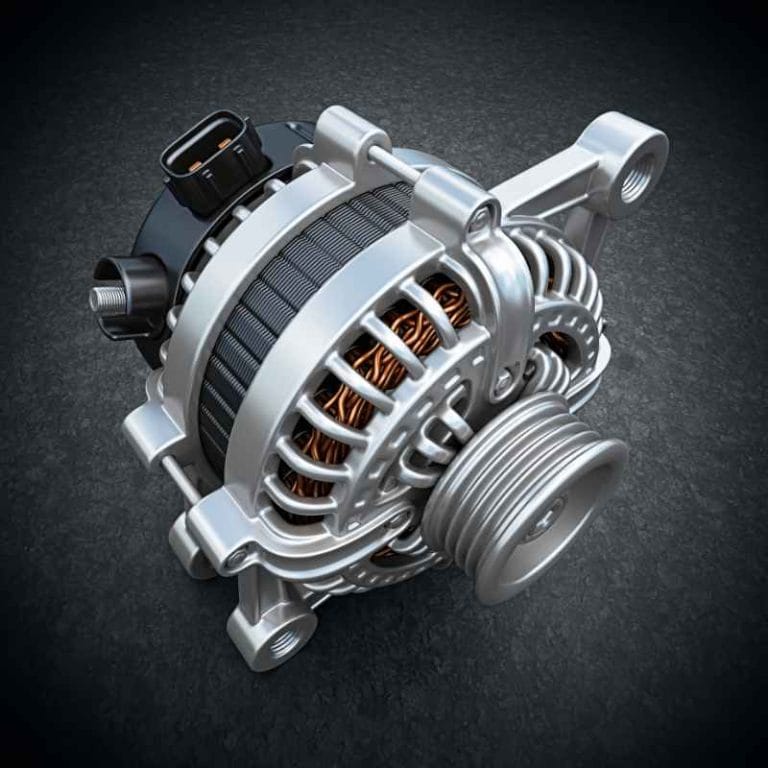
- Inspect battery voltage and charging stability. A weak battery or unstable alternator output can create false transmission symptoms.
- Inspect transmission and underhood fuses, then look at connectors for corrosion, bent pins, or a loose lock tab.
- Check for obvious leaks, rubbed wiring, or damaged harnesses near the transmission case and battery tray.
Fluid condition matters more than color alone
Fresh transmission fluid may be red or pink. Brown or black fluid can indicate age or contamination, but color alone is not a dependable pass-fail test. A burnt smell, dark color, or debris in the pan is commonly taken to point to internal wear, not only a control issue. Leaking fluid can be mistaken for a sensor fault, so do not confuse a leak with a sensor fault. (Wikihow)
Read the codes and live data
Pull codes before clearing anything. DTCs can point to circuit, pressure, or communication faults, but they only make sense with symptoms and inspection. An OBD2 scan tool helps separate electrical faults from mechanical faults, and live data can show whether the module is commanding a shift that the transmission is not delivering.
- Connect the OBD2 scan tool to the diagnostic port and read all stored and pending codes.
- Record transmission, communication, and voltage codes before clearing them.
- Open live data and watch commanded gear, shift solenoid status, turbine or output speed, and line pressure data if the tool supports it.
- Save freeze-frame data if available so you can match the fault to speed, temperature, and load.
- Do not clear codes yet. A cleared memory can hide the pattern you need.
Say your SUV only flares on the 2-3 shift after it warms up, and the scan tool shows the TCM commanding that shift while line pressure stays low. That pattern points away from a dead module and toward a hydraulic or valve body issue. The temperature clue matters.
Transmission symptoms decision table
| Symptom pattern | Likely TCM or electrical cause | Likely transmission or mechanical cause |
|---|---|---|
| Hard shifts | Bad shift solenoid command, poor power or ground, lost adaptation data, bad connector | Sticking valve body, worn clutch packs, pressure problem, contaminated fluid |
| Slipping | Incorrect gear command, erratic solenoid control, voltage drop | Worn clutches, low fluid, burnt fluid, internal seal wear |
| No upshift | TCM communication fault, sensor signal loss, limp strategy | Valve body restriction, hydraulic failure, severe internal wear |
| Limp mode | Module fault, DTC that forces default gear, wiring issue | Severe pressure fault or mechanical damage that triggers fallback |
| Delayed engagement from park | Low voltage, module reset needed, solenoid command issue | Low fluid, worn pump, valve body leak, internal wear |
| Warning light with no drivability change | Communication code, sensor circuit, stored voltage fault | Possible early hydraulic wear, but less likely if shifting feels normal |
| Stop driving threshold | Any repeated limp mode with module power loss or shifting that cuts out | Slipping under load, loss of gears, burnt fluid, metal in pan |
How do you tell if the TCM is bad?
A bad TCM usually shows up as communication, power, ground, or control problems rather than deep mechanical wear. Look for symptoms that change after a reset, codes that point to the module or its circuit, and scan data that does not match the actual gear change. Confirmation usually requires a scan tool and wiring checks.
- Look for module-specific or communication DTCs first.
- Inspect the TCM connector, power feed, and ground circuit for corrosion or looseness.
- Check scan data for commanded gear changes that do not match vehicle response.
- If the vehicle is a Chevy, use the reset or relearn procedure in the service information for that model.
- After reset, wait about 1 to 2 minutes without touching electronics, then retest.
Where the module may be mounted
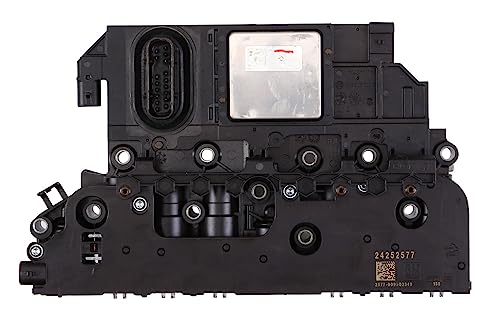
On some Chevy applications, the module may be mounted with or near the transmission assembly. Some Chevy TCMs are attached to the transmission valve body. That location matters because a connector fault, fluid intrusion, or harness damage can look like a failed module.
How do you tell if the transmission is failing?
Internal transmission failure usually leaves physical clues. Slipping, flare, harsh engagement, or refusal to shift in multiple ranges points toward hydraulic or mechanical wear, especially when the fluid is burnt or contaminated. If the problem is present in every drive cycle and gets worse under load, suspect the transmission itself.
- Check the pan and fluid for debris, dark color, or burnt smell.
- Note whether the symptom happens in every gear, only after warm-up, or only under throttle.
- Test whether the vehicle slips, stalls, or loses gears during acceleration.
- Compare scan data with road behavior; if the TCM commands a shift and nothing happens, think hydraulic or mechanical.
- If slipping occurs in multiple gears, stop driving and arrange diagnosis.
A vehicle that engages reverse only after a noticeable delay, then slips in second and third gear with dark brown fluid on the dipstick, points more strongly to internal wear than to a bad module. That points much more strongly to internal wear than to a bad module. A reset will not cure worn clutches.
Repair or replacement decision points
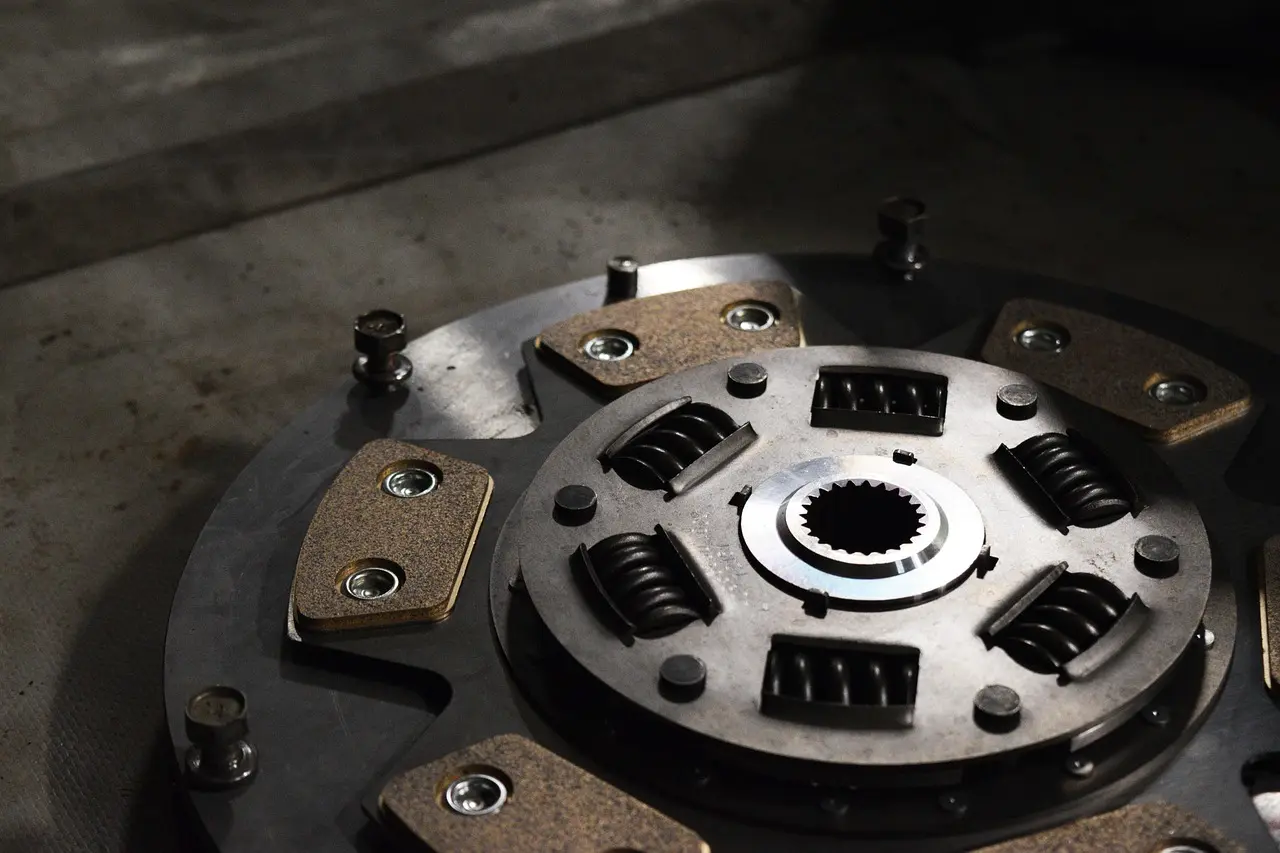
Start with the least invasive fix that matches the evidence. A relearn or reset can help when the module lost adaptation data, but it does not repair a failed solenoid, worn valve body, or burnt clutch pack. Clear codes alone do not prove the repair.
- If voltage, fuses, or grounds are unstable, fix those first and retest.
- If a code points to a shift solenoid, replace or test the solenoid circuit before condemning the TCM.
- If live data shows the module commanding a shift but pressure or gear change is wrong, inspect the valve body.
- If fluid is burnt and the pan has debris, plan for overhaul or replacement.
- If the vehicle loses multiple gears or slips under load, do not rely on reset steps as a final fix.
If that did not work, try this next
First, clear codes only after repairs and road-test with live data. Next, verify the harness from the TCM to the transmission case, including pin fit and insulation damage. Then compare commanded gear, solenoid state, and input-output speed. If the same fault returns, the bad part is usually the one that matches the data, not the one that is easiest to replace.
Common mistakes
- Clearing DTCs and calling it fixed. Codes should be read again after the road test.
- Replacing the TCM before checking battery voltage, charging stability, and grounds.
- Ignoring burnt fluid, debris, or a leak because the light still points to electronics.
- Assuming one hard shift means a failed transmission.
- Using a reset as a repair instead of a temporary diagnostic step.
- Skipping harness and connector checks on modules mounted at the transmission case or valve body.
Frequently asked questions
How do I tell if the transmission control module is bad or if the transmission is failing?
Use the pattern, not the light. Module or communication codes, voltage issues, and symptom changes after a reset point toward the TCM or wiring. Burnt fluid, pan debris, slipping in every gear, or gears that do not switch point toward internal transmission damage. Scan data and fluid condition separate them best.
What symptoms point to a bad TCM versus a bad transmission?
A bad TCM more often causes erratic command behavior, limp mode, or shifting that changes after a reset. A bad transmission more often causes slip, flare, delayed engagement, or refusal to move under load. If the symptom is present in every drive state and the fluid is poor, the transmission moves to the top of the list.
Can a transmission control module cause hard shifting and slipping?
Yes. A TCM can command the wrong shift timing, lose adaptation data, or misread a signal and create harsh or odd shifts. It can also be blamed when the real fault is a shift solenoid, valve body, or low voltage problem. Live data should match the symptom before the module is replaced.
What codes or warning signs suggest a TCM problem instead of internal transmission damage?
Communication codes, module power or ground codes, and solenoid command codes are the first clues. If the codes come back with normal fluid and clean connector checks, use live data before assuming the transmission is worn out.
Will disconnecting the battery reset a transmission control module?
Sometimes. Power disconnect can clear memory or adaptation on some vehicles, but the exact procedure varies by model. It is only a reset, not a repair. If the same codes and symptoms return after relearn, the root fault is still present.
Can low battery voltage make transmission control problems look like a bad transmission?
Low battery voltage can trigger communication faults, poor shift control, or limp mode, and it can also disturb adaptation memory. Check battery and charging output before condemning the gearbox. A weak battery or unstable alternator can create symptoms that look mechanical but are actually electrical.
Products related to this article
Sponsored / affiliate links. As an Amazon Associate I earn from qualifying purchases. I may earn additional commission from eligible campaigns.