Ford Oil Pressure Light: What to Do Immediately
If a Ford’s red oil pressure light comes on, pull over as soon as it is safe, shut the engine off, and do not restart unless you confirm the oil level is low and the warning clears after adding the correct oil. Ignoring a red oil pressure light can cause bearing damage and, in some cases, engine failure within minutes. This guide gives you a step-by-step decision tree for low oil, pressure loss, and when to call for a tow.
Stop driving immediately on a red oil pressure warning

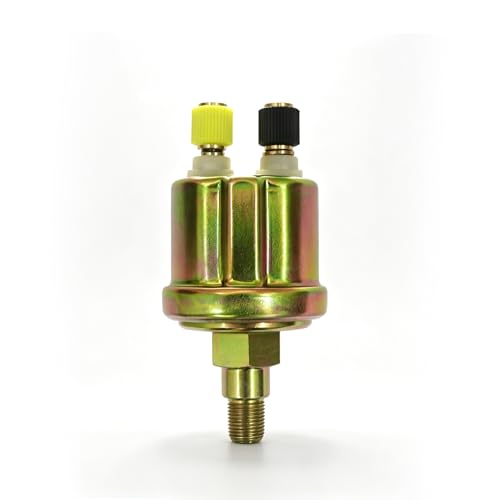
- Replacement oil pressure sensor sender switch
- Covers many Ford and Lincoln models
- Compatibility chart notes pressure gauge vs warning light
A red oil pressure warning is a stop-now warning, not a normal maintenance reminder. Treat it as a possible loss of engine oil pressure, which is generally more urgent than a check engine light and can damage the engine quickly if driving continues.
What you’ll need
- The owner’s manual for your Ford model
- The correct engine oil grade listed for your engine
- A clean rag or paper towel
- A funnel
- A safe place to pull over on level ground if possible
- Roadside assistance contact details
What should you do right away?
Pull over as soon as it is safe, switch off the engine immediately, and do not restart it yet. The next move is to check the oil level using the owner’s manual procedure for that Ford model, because a low level may be fixable at the roadside while a true pressure fault is not.
-
Pull over safely.
Get out of traffic, stop on a level spot if you can, and avoid extra engine load while moving to the shoulder or parking area. -
Shut the engine off.
Do not let it idle while you decide what to do next. A continued oil-pressure fault can turn a short warning into engine damage. -
Check the oil level.
Follow the owner’s manual procedure for your Ford, because some models use a dipstick and some do not offer a direct electronic oil-level display. Use the method specified for your vehicle. -
Decide from the result.
If the level is low, add the correct oil to the proper level. If the level is okay and the red warning remains, do not continue driving; contact roadside assistance or a shop.
Oil pressure decision table
Use this table to separate a low-oil top-up case from a true pressure-failure case. The sound matters too: no noise is less alarming than ticking, and knocking is the worst sign.
| Light behavior | Engine sound | Oil level result | Exact next action |
|---|---|---|---|
| Light came on at speed | No noise, or a brief tick | Low | Pull over as soon as safe, shut down, add the correct oil to the proper level, then follow the manual’s restart guidance only if it gives one. |
| Light came on after an oil change | Ticking, lifter noise, or knock | Okay | Do not restart again. Check for a loose filter, drain plug, wrong oil viscosity, or a missed fill issue; if the warning remains, call roadside assistance. |
| Light stays on after restart | Any noise, especially knock | Okay | Shut the engine off now and do not drive. Contact roadside assistance or a repair shop for diagnosis and towing. |
| Light flickered then went away | No noise | Check level anyway | Park and verify oil level before any restart or trip continuation. If the level is okay, schedule diagnosis; if it is low, top up to the correct level first. |
Do I check the oil level before restarting after an oil pressure warning?
Yes. Check the oil level after switching off, before any restart attempt, and use the exact procedure in the owner’s manual. If the level is low, add the correct oil to the proper level; if the level is okay and the warning is still there, do not restart just to “see what happens.”
-
Follow the manual check method.
Use the specified dipstick or display procedure for your Ford model. Some vehicles do not have a direct electronic oil-level readout, so do not guess from the dashboard alone. -
Add oil only if low.
Add the correct oil in measured amounts, then recheck. Do not overfill, because too much oil can create its own problem. -
Stop if the warning remains.
If the level is correct but the red light does not clear, treat it as a pressure fault and arrange towing or roadside help.
What if the oil level looks fine but the oil pressure light stays on?
Do not keep driving. A normal oil level does not rule out low oil pressure, a blocked pickup, a bad filter installation, a leak, aeration, or a sender or circuit problem. When the red warning stays on with the level okay, the next step is roadside assistance or a shop, not a longer trip home.
-
Leave the engine off.
Repeated restarts can worsen damage if the warning is real pressure loss rather than a false alert. -
Inspect recent service points.
If the light appeared after an oil change, check the filter seating, drain plug, and the oil grade used. A wrong viscosity or missed fill can trigger trouble after service. -
Arrange transport.
If the warning remains and the level is okay, call roadside assistance for a tow rather than trying to limp home.
What if it happened after an oil change?
That pattern points first to service-related issues: the filter may not be seated, the drain plug may leak, the engine may be underfilled, or the wrong oil viscosity may have been used. A red warning after service still means stop and verify, because the light is about possible pressure loss, not a routine reminder.
Say your Ford left the bay with a red oil light on and no unusual noise yet. The correct response is still to shut it down, check the level, and look for an obvious service mistake before any restart.
Can I keep driving with the Ford oil pressure light on for a few minutes?
No. A red oil pressure warning is a pull over as soon as it is safe signal, and the engine should be shut off immediately. Driving for a few more minutes with a true oil pressure fault can lead to bearing damage or a seized engine, especially if the light came on at speed or the engine has started knocking.
-
Exit traffic safely.
Move to the shoulder or a parking area without hard acceleration or high engine speed. -
Do not “limp home.”
If the warning is red and persistent, any extra miles increase risk. -
Use towing if needed.
If you cannot correct the oil level and clear the warning by the manual’s procedure, do not continue under power.
What if the oil level is low?
If the oil level is low, add the correct oil to the proper level, then follow the manual’s restart guidance only if the manual gives one. Low oil can cause low pressure, but topping up does not solve every red warning, so the light must clear before you drive again.
-
Add oil in measured amounts.
Pour a small amount, then recheck. A practical roadside increment is about 1 quart at a time for many Ford passenger vehicles, then verify the level again before adding more. -
Recheck after settling.
Wait a moment for the oil to drain back, then read the dipstick or display again using the correct procedure. -
Stop if the light persists.
If the red warning does not clear after the correct oil level is restored, do not drive farther; the fault is no longer just low oil level.
Picture a truck that lost oil on the highway and came in with the warning at idle after a full stop. If the level is visibly low, top up first; if the light stays on once the level is corrected, that is a roadside-assistance case, not a continue-driving case.
What does it mean if the oil pressure light goes out after a few seconds?
If the light goes out after a brief period and the owner’s manual allows a restart check, that can mean the warning was tied to a temporary low-oil condition that cleared after top-up. Do not use that as proof that the engine is fine; you still need the correct oil level and a clean warning-free restart before you resume driving.
-
Confirm the level first.
Check the dipstick or display before relying on the lamp behavior. -
Watch the warning closely.
Any return of the red light means stop again. -
Book diagnosis if needed.
A warning that disappears once and then returns still needs professional inspection.
How is an oil pressure warning different from a check engine light?
They are separate warnings. The red oil pressure light points to possible loss of engine oil pressure and demands an immediate stop, while a steady amber check engine light usually points to a stored emissions or powertrain fault. A flashing check engine light can signal catalyst damage, but it is not a substitute for oil-pressure diagnosis.
-
Read the color first.
Red oil-pressure warnings are urgent shutdown events; amber check engine lights usually follow a different diagnostic path. -
Do not swap meanings.
A check engine light does not clear the need to verify oil level and pressure when the red oil light is on. -
Treat the red light first.
Deal with oil pressure before chasing emissions codes.
Common mistakes to avoid
A red oil pressure warning leaves very little margin for error. The usual mistakes are simple, but they can turn a roadside stop into an engine rebuild.
- Revving the engine to “build pressure”
- Driving home with the red light still on
- Restarting again and again without checking the oil level
- Confusing the oil pressure warning with a check engine light
- Clearing a code instead of diagnosing the pressure loss
- Skipping the owner’s manual procedure on a model with no direct oil-level display
Stop trying to nurse the car along. The next step is roadside assistance and a proper diagnosis, because a persistent red warning after a correct oil-level check is no longer a top-up problem.
Frequently asked questions
What should I do immediately if my Ford oil pressure light comes on?
Pull over as soon as it is safe, shut the engine off, and check the oil level before any restart attempt. If the level is low, add the correct oil to the proper level. If the level is okay and the warning remains, arrange roadside assistance instead of driving farther.
Should I shut the engine off right away when the oil pressure warning appears?
Yes. The first move is to shut the engine off immediately and not restart it until you have checked the situation. That step reduces the chance of worsening engine damage while you verify whether the issue is low oil level or a real pressure failure.
When should I call roadside assistance for an oil pressure warning?
Call for roadside assistance when the oil level is okay but the red warning remains, or when the warning comes back after top-up. A persistent light is treated as a breakdown issue, not a normal maintenance reminder, and it should not be driven through.
Products related to this article
Sponsored / affiliate links. As an Amazon Associate I earn from qualifying purchases. I may earn additional commission from eligible campaigns.