Ford Clutch Slipping Symptoms in Manual Transmission Cars
If your Ford manual slips under load in higher gears after the pedal is fully released, worn clutch friction or a weak pressure plate is likely; if the bite point changes, the pedal feels soft, or fluid is low, check hydraulics first. Ignoring it can turn a fixable slip into heat damage, flywheel scoring, and a no-drive condition. This guide maps Ford clutch slip symptoms to wear, hydraulic, contamination, flywheel, or transmission causes.
Ford clutch slip basics


A clutch links the engine and transmission so engine torque reaches the wheels. When it slips, engine speed rises without a matching increase in road speed, and fuel economy and pull both drop. On Ford manuals, that loss of drive often appears first in higher gears or under heavier load, not during gentle around-town driving.
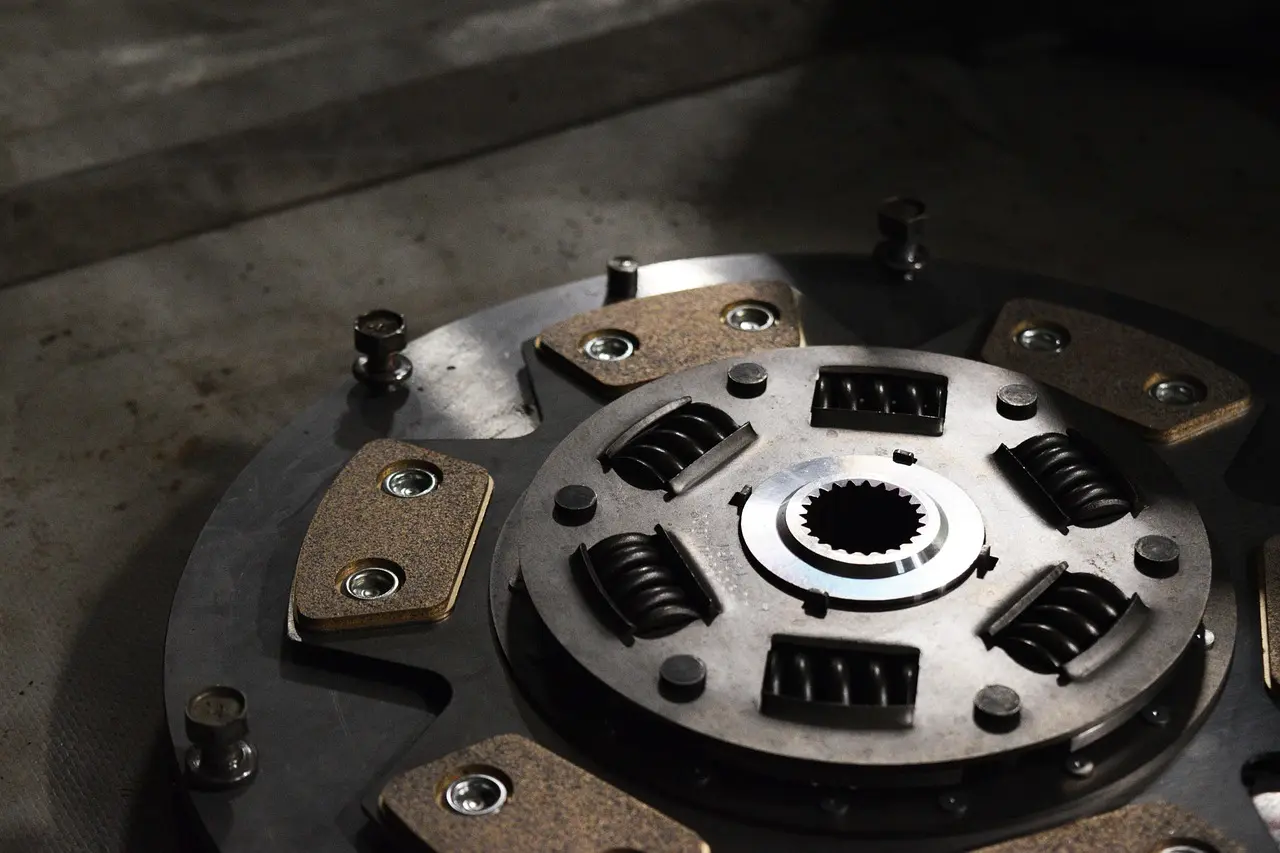
The usual failure chain is simple: the clutch disc friction material wears thin or gets glazed, the pressure plate can lose clamping force, or contamination can reduce grip. A flywheel that is scored or glazed from repeated slip can make the next set of parts fail sooner if you reuse it without correction.
Higher load situations make the problem easier to spot: hills, towing, highway passing, and hard acceleration. That is why a car can feel acceptable in light city use and still flare badly on a ramp merge or a grade.
Does your Ford rev up without speeding up?
If the engine revs rise but the vehicle does not accelerate in step, that is the classic slip pattern. It is most obvious under load, and higher gears can reveal slipping before city driving does. A normal downshift changes engine speed because the gearing changed; a slipping clutch changes engine speed without giving the road speed increase you asked for.
Start with the easy distinction. If the rev flare happens after you release the pedal and the engine races while acceleration stays flat, suspect clutch slip. If the engine speed climbs because you pressed the throttle hard in a lower gear, that can be normal. The clue is the mismatch between engine RPM and road speed, especially when the clutch should already be fully engaged.
Say your Ford Fiesta climbs a hill in fourth gear at moderate throttle. The tachometer jumps by 800 rpm, the car gains little speed, and the odor of hot friction follows a minute later. That is more consistent with clutch slip than with a normal gear change.
A simple road test can help without abusive driving:
- Choose a safe, empty road with a gentle grade.
- Drive in a higher gear at low to moderate speed.
- Apply steady throttle and watch for RPM flare without matching acceleration.
- Repeat once in another higher gear if conditions stay safe.
- Stop the test if the smell appears, the flare grows worse, or the pedal feel changes.
High bite point and pedal feel changes
A high engagement point can mean the disc is near the end of service life, and the bite point often moves to the very top of pedal release. On a Ford manual, that high bite point often appears before full failure. It does not prove the disc is worn by itself, but it should move clutch wear and hydraulic faults to the top of the list.
Pedal feel matters as much as bite height. A soft, spongy, or sticky pedal points first to the hydraulic clutch system, where master cylinder and slave cylinder pressure can mask wear or create incomplete release. A pedal that feels normal but engages very high is more suspicious for a worn disc or pressure-plate clamping loss.
Do not treat every high bite point as a dead clutch. Air in the hydraulics, a leaking master cylinder, or a slave cylinder fault can change engagement feel without the friction disc being fully worn out. That is one reason Ford clutch diagnosis should separate wear from release-system faults before parts are ordered.
Suppose a Ranger pedal starts taking up near the top of travel after a fluid loss event. If the pedal also feels soft and the gears resist selection, hydraulic loss deserves attention before a clutch kit is blamed. That path can prevent a repeat repair.
Burning smell after a hill start
A burning smell after a hill start is a common slip symptom, and a hot, sharp odor after hill starts can point to clutch overheating. A pungent burning odour is one of the main warning signs. It often appears after traffic crawls, highway merging, towing, or a long pull up a grade when the disc has been made to work too hard.
That smell is not proof of clutch failure on its own. Brake drag and oil leaks can create odor too, so check whether the smell follows a hill launch, a heavy pass, or stop-and-go traffic, then compare it with brake heat or visible oil contamination around the bellhousing. A burning smell may indicate a slipping clutch disc, but the source still needs sorting.
Contamination matters here. Rear main seal leaks can soak the friction surface, and slave cylinder leaks can do the same on some vehicle setups. That contamination can cause shuddering, repeat slip after repair, or a clutch that fails again too soon.
Why first and reverse get hard to select
Difficult 1st or reverse engagement may be related to incomplete clutch release, though synchro issues can overlap. If the clutch is not fully disengaging, the transmission input shaft keeps spinning more than it should, and first or reverse often complain first. Gear selection difficulty may point to clutch issues, but it can also overlap with synchronizer wear or linkage trouble.
The key distinction is behavior. Slip usually shows as rev flare under load after engagement. Incomplete release shows up as hard selection, creep with the pedal down, or a crunch entering reverse from a standstill. A transmission problem is more likely if the clutch pedal and engagement feel are normal but one gear grinds consistently while others do not.
Can a slipping clutch still shift normally? Yes. A clutch can slip under power and still allow clean gear changes, especially early in the failure. That is why a Ford that shifts neatly in the driveway can still flare badly on a hill.
Ford clutch slip diagnostic matrix
This checklist separates wear from hydraulic, contamination, flywheel, and transmission clues. Use the symptom that matches what the car is doing now, then match it to the most likely cause and next step.
| Symptom | Likely cause | Severity | Next action |
|---|---|---|---|
| RPM rises without matching acceleration in a higher gear | Worn clutch disc, glazed friction surface, or weak pressure plate clamp | High | Limit driving, confirm with a safe road test, book inspection |
| Slip is worse on hills, towing, or highway passing | Classic load-related clutch slip; pressure plate may be losing force | High | Reduce load immediately and avoid long trips |
| Bite point is very high near the top of pedal release | Disc wear, but hydraulic issues can also change engagement | Moderate to high | Check fluid level and pedal feel, then inspect clutch wear |
| Pedal feels soft, spongy, or sticky | Master cylinder or slave cylinder fault, air in hydraulic system | High | Inspect hydraulics first; do not assume the disc is worn |
| Burning smell after a hill start or traffic crawl | Overheated friction material; possible contamination from oil or fluid | High | Stop load testing, check for leaks, arrange inspection |
| Shudder on takeoff, repeat slip after prior repair | Contaminated friction disc, rear main seal leak, or slave cylinder leak | High | Find and fix the leak before replacing parts again |
| First or reverse is hard to select, but RPM does not flare | Incomplete disengagement, hydraulic fault, or synchro overlap | Moderate | Check release action, then consider gearbox diagnosis |
| Slip appears only under heavy throttle in higher gears | Early wear, weak pressure plate, or heat-damaged disc | High | Plan service soon; further driving can worsen damage |
Ford-specific notes that matter
Manual clutch hydraulics can hide the real cause. A master cylinder that bypasses internally, or a slave cylinder that leaks, can make the pedal feel wrong before the clutch disc is fully worn. That means a soft pedal is a hydraulic clue first, not an automatic verdict on friction material.
Contamination is another repeat offender. If a rear main seal or slave cylinder leak soaks the disc, a new clutch can fail again unless the leak source and any oil residue on the flywheel are corrected. In that situation, the flywheel may also need resurfacing or replacement if heat has scored or glazed its mating face.
Can you still drive it safely?
Maybe for one short, low-load trip, but only if the slip is mild and the pedal still behaves normally. If the vehicle is already losing drive in higher gears, smells hot, or seems to be getting worse, continuing to drive can overheat the disc, damage the flywheel, and potentially leave you stranded without drive. In those cases, tow-in service is the safer call.
Think in terms of damage progression. The longer a slipping clutch is loaded, the more likely the disc glazing, pressure-plate weakening, and flywheel scoring become. A slipping clutch should be inspected by a mechanic, and the risk rises fast when the slip is repeatable under load.
A common first-timer mistake is to keep “testing” the car on every commute. That turns a symptom into a heat problem. If the car still moves, the temptation is strong; the repair bill usually grows anyway.
Ford clutch slipping symptoms checklist
- Confirm the pedal returns normally and does not feel soft or sticky.
- Check for warning odor, fluid loss, or fresh leaks near the bellhousing.
- Avoid hills, towing, and hard acceleration.
- Use only the shortest necessary trip if the car still drives cleanly.
- Arrange inspection if the rev flare, smell, or gear resistance repeats.
Frequently asked questions
Why does my Ford rev higher but not speed up in a manual?
That mismatch is the classic slip symptom. The engine speed rises, but the clutch disc cannot pass enough torque to the transmission, so road speed lags behind. It is often most obvious in higher gears and under load, which is why hills, passing, and towing expose it first.
Is a burning smell after a hill start a slipping clutch?
It is a strong clue, especially if the smell is hot, sharp, and appears right after a hill launch or heavy traffic crawl. A burning smell may indicate a slipping clutch disc, but brakes or oil leaks can also stink. Check the timing, not just the odor, before deciding.
What does a high clutch bite point mean on a Ford manual?
A high engagement point can mean the disc is near the end of service life, and the bite point often moves to the very top of pedal release. On Ford manuals, though, a hydraulic fault can also change where the pedal catches. A high bite point is a clue, not a final diagnosis.
Can a slipping clutch still shift normally?
Yes. A clutch can slip under power and still let gears select cleanly, especially early on. That is why smooth shifting does not rule out slip. If the engine flares without matching acceleration, the clutch can still be failing even when the shifter feels normal.
Is it safe to keep driving if my clutch is slipping?
Only for a short, necessary trip if the slip is mild and stable. If the problem is getting worse, smells hot, or happens under normal acceleration, continuing to drive can worsen heat damage and flywheel scoring. A slipping clutch can leave a driver completely stranded without drive.
How do I tell clutch slip from a transmission problem?
Focus on the pattern. Clutch slip gives you RPM flare without matching acceleration, usually under load. Transmission or synchro issues more often show up as grinding, refusal to select a gear, or problems entering first and reverse. If the pedal feel is soft or the bite point has changed, hydraulics deserve attention too.
What symptoms get worse when a manual Ford is under load?
Slip usually becomes clearer on hills, towing, highway merging, and hard acceleration. Higher gears can reveal it before city driving does. If the car feels acceptable during light cruising but flares under load, that points toward a clutch that is losing friction or clamp force.
Does a soft or spongy clutch pedal mean the clutch is worn?
Not by itself. A soft or spongy pedal points first to the hydraulic clutch system, where the master cylinder or slave cylinder may be leaking or bypassing. Worn friction can still be present, but pedal feel alone does not prove it. Check hydraulics before assuming the disc is the main problem.
Products related to this article
Sponsored / affiliate links. As an Amazon Associate I earn from qualifying purchases. I may earn additional commission from eligible campaigns.