How to Brake a Car Properly for Safety And Longer Pad Life
Braking is one of the most critical aspects of driving, affecting not only your safety but also the longevity of your vehicle’s braking system. Whether you’re navigating busy city streets or winding country roads, knowing how to brake properly can prevent accidents, reduce maintenance costs, and extend the life of your brake pads. While many drivers take braking for granted, poor technique can lead to premature wear, reduced stopping power, and even hazardous situations.
This guide dives deep into the mechanics and techniques of safe, efficient braking. You’ll discover the science behind braking, proven strategies for maximizing pad life, and expert tips for handling emergency situations. By mastering these methods, you’ll not only protect yourself and your passengers but also save money and contribute to safer roads.
Let’s explore how you can transform your braking habits for optimal safety and performance.
Key Takeaways
- Proper braking technique increases both safety and brake pad lifespan.
- Avoiding aggressive braking reduces heat and wear on brake components.
- Regular maintenance and inspection are essential for brake system health.
- Understanding different braking systems helps tailor your approach.
- Real-world case studies illustrate the benefits of good braking habits.
:max_bytes(150000):strip_icc()/tal-graco-baby-contender-slim-convertible-car-seat-alicia-dolieslager-11-1-ccdff20d1c1043e384c1aca3a62e7507.jpeg)
Credit: www.travelandleisure.com
Understanding The Science Of Braking
The Braking Process Explained
When you press the brake pedal, your car’s braking system converts kinetic energy into heat, slowing the vehicle. Most modern cars use disc brakes, where pads squeeze a rotating disc (rotor) to create friction. Brake fluid transfers force from the pedal to the pads, ensuring effective stopping power. The efficiency of this process depends on several factors:
- Pad material (ceramic, metallic, organic)
- Rotor condition
- Brake fluid quality
- Tire grip
- Vehicle weight
The conversion of motion into heat is a fundamental principle of physics known as the conservation of energy. As your car’s wheels turn, they possess kinetic energy proportional to the vehicle’s speed and mass. When you apply the brakes, the brake pads clamp onto the rotors, and the friction between these surfaces transforms that kinetic energy into thermal energy (heat).
This process is why your brakes get hot after repeated or heavy use, especially during spirited driving or when descending long grades.
Additionally, the hydraulic system in modern vehicles multiplies your foot’s force on the brake pedal through brake lines filled with fluid. Any air or moisture in this fluid can reduce effectiveness, which is why regular maintenance is so important. The system is designed to provide even, predictable braking pressure to all wheels, but worn pads, warped rotors, or degraded fluid can undermine this balance and lead to uneven or unreliable stopping performance.
Heat And Wear: The Main Enemies
Friction generates heat, which can cause brake pads and rotors to wear out. Excessive heat leads to brake fade, a dangerous loss of stopping power. According to the National Highway Traffic Safety Administration (NHTSA), brake-related defects contribute to thousands of crashes annually. Proper technique minimizes heat buildup and extends pad life.
Heat management is one of the key reasons that manufacturers have shifted toward disc brakes, especially on front wheels where most stopping power occurs. When brakes overheat, the friction material in the pads can break down, forming a glassy surface that reduces stopping power—a phenomenon known as glazing. Additionally, rotors can warp from repeated heating and cooling cycles, leading to vibration and pulsation during braking.
Brake fade is more likely to occur during repeated hard stops, such as during spirited mountain driving or stop-and-go city traffic. It’s important to recognize the symptoms—such as a softer pedal, longer stopping distances, or a burning odor—and allow your brakes to cool before continuing. Using proper braking techniques and high-quality components greatly reduces the risk of fade.
Types Of Brakes
- Disc Brakes: Common in modern vehicles; offer better heat dissipation due to open-air exposure and generally superior stopping power, especially under repeated use. Many high-performance and larger vehicles use ventilated discs to further enhance cooling.
- Drum Brakes: Older design; less efficient but cheaper to manufacture. They are now mostly found on the rear wheels of budget or compact vehicles. Drum brakes can trap heat more easily, making them more susceptible to fade during heavy use.
- Regenerative Brakes: Used in electric/hybrid cars; recover energy during braking by using the electric motor as a generator. This not only improves efficiency but also dramatically reduces wear on traditional brake components during light braking.
| Brake Type | Efficiency | Heat Management | Pad Life Expectancy |
|---|---|---|---|
| Disc Brakes | High | Excellent | 30,000-70,000 miles |
| Drum Brakes | Medium | Poor | 40,000-60,000 miles |
| Regenerative Brakes | Variable | Excellent | 100,000+ miles |
Why Pad Life Matters
Replacing brake pads is costly and time-consuming. Ceramic pads, for example, can last up to 70,000 miles but only if treated properly. Premature wear, often caused by aggressive driving or poor maintenance, leads to increased expenses and higher risk of brake failure.
Longer pad life also translates into fewer trips to the mechanic, reduced downtime, and lower overall maintenance costs. For businesses with fleets of vehicles, such as delivery companies or taxi services, maximizing brake pad life can have a significant impact on operational efficiency and bottom-line expenses.
Moreover, worn pads can damage more expensive components like rotors and calipers, further increasing repair bills.
Additionally, maintaining healthy brake pads is crucial for safety. Thin or worn pads increase stopping distances, especially in emergencies. They can also lead to increased heat transfer to the brake fluid, which may boil under extreme conditions and cause complete loss of braking ability.
This is why regular inspection and timely replacement are non-negotiable aspects of responsible vehicle ownership.
Credit: www.trodo.com
Essential Techniques For Safe Braking
Smooth And Progressive Braking
Gradual braking distributes force evenly, reducing wear and maximizing safety. Instead of slamming the pedal, gently apply pressure and increase it as needed. This technique:
- Minimizes heat buildup
- Reduces stress on pads and rotors
- Enhances control, especially in slippery conditions
Example: On a wet road, a driver who brakes smoothly avoids skidding, while an abrupt stop could lead to loss of control.
Smooth, progressive braking also makes your driving more predictable to others on the road. When you signal your intentions early, following drivers have more time to react, reducing the risk of rear-end collisions. This is especially important in heavy traffic or poor visibility conditions.
If you drive a vehicle equipped with regenerative braking, smooth deceleration allows the system to recapture more energy, boosting overall efficiency. In contrast, sudden hard braking can bypass the regenerative system and rely solely on traditional friction brakes, increasing wear.
Anticipating Traffic And Road Conditions
Planning ahead is vital. Watch for traffic signals, pedestrians, and potential hazards. Early braking allows more time to stop safely and lowers the risk of panic stops. Key strategies:
- Maintain a safe following distance (at least 3 seconds)
- Scan the road 12-15 seconds ahead
- Adjust speed for weather, visibility, and traffic
By anticipating stops—such as when approaching a red light or slowing traffic—you can often coast or gently decelerate, rather than making a last-second, hard stop. This not only saves your brake pads but also improves fuel economy, as your engine works less to overcome inertia.
Advanced tip: In heavy traffic, watch the brake lights of vehicles several cars ahead, not just the one directly in front of you. This allows you to react to traffic slowdowns before they reach you, further enabling smoother braking.
Downshifting And Engine Braking
Manual transmission drivers can use engine braking—downshifting to slow the car without using the brakes. This reduces pad wear and is especially useful on steep descents. Automatic transmissions often have “L” or “S” modes for the same purpose.
Benefit: Engine braking preserves pads and prevents overheating.
How to use engine braking: In a manual, release the accelerator and downshift to a lower gear, letting the engine’s resistance slow the vehicle. In automatics, selecting a lower gear range achieves a similar effect. Engine braking is especially helpful when descending long, steep grades, where prolonged use of the brake pedal can quickly lead to overheating and fade.
Caution: Over-reliance on engine braking at very high speeds or downshifting too aggressively can cause excessive engine RPM and potential mechanical stress. Always match your speed to the appropriate gear for smooth, controlled deceleration.
Braking In Emergency Situations
Emergencies demand decisive action. Modern cars feature Anti-lock Braking Systems (ABS), which prevent wheel lockup and maintain steering control. To maximize safety:
- Apply firm, continuous pressure to the brake pedal
- Do not pump ABS brakes
- Steer around obstacles if possible
Case Study: According to a study by the Insurance Institute for Highway Safety (IIHS), vehicles with ABS reduce fatal crash risk by 6-8%.
ABS has transformed emergency braking, especially on slick or uneven surfaces. By rapidly pulsing the brakes, ABS allows you to maintain control and steer while stopping. If you feel the brake pedal vibrate or pulse during a hard stop, this is the ABS system working—do not release the pedal.
Instead, keep steady pressure and focus on steering away from danger.
For vehicles without ABS, the recommended technique in an emergency is “threshold braking,” where you apply the brakes up to the point just before the wheels lock, modulating pressure as needed. This requires practice and a good sense of your vehicle’s responses.
Avoiding Brake Riding
Constantly resting your foot on the brake pedal—brake riding—generates unnecessary heat and wears out pads quickly. Use the brake only when needed.
Tip: On long descents, alternate between braking and engine braking.
Brake riding is especially common in stop-and-go traffic or when descending hills. Over time, even light but constant pressure can cause your brakes to overheat, leading to fade or damage. Practicing proper pedal discipline—using the accelerator or coasting when possible, and only applying the brakes when genuinely necessary—goes a long way toward preserving your brake system.

Credit: driving.ca
Maximizing Brake Pad Life
Choosing The Right Brake Pads
Not all pads are created equal. Selecting the right material can influence both performance and durability:
- Ceramic Pads: Long-lasting, low dust, higher cost
- Semi-metallic Pads: Good performance, moderate wear
- Organic Pads: Quiet, cheaper, shorter lifespan
Choosing the optimal pad type depends on your driving style and environment. For example, performance drivers may prefer semi-metallic pads for their superior bite and heat dissipation, while daily commuters might value ceramic pads for their quiet operation and longevity.
Always consider OEM recommendations and consult with a trusted mechanic if in doubt.
| Pad Type | Durability | Cost | Noise Level |
|---|---|---|---|
| Ceramic | High | $60-$100 per axle | Low |
| Semi-metallic | Medium | $40-$80 per axle | Medium |
| Organic | Low | $20-$50 per axle | Low |
Additional factors: Some high-performance or heavy-duty vehicles may require specialty pads designed for extreme temperatures or loads. For towing, off-road, or sports cars, invest in pads rated for your specific needs to avoid rapid degradation.
Regular Inspection And Maintenance
A well-maintained braking system lasts longer. Inspect brake pads every 12,000 miles or at least twice a year. Look for:
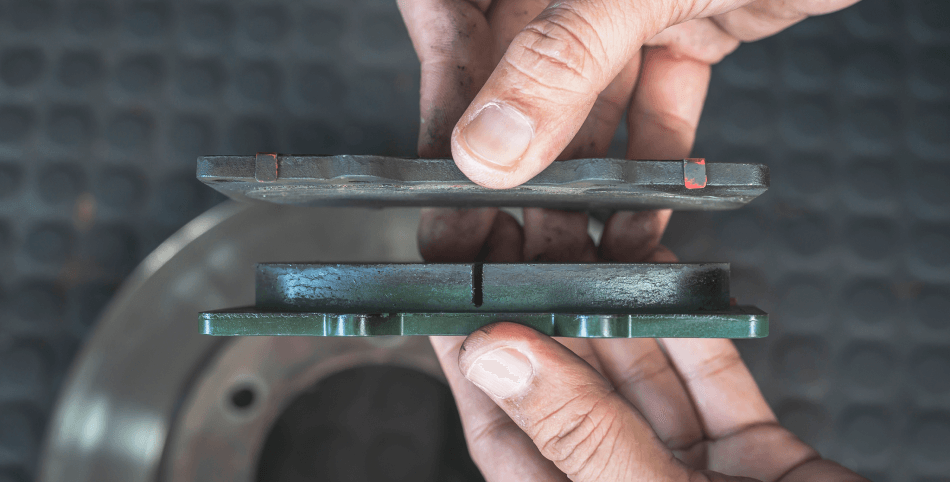
- Pad thickness (replace if less than 1/4 inch)
- Signs of uneven wear
- Noise or vibration when braking
Tip: Clean rotors and lubricate calipers to prevent sticking.
Regular inspection doesn’t just mean a quick visual check. Listen for unusual sounds, monitor for changes in brake pedal feel, and watch for warning lights on your dashboard. Many modern vehicles have built-in wear indicators that produce a squealing sound when pads are low—do not ignore these signals.
DIY tip: With the car safely lifted and the wheel removed, you can use a flashlight to inspect pad thickness and rotor condition. If you notice deep grooves, cracks, or excessive rust, consult a professional.
Keeping Braking Components Clean
Dirt, debris, and brake dust reduce efficiency and cause wear. Regularly clean the wheels and brake components to ensure optimal performance.
Example: After driving in mud or snow, rinse the wheels and undercarriage.
Brake dust is not only unsightly—it can be corrosive and may cause calipers or sliders to stick if allowed to accumulate. High-pressure water or specialized brake cleaners can remove most contaminants. Be sure to avoid getting cleaning chemicals on painted surfaces, as some products can damage finishes.
Tip: When washing your car, pay special attention to the wheel wells and the inner surfaces of the wheels, where dust and grime collect.
Fluid Checks And Replacement
Brake fluid absorbs moisture over time, reducing its effectiveness. Replace fluid every 2 years or as recommended by your vehicle’s manufacturer. Low or dirty fluid can cause spongy brakes and increase stopping distance.
Consumer Reports recommends checking fluid levels monthly.
Why this matters: Moisture in the brake fluid lowers its boiling point, making vapor lock and fade more likely during hard braking. Contaminated fluid can also cause corrosion in the brake lines and calipers, leading to expensive repairs.
DIY fluid check: Most vehicles have a translucent brake fluid reservoir under the hood, with “MIN” and “MAX” level markings. If the fluid appears dark or cloudy, it’s time to replace it.
Avoiding Overloading
Carrying excess weight increases braking distance and pad wear. Remove unnecessary items from your vehicle and avoid towing loads beyond capacity.
Example: A car loaded with heavy cargo or passengers requires more braking force to stop, putting additional stress on the pads and rotors. Over time, this can lead to overheating, glazing, and premature wear. Always consult your owner’s manual for maximum recommended loads and adjust your driving accordingly.
Real-world Examples And Case Studies
Case Study 1: Fleet Vehicle Maintenance
A delivery company operating a fleet of vans implemented smooth braking policies. By training drivers to anticipate stops and avoid abrupt braking, they reduced brake pad replacements by 30% over two years, saving thousands in maintenance costs.
Additional benefits included fewer service interruptions, better fuel economy, and improved safety records. The company also noticed a reduction in rotor replacements, as smoother braking led to less heat-induced warping and scoring.
Case Study 2: Mountain Driving
A driver frequently traveling through the Rockies learned to combine engine braking with periodic light braking. This approach prevented brake fade on steep descents and extended pad life by an estimated 20,000 miles.
The driver also reported fewer incidents of “hot brake smell” and improved confidence on long downhill stretches. By periodically pulling over to allow brakes to cool, the risk of catastrophic brake failure was further minimized.
Case Study 3: Urban Stop-and-go Traffic
In city environments, aggressive stop-and-go driving led to rapid pad wear. After switching to ceramic pads and adopting progressive braking, a commuter reported quieter operation and fewer replacements.
The commuter also noticed less brake dust on wheels and improved pedal feel, contributing to a more pleasant driving experience. These changes resulted in annual savings on brake maintenance and fewer unexpected repairs.
Example: Hybrid Vehicle Braking
Hybrid cars like the Toyota Prius use regenerative braking. By letting the system slow the car and avoiding unnecessary pedal use, drivers often see brake pads last over 100,000 miles. Wikipedia explains the technology in detail.
Some hybrid owners report going years between brake pad replacements, illustrating the dramatic difference that regenerative braking and efficient driving habits can make. This not only reduces maintenance costs but also lessens the environmental impact of worn brake components entering the waste stream.
Common Mistakes That Shorten Pad Life
Hard Braking
Repeated hard stops generate excess heat, causing pads and rotors to glaze. Avoid this by braking early and smoothly.
Hard braking is sometimes unavoidable, but frequent aggressive stops—such as those made when tailgating or speeding between lights—dramatically increase wear. Over time, this can also cause rotors to warp or crack, leading to expensive repairs.
Ignoring Unusual Sounds
Squealing or grinding noises may indicate worn pads or debris. Address issues promptly to prevent further damage.
Squealing: Often caused by wear indicators or accumulated dust.
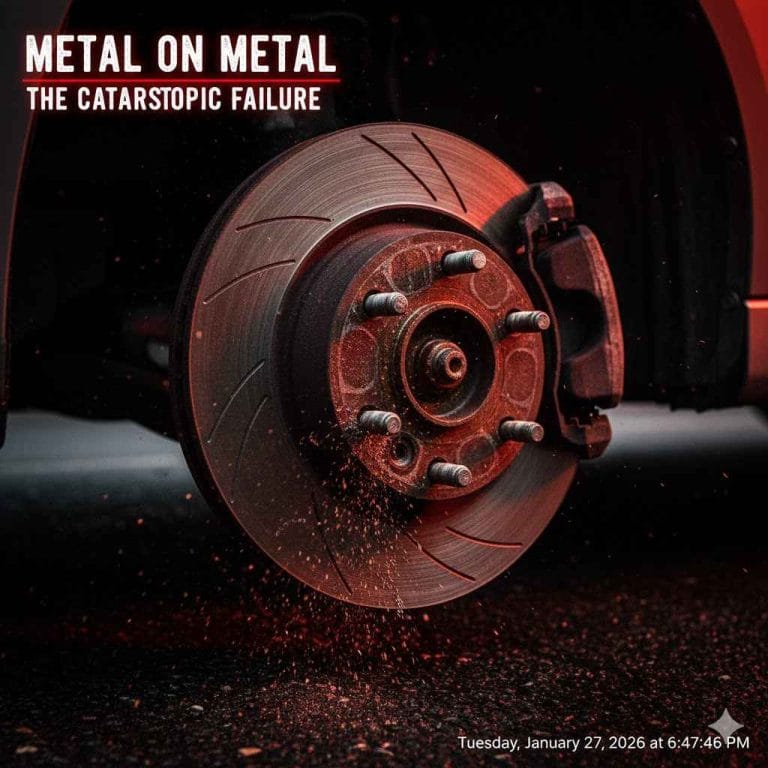
Grinding: Indicates pads are worn through to the metal backing—immediate replacement is required to avoid rotor damage.
Delayed Maintenance
Neglecting regular inspections can lead to uneven wear and costly repairs. Set reminders for routine checks.
Ignoring small issues can quickly escalate. For example, a sticky caliper can cause one pad to wear much faster than the other, potentially damaging both the pad and rotor.
Using Inferior Parts
Cheap pads may save money upfront but wear out quickly and compromise safety. Choose reputable brands and materials.
Inferior pads often lack the thermal stability or friction characteristics of quality products, leading to inconsistent braking and increased risk of failure under stress.
Overusing Brakes On Descents
Riding brakes downhill causes overheating and rapid wear. Use engine braking and alternate with light pedal pressure.
On long descents, it’s best to brake in short bursts, allowing time for cooling between applications. This “pulse braking” technique helps maintain effective stopping power and prevents fade.
Braking Techniques For Different Driving Conditions
Wet And Slippery Roads
On slick surfaces, gradual braking prevents skidding. ABS systems help maintain control, but extra caution is necessary.
- Increase following distance to account for longer stopping distances.
- Brake earlier and lighter than you would on dry roads.
- Avoid sudden pedal pressure, which can lead to hydroplaning.
NHTSA offers tips for winter driving safety.
Additional advice: If you begin to skid, ease off the brake and steer in the direction you want to go. Do not make abrupt steering inputs.
Mountainous Terrain
Steep descents challenge brakes. Use engine braking in lower gears and avoid prolonged pedal use.
- Shift to “L” or “S” in automatics to use engine braking.
- Take frequent breaks to cool brakes, especially if you notice fading or a burning smell.
- Check brakes before and after mountain trips for signs of excessive wear.
Stop-and-go City Traffic
Heavy traffic causes frequent braking. Adopt progressive techniques and maintain ample space to reduce wear.
- Avoid tailgating to minimize abrupt stops.
- Anticipate traffic light changes and begin slowing early.
- Consider using regenerative braking if driving a hybrid or electric vehicle.
Highway Cruising
At high speeds, braking distances increase. Plan exits and lane changes well in advance, and avoid abrupt stops.
- Maintain a larger following distance at higher speeds.
- Use cruise control where safe to minimize unnecessary acceleration and braking.
- Be alert for sudden slowdowns, debris, or wildlife.
Emergency Situations
In emergencies, use full pedal pressure with ABS. Practice controlled stops in safe environments to build confidence.
IIHS provides data on ABS effectiveness.
Practice tip: In an empty parking lot, practice emergency stops at different speeds to familiarize yourself with your car’s ABS response.
Maintenance Tips For Braking System Longevity
Pad Replacement Intervals
Follow manufacturer guidelines for pad replacement, typically every 30,000 to 70,000 miles. Factors affecting intervals include:
- Driving habits
- Pad material
- Environmental conditions
Urban drivers may need replacements sooner due to more frequent stops, while highway commuters may see longer intervals.
Rotor Care
Rotors should be inspected for scoring, warping, and thickness. Resurface or replace as needed to ensure smooth operation.
Tip: If you feel vibration or pulsing through the brake pedal, it may indicate rotor issues. Address these promptly to avoid uneven pad wear.
Caliper Lubrication
Calipers must move freely. Lubricate during pad replacement to prevent sticking or uneven wear.
DIY note: Use only high-temperature brake grease, and avoid contaminating pad friction surfaces.
Brake Fluid Service
Flush and replace fluid regularly. Contaminated fluid leads to corrosion and reduced braking efficiency.
Service tip: Some high-performance vehicles require fluid changes more frequently due to higher operating temperatures. Always consult your owner’s manual.
Tire Maintenance
Proper tire inflation and tread depth improve braking performance. Check tires monthly and rotate as recommended.
Underinflated or worn tires increase stopping distances and can compromise ABS or stability control effectiveness.
Professional Inspections
Schedule annual brake system checks with a certified mechanic. Early detection prevents costly repairs and ensures safety.
AAA outlines key inspection steps.
Inspection checklist: Pads, rotors, calipers, brake lines, fluid condition, and ABS/EBD functionality.
Comparing Braking Habits: Aggressive Vs. Conservative Drivers
| Habit | Aggressive Driver | Conservative Driver |
|---|---|---|
| Pad Replacement Frequency | Every 15,000-30,000 miles | Every 40,000-70,000 miles |
| Heat Buildup | High | Low |
| Accident Risk | Elevated | Reduced |
| Maintenance Cost | $300-$600/year | $100-$300/year |
| Brake System Longevity | Shorter | Longer |
Key Insight: Conservative drivers save money and reduce risk by braking smoothly and planning ahead.
In addition to financial benefits, conservative driving habits help reduce environmental impact by lowering brake dust and minimizing the need for replacement parts. These habits also make for a less stressful and more comfortable driving experience.
Advanced Braking Technologies
Anti-lock Braking System (abs)
ABS prevents wheel lockup, allowing drivers to maintain steering control during hard stops. Most modern cars feature ABS.
- Benefits: Enhanced safety, reduced accident rates
- Maintenance: Check sensors and wiring during service
ABS not only improves safety during emergency stops, but also on slippery surfaces like ice or gravel, where wheel lockup can quickly lead to loss of control.
Electronic Brake-force Distribution (ebd)
EBD optimizes braking force between front and rear wheels, improving stability. It works alongside ABS for better control.
EBD is especially useful during sudden stops or when the vehicle is heavily loaded, automatically adjusting brake pressure for maximum effectiveness.
Brake Assist
Brake assist detects emergency braking and applies maximum force. This shortens stopping distance and helps during panic stops.
Some studies indicate that many drivers don’t apply enough force in emergencies. Brake assist bridges this gap, ensuring full braking power is used.
Regenerative Braking
Electric and hybrid vehicles use regenerative systems to recover energy during braking. This not only saves fuel but also extends pad life.
U.S. Department of Energy explains the process.
Regenerative braking significantly reduces wear on pads and rotors, especially in stop-and-go traffic. As electric vehicles become more common, this technology will play an even larger role in everyday driving.
Future Innovations
Emerging technologies include adaptive braking systems and predictive maintenance. These use sensors and AI to optimize braking and schedule repairs before problems arise.
Predictive systems can monitor pad thickness, fluid condition, and even analyze driving style to recommend service before issues occur. Some luxury vehicles already feature automatic emergency braking, further reducing accident risk.
Frequently Asked Questions
What Are The Signs Of Worn Brake Pads?
Common indicators include squealing noises, reduced braking performance, longer stopping distances, and a brake warning light on your dashboard. Visually, pads thinner than 1/4 inch should be replaced.
Other symptoms can include pulling to one side when braking, a soft or spongy pedal, or visible scoring on the rotors. If in doubt, have your brakes inspected by a professional.
How Often Should I Replace Brake Fluid?
Brake fluid should be replaced every 2 years or as specified by your vehicle’s manufacturer. Regular checks prevent moisture buildup and maintain braking efficiency.
For high-performance or older vehicles, annual fluid changes may be beneficial. Always use the type of fluid specified in your owner’s manual.
Is Engine Braking Safe For All Vehicles?
Yes, engine braking is safe for both manual and most automatic transmissions. Always consult your owner’s manual for specific recommendations, especially with newer transmission designs.
Some continuously variable transmissions (CVTs) and certain automatics have specific modes for engine braking. Never shift into a lower gear at excessively high speeds, as this can cause engine or transmission damage.
Can I Check Brake Pads Myself?
You can visually inspect brake pads through the wheel spokes. Look for pad thickness and uneven wear. If unsure, consult a professional mechanic.
For a more thorough inspection, remove the wheel and check both inner and outer pads. Be cautious around moving parts and always support the vehicle securely.
What Is The Best Brake Pad Material For Daily Driving?
Ceramic pads are generally best for daily driving due to their long life, quiet operation, and minimal dust. Semi-metallic pads offer good performance but may be noisier.
For heavy-duty or performance applications, semi-metallic or specialty pads may be appropriate. Always match the pad type to your driving needs and manufacturer recommendations.
Mastering proper braking is essential for every driver seeking both safety and savings. By understanding the mechanics, adopting smooth techniques, and maintaining your brake system, you can significantly reduce risks and expenses. Whether you’re navigating city traffic or mountain roads, the right habits make all the difference.
Invest in quality pads, inspect regularly, and stay informed about new technologies. Safe braking doesn’t just protect your car—it protects lives.