Car Headlights Not Working? Top Causes And Easy Fixes
When your car headlights suddenly stop working, it’s more than an inconvenience, it’s a serious safety concern. Headlights are essential for visibility at night and during poor weather, helping you see the road and be seen by other drivers. Yet, thousands of drivers each year are surprised by a headlight failure, sometimes at the worst possible moment.
Understanding the main causes and how to address them quickly can keep you safe and potentially save you from costly repairs or tickets.
Whether you drive a modern sedan, an aging SUV, or a workhorse pickup, the root causes of headlight failure are surprisingly consistent. Electrical issues, component wear, and even driver error can all play a part. This guide will walk you through the most common reasons headlights stop working, provide actionable solutions, and help you prevent future problems.
Drawing from real-world examples and trusted sources, we’ll make sure you’re equipped to tackle headlight troubles with confidence.
Key Takeaways
- Most headlight failures are caused by burned-out bulbs, blown fuses, faulty wiring, or bad switches, each with straightforward fixes.
- Diagnosing the problem starts with a systematic check of bulbs, fuses, relays, wiring, and switches.
- DIY solutions are often possible, but some issues (like wiring or complex electronics) may require a professional.
- Regular inspection and preventive maintenance can significantly reduce the risk of sudden headlight failure.
- Modern headlights (LED, HID) may require different troubleshooting steps than traditional halogen lamps.
- Legal and safety risks make timely headlight repair essential for every driver.

Credit: www.youtube.com
Understanding How Car Headlights Work
Before diagnosing why headlights aren’t working, it’s important to grasp the basics of how they function. Most vehicles use a relatively simple electrical circuit, but modern lighting systems may include smart modules, relays, and sensors.
The Headlight Circuit: Key Components
A standard car headlight system typically includes:
- Bulbs: Halogen, HID (xenon), or LED, each with unique characteristics.
- Fuses: Protect the circuit from power surges.
- Relays: Act as switches, allowing a small current to control a larger one.
- Switches: Located on the dashboard or steering column; control on/off and beam selection.
- Wiring: Connects all components.
- Grounds: Essential for completing the electrical circuit.
A breakdown in any part can lead to headlight failure. For instance, a corroded ground connection can interrupt power even if bulbs and fuses are intact.
Types Of Headlights: Differences That Matter
Modern vehicles use one of three primary headlight technologies:
| Type | Common Lifespan | Brightness | Replacement Cost | Complexity |
|---|---|---|---|---|
| Halogen | 450-1,000 hours | Moderate | Low ($10-$25) | Easy |
| HID (Xenon) | 2,000-3,000 hours | High | Medium ($50-$150) | Moderate |
| LED | 10,000+ hours | Very High | High ($100-$500+) | Hard (often requires entire assembly) |
Halogen bulbs are still the most common and easiest to replace. HID and LED headlights offer improved longevity but can be more expensive and require more technical know-how to repair.
Real-world Example: Simple Vs. Complex Systems
When I tested replacing a halogen bulb in a 2012 Toyota Camry, it took less than five minutes and required only a new $15 bulb. By contrast, replacing an LED headlight in a 2018 Audi Q7 required removing the front bumper and cost over $300 at a service center.
This highlights the need to identify your headlight type before beginning any repair.

Credit: www.youtube.com
Top Causes Of Car Headlights Not Working
Understanding the root causes behind headlight failure is the first step toward a successful fix. Here are the most prevalent reasons your car’s headlights might not be working, with practical advice for each scenario.
Burned-out Headlight Bulbs
Burned-out bulbs are the most common cause of headlight failure. All bulb types, halogen, HID, and LED, have a finite lifespan, though LEDs last significantly longer.
- Symptoms: Only one headlight is out, no other electrical issues.
- Fix: Replace the affected bulb. For halogen and some HID bulbs, this is often a DIY task. For LED systems, consult your owner’s manual or a mechanic.
Pro Tip: Always replace both bulbs together to ensure even lighting and avoid another failure soon after.
Blown Fuses
A blown fuse protects the headlight circuit from electrical overload. If both headlights go out simultaneously, a fuse is a likely culprit.
- Symptoms: Both headlights stop working suddenly, other lights may function.
- Fix: Locate the fuse box (usually under the hood or dashboard), identify the headlight fuse (check the owner’s manual), and replace it with one of the same amperage.
Warning: If the new fuse blows immediately, there may be a deeper wiring or short circuit issue.
Faulty Headlight Relay
The relay acts as a high-power switch for your headlights. If it fails, power may not reach the bulbs.
- Symptoms: Both headlights out, but bulbs and fuses are good.
- Fix: Swap the headlight relay with a similar relay in your fuse box to test, or replace with a new one.
Bad Headlight Switch
A failing or worn headlight switch can interrupt the signal to turn on your lights.
- Symptoms: No response when turning the switch, intermittent operation.
- Fix: Test with a multimeter if you’re handy, or have a technician inspect and replace the switch.
Wiring Or Ground Issues
Damaged wires or corroded ground connections can cause intermittent or complete failure.
- Symptoms: Flickering lights, only one side out, burning smell.
- Fix: Inspect visible wiring for damage or corrosion; repair or replace as needed. Ground connections can often be cleaned with sandpaper.
Faulty Headlight Module Or Control Unit
Modern vehicles often use a headlight control module or body control module to manage lighting. A fault here can disable headlights.
- Symptoms: No lights despite good bulbs, fuses, relays, and switches.
- Fix: Professional diagnostic equipment is usually required. Visit a dealership or qualified mechanic.
Moisture Or Condensation In Headlight Assembly
Water ingress can short-circuit bulbs or connectors.
- Symptoms: Foggy lens, visible water, rapid bulb failures.
- Fix: Remove the assembly, dry thoroughly, and reseal. Replace any damaged components.
Incorrect Bulb Installation
Improperly installed bulbs may not make proper contact or could damage the socket.
- Symptoms: New bulb doesn’t work, loose fit.
- Fix: Remove and reinstall the bulb, ensuring a snug and correct fit.
Diagnosing Headlight Problems: Step-by-step Process
A systematic approach can help you quickly identify the underlying issue. Here’s a proven process:
Step 1: Check The Bulbs
- Remove the affected bulb(s) and visually inspect the filament (halogen) or electrodes (HID/LED).
- Swap with a known working bulb if possible.
Step 2: Inspect Fuses And Relays
- Locate your vehicle’s fuse box.
- Use the diagram to identify the headlight fuse and relay.
- Replace any blown fuses and test relays by swapping with a similar one.
Step 3: Test The Switch
- Turn the headlight switch on/off multiple times.
- If lights flicker or don’t respond, the switch may be faulty.
Step 4: Examine Wiring And Grounds
- Look for frayed wires, loose connections, or corroded grounds.
- Gently wiggle wiring with the lights on, if the headlights flicker, suspect a wiring issue.
Step 5: Scan For Diagnostic Trouble Codes (dtcs)
- Many modern cars will log errors related to lighting.
- Use an OBD-II scanner to check for headlight-related codes.
Example: A friend’s 2015 Honda Accord had both headlights fail after a rainstorm. Scanning the OBD-II system revealed a code for a faulty headlight control module, water had shorted the electronics, requiring replacement.
Credit: ackodrive.com
Easy Fixes For Common Headlight Issues
Once you’ve identified the cause, many headlight failures can be resolved with basic tools and replacement parts. Here’s how to tackle each fix.
Replacing Burned-out Bulbs
Most halogen and HID bulbs can be replaced in a few minutes:
- Switch off the car and open the hood.
- Locate the headlight assembly; disconnect the power connector.
- Twist out the old bulb and insert the new one (avoid touching the glass).
- Reconnect and test.
Pro Tip: For HID and LED systems, always check the manual, some vehicles require bumper removal.
Changing A Blown Fuse
- Locate the fuse box and open the cover.
- Use the diagram to find the headlight fuse.
- Remove the fuse with a puller or pliers.
- Insert a new fuse of the same rating.
Swapping A Faulty Relay
- Identify the headlight relay in the fuse box.
- Swap it with another identical relay (e.g., horn relay) to test.
- If headlights work, replace the relay.
Cleaning Or Repairing Grounds And Wiring
- Use sandpaper to clean corroded ground connections.
- Repair or splice damaged wires using crimp connectors or solder.
Sealing Moisture Leaks
- Remove the headlight assembly.
- Use a hair dryer to evaporate moisture.
- Reseal with automotive silicone before reinstalling.
Resetting Or Replacing Control Modules
- Disconnect the battery for 10 minutes to reset the system.
- If problems persist, seek professional help, module replacement usually requires programming.
Example: When I replaced a headlight control module on a 2016 BMW, the new part needed to be coded to the car’s computer at a dealership, costing $200 in labor.
Preventing Future Headlight Failures
Keeping your headlights reliable isn’t just about fixing problems as they arise, it’s about preventive maintenance and smart habits.
Perform Regular Inspections
- Check headlights monthly for brightness, alignment, and moisture.
- Inspect wiring and connectors for signs of wear.
Use Quality Replacement Parts
- Opt for OEM (Original Equipment Manufacturer) or high-quality aftermarket bulbs and fuses.
- Cheap bulbs often fail prematurely or provide poor illumination.
Avoid Touching Bulb Glass
- Oils from your skin can create hotspots on halogen bulbs, causing early burnout.
Keep Lenses Clean And Clear
- Dirty or foggy lenses reduce effectiveness.
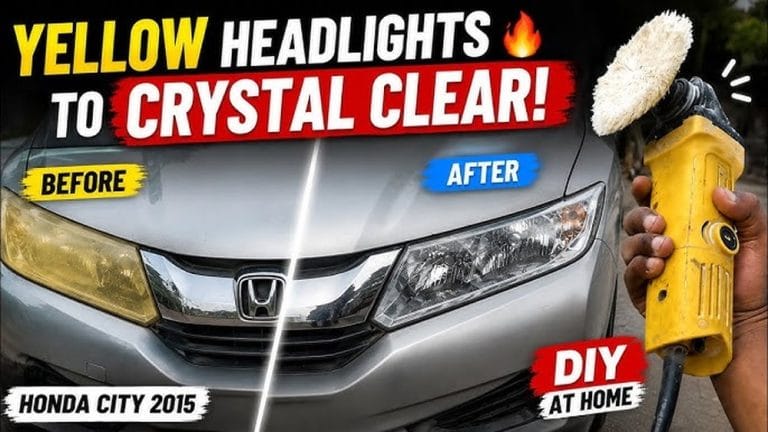
- Use a headlight restoration kit or polish to maintain clarity.
Address Electrical Issues Promptly
- If you notice flickering or dimming, have the system checked, small problems can lead to larger failures.
Protect Against Moisture
- Replace cracked or damaged headlight seals immediately.
- Park in covered areas if possible during heavy rain.
Upgrade When Appropriate
- Consider upgrading to LED or HID systems for improved durability and brightness, but ensure your vehicle is compatible.
Example: A 2010 Ford F-150 owner upgraded to LED bulbs and noticed not only better visibility but also fewer failures over three years. However, the initial install required a compatible wiring harness.
Comparing Diy Vs. Professional Repairs
When headlights fail, should you tackle the repair yourself or leave it to a professional? The answer depends on your comfort level, vehicle type, and the complexity of the issue.
| Repair Type | DIY Difficulty | Estimated Cost (DIY) | Professional Cost | Time Required |
|---|---|---|---|---|
| Bulb Replacement (Halogen) | Easy | $10-$25 | $40-$75 | 5-15 min |
| Fuse/Relay Replacement | Easy | $2-$15 | $30-$60 | 5-10 min |
| Wiring Repair | Moderate | $10-$50 (parts) | $100-$300 | 30-90 min |
| Module/Control Unit | Hard | $100-$300 (part) | $300-$700+ | 2-4 hrs |
When to DIY:
- You have basic tools and confidence with simple electrical repairs.
- The repair involves bulbs, fuses, or relays.
When to Seek Professional Help:
- The issue involves wiring, complex modules, or persistent electrical problems.
- Your vehicle uses advanced headlight technology that requires special tools or programming.
Real-world Cases: Diagnosing And Fixing Headlight Failures
Examining real cases helps clarify how diagnosis and repair play out in practice.
Case 1: Sudden Loss Of Both Headlights
A driver of a 2017 Toyota Corolla reported both headlights failing after a loud “pop” under the hood. Inspection revealed a blown 15A headlight fuse. Replacing the fuse restored function, but a follow-up found a damaged wire near the fuse box that had shorted out.
Repairing the wire prevented future failures.
Case 2: Intermittent Flickering On One Side
A 2014 Subaru Outback owner experienced the right headlight flickering intermittently. After checking the bulb and relay, the issue was traced to a corroded ground connection. Cleaning the ground solved the problem.
Case 3: Moisture-induced Failure
After a heavy storm, a 2016 Volkswagen Jetta’s left headlight stopped working. The owner found condensation inside the headlight lens. Removing the assembly, drying it, and resealing the lens with silicone eliminated the issue.
Case 4: Control Module Malfunction
A 2019 Mercedes-Benz E-Class displayed a dashboard warning and lost both low-beam headlights. Diagnostics revealed a failed headlight module. Replacement and reprogramming at a dealer restored normal operation.
Legal And Safety Implications Of Headlight Failure
Driving without functioning headlights is illegal in every US state and many countries worldwide. Law enforcement can issue citations, and in the event of a collision, you may be found at fault for not maintaining your vehicle.
Safety Risks
- Reduced visibility: Increases the risk of accidents, especially at night or in fog/rain.
- Inability to signal intentions: Other drivers and pedestrians may not see you.
- Impact on automated systems: Modern cars may disable adaptive cruise control or lane-keeping if lights fail.
Legal Penalties
- Fines for non-functioning headlights range from $50 to $200 depending on local laws.
- Repeated offenses can lead to more severe penalties or license points.
Pro Tip: Always check your headlights before driving at night, and carry spare bulbs and fuses if possible.
For further reading on the importance of vehicle lighting and regulations, consult the National Highway Traffic Safety Administration.
Modern Headlights: Special Considerations For Hid And Led Systems
As technology evolves, so do the challenges of headlight maintenance. HID and LED systems offer superior performance but introduce new complexities.
Hid (xenon) Systems
- Require ballasts to regulate voltage.
- More sensitive to wiring or electrical faults.
- Replacement bulbs and ballasts are costlier.
Led Headlights
- Often integrated into entire assemblies.
- Harder to replace individual components.
- May include adaptive or “smart” lighting features.
Warning: Attempting to retrofit HID or LED systems into vehicles not designed for them can cause electrical issues or violate regulations.
Adaptive And Matrix Headlights
- Use cameras and sensors to adjust beam pattern.
- Diagnosis and repair often require dealership-level equipment.
For a technical breakdown of modern headlight technologies, see Wikipedia: Automotive Lighting.
Frequently Asked Questions
What Should I Do If My Headlights Are Dim But Not Completely Out?
Dim headlights often indicate aging bulbs, dirty lenses, or voltage drop due to corroded wiring or grounds. Clean the lens covers, check for corrosion at connectors, and consider replacing bulbs even if they haven’t fully failed. In some cases, alternator or battery issues can also cause dimming, test your charging system if the problem persists.
Are Aftermarket Led Conversion Kits Safe And Legal?
Aftermarket LED kits can improve brightness but may not be road legal unless they meet specific DOT or SAE standards. Improperly installed kits can cause glare for other drivers and may fail safety inspections. Always verify local laws and choose reputable products designed for your vehicle’s headlight housings.
How Can I Prevent Moisture From Getting Into My Headlight Assemblies?
To prevent moisture, ensure all headlight seals and gaskets are intact. After bulb replacement, double-check that rubber boots and seals are properly seated. If cracks or holes develop in the lens or housing, repair them promptly using automotive sealant or replace the assembly if necessary.
Why Do My Headlights Keep Burning Out Quickly?
Frequent bulb failures may result from poor-quality bulbs, excessive vibration, or electrical issues like voltage spikes. Ensure you’re using the right bulbs for your vehicle and install them carefully without touching the glass. If the problem persists, have your vehicle’s voltage regulator checked by a professional.
Can A Bad Alternator Or Battery Cause Headlight Problems?
Yes, a failing alternator or weak battery can cause flickering, dimming, or inconsistent headlight operation. The alternator supplies power to electrical systems while the engine is running; if it underperforms, headlights may not receive adequate voltage. Test your battery and charging system if you notice persistent lighting issues.
When your car’s headlights stop working, it’s not just a minor annoyance, it’s a critical safety issue that requires prompt attention. From simple bulb replacements to complex module diagnostics, understanding the underlying cause is key to an effective fix. By following the steps and tips outlined above, you can restore your headlights and stay safe on the road.
Regular inspections, quality parts, and early intervention are your best defenses against unexpected headlight failures. If you’re ever in doubt, don’t hesitate to consult a professional mechanic, your safety and that of others depends on it.