Why Do Car Lights Stop Flashing? Causes And Quick Fixes
Car lights, turn signals, hazard flashers, brake lights, are vital not just for your visibility, but for the safety of everyone on the road. When your car lights suddenly stop flashing, it’s not only frustrating but can also create dangerous situations, making it imperative to identify and address the problem quickly.
Whether you’re approaching a busy intersection or signaling a turn on a dark highway, malfunctioning lights can expose you to accidents, traffic stops, or fines.
Understanding why car lights stop flashing involves a blend of electrical troubleshooting, mechanical know-how, and familiarity with your vehicle’s warning systems. From a worn-out relay to a blown fuse or corroded socket, the causes range from the simple to the complex.
Many drivers are surprised to learn how a minor issue can disable an entire circuit, and how a quick fix can restore both safety and legal compliance. In this comprehensive guide, you’ll discover the main reasons car lights stop flashing, the best diagnostic steps, real-world examples, and actionable solutions for getting back on the road fast.
Key Takeaways
- Car lights can stop flashing due to electrical, mechanical, or environmental issues, with the most common culprits being blown bulbs, faulty relays, bad fuses, or wiring problems.
- Quick diagnosis and repair can often be performed at home with basic tools and knowledge, but some issues may require professional attention.
- Ignoring malfunctioning flashing lights can lead to legal penalties and increased risk of accidents, prompt action is crucial.
- Preventative maintenance, like regular bulb checks and cleaning connectors, can minimize future failures and extend component life.
- Understanding your vehicle’s warning signals and error codes can save time and money during troubleshooting and repairs.

Credit: betalight-tactical.com
Common Causes Of Car Lights Stopping Flashing
When your car’s signal or hazard lights refuse to flash, a handful of common causes are usually to blame. Identifying the root problem quickly can save time, money, and frustration.
Blown Or Faulty Bulbs
The most frequent reason for a non-flashing indicator is a burned-out bulb. Modern vehicles use either halogen, LED, or incandescent bulbs, each with different lifespans and failure characteristics.
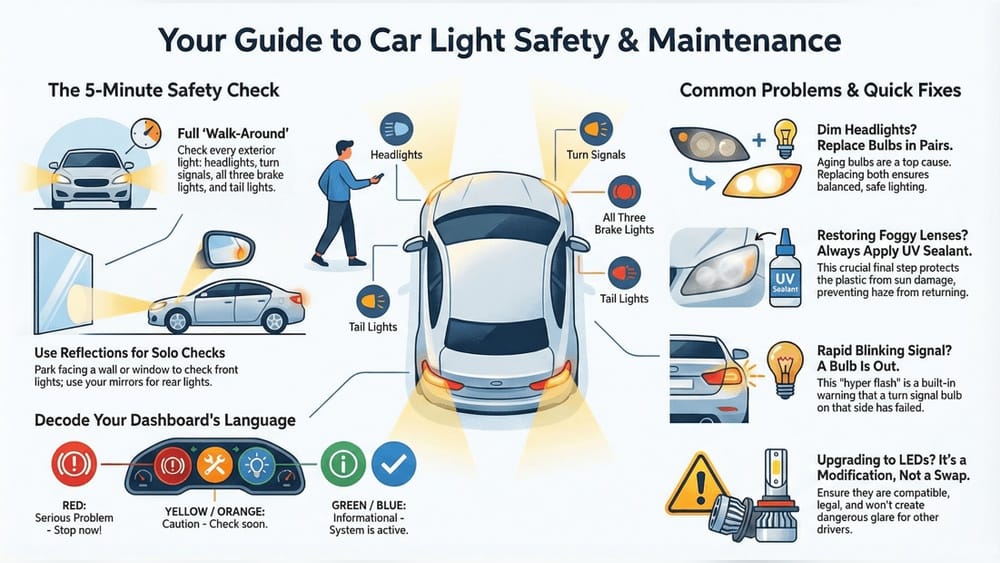
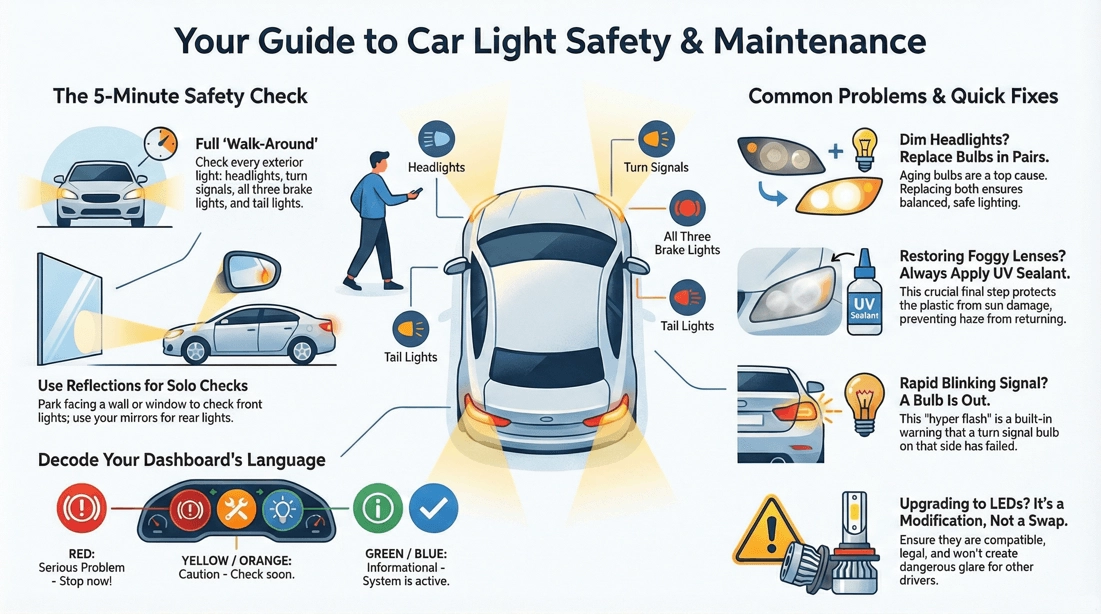
- Symptoms: One side of the car flashes rapidly (hyperflash), or fails to flash at all.
- How it happens: Over time, filament bulbs burn out naturally. LEDs can fail due to moisture intrusion or circuit faults.
- Fix: Replace the faulty bulb with the correct type. Always check both front and rear indicators, as one failed bulb can affect the entire circuit.
Bad Flasher Relay
The flasher relay is an electronic component controlling the on-off cycling of your turn signals and hazards. When it fails, the signals may stop flashing altogether or flash erratically.
- Symptoms: All signals on one or both sides stop flashing, or you hear no clicking sound when activating the signal.
- How it happens: Age, heat, or electrical surges can degrade the relay.
- Fix: Locate the relay (usually in the fuse box) and replace it with a compatible part.
Blown Fuses
A blown fuse interrupts power to the lighting circuit, causing all associated lights to stop functioning.
- Symptoms: Multiple lights, such as turn signals and brake lights, cease to work simultaneously.
- How it happens: Short circuits, overloads, or moisture can cause a fuse to blow.
- Fix: Identify the correct fuse using the owner’s manual, inspect, and replace if necessary.
Faulty Switches
The turn signal or hazard switch can wear out from frequent use or internal corrosion.
- Symptoms: Signals do not activate or only work intermittently.
- How it happens: Physical wear, spilled liquids, or electrical faults.
- Fix: Replace the switch assembly. In some cases, cleaning the contacts may restore function.
Wiring And Socket Issues
Loose connections, corroded sockets, or damaged wiring can disrupt current flow to the lights.
- Symptoms: Intermittent flashing, dim bulbs, or total failure.
- How it happens: Exposure to moisture, vibration, or rodent damage.
- Fix: Inspect connectors and wires for corrosion, breaks, or looseness. Clean or repair as needed.
Comparison Table: Common Causes And Symptoms
| Cause | Typical Symptoms | DIY Fix? |
|---|---|---|
| Blown Bulb | One side not flashing or hyperflash | Yes |
| Bad Flasher Relay | No clicking sound, all signals out | Yes |
| Blown Fuse | Multiple lights not working | Yes |
| Faulty Switch | Intermittent or no response | Sometimes |
| Wiring/Socket Issue | Dim or flickering lights | Sometimes |

Credit: www.superbrightleds.com
Diagnosing The Problem: Step-by-step Guide
Systematic troubleshooting helps avoid unnecessary repairs and quickly pinpoints the issue. Here’s a proven workflow for diagnosing non-flashing car lights.
Visual Inspection
Start with a walk-around inspection:
- Look at all indicator and hazard lights (front and rear) while activating signals.
- Check for burned-out bulbs, broken lenses, or visible moisture inside light housings.
- Inspect wiring near the lights for fraying or corrosion.
Check The Bulbs
- Remove and inspect each bulb. A dark filament or clouded glass indicates failure.
- For LED lights, check for any segments that don’t illuminate.
- Replace bulbs with the correct type and wattage specified in your owner’s manual.
Test The Flasher Relay
- Listen for the relay’s clicking sound when signals are activated.
- If silent, locate the relay (often in the fuse panel under the dashboard).
- Swap with a known-good relay if available, or use a multimeter to test continuity.
Inspect Fuses
- Refer to the vehicle’s fuse diagram (usually on the fuse box cover or in the manual).
- Use a fuse puller or needle-nose pliers to remove and inspect the relevant fuse.
- Replace blown fuses with the same amperage rating.
Check Switch Operation
- Activate the turn signal and hazard switch in both directions.
- If the switch feels loose or fails to stay in position, it may need replacement.
- For steering column-mounted switches, consult a repair manual for safe removal.
Examine Sockets And Wiring
- Gently wiggle sockets and connectors while the lights are on; flickering indicates a loose or corroded connection.
- Look for greenish corrosion, burned plastic, or bent pins.
- Clean with electrical contact cleaner and tighten connectors as needed.
Pro Tip:
Always disconnect the battery before working on wiring or electrical components to avoid shorts and accidental airbag deployment.
Credit: streetsurvival.info
Quick Fixes For Non-flashing Car Lights
Once you’ve diagnosed the cause, many issues can be fixed with a modest investment in time and tools. Here’s how to address the most common problems.
Replacing Burned-out Bulbs
- Purchase the correct bulb type (consult the owner’s manual or auto parts store).
- Access the bulb by removing the lens cover or entering through the trunk or engine bay.
- Install the new bulb, ensuring a snug fit and clean contacts.
Swapping The Flasher Relay
- Remove the old relay from the fuse box or relay panel.
- Insert the new relay, matching the pin configuration exactly.
- Test the signals and hazards to confirm operation.
Installing A New Fuse
- Replace only with the same amperage-rated fuse (printed on the fuse and in the manual).
- Never substitute with a higher-rated fuse, as this can cause wiring damage or fire.
Cleaning Or Replacing Sockets
- Use a small wire brush or contact cleaner to remove corrosion from sockets.
- If the socket is damaged or burned, replace it entirely.
- Apply dielectric grease to prevent future corrosion.
Repairing Or Replacing Switches
- For basic models, switches may be accessible with a screwdriver.
- Complex assemblies may require removing the steering wheel, consult a repair manual and consider professional help.
- Test the new switch thoroughly before reassembly.
Addressing Wiring Issues
- Repair frayed wires using solder and heat-shrink tubing for a durable fix.
- Replace damaged sections with OEM-grade wire and connectors.
- Secure loose wires with zip ties to prevent future wear.
Example: Diy Flasher Relay Replacement
When my own 2012 sedan’s turn signals stopped working, I traced the issue to a failed flasher relay. After sourcing an OEM relay and swapping it in the fuse box (a 10-minute job), the problem was instantly solved, no special tools required.
This underlines the value of starting with the simplest solutions first.
When To Seek Professional Help
While many car light issues are DIY-friendly, some problems require a trained eye or specialized equipment. Here’s how to know when it’s time to visit a mechanic.
Persistent Electrical Issues
If, after replacing bulbs, relays, and fuses, your lights still refuse to flash, the problem may lie deeper in the vehicle’s wiring harness or body control module. Diagnosing these components often requires advanced diagnostic tools not available to most DIYers.
Error Codes And Warning Lights
Many modern vehicles display dashboard warnings or store error codes when lighting circuits malfunction. A professional scan tool can retrieve these codes and pinpoint the affected system.
Complex Switch Or Module Replacement
Steering column switches, integrated lighting modules, and CAN bus systems are intricate and may involve airbag removal or reprogramming. Incorrect repairs can compromise safety.
Water Intrusion And Severe Corrosion
If you discover significant rust, water pooling inside lens housings, or widespread corrosion, a professional assessment can prevent further electrical damage or costly future repairs.
Insurance Or Warranty Considerations
If your vehicle is under warranty, or if insurance may cover repair costs (such as after an accident), always consult a certified shop to preserve your coverage.
Example: Diagnosing A Can Bus Fault
A 2018 SUV experienced intermittent lighting failures despite new bulbs and fuses. A technician traced the issue to a faulty body control module connected to the car’s CAN bus network, a repair only possible with factory-level diagnostics and software.
Preventative Maintenance To Avoid Future Flashing Light Failures
Proactive care can greatly extend the lifespan of your vehicle’s lighting system and reduce the likelihood of sudden malfunctions. Here’s how to keep your lights reliable.
Regular Bulb And Lens Inspections
- Check all exterior lights monthly, especially before long trips or safety inspections.
- Clean lenses with automotive polish to remove haze and improve visibility.
Keep Connections Clean And Dry
- Apply dielectric grease to bulb sockets and connectors to repel moisture.
- Inspect for signs of water intrusion after heavy rain or car washes.
Replace Components In Pairs
- If one bulb fails, consider replacing both (left and right) to ensure even brightness and reduce repeated labor.
- The same goes for relays and fuses in critical circuits.
Monitor Electrical Loads
- Avoid installing high-wattage aftermarket bulbs without checking your vehicle’s electrical capacity.
- Overloading circuits can cause fuses to blow or wiring to overheat.
Address Warning Signs Promptly
- Flickering, dimming, or intermittent operation is often an early sign of a developing problem.
- Early intervention can prevent more expensive repairs down the line.
Example: Fleet Maintenance Strategy
Commercial vehicle fleets often implement scheduled lighting checks, replacing bulbs and cleaning connectors every 10,000 miles. This not only reduces downtime but also improves safety and reduces liability.
Modern Car Lighting Systems: Special Considerations
As automotive technology advances, so does the complexity of lighting systems. Modern vehicles often require additional attention when troubleshooting flashing light issues.
Led And Xenon Light Systems
- LEDs last longer but can fail due to driver circuitry or water ingress.
- Xenon (HID) lights use ballasts, failure of these components can mimic bulb failure.
Smart Lighting And Can Bus Integration
- Many new vehicles use a CAN bus (Controller Area Network) to manage lighting and communicate failures to the dashboard.
- Incorrectly replacing bulbs with non-compatible LEDs can trigger error codes or hyperflash.
Adaptive And Sequential Indicators
- Some high-end models feature sequential or adaptive turn signals, with multiple LEDs controlled by microprocessors.
- Repairs may require dealer-level diagnostics or software updates.
Retrofits And Aftermarket Upgrades
- When upgrading to LED or HID, always use CAN bus-compatible kits and add resistors where needed to prevent hyperflash or error messages.
- Improper installation can cause fuses to blow or relays to malfunction.
Comparison Table: Traditional Vs Modern Lighting Systems
| Feature | Traditional (Halogen/Incandescent) | Modern (LED/Xenon/CAN Bus) |
|---|---|---|
| Lifespan | 1-2 years (typical) | 5-10 years (LED), 2-5 years (Xenon) |
| Common Failures | Bulb burn-out, relay failure | Driver circuit, ballast, software faults |
| Repair Complexity | Low | Medium to High |
| DIY Friendly | Yes | Sometimes |
Safety And Legal Implications Of Non-flashing Car Lights
Beyond inconvenience, malfunctioning car lights carry significant safety and legal risks. Understanding these consequences underscores the urgency of prompt repairs.
Increased Accident Risk
- Non-functioning indicators or hazards reduce your ability to communicate with other drivers.
- According to the National Highway Traffic Safety Administration (NHTSA), failure to signal or signal malfunctions contribute to thousands of accidents annually (NHTSA).
- Rear-end and side-swipe collisions are more likely when brake and turn signals are inoperative.
Legal Penalties
- Driving with faulty signals or hazard lights is a traffic violation in most jurisdictions.
- Penalties can include fines, points on your license, and in severe cases, vehicle impoundment.
- During annual inspections, non-functional lights are a common reason for failure.
Insurance And Liability
- In an accident, non-working lights can be deemed contributory negligence, affecting insurance claims.
- Commercial operators face increased liability if lighting systems are not properly maintained.
Example: Legal Consequences
A driver in California was cited for non-operational turn signals after a minor collision. The lack of functioning indicators was noted as a contributing factor, resulting in both a traffic fine and reduced insurance payout.
Real-world Case Studies: Diagnosing And Fixing Flashing Light Failures
Examining real-world cases provides practical insight into common problems and solutions.
Case Study 1: Hyperflash After Bulb Replacement
A 2015 sedan owner replaced a burned-out turn signal bulb with an aftermarket LED. The result was rapid flashing (hyperflash) on the dashboard. The fix involved installing a resistor inline with the LED to mimic the original bulb’s resistance, immediately restoring normal operation.
Case Study 2: Corrosion In Socket Leads To Intermittent Failure
A pickup truck owner experienced intermittent signal failure on the left rear side. Inspection revealed greenish corrosion inside the bulb socket caused by road salt exposure. Cleaning the contacts and applying dielectric grease resolved the issue.
Case Study 3: Water Intrusion Triggers Electrical Short
After a heavy rainstorm, a hatchback’s hazard lights would not function. Investigation found water pooled inside the rear lens, shorting the bulb terminals. The owner replaced the lens gasket and dried the housing, preventing future failures.
Frequently Asked Questions
What Should I Do If My Car’s Indicators Stop Working Suddenly While Driving?
If your indicators fail while driving, use hand signals to indicate turns and lane changes as required by law. Pull over safely as soon as possible to check for visible issues like burned-out bulbs or loose connections. If the problem cannot be immediately fixed, drive with extra caution and seek repairs at the earliest opportunity.
Can I Use Led Bulbs As Direct Replacements For Halogen Indicator Bulbs?
You can use LED bulbs as replacements, but many vehicles require CAN bus-compatible LEDs or external resistors to prevent hyperflash or error messages. Always check your vehicle’s compatibility and local regulations regarding aftermarket lighting modifications.
How Do I Know If The Flasher Relay Is Bad Or If It’s A Wiring Issue?
If none of the turn signals or hazards work and there’s no clicking sound, a bad relay is likely. If only one side or certain lights are affected, or if lights flicker when you wiggle wires, the issue is probably with the wiring or sockets.
Swapping the relay with a known-good unit can help isolate the problem.
Are Non-flashing Hazard Lights A Reason For Inspection Failure?
Yes, in most US states, hazard lights are required to pass annual vehicle inspections. Non-flashing hazard lights can result in a failed inspection and must be repaired before the vehicle is deemed roadworthy.
What Are The Signs Of A Failing Indicator Switch Versus A Bulb Problem?
A failing switch may cause all indicators on one side to stop working, signals to function intermittently, or the lever to feel loose. Bulb problems usually cause only one light to fail or flash rapidly (hyperflash) but do not affect the physical feel of the switch.
Taking the time to diagnose and repair non-flashing car lights ensures your safety, keeps you compliant with the law, and saves money on avoidable tickets or accidents. With a mix of basic troubleshooting and preventative care, most drivers can resolve these issues quickly and confidently. For complex or persistent problems, don’t hesitate to consult a professional or reference reputable resources like Haynes Manuals. Safe driving starts with functional, visible lights, don’t leave your safety in the dark.
Products related to this article
Sponsored / affiliate links. As an Amazon Associate I earn from qualifying purchases. I may earn additional commission from eligible campaigns.
 Yielinth Underglow Kit, RGB-IC Under Car Lights With Dream Color Dancing Chasing, 213 Scene Modes, App and Remote Control, 5 Music Modes LED Lights for All Cars
 Jushope Car LED Lights, Interior Car Lights with Wireless APP/RF Remote/Button Control, Car Ambient Lighting Kit with 315" Integrated Molding Fiber Optic RGB Sync to Music (6 in 1-USB)