How to Brake a Car Properly for Safety And Longer Pad Life
Braking is one of the most critical aspects of safe driving, yet it’s often overlooked until a problem arises. Whether you’re navigating city traffic, descending steep mountain passes, or cruising on highways, knowing how to brake a car properly can be the difference between avoiding an accident and risking your safety. Beyond just stopping the vehicle, proper braking techniques extend the life of your brake pads, saving you money and reducing environmental waste. Many drivers unknowingly adopt habits that degrade their braking system, leading to premature wear, costly repairs, and unsafe driving conditions.
Modern vehicles are equipped with advanced braking systems, but the fundamentals remain vital. From understanding the mechanics of brakes to mastering real-world application, this comprehensive guide explores the science and art of effective braking. You’ll discover actionable tips, practical examples, and expert insights to help you drive safer and smarter—while maximizing the lifespan of your brake pads.
Whether you’re a new driver or a seasoned motorist, the strategies detailed here will empower you to make every stop safer and more efficient.
Key Takeaways
- Proper braking technique improves safety and extends brake pad life.
- Gradual, controlled braking is more effective than abrupt stops.
- Awareness of road conditions and vehicle load impacts braking efficiency.
- Regular maintenance and inspection prevent brake system failures.
- Advanced braking systems require specialized handling and knowledge.

Credit: driving.ca
Understanding Brake Systems And Pad Wear
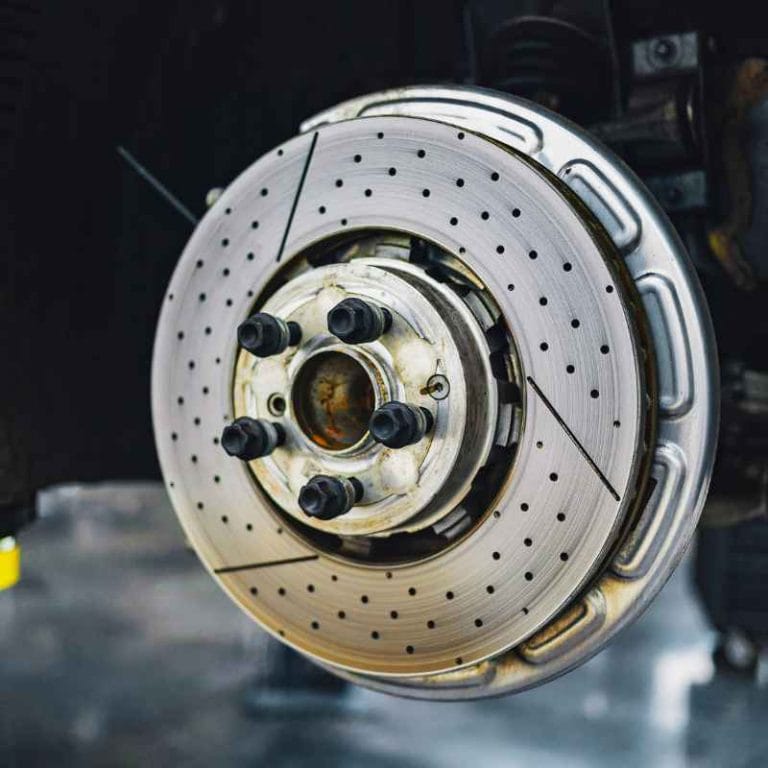
An effective braking technique starts with an understanding of your vehicle’s brake system and how pad wear occurs. Brakes convert kinetic energy into heat through friction, slowing down or stopping the car. Most passenger vehicles use disc brakes with brake pads pressing against a rotor, while some older models use drum brakes.
Disc Vs. Drum Brakes
Disc brakes are favored for their consistent performance and superior heat dissipation. Drum brakes, though less common, are typically found on rear wheels of economy vehicles. The following table compares key features:
| Feature | Disc Brakes | Drum Brakes |
|---|---|---|
| Heat Dissipation | Excellent | Poor |
| Stopping Power | High | Moderate |
| Maintenance | Easy | Challenging |
| Pad Wear Rate | Lower | Higher |
| Cost | Higher | Lower |
Disc brakes have become the standard for most new passenger vehicles because they are less prone to “brake fade,” a condition where brakes lose effectiveness due to overheating. This is particularly important for drivers who frequently travel in hilly or mountainous areas, or those who drive heavier vehicles.
Drum brakes, while less expensive, are more likely to accumulate moisture and debris, which can lead to inconsistent braking performance, especially in wet conditions. However, their lower cost and simpler design make them suitable for the rear wheels in budget-friendly vehicles where the demand for maximum stopping power is less.
Brake Pad Materials
Brake pads are made from several materials, each affecting performance and longevity:
- Organic: Quiet, inexpensive, but wear faster. Made from fibers, resins, and fillers, they are gentle on rotors and ideal for daily commuting in mild climates.
- Semi-metallic: Good balance, moderate wear rate. Composed of metal fibers, these pads offer better heat resistance and stopping power, making them a popular choice for a wide range of vehicles, including performance cars and trucks.
- Ceramic: Long-lasting, excellent performance, higher cost. Ceramic pads produce less dust, operate quietly, and provide consistent performance across a wide temperature range. They are typically found in higher-end vehicles or as aftermarket upgrades for drivers seeking longevity.
In addition to these common types, some specialty pads exist for racing or heavy-duty applications. Selecting the right brake pad material should consider your driving style, vehicle type, and local climate. For instance, drivers in mountainous areas may benefit more from semi-metallic pads due to their superior heat dissipation, while urban drivers seeking quiet operation might prefer organic or ceramic pads.
How Pad Wear Occurs
Brake pad wear is primarily caused by friction and heat. Every time you press the brake pedal, the pads clamp onto the spinning rotor (or drum), converting kinetic energy into thermal energy. Over time, this friction erodes the pad material, gradually thinning it until replacement is necessary.
Factors influencing wear include:
- Driving habits (aggressive vs. cautious): Frequent hard braking accelerates pad wear, while smooth, anticipatory braking extends life.
- Vehicle load: Heavier vehicles or those carrying heavy cargo require more braking force, increasing pad wear.
- Road conditions: Stop-and-go city driving, hilly terrain, and rough roads all demand more from your brakes than steady highway cruising.
- Pad material: As detailed above, some materials are engineered for longevity, while others prioritize quiet operation or initial bite.
According to the National Highway Traffic Safety Administration (NHTSA), aggressive driving can reduce pad life by up to 50%. Consistent, gentle braking can mean the difference between replacing your pads every 25,000 miles versus every 70,000 miles. Regular inspection is vital for safety and cost control (NHTSA).
Principles Of Safe And Efficient Braking
Mastering the principles of safe and efficient braking not only protects you and others but also prolongs the life of your brake pads. Safe braking is a combination of technique, anticipation, and environmental awareness.
Gradual Vs. Abrupt Braking
Gradual braking allows the car to decelerate smoothly, minimizing stress on the pads and rotors. It disperses heat more evenly, reducing the likelihood of warping rotors or causing brake fade—an issue especially prevalent in high-speed or downhill braking scenarios.
Abrupt braking, especially at high speeds, generates excessive heat and friction, accelerating pad wear and increasing the risk of skidding. This is particularly dangerous on slick or uneven surfaces, where sudden weight transfer can result in loss of control.
- Gradual braking: Reduces pad temperature, preserves performance, increases passenger comfort, and decreases the likelihood of rear-end collisions.
- Abrupt braking: Causes rapid pad degradation, potential loss of control, and can trigger ABS unnecessarily, wearing out system components.
Anticipating Stops
Anticipating stops—such as traffic lights or intersections—enables you to apply brakes early and gently. This technique not only saves your brake pads but also improves your overall situational awareness, giving you more time to react to unexpected events like a child running into the street or a car suddenly changing lanes.
- Watch for traffic signals, brake lights ahead, and congestion.
- Begin braking well before your stopping point, allowing you to use minimal pedal pressure and maintain a buffer zone around your vehicle.
Professional driving instructors emphasize the importance of “reading the road” to anticipate potential hazards and slowdowns, resulting in a smoother, safer ride.
Maintaining Safe Following Distance
A safe following distance gives you ample time to brake smoothly. The three-second rule is widely recommended: maintain at least three seconds between your car and the vehicle in front, increasing to five seconds in wet or icy conditions (NHTSA Driver Safety Report).
To calculate this: when the car ahead passes a fixed object (like a signpost), count the seconds until you reach the same point. If you reach it before three seconds, increase your distance. Safe following distances not only reduce crash risk but also decrease the need for abrupt braking, promoting pad longevity.
Using Engine Braking
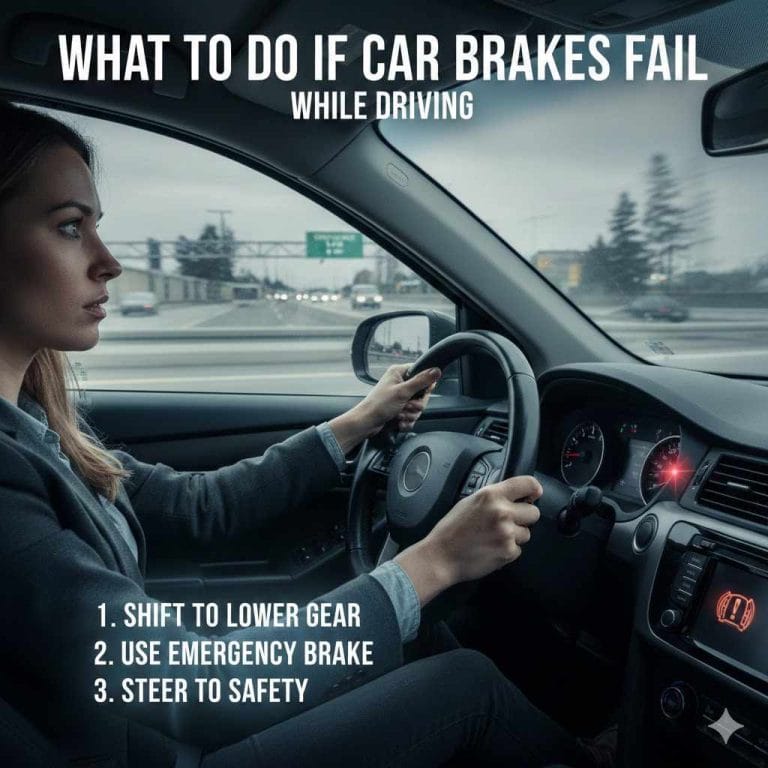
Engine braking, or downshifting to slow the vehicle, reduces reliance on brake pads. This is especially useful on long descents or when approaching sharp turns. By shifting to a lower gear, your engine helps slow the car, reducing the load and heat on your brakes.
- Shift to a lower gear as appropriate, especially on steep grades or when descending long hills.
- Avoid over-revving the engine; modern vehicles often have systems to prevent this, but always consult your owner’s manual.
Engine braking is commonly used by commercial drivers and in motorsport, but it’s also practical for daily driving, especially in hilly areas or during extended braking situations.
Real-world Example: City Traffic Vs. Highway Driving
In a 2019 study by AAA, city drivers replaced brake pads 30% more often than highway drivers, due to frequent stop-and-go traffic (AAA). This highlights the value of smooth, anticipatory driving in urban environments. For example, a commuter who learns to coast to stops and maintain safe gaps in traffic can dramatically extend pad life, saving both time and money.

Credit: discoveryparts.com
Techniques For Braking In Various Conditions
Different driving conditions demand different braking strategies. Understanding how to adapt your technique ensures safety and optimizes pad longevity. Let’s explore best practices for the most common scenarios.
Wet And Icy Roads
On wet or icy roads, braking requires extra caution:
- Increase following distance to at least five seconds, as stopping distances can more than double in slippery conditions.
- Apply brakes gently, avoiding sudden pressure, which can cause wheels to lock and the vehicle to skid.
- Use ABS (Anti-lock Braking System) if available; ABS will pulse the brakes for you, allowing you to maintain steering control while braking hard.
ABS prevents wheel lockup, allowing you to maintain steering control. According to Consumer Reports, ABS reduces stopping distance by 20% in slippery conditions (Consumer Reports).
Additional tips for wet and icy conditions:
- Test your brakes gently after driving through deep water to ensure they are working properly.
- In snow, consider “threshold braking”—applying firm, steady pressure up to the point where the wheels nearly lock, then modulating as needed (if your vehicle lacks ABS).
- Always clear your vehicle of ice and snow before driving to avoid impaired vision or sudden loss of control.
Mountain Descents
Descending steep grades can overheat brakes, leading to “brake fade.” Key techniques include:
- Use engine braking by selecting a lower gear before you begin your descent.
- Brake intermittently—apply brakes for a few seconds, then release to allow them to cool. This “snub braking” method helps prevent overheating.
- Avoid continuous pedal pressure, which can cause brakes to lose effectiveness.
- Check for signs of overheating, such as a burning smell or reduced braking power. If this occurs, pull over and allow the brakes to cool.
Professional truck drivers are trained to use “Jake brakes” (engine brakes) on long descents, but the principle applies to all vehicles. Proper technique can mean the difference between a safe descent and a runaway vehicle.
Heavy Loads And Towing
Carrying heavy loads or towing increases momentum and stopping distance. To brake safely:
- Start braking earlier than usual, giving yourself extra room to stop.
- Use lower gears to help control speed on descents.
- Monitor brake temperature, especially if you notice a loss of braking power or a burning smell.
- Consider upgrading to heavy-duty or high-performance brake pads if you regularly tow or carry heavy loads.
Heavier vehicles require more braking force, so it’s crucial to be vigilant and adjust your braking habits accordingly. Many accidents involving trucks or trailers are caused by underestimating stopping distances.
Emergency Braking
In emergencies, maximize stopping power while maintaining control:
- Press the brake pedal firmly and quickly.
- Use ABS for optimal steering ability; do not release the pedal even if you feel vibration or hear noise from the system.
- Steer around obstacles if needed—ABS allows you to maintain directional control while braking hard.
Practicing emergency stops in a safe, controlled environment (like an empty parking lot) can help you react appropriately under real-world conditions.
Case Study: Abs Saves Lives
In a real-world incident documented by the Insurance Institute for Highway Safety (IIHS), a driver avoided a multi-car pileup by using ABS to steer and stop safely (IIHS). The driver’s ability to maintain control and avoid obstacles demonstrates the life-saving potential of modern braking technology when used correctly.
Credit: www.trodo.com
Maximizing Brake Pad Life: Maintenance And Habits
Extending brake pad life involves a combination of routine maintenance and smart driving habits. The average brake pad lifespan ranges from 25,000 to 70,000 miles, but this can vary dramatically with usage.
Regular Inspection
Inspect brake pads and rotors every 10,000 miles or during oil changes. Look for:
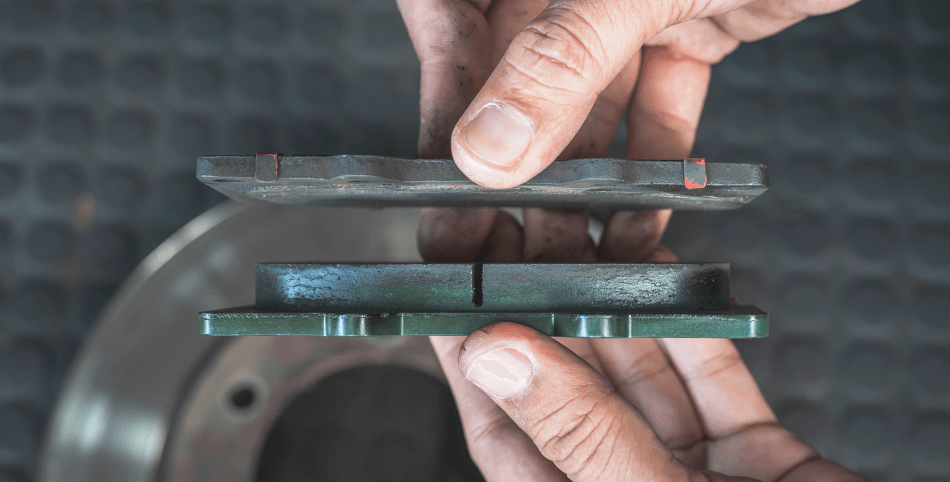
- Thickness of pad material (replace if <3mm). Many pads have built-in wear indicators that squeal when the pad is low.
- Uneven wear, which may indicate issues with calipers or suspension.
- Rotor grooves or scoring, which can increase pad wear and reduce braking effectiveness.
Ignoring these warning signs can lead to dangerous situations or costly repairs. Some vehicles are equipped with electronic wear sensors that alert you when replacement is needed.
Fluid Checks
Brake fluid transmits force to the brakes. Low or contaminated fluid reduces effectiveness and accelerates pad wear. Top up fluid as needed and replace every 2 years, or as specified in your owner’s manual.
Brake fluid is hygroscopic, meaning it absorbs moisture from the air. Over time, this can lower its boiling point, increasing the risk of brake fade. Regular replacement ensures consistent performance and helps prevent corrosion in the brake system.
Wheel Alignment And Tire Maintenance
Improper alignment increases uneven pad wear. Misaligned wheels can cause one side of the brake system to work harder, resulting in premature failure. Ensure tires are correctly inflated and rotated regularly to maintain even contact with the road.
Proper tire maintenance also improves fuel efficiency and handling, contributing to overall vehicle safety.
Avoiding Overloading
Excess weight stresses brakes, especially on SUVs and trucks. Remove unnecessary cargo and follow manufacturer load recommendations. Overloading not only accelerates brake wear but can also compromise vehicle handling and tire integrity.
If you frequently carry heavy loads, consider upgrading to performance brake components designed for higher stress environments.
Habits That Extend Pad Life
Adopt these habits for longer-lasting brakes:
- Coast before braking by lifting your foot off the accelerator and allowing the car to slow naturally.
- Avoid unnecessary stops by planning your route and timing traffic lights.
- Use engine braking where possible, especially on long descents.
- Maintain safe speeds and increase following distance in heavy traffic or adverse weather.
Small changes in driving style can lead to significant cost savings and enhanced safety over the life of your vehicle.
Comparison Table: Brake Pad Lifespan By Habit
| Driving Habit | Average Pad Lifespan (miles) | Pad Replacement Frequency |
|---|---|---|
| Aggressive braking | 20,000–30,000 | High |
| Moderate driving | 40,000–60,000 | Medium |
| Smooth, anticipatory braking | 60,000–80,000 | Low |
This table illustrates the substantial impact of driving style on brake pad expenses. For a vehicle driven 15,000 miles per year, smooth drivers may go 5 years between replacements, while aggressive drivers could need new pads annually.
Real-world Example: Fleet Vehicle Maintenance
A logistics company reduced brake pad replacement costs by 40% after implementing smooth braking training for drivers. This translated to $50,000 in annual savings and improved vehicle safety. The company also reported fewer accidents, reduced downtime, and improved employee satisfaction, as smoother driving contributed to a more comfortable ride.
Advanced Braking Technologies And Their Impact
Modern vehicles often include advanced braking features that enhance safety and efficiency. Understanding these systems is crucial for proper use and maintenance.
Anti-lock Braking System (abs)
ABS prevents wheels from locking, reducing skidding and maintaining steering control. To use ABS effectively:
- Apply firm, continuous pressure.
- Do not pump the brakes.
ABS-equipped vehicles have a 31% lower risk of fatal accidents, according to a study by the European Transport Safety Council (ETSC) (ETSC). The system is especially beneficial in wet, icy, or panic-stop situations.
Some drivers mistakenly pump the brakes in an ABS-equipped vehicle, reducing the system’s effectiveness. Instead, let the system do its job by holding the pedal down and steering as needed.
Electronic Brake-force Distribution (ebd)
EBD adjusts brake force between front and rear wheels based on load and road conditions, improving stability. Drivers benefit by:
- Maintaining control during heavy braking, especially when carrying passengers or cargo.
- Reducing uneven pad wear, which can occur when one axle does more work than the other.
EBD works in tandem with ABS and is invisible to the driver, but it plays a significant role in modern vehicle safety.
Brake Assist
Brake Assist detects emergency stops and applies maximum force, helping drivers who hesitate in crisis situations. Studies show that many drivers do not press the brake pedal hard enough in emergencies; Brake Assist compensates for this delay, reducing stopping distances and improving outcomes in critical situations.
Regenerative Braking (hybrid And Electric Vehicles)
Regenerative braking converts kinetic energy into electricity, reducing pad wear. In electric vehicles, brake pads last up to 100,000 miles, according to Tesla’s maintenance guide (Tesla). This technology not only extends pad life but also improves energy efficiency and reduces overall vehicle emissions.
Regenerative braking is especially effective in stop-and-go traffic, where frequent deceleration is common. Some EVs allow drivers to adjust the level of regenerative braking for a customized driving experience.
Example: Hybrid Car Braking
A 2026 fleet study found that hybrid vehicles using regenerative braking replaced pads 60% less frequently than traditional models, resulting in substantial maintenance savings. Drivers also reported smoother braking and increased confidence in vehicle reliability.
Common Braking Mistakes And How To Avoid Them
Many drivers develop habits that compromise safety and accelerate brake wear. Recognizing and correcting these mistakes is essential.
Riding The Brakes
Continuous pedal pressure, especially on descents, overheats the system and causes “glazing,” reducing friction. Glazed pads and rotors become shiny and hard, leading to a noticeable decrease in stopping power and often requiring replacement.
- Use intermittent braking to allow brakes to cool between applications.
- Rely on engine braking as much as possible, especially on long hills or in heavy traffic.
Pumping Brakes With Abs
Older advice to “pump the brakes” is outdated. ABS systems require steady pressure. Pumping the brakes in an ABS-equipped vehicle can lengthen stopping distances and defeat the purpose of the system.
- Press pedal firmly and hold. Let the ABS system pulse the brakes for you.
Late Braking
Braking late at intersections or stops forces rapid deceleration, increasing wear and risk. It also surprises other drivers and can lead to rear-end collisions.
- Begin braking early, allowing time for gradual deceleration.
- Monitor traffic patterns and adjust speed accordingly.
Neglecting Brake Maintenance
Ignoring warning signs—such as squealing, grinding, or vibration—can lead to brake failure. These sounds often indicate worn pads or damaged components.
- Schedule regular inspections, especially if you notice performance changes.
- Address issues promptly to avoid more extensive and expensive repairs.
Case Study: Avoiding Costly Repairs
A driver ignored squealing brakes for months, resulting in rotor damage and a $600 repair bill. Early intervention would have limited costs to $150 for pad replacement. This underscores the importance of prompt maintenance and attention to warning signs.
Braking Techniques For Different Vehicle Types
Different vehicles require unique braking approaches. Understanding these distinctions ensures safety and extends pad life.
Passenger Cars
- Use gradual, anticipatory braking for maximum control and comfort.
- Maintain safe following distance, especially in traffic.
Suvs And Trucks
- Account for heavier weight and longer stopping distance. Larger, heavier vehicles require more time and distance to stop safely.
- Use lower gears on descents to minimize brake load.
- Be especially mindful when towing or carrying heavy loads, as this can double or triple stopping distances.
Sports Cars
- Apply brakes progressively, especially at high speeds. Sports cars are engineered for high performance, but abrupt braking can still upset the vehicle’s balance.
- Utilize advanced braking systems, such as performance ABS and brake force distribution.
Motorcycles
- Apply front and rear brakes simultaneously for balanced stopping power. Most stopping force comes from the front brake, but overusing it can cause the front wheel to lock.
- Avoid sudden pressure to prevent skidding or loss of control, especially in wet conditions.
- Regularly inspect brake pads and fluids, as motorcycles have smaller, more exposed systems than cars.
Comparison Table: Stopping Distance By Vehicle Type
| Vehicle Type | Stopping Distance (60–0 mph) | Braking Technique |
|---|---|---|
| Passenger car | 120–140 ft | Gradual, anticipatory |
| SUV/truck | 150–180 ft | Early, firm |
| Sports car | 100–120 ft | Progressive, high performance |
| Motorcycle | 110–130 ft | Balanced, dual brake |
These distances are averages and can vary based on vehicle condition, weather, and driver reaction time. Understanding your vehicle’s capabilities is essential for safe operation.
Real-world Example: Truck Fleet Training
A construction company reduced accident rates by 25% after retraining drivers on proper braking for heavy vehicles, emphasizing early braking and load management. The program also resulted in fewer insurance claims and lower overall fleet maintenance costs.
Environmental And Economic Benefits Of Proper Braking
Proper braking not only improves safety and pad life—it also benefits the environment and your wallet.
Reduced Waste
Brake pad manufacturing and disposal contribute to environmental pollution. Extended pad life reduces waste and resource consumption, decreasing the environmental impact of your vehicle. This is particularly important as cities and countries strive to reduce automotive waste and promote sustainability.
Lower Maintenance Costs
Longer-lasting pads mean fewer replacements, saving hundreds of dollars per vehicle annually. Fleet operators and individual drivers alike can see substantial savings by adopting proper braking techniques and maintenance habits.
Improved Fuel Efficiency
Smooth braking reduces energy loss, improving fuel economy by up to 10%, according to the US Department of Energy (DOE). This is because less energy is required to re-accelerate after a stop, and less heat is wasted during braking.
Case Study: Urban Commuter Savings
A commuter who adopted smooth braking habits saved $200 per year in brake maintenance and improved fuel efficiency, reducing annual CO2 emissions by 400 pounds. Over a five-year period, this amounts to a significant financial and environmental benefit.
Frequently Asked Questions
What Is The Best Way To Brake For Maximum Pad Life?
The best way to maximize pad life is to brake gradually, anticipate stops, and avoid unnecessary hard braking. Using engine braking where appropriate and maintaining safe following distances also reduces pad wear. Additionally, regular maintenance and prompt attention to warning signs will help you get the most from your brakes.
How Often Should Brake Pads Be Inspected?
Brake pads should be inspected every 10,000 miles or during routine oil changes. Check for thickness (<3mm), uneven wear, and any signs of damage or noise. Many service centers will check brake condition during scheduled maintenance, but it’s wise to ask for a specific inspection if you notice any performance changes.
Does Using Abs Change How I Should Brake?
Yes. With ABS, apply firm, continuous pressure to the brake pedal in emergencies. Do not pump the brakes, as ABS systems automatically modulate pressure to prevent lockup. Always allow the system to do its job, and practice emergency stops in a safe area if you’re unfamiliar with the sensation.
Can Driving Habits Really Affect Brake Pad Lifespan?
Absolutely. Aggressive driving—including abrupt stops and riding the brakes—can cut pad lifespan in half. Smooth, anticipatory braking significantly extends pad life and improves safety. Simple changes in technique can save hundreds of dollars and reduce your risk of accidents.
Is Engine Braking Safe For All Vehicles?
Engine braking is safe for most vehicles, especially on descents or in stop-and-go traffic. However, avoid over-revving the engine and consult your owner’s manual for specific recommendations. Modern automatic transmissions often feature “manual” modes or engine braking settings to assist with this technique.
Safe braking is not just a skill—it’s a responsibility. By understanding your vehicle’s braking system, mastering effective techniques, and adopting smart habits, you can protect yourself and others on the road. Proper braking extends pad life, reduces maintenance costs, and contributes to a cleaner environment.
Whether navigating city streets or mountain highways, the strategies in this guide will help you drive safer and smarter for years to come.
Products related to this article
Sponsored / affiliate links. As an Amazon Associate I earn from qualifying purchases. I may earn additional commission from eligible campaigns.