When Can You Plug a Tire? What Mechanics Won’T Tell You
Every driver dreads the sudden thump or warning light that means a tire has picked up a nail, screw, or shard of glass. A flat tire doesn’t just disrupt your plans—it can also put you in a tough financial spot. The burning question for most is: Can this tire be plugged, or does it need to be replaced? Unfortunately, what mechanics won’t always tell you is that plugging a tire isn’t as straightforward as it sounds. There are critical limitations, safety concerns, and even some industry secrets that are rarely shared with consumers.
In reality, knowing when you can safely plug a tire—and when you absolutely shouldn’t—can mean the difference between a quick, inexpensive fix and a dangerous blowout on the highway. With tire repair shops offering different recommendations and online forums full of conflicting advice, it’s essential to cut through the noise. This guide offers a data-driven, expert-backed look at when you can plug a tire, the hidden truths mechanics may skip, and how to make the smartest, safest decision for your vehicle.
Key Takeaways
- Tire plugs are only safe for certain puncture types and locations; improper use risks catastrophic failure.
- Most mechanics won’t tell you that plugging is often a temporary fix and should be combined with a patch for long-term safety.
- You should never plug sidewall damage, large holes, or old/aged tires.
- Some shops recommend replacements due to liability, not always necessity.
- Understanding DOT regulations and tire manufacturer guidelines is critical for safe repairs.
- Real-world data shows that a proper plug-and-patch repair can restore tire integrity in many cases.
Understanding Tire Plugs: What Are They And How Do They Work?
What Is A Tire Plug?
A tire plug is a short, sticky rubber cord inserted into a tire puncture from the outside. The plug expands to fill the hole, sealing it against air leaks. Plugs are designed for small, round punctures—like those made by nails or screws—in the tread area only.
Key features of tire plugs:
- Made from vulcanized rubber or similar materials.
- Inserted with a special tool without removing the tire from the wheel.
- Intended for temporary or emergency repair.
Modern tire plugs have evolved in design, with some incorporating a combination of synthetic fibers and adhesives to enhance flexibility and resistance to heat. This has marginally improved their durability, but the fundamental limitations remain. For instance, a plug cannot restore internal tire structure; it merely blocks the air path.
This distinction is crucial when considering the long-term safety of the repair.
Plug Vs. Patch: What’s The Difference?
A plug seals the puncture path from the outside, while a patch is glued to the inside of the tire, covering the hole and reinforcing the inner liner. Many professionals recommend a plug-patch combination for maximum safety.
| Repair Type | Location Applied | Durability | Typical Cost | Common Use |
|---|---|---|---|---|
| Plug | Outside (tread) | Temporary/Short-term | $10–$20 | Quick fixes |
| Patch | Inside (tread area) | Long-term | $20–$40 | Professional shops |
| Plug-Patch Combo | Both inside and outside | Best/Long-term | $30–$60 | OEM recommended |
A patch-only repair, while superior to a plug in many respects, is not foolproof. If the puncture channel is not filled, moisture and contaminants can travel along the path, leading to corrosion of steel belts or the breakdown of internal materials. This is why the plug-patch combo is widely endorsed by the industry: the plug fills the path and the patch seals and reinforces the liner, offering a comprehensive solution.
How Plugs Seal A Tire
When a plug is inserted, its sticky surface bonds to the rubber and creates a barrier. This stops air from escaping. However, it doesn’t reinforce the inner liner, which is why plugs alone are considered temporary by most tire manufacturers.
The process of plugging can be completed in minutes, making it popular for roadside emergencies. However, due to the lack of internal inspection, underlying issues like belt separation or sidewall damage can go unnoticed. Some tire shops use advanced diagnostic tools, such as internal cameras or X-rays, to check for hidden damage, but this is not routine for plug-only repairs.
Limitations Of Plug Repairs
- Not suitable for all punctures—location and size matter.
- Doesn’t address internal liner damage.
- Prone to failure if improperly installed or for larger holes.
- Not recommended for high-performance or run-flat tires.
For more technical details, see the Wikipedia entry on tire repair.

Credit: www.youtube.com
When Can You Plug A Tire? The Essential Criteria
Location Of The Puncture
You can only plug a tire if the puncture is in the tread area, away from the sidewall and shoulder.
- Safe to plug: Center of tread, at least 1 inch from sidewall.
- Unsafe to plug: Sidewall, shoulder, or near the tire bead.
The Rubber Manufacturers Association (RMA) and major brands like Michelin and Bridgestone warn that sidewall repairs are unsafe and illegal in many jurisdictions. For more, see Michelin’s official repair guidelines.
Certain tire designs, such as low-profile or run-flat tires, have stricter requirements. Their thinner sidewalls and advanced construction make even minor damage more critical. In some cases, these tires cannot be safely repaired at all, and manufacturers insist on full replacement.
Size And Shape Of The Puncture
- Maximum diameter: 1/4 inch (6 mm) for most passenger tires.
- Shape: Round, clean holes (from nails/screws) are plug candidates.
- Irregular or jagged holes: Not safe for plugs.
Larger or irregular punctures may compromise tire structure, even with a plug. For example, a bolt or a piece of glass often creates an uneven hole with frayed rubber strands, which cannot be reliably sealed. The plug may fall out or allow slow leaks, increasing the risk of a sudden failure.
Condition And Age Of The Tire
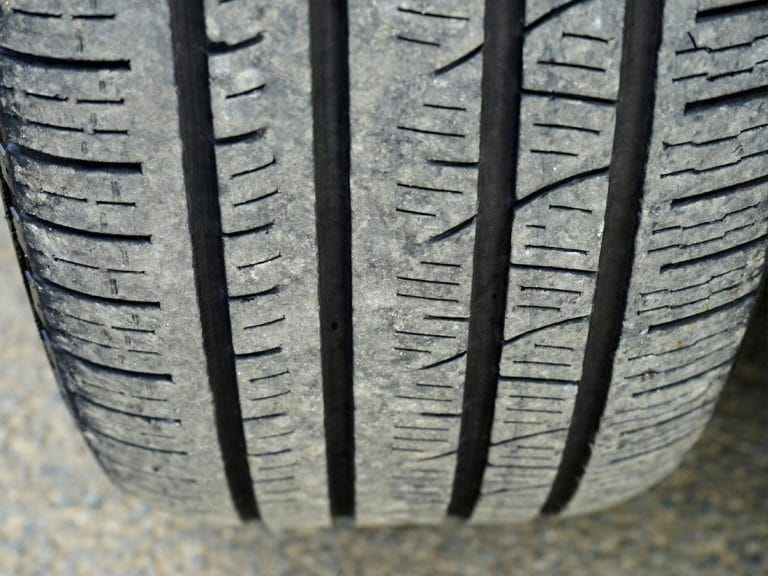
- Tire should be in good condition—no dry rot, cracks, or excessive wear.
- Tires with less than 2/32” tread (legal minimum in the US) should not be plugged.
Plugging an old or damaged tire can lead to hidden failures and rapid air loss.
Aging tires may also have weakened internal construction, making them more susceptible to further damage even after a successful plug. Tires exposed to UV light, ozone, or stored improperly can develop micro-cracks invisible from the outside.
Number And Proximity Of Punctures
- No more than two repairs per tire.
- Punctures must be at least 16 inches apart.
Multiple close punctures weaken the casing and increase blowout risk. In commercial fleet vehicles, industry best practice is to replace tires with more than one repair, regardless of distance, due to the elevated risk profile.
Recent Real-world Example
A 2026 AAA study found that 58% of flat tires could be safely repaired with a plug-patch combo, but only 27% were suitable for plug-only repair due to location and size restrictions (AAA).
Quick Checklist: When Is Plugging Safe?
- Puncture in the center tread, >1” from sidewall
- Hole is 1/4” or smaller, round, and clean
- Tire is not old, cracked, or excessively worn
- No sidewall or shoulder damage
- No more than two existing repairs, spaced apart
If you’re unsure, always consult a qualified tire professional or refer to your tire manufacturer’s guidelines.
Credit: www.reddit.com
What Mechanics Won’t Tell You: Industry Secrets And Liability Concerns
Why Many Shops Refuse To Plug Tires
Many mechanics won’t plug tires even when it seems safe. Here’s why:
- Liability: If a plug fails and causes an accident, the shop could be sued.
- Manufacturer guidelines: Most tire makers recommend patch or plug-patch repairs only.
- Profit margin: Replacing tires is more profitable than repairing them.
- Insurance and regulatory compliance: Some states and insurance policies explicitly prohibit plug-only repairs for certain vehicles.
These factors mean shops may push for replacement or expensive repairs even when a safe plug is possible.
The Temporary Nature Of Plugs
Shops often install plugs but may not tell you that plugs alone are temporary. Industry studies, including those from the National Highway Traffic Safety Administration (NHTSA), show that plug-only repairs are more likely to fail under high-speed or hot conditions.
In addition, the heat generated inside a tire during highway driving can degrade the plug material, leading to slow leaks or sudden deflation. For vehicles that regularly travel at high speeds or carry heavy loads, the risks associated with plug-only repairs are even higher.
Insurance And Warranty Issues
A plugged tire may void the tire warranty or cause problems with insurance claims after an accident. Always check your manufacturer and insurer’s policies.
Some manufacturers have strict documentation requirements for tire repairs. If a plug is not properly recorded or if an unapproved repair is made, they may refuse to honor future claims—even for unrelated issues.
Case Study: Plug Fails After 3,000 Miles
In 2026, a Texas driver had a plug-only repair done on a nearly new tire. Three months later, the plug failed at highway speed, causing a blowout. The shop had not disclosed the repair’s temporary nature, and the tire manufacturer denied warranty coverage.
This scenario highlights the importance of full disclosure and following best practices. Had a plug-patch combination been used, or if the repair had been documented as temporary, the outcome may have been different.
The “patch-only” Myth
Some shops say patching is always better, but without filling the puncture channel (as with a plug), water and debris can enter the tire layers, leading to corrosion and hidden damage. The RMA and major manufacturers recommend a combination repair for optimal safety (Tire Rack).
Additionally, a patch-only repair can leave a weakened puncture path. Over time, flexing and heat cycles can enlarge the hole and eventually lead to patch failure. Always insist on a repair that addresses both the puncture and the inner liner.

Credit: carbuzz.com
How To Identify A Plug-safe Tire Puncture Yourself
Step 1: Locate And Assess The Puncture
- Inspect the tread: Is the hole in the center or near the edge?
- Check for visible signs of damage beyond the hole (cuts, bulges).
- Measure the diameter with a ruler.
Take note if there is any evidence of previous repairs, as multiple repairs in the same area compromise safety. Examine both the exterior and, if possible, the interior of the tire.
Step 2: Test For Leaks
- Inflate the tire to recommended pressure.
- Spray soapy water on the puncture—bubbles indicate a leak.
Listen for hissing sounds and check for slow leaks around the bead and valve stem as well. Sometimes, multiple leaks can occur after hitting debris.
Step 3: Check Tire Age And Condition
- Look for the DOT code—if the tire is over 6 years old, replacement is safest.
- Examine tread depth with a gauge.
Inspect the sidewall for signs of aging: small cracks (weather checking), fading, or dry appearance. Any of these are red flags for replacement rather than repair.
Step 4: Evaluate Sidewall And Shoulder
- Any sidewall flex, cuts, or damage rules out plugging.
- If the puncture is less than 1 inch from the shoulder, don’t plug.
For vehicles with directional or asymmetric tires, be especially careful—some designs have unique shoulder constructions that are more vulnerable to failure.
Quick Reference Table: Plugging Decision Guide
| Criteria | Plug Allowed? | Notes |
|---|---|---|
| Center tread puncture | Yes | 1” from sidewall minimum |
| Sidewall/shoulder puncture | No | Unsafe and illegal |
| Hole ≤ 1/4” diameter | Yes | Round holes only |
| Irregular/large hole | No | Replace tire |
| Old, worn tire | No | Tread <2/32” |
Real-world Example: Diy Plug Success
A driver in Ohio encountered a nail in a nearly new all-season tire, 2” from the sidewall. After confirming the hole was under 1/4”, they installed a plug using a roadside kit. The tire lasted another 18,000 miles without issues—a testament to the safety of proper plugging, when done right.
Professional tire shops often see similar results when the correct procedures are followed. However, DIY repairs require diligence: improper installation, ignoring internal damage, or plugging an ineligible puncture can quickly reverse these positive outcomes.
The Plug And Patch Debate: What’s Best For Long-term Safety?
Industry Standards And Regulations
The US Department of Transportation (DOT) and the Tire Industry Association (TIA) both recommend a plug-patch combination for any on-road repair. Here’s why:
- The plug fills the puncture path and prevents water/debris entry.
- The patch reinforces the inner liner, restoring air retention.
Many states require this method for inspected vehicles. For more, see the TIA’s guidelines.
Internationally, similar standards apply. For example, European regulations set by the ECE (Economic Commission for Europe) also require that any repair addresses both the inner liner and the puncture channel, further underscoring the global consensus on best practices.
Risks Of Using Plugs Alone
- Higher failure rates at speeds over 50 mph.
- Susceptibility to air leaks under high heat or flex.
- Potential for internal tire damage to go unnoticed.
A 2020 study by Consumer Reports found plug-only repairs failed in 18% of cases after 5,000 miles, compared to just 2% for plug-patch combos (Consumer Reports).
Beyond failure rates, plug-only repairs are more likely to result in slow leaks, which may go unnoticed until the tire is severely underinflated—potentially causing uneven wear, poor handling, or even a catastrophic blowout.
Oem Recommendations
Most automakers, including Toyota, Ford, and BMW, require plug-patch repairs to maintain warranty coverage. Check your owner’s manual for specifics.
Some manufacturers even provide their own branded repair kits or endorse specific brands that meet their safety standards. Always look for repairs that are certified or approved by your vehicle’s OEM for peace of mind.
When Is A Plug Acceptable?
- Emergency, low-speed use only (e.g., to get to a repair shop).
- Not for high-speed, long-distance driving.
A plug can be a life-saver when you’re stranded, but it should be seen as a stop-gap, not a permanent fix. Replace or professionally repair the tire as soon as possible.
Comparison Table: Plug Vs Plug-patch Longevity
| Repair Type | Average Mileage to Failure | Typical Repair Cost | Warranty Impact |
|---|---|---|---|
| Plug Only | 5,000–10,000 miles | $10–$20 | May void warranty |
| Plug-Patch Combo | 20,000+ miles | $30–$60 | Usually maintains warranty |
Case Study: Shop Policy On Plug Repairs
A national tire chain in California only installs plug-patch combos, citing a 10-year incident-free record and compliance with state inspection requirements. They report virtually no repeat failures—a testament to the effectiveness of this method.
Their data shows that customers who opted for plug-only repairs were significantly more likely to return for further repairs or experience roadside emergencies, supporting the industry’s shift toward combination repairs.
Risks, Limitations, And Common Mistakes In Tire Plugging
Plugging The Wrong Kind Of Puncture
- Plugging sidewall or shoulder holes can lead to rapid air loss.
- Attempting to plug a gash, tear, or slit is never safe.
This is a common error, especially with DIY kits. The flexibility and thinner construction of the sidewall cannot support the plug, leading to unpredictable failures.
Inadequate Installation
Improperly installed plugs—inserted at the wrong angle, not fully seated, or trimmed incorrectly—are a leading cause of plug failure. Always follow the kit instructions and use quality tools.
Some kits include detailed guides and even video instructions. Investing in a reputable brand, rather than the cheapest option, can make a significant difference in repair quality.
Ignoring Internal Damage
Punctures can damage internal steel belts or fabric plies. If you only plug from the outside, hidden structural issues go unchecked, raising blowout risk.
Some damage may only be visible with the tire removed and inspected from the inside. Professional shops use specialized lighting and inspection tools to check for belt separation, which is a common precursor to catastrophic failure.
Overusing Plugs
Some drivers attempt to plug multiple punctures on the same tire. This is unsafe: each repair slightly weakens the structure.
Tires are engineered for specific load ratings, and repeated repairs alter their capacity to handle stress and flex. If you find yourself repairing the same tire repeatedly, it’s time for a replacement.
Driving On A Flat
Driving even a short distance on a flat tire can destroy the sidewall, making any repair (plug, patch, or combo) unsafe. Always stop and assess damage immediately.
The flexing of an uninflated tire rapidly generates heat, causing irreparable damage to the internal layers. Even if a plug seems to hold, the risk of a blowout remains high.
Real-world Example: Costly Plug Mistake
A rideshare driver in Los Angeles plugged a sidewall puncture to save time. The plug failed within a week, causing a blowout and $800 in body damage. This highlights the false economy of unsafe plug repairs.
Many insurance policies also require proof of proper repair for claims to be honored. A failed DIY repair could result not only in safety issues but also in denied coverage.
How To Plug A Tire Safely: Step-by-step Guide
Tools And Materials Needed
- Tire plugging kit (includes plugs, insertion tool, reamer)
- Pliers (for removing nail/screw)
- Soapy water (for leak check)
- Tire pressure gauge
A high-quality plug kit can be found at most auto parts stores. Some premium kits also include patches and adhesive for combination repairs.
Step 1: Remove The Object
Use pliers to pull out the nail or screw. Mark the puncture location.
If the object is embedded at an angle, try to remove it along the same path to avoid enlarging the hole.
Step 2: Prepare The Hole
Insert the reaming tool (rasp) from the kit to clean and roughen the hole.
Twist the reamer several times to ensure the hole is free of debris. This step is critical for the plug to bond properly.
Step 3: Insert The Plug
Thread the plug through the insertion tool, coat with rubber cement (if included), and push it into the hole until only 1/2” remains outside.
Firm, steady pressure is required. If the plug does not go in smoothly, stop and reassess—forcing it may cause further damage.
Step 4: Trim Excess Plug
Use a knife or scissors to trim the plug flush with the tire surface.
Some mechanics recommend leaving a small amount protruding to allow for settling, but most kits advise trimming to minimize road noise and debris pickup.
Step 5: Inflate And Test
Inflate to recommended pressure. Apply soapy water—if bubbles appear, re-seat the plug.
Check the surrounding area for leaks as well. If you see persistent bubbling, the repair may not be adequate for even temporary use.
Step 6: Monitor Tire Pressure
Check pressure daily for the first week. If it drops, seek professional repair.
Even a slight loss of pressure can indicate an incomplete seal or internal damage.
Pro Tip: Always Have The Tire Inspected
Even after a successful plug, have a shop inspect the tire from the inside to confirm no hidden damage.
A quick professional inspection can identify potential hazards before they become major issues. Some shops offer free or low-cost inspections if you bring in a recently plugged tire.
What To Avoid
- Never plug sidewall or shoulder punctures.
- Don’t use a plug if the tire has been driven flat.
- Don’t install multiple plugs close together.
For a video guide, see this tutorial from Popular Mechanics.
Real-world Examples And Case Studies
Example 1: Fleet Vehicles And Plugging Policy
A delivery company in Chicago with a fleet of 200 vans tracked tire repairs over two years. Of 312 punctures:
- 190 (61%) were plug-patch repaired, with only 2 repeat leaks.
- 58 (19%) were plugged only—8 of these failed within 6,000 miles.
- 64 (20%) required tire replacement due to sidewall/shoulder damage.
Their insurance required plug-patch repairs; the data showed a clear safety and cost benefit.
Fleet managers note that downtime and labor costs are reduced when best practices are followed. The rare failures of plug-only repairs often resulted in costly vehicle downtime and lost business.
Example 2: Diy Plug On A Road Trip
A family traveling cross-country experienced a nail puncture in Nebraska. They installed a plug 1. 5” from the sidewall and finished their 1,200-mile trip without issues. At home, a shop replaced the plug with a plug-patch for long-term reliability.
This case underscores the usefulness of plugs in emergencies but also the importance of follow-up professional inspection and repair.
Example 3: Used Tire Shop Risks
A used tire shop in Atlanta routinely plugged tires with multiple or irregular punctures. Customers reported high rates of leaks and blowouts, leading to poor reviews and eventual closure.
The lesson: improper or unsafe repairs not only endanger lives but can destroy reputations and businesses.
When Not To Plug A Tire: Red Flags And Alternatives
Sidewall Or Shoulder Damage
Never plug any hole or cut in the sidewall or shoulder. The sidewall flexes under load, and plugs can’t withstand this movement.
Large Or Irregular Punctures
Holes larger than 1/4” or with jagged edges (from glass, bolts, etc. ) Are not plug candidates. Replace the tire.
Structural Damage
If you notice bulges, exposed cords, or the tire has been run flat, it’s unsafe to repair. Internal structure may be compromised.
Old Or Severely Worn Tires
Plugging won’t restore a tire with low tread or visible aging. Replacement is safest.
Multiple Close Punctures
If two or more punctures are less than 16” apart, the tire should be replaced.
Alternatives To Plugging
- Professional patch or plug-patch repair (preferred for eligible punctures)
- Tire replacement (when damage is severe or repair is not possible)
- Emergency inflator kits (for short-term mobility; not a permanent fix)
See the NHTSA tire safety page for more safety information.
Frequently Asked Questions
Can I Drive Long Distances On A Plugged Tire?
A plug-only repair is considered temporary. While many people have driven thousands of miles on a properly plugged tire, it is always safest to seek a permanent repair or replacement as soon as possible. Plug-patch combos are suitable for long-term use when installed correctly.
Is It Legal To Plug A Tire In All States?
Most states allow tire plugs for temporary repairs, but some require plug-patch repairs for vehicles to pass inspection. Always check your local regulations and consult the TIA’s guidelines.
How Do I Know If My Puncture Is Too Close To The Sidewall To Plug?
Measure from the edge of the tread to the puncture. If it’s less than 1 inch from the sidewall or on the shoulder, it is not safe to plug. Replacement or a professional inspection is recommended.
Will Plugging My Tire Void The Warranty?
Plug-only repairs may void some tire warranties, especially if they do not follow the manufacturer’s recommended repair process. Always consult your tire’s warranty documentation and contact the manufacturer for details.
Are Plug Kits Safe To Use In An Emergency?
Yes, quality plug kits are safe for emergency use on eligible punctures. However, they are not a substitute for a professional plug-patch repair for long-term safety.
A flat tire can be a hassle, but knowing when you can plug a tire—and when you shouldn’t— can save money, time, and ensure your safety. Evaluate the puncture’s location, size, and your tire’s condition before deciding. When in doubt, seek a professional inspection and opt for a plug-patch repair for the best balance of safety and convenience.
—
Ultimately, while a plug can get you back on the road, it should be seen as a temporary measure. For your safety, your family’s, and everyone else on the road, always follow industry best practices and don’t hesitate to consult a tire professional.
Products related to this article
Sponsored / affiliate links. As an Amazon Associate I earn from qualifying purchases. I may earn additional commission from eligible campaigns.