5 Best Brake Pads for Snowy Roads (2026): Based on Specs
Choose low-dust ceramic or NAO-style pads with cold bite and corrosion-resistant hardware. Skip aggressive semi-metallic pads unless you need the shortest stops in deep winter. Wrong pads can feel weak on the first stop, rust the backing plates faster, and throw dust that sticks to salty slush. This guide compares winter brake pad compounds by cold bite, corrosion resistance, dust behavior, and fit for snowy roads.
Quick comparison
| Product | Badge | Best for | Price | ||
|---|---|---|---|---|---|
 |
Akebono Brake PadsAkebono | Our pick | Brake pads · Low dust · Akebono | $52.08
Price as of 25 Nov 2026
|
View |
 |
BOSCH BC1324 QuietCast Premium Ceramic Disc Brake Pad SetBosch | Also great | Front axle · Ceramic · QuietCast | $41.88
Price as of 25 Nov 2026
|
View |
 |
Wagner Brake ThermoQuiet QC1411 Ceramic Disc Brake Pad SetWagner | Also great | Ceramic set · Quiet · ThermoQuiet | $25.80
Price as of 25 Nov 2026
|
View |
 |
PowerStop Z23 Performance Brake Pads Rear for Subaru ImprezaPowerStop | Upgrade pick | Rear axle · Carbon-fiber ceramic · Z23 | $38.49
Price as of 25 Nov 2026
|
View |
 |
Raybestos Element3 EHTTM Replacement Front Ceramic Brake PadRaybestos | Our pick | $35.96
Price as of 26 Nov 2026
|
View |
Winter commuting changes the decision. First-stop bite after an overnight cold soak matters more than quiet branding, and salt exposure makes dust, rotor wear, and backing-plate corrosion part of the buying choice.
For most daily drivers, ceramic or low-dust hybrid ceramic is the safest starting point. For heavier loads, steep routes, or repeated hard stops, semi-metallic or tow-focused formulas make more sense.
How we chose
This guide uses fitment-specific product data, not blanket material claims. The comparison focuses on cold-start bite, dust behavior, rotor wear, noise, and salt exposure, then separates light-duty commuting from towing and hauling.
It also flags break-in guidance, included hardware, and rust-resistant backing plate notes only when the product listing supports them. Fitment still comes first, so check the manufacturer listing for your exact model and axle.
-
Confirm the exact vehicle fit.
Winter brake pads are not universal. Check front or rear axle, trim, and model-year coverage on the manufacturer listing before you buy. -
Match the compound to the job.
Pick low-dust ceramic for daily winter commuting, semi-metallic for harder braking, and truck/tow formulas for pickups or SUVs carrying load or trailer weight. -
Check hardware details.
Look for backing-plate coating, included shims, and lubricant where the listing mentions them, because those details affect noise and rust film more than marketing labels do. -
Read the bedding note.
Some brands include specific break-in guidance and some claim no break-in is needed for a given part number. Follow the maker’s instructions for that exact pad set. -
Inspect rotors before ordering.
If rotors are near minimum thickness, pitted, or badly rusted at the sweep area, pads alone may not solve noise or stopping feel.
What are good brake pads?
Good brake pads stop well when cold, match the vehicle’s axle and load, and do not fill the wheels with heavy dust after a few commutes. For snowy and salted roads, good pads also handle first-stop rust film, resist glazing, and come with hardware that helps reduce noise and corrosion.
Among the products here, Akebono Brake Pads fit the low-dust commuter brief best, Bosch QuietCast is a premium ceramic front option with rust-resistant hardware details, and PowerStop Z36 belongs in heavier-duty pickup or SUV use. The right pick depends on fitment and load, not on a single “best” label.
Brake pad comparison table
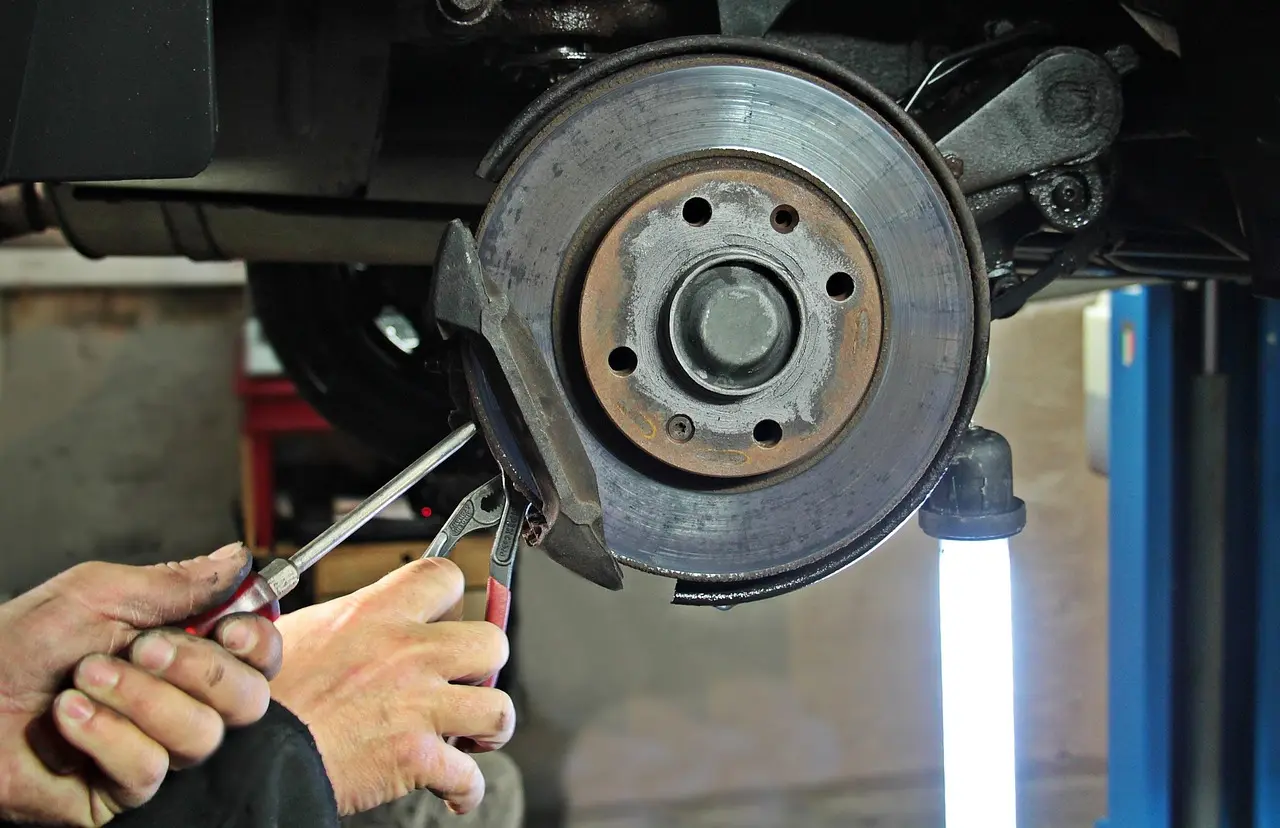
Use this table to compare winter pad compounds before you shop. The ranges are practical buying cues, not lab measurements, and the best choice still depends on exact vehicle fitment and rotor condition.
| Compound | Cold-start bite | Dust | Rotor wear | Noise | Salt exposure | Towing suitability | Best vehicle use case |
|---|---|---|---|---|---|---|---|
| Ceramic | Good for normal commuting; can feel softer on the first stop than semi-metallic | Light, often light-colored | Usually lower | Usually quieter | Depends on coating and hardware; pad compound alone is not rust-proof | Light towing only, if the vehicle maker allows it | Daily-driver cars, crossovers, low-dust winter commuting |
| Semi-metallic | Strong when cold and under repeated braking | Higher, often dark | Usually higher | Often noisier | Backing plates and caliper hardware still matter; compound is not a rust fix | Better for hard use and heavier loads | City driving with frequent stops, hills, larger vehicles, winter work use |
| Carbon-fibre ceramic | Stronger than basic ceramic in many truck/tow formulas | Low to moderate | Usually moderate | Often quieter than aggressive metallic pads | Hardware and coating still matter in brine and slush | Good fit for trailer and payload use | Pickups and SUVs that tow or haul |
| Low-metallic | Good to very good, especially under heat | Moderate to high | Moderate to higher | Can be noisier than ceramic | Depends on the whole pad and hardware package | Useful for performance or heavier-duty use | Performance sedans, European fitments, drivers who want firmer pedal feel |
| Zero-copper formula | Depends on the friction blend | Usually designed for cleaner wheels than older high-metal formulas | Varies by blend | Varies by blend | Aligned with low-emissions rules, but still needs coated hardware for winter exposure | Only if the specific pad line is rated for that use | OE-style commuter replacements where low copper content matters |
Which brake pad material is best for winter roads?
For most winter roads, ceramic is the default choice for daily driving because it stays quiet and keeps dust down. That does not make it the best answer for every driver. If your routes include long hills, frequent hard stops, or heavier loads, semi-metallic or low-metallic pads can make more sense.
Snowy roads and salted roads are separate problems. Snow asks for cold bite and smooth modulation. Salt asks for backing-plate coating, clean hardware, and rust control at the rotor sweep area. The best winter pad choice is the one that fits both problems without creating extra dust or noise.
Ceramic pads: best for daily commuting
Ceramic pads are the default buy for most winter commuters because they are quieter and cleaner than semi-metallic pads. They work well for normal street braking, cold starts, and stop-and-go driving where wheel cleanliness matters as much as stopping feel.
Akebono Brake Pads fit that role well on paper: the brand describes them as an ultra-premium ceramic pad, and the listing emphasizes low dust and cleaner wheels. Bosch QuietCast also fits this lane as a premium ceramic front pad line, with a powder-coated backing plate and included hardware on the listed application.
The drawback is simple. Basic ceramic is usually not the best choice for towing, repeated hard braking on steep grades, or track-style driving. If your winter commute includes a loaded trailer or heavy SUV use, look at a tow-focused formula instead.
Zero-copper ceramic formulas can also suit winter commuting, especially where low-emissions positioning matters. The useful point is not the label alone. It is whether the exact part number matches your vehicle and includes winter-friendly hardware details.
Semi-metallic pads: best for hard use
Semi-metallic pads are built around a large share of steel fibre, and they are often used where heat handling matters. They tend to feel stronger under repeated stops, especially when the pads and rotors are cold, wet, or being worked hard in traffic and on hills.
The trade-offs are also clear. They tend to be noisier and dustier, and they usually wear rotors faster than ceramic. That matters more in winter because dark dust mixes with road film, and rotor wear matters more when the rotor is already close to minimum thickness.
This compound makes sense for drivers who want firmer bite in city traffic, mountain routes, or heavier winter use. It is less attractive if your top priority is clean wheels and the quietest first stop after an overnight cold soak.
Truck and tow pads: best for pickups and SUVs
Truck and tow formulas are for heavier loads, not ordinary light-car commuting. PowerStop Z36 is recommended for pickups and SUVs that tow or haul, and Wagner OEx is positioned for towing and high-demand driving. Those are the right sort of applications when the vehicle carries payload or trailer weight through winter.
PowerStop Z23 is presented as a brake kit with rotors, which matters if your rotors are already rough, thin, or rust-pitted. In winter, pads alone may not solve a first-stop noise problem if rotor condition is part of the issue.
These formulas are application-specific. Match the exact axle and vehicle listing before you buy, and do not assume a truck/tow pad is the right answer for a light sedan. For salt spray, coated hardware and good caliper condition still matter.
Say your crossover spends weekdays on salted city streets and weekends towing a small trailer. A tow-focused pad can make more sense than a quiet commuter ceramic, because the extra load changes the stop more than the weather does.
Low-metallic and zero-copper formulas
Low-metallic pads contain roughly 10 to 50 percent metal by weight. That gives them better heat shedding than basic ceramic, which can help in performance or European applications where pedal feel under repeated braking matters.
Zero-copper formulas are a different filter, not a separate braking personality. They are aligned with low-emissions rules and OE-style friction blends, but the actual bite, dust, and noise still depend on the specific compound and hardware package.
These pads are worth attention when a vehicle platform calls for them, or when the owner wants firmer heat handling without jumping straight to a harsh semi-metallic pad. The drawback is that dust and noise can rise compared with ceramic, especially on colder, rougher winter roads.
Brake pad break-in matters
Brake pad break-in affects winter noise and first-week feel. Some brands include specific bedding guidance, and some part numbers claim no break-in is needed. Follow the maker’s instructions for the exact pad set, because the wrong bedding pattern can leave glazing or a noisy transfer layer on the rotor.
-
Check the installation sheet.
Read the exact bedding procedure for the part number before the first drive. If the maker gives a no-break-in claim, do not invent your own routine. -
Inspect rotor surfaces.
Clean off heavy rust film and confirm the rotor is within thickness spec. A pad cannot fix a rotor that is badly worn or deeply pitted. -
Complete the first stops gently.
Use moderate stops at low to medium speed so the pad transfers evenly. That helps control squeal and glazing, especially after wet or salty storage.
Akebono Brake Pads: best for low-dust daily winter commuting
Akebono Brake Pads are the clean-wheel pick for drivers who want low dust first. The brand describes this line as low dust, and the product positioning fits snowy commuting where wheel grime is a bigger annoyance than aggressive bite.
This is the right kind of pad for a commuter car or crossover that sees salt, slush, and repeated cold starts but not heavy towing. The advantage is lower dust buildup on the wheels, which helps when road brine leaves a sticky film.
The drawback is that low dust does not mean the strongest hard-use pad. If your winter driving includes trailer duty, steep grades, or repeated heavy stops, a tow-focused pad is a better fit.
Bosch QuietCast: best for quiet front axle commuting
Bosch QuietCast is a premium ceramic front pad set with winter-friendly hardware details. The listing says it includes a powder-coated backing plate that resists rust, plus hardware and synthetic lubricant, which matters when salt exposure is part of the commute.
This is a strong choice for front-axle replacement on a daily driver that needs quiet operation and cleaner wheels. Ceramic friction material fits the low-dust commuter brief, and the hardware package helps address some of the noise and rust-film issues that show up after salty roads.
The drawback is that this is a front-only application on the listed fitments. That is fine when you are replacing the front axle, but it means fitment has to be checked carefully before you treat it as a full-vehicle solution.
Wagner ThermoQuiet QC1411: best for work van fitment
Wagner ThermoQuiet QC1411 is an application-specific ceramic set aimed at select full-size vans. It is a practical winter choice when the vehicle needs quiet braking, dust control, and a pad that is matched to a narrow fitment list.
The listed hardware support is useful for winter service, because included hardware can help reduce squeal and speed a cleaner install. That matters on vans that see salt spray, stop-and-go deliveries, and repeated cold starts.
The drawback is coverage. This pad set is for specific GMC and Chevrolet van applications only, so it is not a broad commuter pick and should not be treated like a universal winter recommendation.
PowerStop Z23: best for rear-axle low-dust upgrades
PowerStop Z23 is a carbon-fiber ceramic rear pad set with installation hardware included. Based on the product details, it is aimed at drivers who want a low-dust upgrade and a more performance-leaning ceramic blend without going to a full heavy-duty tow formula.
That makes sense for a winter street car that already has a suitable front setup and wants cleaner rear wheels. Carbon-fibre ceramic formulas are often used when a driver wants more bite than basic ceramic, while still keeping dust below what a semi-metallic pad usually leaves behind.
The drawback is that this is a rear-only set for the listed application. Rear pads should not be treated as the main cure for winter stopping problems, and fitment has to be confirmed by exact model before purchase.
Raybestos Element3 EHTTM: best for hybrid ceramic control
Raybestos Element3 EHTTM uses a hybrid ceramic and semi-metallic construction, which gives it a middle-ground profile for winter use. The listing also mentions five-layer shims for quieter stopping and electronic wear sensors, both of which are useful on vehicles where noise control matters.
This kind of pad suits drivers who want more bite than basic ceramic but do not want to jump all the way to a noisier semi-metallic pad. That is a sensible fit for some winter commuters, especially on vehicles where the front axle takes the harder load.
The drawback is the same as with most hybrid formulas: the result depends heavily on the exact vehicle fitment. It is not a blanket answer for every snowy-road driver, and the benefits are strongest when the listed application matches the car or truck precisely.
Which one should you buy?
If you drive a light commuter car through salted streets, start with Akebono Brake Pads or Bosch QuietCast. Both fit the low-dust, quiet winter commuter brief better than an aggressive metallic pad.
If your route includes hills, stop-and-go traffic, or heavier winter loads, semi-metallic or hybrid ceramic makes more sense. Raybestos Element3 EHTTM is the middle-ground choice here, while a true semi-metallic pad is the stronger match when heat and repeated braking matter more than wheel cleanliness.
If you drive a pickup, SUV, or van that hauls or tows, choose a truck/tow formula such as PowerStop Z36 or Wagner OEx, provided the exact listing matches your axle and vehicle. Those pads are built for load, not for a light car that just sees snow.
Replace pads and rotors together when rotor thickness, rust pitting, or brake feel makes that the safer choice. That is especially true in winter, where a thin or corroded rotor can turn a decent pad into a noisy, uneven one.
Say your sedan sees nothing but city salt and short errands. Ceramic is the safe first buy. Suppose the same car starts pulling a small trailer every weekend. Then a tow-focused pad or a more heat-tolerant hybrid becomes the better match.
Frequently asked questions
What are good brake pads: good brake pads match?
Good brake pads match your vehicle, stop well when cold, and do not create a mess of dust or noise after a few winter drives. For snowy and salted roads, the better pads also come with useful hardware details, clear bedding guidance, and a compound that fits your load and route.
Which brake pads has less dust?
Ceramic pads usually leave the least dust, and that dust is often lighter in color than the dark dust from many semi-metallic pads. Low dust helps wheel cleanliness on salted roads, but it is only one part of the choice. Cold bite, rotor wear, and fitment still matter.
Which brake pad material is best?
For most daily drivers, ceramic is the best starting material because it is quiet and cleaner than semi-metallic. If you drive harder, tow, or live in a route with more repeated braking, low-metallic or semi-metallic may fit better. The best material depends on vehicle use, not a single rule.
What brake pad material is best for winter roads
For winter roads, ceramic is the safest default for light-duty commuting because it handles cold starts with low dust and reasonable noise control. Semi-metallic and low-metallic pads can suit heavier winter use, hills, or towing, where stronger heat handling matters more than wheel cleanliness.
Are ceramic brake pads good for snowy roads?
Yes, ceramic brake pads are good for snowy roads when the vehicle is used for normal commuting and the goal is low dust and quiet braking. They are not the best fit for towing, repeated hard stops, or track-style driving, where a more aggressive compound may work better.
What brake pads should I use if I drive on salted roads?
Use a pad with the right compound for your driving, plus coated backing plates, hardware, and caliper condition that can handle salt exposure. Ceramic is the default for commuter cars, while truck/tow formulas suit pickups and SUVs. Salt resistance depends on the whole brake setup, not the pad alone.
Products related to this article
Sponsored / affiliate links. As an Amazon Associate I earn from qualifying purchases. I may earn additional commission from eligible campaigns.