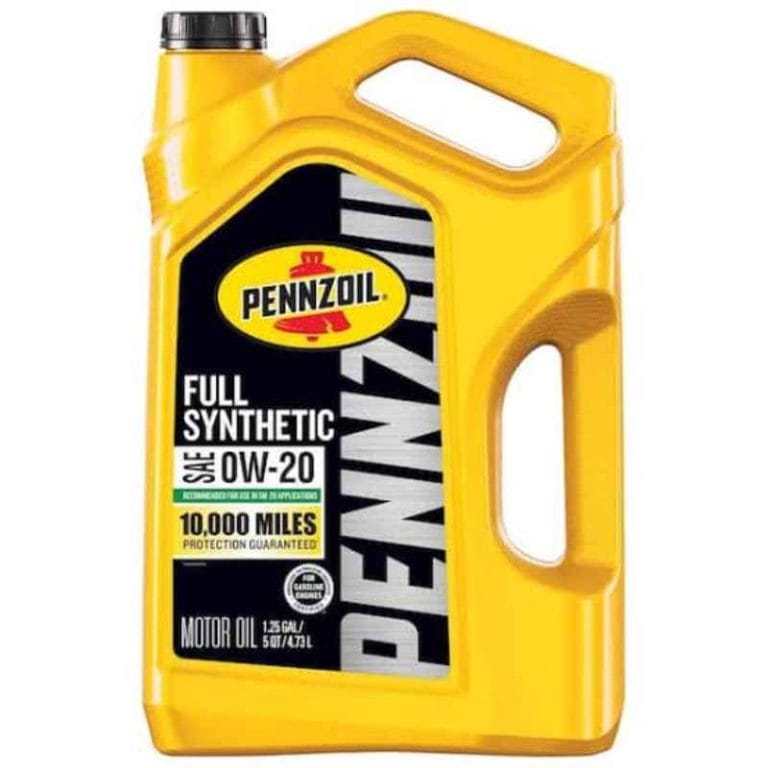
Best Oil Strategies for Cars That Sit (2026): We Compared
If your car sits about 3 to 7 cold days between starts, keep the current oil if it is in grade and change it on mileage or months; if it sits about 2 weeks or more at a time, use the factory winter viscosity and shorten oil intervals to time, not miles. Long cold gaps can thicken oil, slow startup flow, and leave moisture and fuel contamination in the crankcase. This guide explains when to leave the oil alone, when to switch viscosity, and how storage time changes winter service intervals.
Quick comparison
| Product | Badge | Best for | Price | ||
|---|---|---|---|---|---|
 |
Mobil 1 Extended Performance High Mileage Full Synthetic OilMobil | Our pick | 5 Quart · 5W-30 · High Mileage | $35.97
Price as of 27 Nov 2026
|
View |
 |
TOYOTA Genuine OEM 00279-0WQTE-01 Oil (4 QUARTS)Toyota | Also great | 4 Quarts · OEM · Genuine Oil | $39.99
Price as of 27 Nov 2026
|
View |
The right choice depends on how long the engine sits, not only on the outdoor temperature. A car that rests for a week is a different case from a car that hibernates for a season.
That is why the table below separates daily use, weekly parking, and true winter storage, then ties each pattern to oil timing, viscosity, and restart habits.
How we chose
This guide weighs four things: storage duration, oil age, manual-specified viscosity, and what happens during restart. Those factors matter because oil can age from time, moisture, and fuel dilution even when mileage stays low.
It also separates routine winter use from long lay-up. That distinction matters, because a few cold days between trips do not call for the same approach as all-winter storage.
Storage duration, not just outdoor temperature
Cold weather changes how oil flows, but sitting time changes how oil ages. A car that sits about 3 to 7 days may only need the existing oil to remain in service, while a car parked for weeks may need a time-based change before it sits again.
Oil age, moisture, and fuel dilution risk
Used engine oil holds acids and moisture. Repeated short cold starts can also leave fuel in the crankcase, which thins the oil film and reduces protection during the next start.
Manual specification and viscosity fit
The owner manual still sets the grade. Winter grades such as 0W-20 and 5W-30 mainly change cold-crank behavior, not storage limits, and they are not interchangeable across all engines.
Filter and restart prep
Change the oil filter with fresh oil. That removes trapped contaminants and gives you a clean baseline before storage, then a better restart after long sit periods.
Mobil 1 Extended Performance High Mileage 5W-30: best for high-mileage winter use
- High-mileage formula for 75,000+ mile engines
- Full synthetic oil for routine engine protection
- Five-quart size suits many oil changes
This oil fits drivers with higher-mileage engines that still see winter starts and short gaps between drives. Based on the product details, it is a full synthetic 5W-30 in a five-quart size, which makes it a straightforward match for vehicles that call for that viscosity.
What stands out is the high-mileage formulation for engines over about 75,000 miles and the fact that it is a routine service oil, not a storage-only specialty product. The drawback is simple: it is only a fit if your manual calls for 5W-30, and it does nothing to override overdue time-based service.
TOYOTA Genuine OEM 00279-0WQTE-01 Oil: best for Toyota-spec service
- Genuine Toyota-branded engine oil
- OEM match for Toyota service needs
- Four-quart pack for oil changes
This option suits Toyota owners who want the factory-specified oil path rather than a generic substitute. The product details identify it as genuine OEM oil in a four-quart pack, which makes it a practical match for vehicles that are built around Toyota’s service spec.
The main strength is fit: when the manual calls for a Toyota-branded OEM oil, that narrows the decision. The drawback is that it is brand- and application-specific, so it is not the right answer for non-Toyota engines or for anyone looking for a one-size-fits-all winter oil.
Manual-grade synthetic: best for most drivers
For most winter drivers, the best oil is the manual-specified grade in a quality synthetic. Synthetic engine oil resists oxidation better than conventional oil and usually flows better in the cold. It still ages with time and moisture, so it is not a substitute for a time-based service interval.
That makes it the safest default for cars that sit for days or even a couple of weeks. It helps cold-crank behavior without asking you to guess at a new viscosity.
Why the owner-manual grade still matters
Not all oils are interchangeable. The manual’s grade controls viscosity and cold-start behavior, so that recommendation stays first unless the manufacturer gives a separate winter or storage instruction.
Where 0W-20 and 5W-30 fit
Car Owner Guide lists 0W-20 and 5W-30 as example winter grades. Those grades can help the oil move more readily on cold starts, but the key point is still fit to the engine, not the thermometer outside.
What synthetic changes, and what it does not
Synthetic oil gives you better oxidation resistance than conventional oil, and JC Motors notes that it holds viscosity through temperature swings. It still ages with moisture and time, so a low-mileage car can still need a service even if the oil is synthetic.
Fresh oil and filter: best for 1–8 week storage
A pre-storage oil change makes sense when the current oil is already due, when the car will sit 3 to 8 weeks, or when the vehicle is headed into damp, cool weather with repeated short trips. Ford says long-term storage may require changing engine oil and filter before storage, and JC Motors says 2 to 4 months idle is enough to plan an oil change before regular use.
For many cars, that is the practical middle path. It uses the manual grade, removes dirty oil before it sits, and avoids turning storage into a maintenance trap.
When a pre-storage oil change makes sense
Change the oil before storage if the interval is already due, if the oil has fuel smell or milky color, or if the car will sit long enough that months matter as much as miles. FYOIL notes that used engine oil holds acids and moisture, which is why a fresh start matters before a long pause.
Why the filter belongs in the same service
Replace the oil filter with the oil change. That removes trapped contaminants and gives the restart a clean baseline, which matters after a stretch with condensation and cold starts.
When this is enough without special storage oil
For modern daily drivers that only sit between errands, a fresh manual-grade oil change is usually enough. Preservation oil is a different tool, and it should not be treated as a default answer for ordinary winter parking.
Preservation oil: best for all-winter lay-up
Preservation oil makes sense when the car will sit all winter or go into long lay-up, especially for classic vehicles or engines that are being stored rather than driven. Its additive package is aimed at rust inhibition, which is a different goal from normal daily service oil.
It is not a universal recommendation. For a modern car that still gets winter use, a storage-only oil can be the wrong tool unless the manual and engine type support it.
When preservation oil makes sense
Use it when the vehicle is expected to sit for months, the storage space is damp, and the engine will not be started often enough to fully warm the oil. That is the point where rust prevention matters more than ordinary winter drivability.
Why it is not a universal recommendation
Preservation oil is meant for long lay-up or classic-car storage. It is not the right answer for every modern engine, and it should not replace the manufacturer’s viscosity call for regular service.
Where a mineral SAE 20W-50 example fits
A mineral SAE 20W-50 example may be appropriate only where the engine design and the manual support it. If the manual calls for a different grade, do not use a preservation oil or heavy mineral oil just because the car will sit.
Does winter storage need a different viscosity?
Usually, no. Winter storage does not automatically require a different viscosity from the owner manual; the colder grade only matters if the manufacturer already allows it or if your model has a listed winter spec such as 0W-20 or 5W-30. The bigger issue is service timing, not chasing a thicker or thinner oil because the weather changed.
Use the correct grade first. Then decide whether the real problem is cold-crank performance, oil age, or how long the engine sits.
Cold-crank behavior versus service interval
Winter grades help the oil move during cranking in cold weather. They do not stop moisture from collecting during storage, and they do not reset an old service interval.
When to stay with the manual-recommended grade
Stay with the factory grade for most cars that sit for days or a couple of weeks. That gives you the right viscosity and keeps the service plan aligned with the engine design.
When a seasonal switch is not worth it
If the car only sits 3 to 7 days, a viscosity change is usually not the answer. Keep the current oil if it is in grade and use time and condition to decide when to change it.
Should you start it every few days?
No, not as a storage routine. Repeated short cold starts can make oil worse by loading it with moisture and fuel dilution, and a brief idle often leaves the engine in the worst of both worlds: some contamination added, but not enough heat to boil it off.
That is why a few-minute start can be worse than leaving the car alone. If the engine cannot reach full temperature, it may create more problems than it solves.
Why repeated short starts can make oil worse
Moisture condensation forms inside the crankcase during temperature swings, and short idle cycles make that worse. Fuel dilution can follow repeated cold starts, which thins the oil film and reduces protection on the next restart.
Why a short idle is not the same as a warm-up drive
The same source says to let the engine run at least 15 minutes at fast idle during storage, but a true warm-up drive is better for moisture removal because it brings the whole engine and exhaust system to full temperature. A roughly 20 to 30 minute drive is often a better way to help boil off moisture after storage.
What to do instead
If the car is sitting for days, leave it alone unless the manual says otherwise. If it has been stored for months, plan a proper restart, then drive gently long enough for the oil to reach operating temperature.
Winter oil decision table
The table below separates daily use from true storage and shows the oil action that fits each pattern. Use the red flags column first; fuel smell, milky oil, overdue intervals, and repeated short starts all push the decision toward service.
| Storage duration | Use pattern | Oil action | Manual viscosity | Short idle starts? | Red flags |
|---|---|---|---|---|---|
| Daily use | Driven often, fully warmed up on most trips | Keep current oil if it is in grade and on interval | Follow the owner manual | Avoid unnecessary idle warmups | Fuel smell, milky oil, overdue interval |
| 3–7 days | Parked through a work week or cold spell | Keep current oil if it is in grade; service by time or mileage | Use the manual-recommended grade | Do not start it just to idle | Repeated short starts, fuel smell, overdue interval |
| 1–2 weeks | Weekend car or infrequent commuter | Consider a fresh oil change if the service is due soon | Use the factory winter viscosity if listed | Avoid brief idle-only starts | Fuel smell, repeated short starts, overdue interval |
| 3–8 weeks | Seasonal parking or long travel gap | Change oil and filter before storage if due or near due | Stay with manual-recommended grade | Do not use idle starts as a routine | Fuel smell, milky oil, overdue interval, repeated short starts |
| All winter | Long lay-up or classic-car storage | Use fresh oil; consider preservation oil only if the engine and manual support it | Follow storage guidance for that engine | Do not rely on brief starts | Fuel smell, milky oil, overdue interval, repeated short starts |
Which one should you buy?
Choose based on the real sit time. If the car only rests a few days at a time, buy the manual-grade synthetic and keep the service interval honest. If it sits for weeks, buy fresh oil and a matching filter before storage. If it will sit all winter, use the manual first and reserve preservation oil for engines that support that approach.
Say your sedan sits five cold days between errands, then gets a 25-minute drive on Saturday. That pattern usually calls for keeping the current oil if it is in grade, not switching viscosity just because temperatures dropped.
Picture a compact SUV that makes only 8-minute trips and then sits for 10 days. That pattern raises moisture and fuel dilution risk, so a time-based oil change matters more than the odometer reading alone.
-
Match the manual first. Use the owner-specified viscosity before you think about storage, because cold-crank behavior depends on the grade the engine was designed to use. If the manual allows a winter grade such as 0W-20 or 5W-30, stay within that approval.
-
Use synthetic for cold weather. A quality synthetic is the better default for winter starts because it resists oxidation better than conventional oil and handles temperature swings well. It still needs replacement on time, so do not treat it as forever oil.
-
Change oil before long storage. If the oil is due, or if the car will sit 3 to 8 weeks or longer, service it before storage instead of after. Fresh oil avoids leaving used oil, acids, and moisture in the crankcase for the whole storage period.
-
Replace the filter at the same time. A new filter helps remove contaminants and sets up a cleaner restart. It should match the vehicle specification, especially on engines that use a specific filter size or bypass setting.
-
Skip brief idle warmups. Do not start the car every few days just to let it sit and run for a few minutes. If the engine cannot get fully warm, you add moisture and can worsen fuel dilution without actually cleaning the oil.
-
Plan a full restart drive. After storage, check oil level and condition, then drive 20 to 30 minutes so the engine reaches full temperature. Keep the first miles gentle, because the goal is to boil off moisture, not to stress a dry or cold drivetrain.
Frequently asked questions
What oil is best for a car that sits for a week or two in winter?
For a car that sits a week or two, the best choice is usually the owner-manual oil grade in a good synthetic, if that is what the engine calls for. Keep the current oil if it is not due yet. Change it on time or mileage, not because the car sat for a few cold days.
Should I change the oil before storing my car for winter?
Yes, if the oil is due or close to due. The same source says long-term storage may require changing engine oil and filter before storage, and used oil holds moisture and contaminants. Fresh oil before storage is a better move than leaving old oil in the engine for months.
Is synthetic oil better if my car sits for days at a time?
Yes, synthetic oil is usually the better winter choice because it resists oxidation better than conventional oil and tends to flow better in the cold. It still ages with time and moisture, so it helps the cold start but does not remove the need for a time-based oil change.
Should I start my car briefly every few days when it sits in cold weather?
No. Brief starts can load the oil with moisture and fuel dilution without getting the engine hot enough to dry things out. If the car is truly in storage, a short idle routine is usually worse than leaving it parked until you can drive it long enough to fully warm up.
How long can oil sit in an engine before it goes bad?
Oil can age by time even when mileage is low. Two to four months of idle time can justify service, and six months in damp, cool weather is a stronger warning sign. One year on the same oil is a clear service trigger, especially if the car had many short cold starts.
Does winter storage require a different oil viscosity?
Usually no. Use the viscosity in the owner manual unless the manual itself gives a winter-approved alternative. Winter grades such as 0W-20 and 5W-30 mainly affect cold-crank behavior, not the storage limit of the oil.
Products related to this article
Sponsored / affiliate links. As an Amazon Associate I earn from qualifying purchases. I may earn additional commission from eligible campaigns.