How Long Do Car Brake Discs Last? Lifespan & Replacement Guide
How long do car brake discs last? This is a common question for car owners concerned about maintenance and safety. Understanding the lifespan of your brake discs is crucial for ensuring your vehicle remains reliable and your journeys are secure.
This comprehensive guide will break down the factors influencing brake disc longevity, provide estimated replacement timelines, and offer practical tips to help you get the most out of your brake system.
Simply put, the lifespan of car brake discs typically ranges from 25,000 to 70,000 miles, but this can vary significantly based on driving habits, material quality, and vehicle type. Regular inspection is key to determining when replacement is necessary.
Key Takeaways
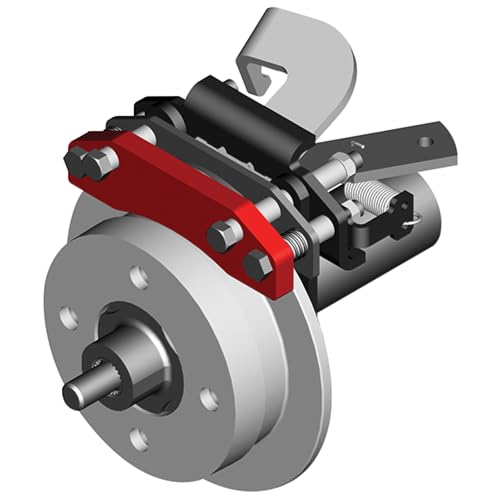
Red Hawk
Red Hawk Disc Brake Kit for Club…
- 30-DAY RETURN POLICY/1-YEAR WARRANTY: If your order arrives and it’s not exactly what you want, you may return it within 30 days f…
- Replaces OEM Numbers: Red Hawk: BRK-201
- RELIABLE FITMENT: Please verify this is the right part number before ordering. We pride ourselves in providing reliable fitment da…
As an Amazon Associate I earn from qualifying purchases.
- Car brake discs typically last between 25,000 and 70,000 miles, with aggressive driving reducing their lifespan.
- Factors like driving style, climate, brake pad quality, and the type of disc material significantly influence longevity.
- Signs of worn brake discs include squealing noises, reduced braking effectiveness, and a pulsing sensation.
- Regular visual inspections and listening for unusual sounds are the best ways to monitor brake disc health.
- Replacing brake discs and pads in pairs on the same axle is essential for balanced braking.
What Are Brake Discs and Why Do They Matter?
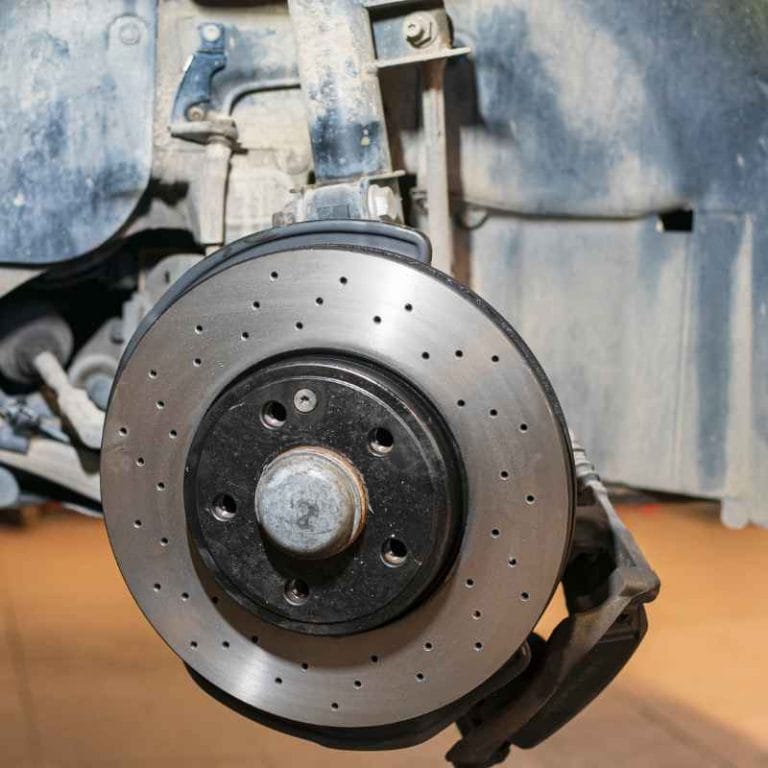
Brake discs, also known as brake rotors, are essential components of a vehicle’s braking system. They are circular metal plates that attach to the wheel hub and rotate with it. When you press the brake pedal, brake calipers clamp brake pads onto these discs.
This friction converts the kinetic energy of the moving vehicle into heat, slowing it down and eventually stopping it.
The effectiveness and lifespan of your brake discs directly impact your vehicle’s stopping power and overall safety. Worn or damaged discs can compromise braking performance, leading to longer stopping distances and potentially dangerous situations. Regular maintenance and awareness of their condition are therefore paramount for every driver.
Understanding how these components work helps appreciate why their longevity is a significant concern for vehicle owners. Unlike tires or oil, brake discs don’t have a strict mileage replacement schedule; their wear is highly dependent on usage patterns.
Factors Influencing Brake Disc Lifespan
Several variables play a critical role in how long your car’s brake discs will remain effective. Driving habits are arguably the most significant factor. Frequent hard braking, city driving with constant stop-and-go traffic, and carrying heavy loads all put more stress on the discs, accelerating wear.
The material composition of the brake discs also influences their durability. Most standard vehicles use cast iron discs, which offer a good balance of cost and performance. Higher-performance vehicles might use more advanced materials like carbon-ceramic composites, which are lighter and more resistant to heat but significantly more expensive.
- Driving Style: Aggressive acceleration and braking significantly reduce lifespan.
- Driving Environment: Stop-and-go traffic wears discs faster than highway cruising.
- Climate: Corrosive elements in some climates (e.g., salt on roads in winter) can lead to rust and premature wear.
- Brake Pad Quality: Harder brake pads can wear discs down faster than softer ones.
- Disc Material: Cast iron is common; performance materials like carbon-ceramic last longer but are costlier.
- Vehicle Weight and Load: Heavier vehicles or those frequently carrying heavy loads put more strain on brakes.
- Maintenance History: Consistent checks and proper pad replacement prevent collateral damage to discs.
The quality of the brake pads installed is also crucial. Using cheap, low-quality pads can lead to uneven wear on the discs or cause premature damage due to their abrasive nature. Similarly, if brake pads are allowed to wear down completely, the metal backing plate can grind against the disc, causing severe damage that requires disc replacement.
Estimated Lifespan: Mileage and Time
While there’s no one-size-fits-all answer, automotive experts generally estimate that standard car brake discs should last anywhere from 25,000 to 70,000 miles. This is a broad range because, as discussed, individual circumstances vary so widely. For instance, a driver who primarily uses their vehicle for long highway commutes might see their discs last towards the higher end of this spectrum.
Conversely, a driver who frequently navigates congested city streets, utilizes mountain roads with steep descents, or engages in performance driving may find their brake discs wearing out much sooner, perhaps even below 25,000 miles. It’s also important to consider that even if mileage is low, time can still be a factor, especially in certain environments.
| Driving Condition | Estimated Disc Lifespan |
|---|---|
| Highway Commuting (minimal braking) | 50,000 – 70,000+ miles |
| Mixed Driving (city & highway) | 40,000 – 60,000 miles |
| Heavy City Driving (frequent stops) | 25,000 – 40,000 miles |
| Aggressive/Performance Driving | Below 25,000 miles |
This table provides general estimates; actual mileage may vary based on specific conditions and vehicle. Always consult your mechanic for precise assessments.
Some manufacturers may offer specific recommendations in your owner’s manual, but these are often conservative. Relying on visual inspections and listening to your vehicle is a more accurate way to gauge their condition than solely tracking mileage.
Signs Your Brake Discs Need Replacing
Recognizing the symptoms of worn brake discs is vital for proactive maintenance and safety. The most common indicator is a high-pitched squealing or grinding noise that occurs when you apply the brakes. This sound often comes from the brake wear indicators, small metal tabs designed to alert you when brake pads are getting thin, but it can also signal issues with the discs themselves.
A pulsing or vibrating sensation in the brake pedal or steering wheel when braking is another strong sign. This usually indicates that the brake discs have become warped or uneven due to excessive heat or uneven wear. This warping affects the contact surface between the pad and the disc, leading to inconsistent braking and potential loss of control.
- Squealing or Grinding Noises: A constant high-pitched noise during braking is a warning sign.
- Pulsating Brake Pedal: Feeling vibrations in the pedal means discs may be warped or uneven.
- Reduced Braking Effectiveness: If your car takes longer to stop than usual, discs might be worn thin.
- Vibration in Steering Wheel: Similar to pedal pulsation, this suggests disc issues, often more noticeable at higher speeds.
- Visual Indicators: Deep grooves, scoring, rust buildup, or a visibly thin disc edge.
- “Soft” Brake Pedal: A pedal that feels mushy or sinks further than usual can indicate a problem with the entire braking system, including discs.
Beyond these audible and tactile cues, you might notice a significant decrease in your car’s ability to stop quickly. If you find yourself having to press the brake pedal much harder or farther down than you used to, it’s a clear indication that your braking system, including the discs, is compromised.
Important: Never ignore these symptoms. Compromised brake discs can lead to catastrophic failure of your braking system. Get them inspected by a professional immediately.
Inspection and Measurement of Brake Discs
Mechanics use specialized tools to accurately measure the thickness of your brake discs. New discs have a specific minimum thickness requirement, which is stamped on the disc itself or available from the manufacturer. As discs wear down from braking, they become thinner.
When they reach or fall below this minimum thickness, they must be replaced.
A common tool used for this measurement is a micrometer. The mechanic will take several readings around the circumference of the disc to check for variations. In addition to thickness, inspectors look for signs of surface damage.
Grooves, scoring, cracks, or significant rust buildup can all compromise the disc’s integrity and braking performance, even if it’s still above the minimum thickness.
- Visual Inspection: Look for deep grooves, cracks, bluing (from overheating), or significant rust.
- Runout Measurement: Checks for warping or unevenness.
- Thickness Measurement: Using a micrometer to gauge wear against the minimum specification.
- Pad Inspection: Worn pads can damage discs, so they are usually checked simultaneously.
- Hardware Check: Ensuring caliper bolts, pins, and other hardware are in good condition.
The minimum thickness specification is crucial because a disc that is too thin can overheat rapidly, leading to brake fade (loss of braking power), or it could even crack or shatter under extreme pressure. This is why relying on visual checks alone might not be enough; precise measurement is key.
When to Replace Brake Discs and Pads Together
It’s almost always recommended to replace your brake discs and brake pads at the same time. This is because brake pads and discs work in tandem; their surfaces wear down together. If you replace only the pads on a worn disc, the new pads won’t be able to seat properly against the uneven or grooved surface of the old disc.
This leads to poor braking performance and can cause the new pads to wear out prematurely and unevenly.
Similarly, if your discs are worn thin or damaged, fitting new pads onto them will not provide the full braking benefit. The worn discs won’t offer the optimal friction surface for the new pads. Therefore, the most effective and safest approach is to replace both components simultaneously on the same axle (both front discs and pads, or both rear discs and pads).
This ensures balanced braking and maximizes the lifespan and performance of the new parts.
| Scenario | Recommendation | Reason |
|---|---|---|
| Worn Brake Pads, Good Discs | Replace Pads Only | Discs are still within specification and have a smooth surface. |
| Worn Discs, Good Pads | Replace Discs Only | Rare, usually indicates the pads were replaced very recently. New pads will be fitted to new discs. |
| Worn Brake Pads AND Worn Discs | Replace Both Pads and Discs | Ensures optimal performance, even wear, and longevity of new components. |
While sometimes technically possible to resurface (or “turn”) brake discs to remove minor scoring and warping, this is becoming less common. Modern discs are often manufactured to be thinner, and turning them can bring them close to their minimum thickness, potentially shortening their lifespan significantly.
Extending the Life of Your Brake Discs
While wear is inevitable, there are practical steps you can take to maximize the lifespan of your brake discs. The most effective way is to adopt a smoother driving style. This means anticipating stops, accelerating gently, and avoiding unnecessary hard braking.
By reducing the frequency and intensity of braking events, you significantly decrease the heat and friction put on the discs.
Regular maintenance checks are also key. Ensure your brake pads are inspected at every service. If they are getting low, replace them promptly before they can cause damage to the discs.
Also, pay attention to any unusual noises or sensations from your braking system and have them addressed immediately by a qualified mechanic. Catching minor issues early can prevent them from escalating into costly repairs that involve replacing brake discs.
- Gentle Braking: Avoid sudden stops whenever possible.
- Anticipate Traffic: Look ahead and ease off the accelerator early when you see red lights or traffic jams.
- Avoid Overloading: Don’t consistently carry more weight than your vehicle is rated for.
- Regular Inspections: Have your brake pads and discs checked at recommended service intervals.
- Prompt Pad Replacement: Replace worn brake pads before they damage the discs.
- Cleanliness: While not always possible, try to avoid driving through deep mud or water that could excessively rust or damage discs over time.
- Proper Cooling: After spirited driving or heavy braking, try to drive at a moderate speed for a short while to help dissipate heat from the brakes.
Tip: If you often drive in hilly areas, learn to use engine braking on descents. Downshifting can help control your speed and reduce the reliance on your brakes, saving them from excessive wear.
Common Mistakes to Avoid
One of the most common mistakes car owners make is waiting too long to address braking issues. Ignoring a slight squeal or a soft pedal can lead to minor wear becoming major damage. For example, driving with completely worn-out brake pads will quickly ruin the brake discs, turning a potentially less expensive pad replacement into a disc and pad replacement job.
Another mistake is neglecting to replace brake discs and pads on both sides of an axle simultaneously. Installing new pads on one side of the car while leaving the old, worn disc on the other can result in uneven braking. This imbalance can affect steering control during hard braking and lead to premature wear on the new components.
- Ignoring Warning Signs: Don’t wait for brakes to fail before getting them checked.
- Only Replacing Pads: Not replacing discs when they are worn, scored, or below minimum thickness.
- Replacing Components Individually: Not replacing pads and discs in pairs on the same axle.
- Using Cheap Parts: Opting for the cheapest brake parts can compromise safety and reduce longevity.
- Overlooking Pad Wear: Allowing pads to wear down to the metal backing plate.
- Aggressive Driving: Constant hard braking significantly reduces disc life.
Warning: Never assume your brakes are fine. Regular professional inspections are crucial, especially if you notice any changes in their performance.
Frequently Asked Questions
How often should brake discs be checked?
Brake discs should ideally be inspected every time you have your vehicle serviced, typically every 6,000 to 10,000 miles or at least once a year. This regular check allows mechanics to identify any signs of wear or damage early on, preventing more significant problems down the line.
Can brake discs be resurfaced?
Yes, brake discs can sometimes be resurfaced (or “turned”) by a mechanic using a lathe. This process removes a thin layer of material to create a smooth, flat surface. However, this is only feasible if the discs are not too thin or heavily damaged, and it can reduce their overall lifespan.
Many modern mechanics recommend replacement over resurfacing due to the disc’s initial thinness.
What is the difference between brake discs and brake pads?
Brake discs are the metal rotor that spins with the wheel, while brake pads are the friction material that clamps onto the discs. Both are essential for braking, but they serve different functions. Pads are designed to wear out and need frequent replacement, while discs last longer but also require eventual replacement due to wear and tear.
Are more expensive brake discs better?
Not necessarily. While premium brands and high-performance materials can offer advantages like better heat dissipation or longer life, standard, good-quality cast iron discs are perfectly adequate for most daily driving needs. The key is choosing reputable brands and ensuring they are compatible with your vehicle and driving style.
What does “brake fade” mean?
Brake fade is a temporary loss of braking effectiveness that occurs when brake components, particularly the discs and pads, overheat. The extreme heat can cause the friction material to break down or gas to form between the pad and disc, reducing friction and making the brakes less responsive. It’s often experienced during prolonged braking, like going down a long hill.
Final Thoughts
Understanding how long do car brake discs last involves recognizing that mileage is just one factor. Your driving habits, the environment you drive in, and the quality of components all play significant roles. By paying attention to the warning signs, performing regular checks, and adopting a smoother driving style, you can help extend the life of your brake discs and ensure your vehicle remains safe on the road. See also how do you bleed car brakes correctly full walkthrough. See also how to repair car brake calipers without replacing them.
Related pick: Check today's price on Amazon See also how to brake properly in a car for smooth.