How Long Do Car Brake Pads Last? A Complete Guide
How long do car brake pads last? This is a question many car owners ponder, and the answer isn’t a simple one-size-fits-all figure. Factors like driving habits, brake material, and vehicle type significantly influence their lifespan.
Understanding these variables can help you estimate when your brake pads might need replacing and avoid unexpected issues.
This comprehensive guide will break down the typical lifespan of brake pads, the critical factors affecting their longevity, and essential tips for extending their life. We’ll cover everything from material differences to driving styles to ensure you’re well-informed about your vehicle’s braking system.
Simply put, the lifespan of car brake pads varies widely, typically ranging from 25,000 to 70,000 miles, but can be shorter or longer depending on driving style, brake material, and environmental conditions. Regular inspection is key to knowing your specific needs.
Key Takeaways
Hapleby
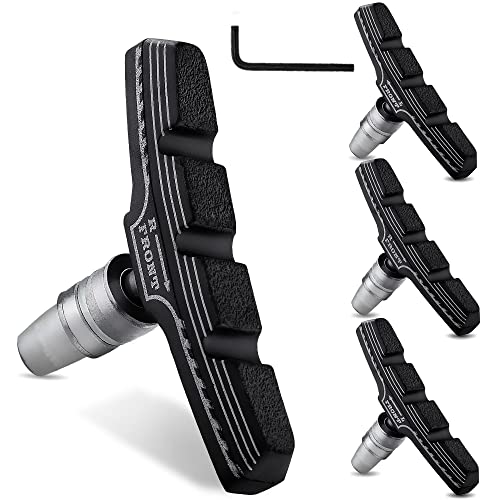
Hapleby 4PCS Premium Bike Brake Pads, Professional…
- 【HARD-WEARING MATERIAL】 The brake pads are made of hyathetic fiber and nitrile rubber, they have supreme durable and long-lasting…
- 【EXPERIMENTAL DATA】 After many experiments we have obtained data, when the vehicle speed is 12.5km/h, it can be used continuously…
- 【HUMANIZE DESIGN】 This brake pads have three while lines. the first line is remind to replace the brake pads, the second line is b…
As an Amazon Associate I earn from qualifying purchases.
- Car brake pads last anywhere from 25,000 to 70,000 miles, but aggressive driving can halve this range.
- Brake pad material (organic, semi-metallic, ceramic) significantly impacts durability and performance.
- Environmental factors like dust, road salt, and moisture can accelerate wear.
- Regular brake inspections are crucial for identifying wear and preventing costly damage.
- Proper driving habits, such as smooth braking and avoiding prolonged downhill coasting, can extend brake pad life.
What Are Car Brake Pads and How Do They Work?
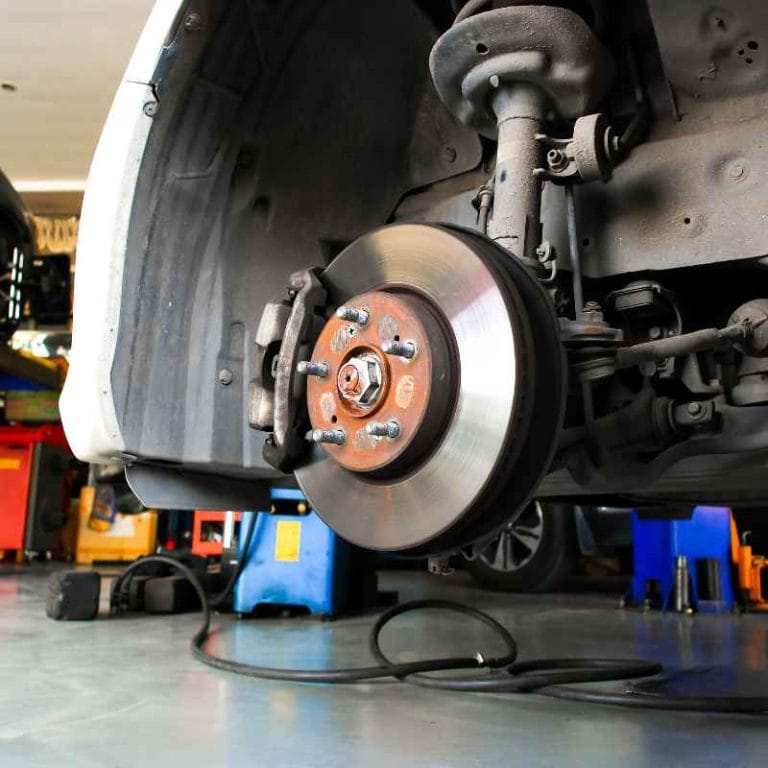
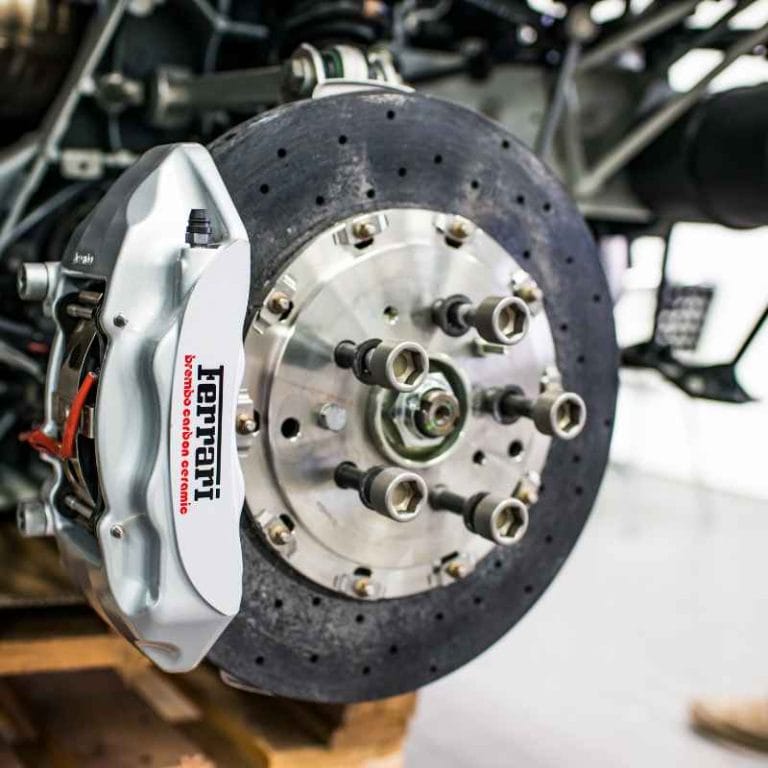
Brake pads are a fundamental component of your vehicle’s braking system. They are friction material mounted on a metal backing plate. When you press the brake pedal, hydraulic pressure forces the brake caliper to clamp down on the brake rotor.
This action causes the brake pads to press against the rotor, creating friction that slows down and eventually stops the rotation of the wheel.
The effectiveness of your brakes hinges on the condition of these pads. As they make contact with the spinning rotor, a small amount of the pad material is worn away with each application. This gradual wear is normal and expected.
However, it means that brake pads have a finite lifespan and will eventually need to be replaced to maintain safe stopping power.
The materials used in brake pads are engineered to withstand extreme heat and pressure while providing reliable stopping power. However, this friction also means they are a wear item, much like tires. Understanding the mechanics helps appreciate why their lifespan isn’t fixed and why maintenance is so important.
- Friction Material: This is the part that contacts the rotor. Its composition dictates performance characteristics like stopping power, heat dissipation, noise, and lifespan.
- Backing Plate: A sturdy metal plate that provides structural support for the friction material and houses the mechanism for attachment to the caliper.
- Shims: Thin layers, often made of metal or composite materials, placed between the friction material and the backing plate to reduce noise and vibration.
- Hardware: Clips and springs that hold the brake pad securely within the caliper assembly, ensuring proper alignment and movement.
Factors Influencing Brake Pad Lifespan
The longevity of your car’s brake pads is not a fixed number. It’s a dynamic interplay of several critical factors. Your driving style is perhaps the most significant determinant.
Frequent hard braking, as often seen in stop-and-go city traffic or during spirited driving, causes much more wear than gentle, gradual stops. Every time you slam on the brakes, a significant portion of the pad material is abraded away.
The material composition of the brake pads themselves plays a huge role. Organic pads, the most affordable, tend to wear out faster but are quieter and gentler on rotors. Semi-metallic pads offer a good balance of performance and durability, making them a popular choice.
Ceramic pads, while often more expensive, boast longer lifespans, quieter operation, and produce less dust, though their initial bite might be less aggressive than semi-metallics.
Environmental conditions also contribute to wear. Driving in dusty or sandy areas means abrasive particles are constantly grinding against the pads and rotors. Similarly, areas with heavy use of road salt during winter can accelerate corrosion and wear on brake components.
Moisture can also play a role, especially if brakes are not used regularly, leading to rust buildup that can impact performance and longevity.
Driving Habits
- Aggressive Braking: Frequent hard stops significantly reduce pad life.
- Smooth Braking: Gentle, gradual deceleration is ideal for longevity.
- Anticipation: Looking ahead and easing off the accelerator to let the car slow down naturally before braking reduces wear.
- Downhill Driving: Prolonged use of brakes on steep descents can overheat and rapidly wear pads. Using a lower gear is a better alternative.
- Towing/Heavy Loads: Increased vehicle weight puts more stress on the braking system, leading to faster pad wear.
Brake Pad Material
| Material Type | Typical Lifespan (Miles) | Pros | Cons |
|---|---|---|---|
| Organic (Non-Metallic) | 25,000 – 40,000 | Quiet, affordable, gentle on rotors | Shorter lifespan, dustier, less effective at high temps |
| Semi-Metallic | 30,000 – 60,000 | Good performance, durable, good heat transfer | Can be noisy, produce dust, wear rotors faster than ceramic |
| Ceramic | 40,000 – 70,000+ | Quiet, low dust, long-lasting, good performance consistency | Higher initial cost, can be less aggressive initial bite |
Choosing the right material is essential for balancing cost, performance, and longevity for your specific driving needs.
Environmental and Vehicle Factors
- Dust and Dirt: Abrasive particles accelerate wear.
- Moisture and Rust: Can cause corrosion and pitting.
- Road Salt: Highly corrosive, leading to premature wear.
- Tire Size: Larger tires can increase rotational mass, requiring more braking effort.
- Brake System Maintenance: Properly functioning calipers and rotors ensure even wear on pads.
- Vehicle Weight: Heavier vehicles naturally put more strain on brakes.
Signs Your Brake Pads Need Replacing
Ignoring the signs of worn brake pads can lead to dangerous situations and more expensive repairs. Your vehicle will often provide audible and tactile cues when the pads are nearing the end of their life. The most common indicator is a high-pitched squealing noise when you apply the brakes.
This sound is produced by small metal tabs, called wear indicators, that are designed to rub against the rotor as the pad wears down, alerting you to their condition.
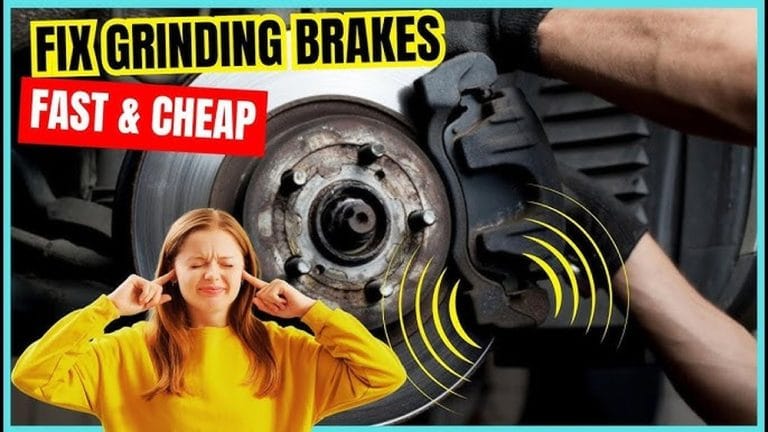
Another common sign is a grinding noise. This is a much more serious indicator. It means the friction material has completely worn away, and the metal backing plate of the brake pad is now grinding directly against the metal brake rotor.
This not only severely compromises your stopping power but can also quickly damage the rotors, leading to significantly higher repair costs. If you hear grinding, stop driving and have your brakes inspected immediately.
Beyond noise, you might feel vibrations or pulsations in the brake pedal when you apply them. This can sometimes indicate uneven pad wear or warped rotors, both of which are related to brake pad issues. Visually inspecting your brake pads is also crucial.
You can often see them through the spokes of your wheels. If the friction material appears to be less than 1/4 inch thick, it’s time for a replacement.
- Squealing Noise: A high-pitched squeal when braking, indicating the wear indicator is engaged.
- Grinding Sound: A harsh, metallic scraping noise, meaning pads are completely worn and metal is contacting rotor.
- Vibrations/Pulsations: Feeling feedback through the brake pedal when braking.
- Reduced Responsiveness: Brakes feel “soft” or take longer to stop the vehicle.
- Brake Warning Light: Some vehicles have electronic wear sensors that will illuminate a dashboard light.
- Visual Inspection: The friction material is visibly thin (less than 1/4 inch).
How to Extend the Life of Your Brake Pads
You can actively prolong the life of your brake pads by adopting a few smart driving habits and performing regular maintenance. The most impactful change you can make is to adjust your braking style. Instead of rapid, hard stops, practice smooth, progressive braking.
This means looking further ahead on the road, anticipating stops, and gradually applying pressure to the brake pedal. This distributes the wear more evenly and reduces the heat generated, both of which extend pad life.
When driving downhill, avoid continuously riding the brakes. Instead, downshift to a lower gear. This allows the engine to help control your speed, taking much of the burden off the brake pads.
Imagine using the engine as a form of braking. This not only saves your pads but also reduces the risk of brake fade due to overheating. Regular cleaning of your wheels and brake components can also help remove abrasive dust and debris that can accelerate wear.
Maintaining proper tire pressure also plays a role. Properly inflated tires improve overall vehicle efficiency and reduce the strain on all components, including the braking system. Furthermore, ensuring your brake fluid is at the correct level and free of contamination contributes to the overall health of the braking system, which indirectly helps your pads last longer by ensuring they operate efficiently and evenly.
| Tip | Impact on Lifespan |
|---|---|
| Gentle braking technique | Significantly increases lifespan by reducing wear rate. |
| Anticipate stops | Reduces frequency and intensity of braking. |
| Use engine braking on hills | Prevents overheating and excessive wear on pads. |
| Regular cleaning of wheels/brakes | Removes abrasive particles. |
| Proper tire inflation | Improves overall vehicle efficiency, indirectly helping brakes. |
Implementing these strategies can help you get the most miles out of your brake pads.
When Should You Replace Brake Rotors?
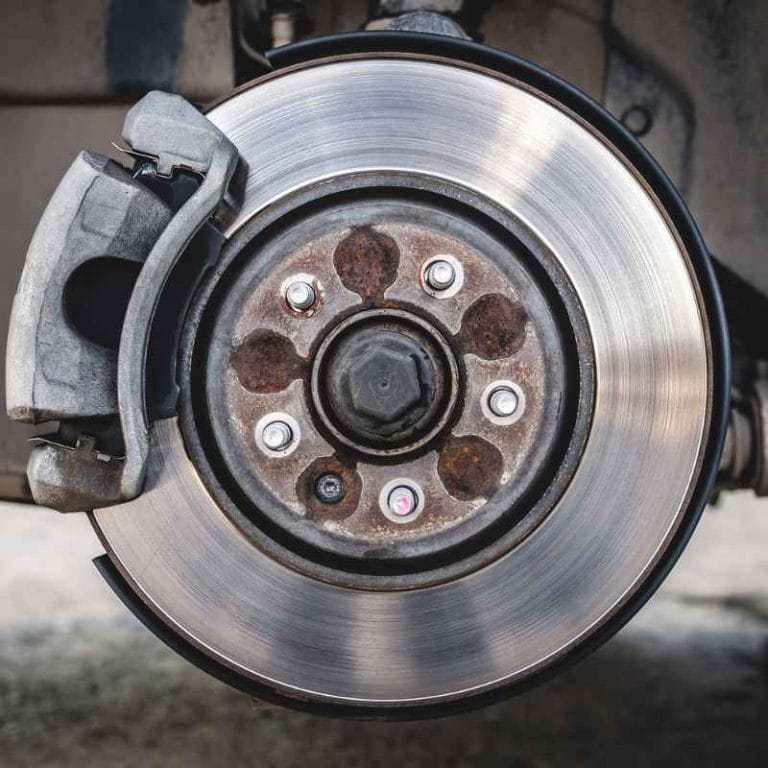
Brake pads and rotors work in tandem. While this guide focuses on brake pads, it’s impossible to discuss their lifespan without mentioning rotors. Rotors are the discs that your brake pads clamp onto.
They are made of strong metal alloys and are designed to withstand significant heat and friction. However, like brake pads, they are also wear items.
A common reason to replace rotors is when they become warped. Warping occurs when the rotor heats up unevenly, causing it to distort. This can lead to a pulsating feeling in the brake pedal when you apply them.
Another reason is excessive wear. Rotors have a minimum thickness specification, usually printed on the rotor itself or found in your vehicle’s service manual. If they fall below this thickness, they must be replaced for safety reasons.
According to the Automotive Aftermarket Suppliers Association (AASA), rotors should be inspected for thickness and signs of damage every time brake pads are replaced.
You might also need to replace rotors if they are heavily grooved or scored. These imperfections can be caused by worn-out brake pads grinding against them, or by debris getting trapped between the pad and rotor. Such damage not only affects braking performance but also accelerates the wear of new brake pads.
A study by the Center for Automotive Research found that worn or damaged rotors can reduce the effectiveness of new brake pads by up to 30%.
Signs of Rotor Wear or Damage
- Pulsating Brake Pedal: Indicates warped rotors.
- Scored or Grooved Surface: Visible damage to the rotor face.
- Thin Rotor: Below minimum thickness specification (check service manual).
- Cracks or Hot Spots: Discoloration or visible fractures.
- Chirping or Grinding Noises: In conjunction with pad wear, can indicate rotor issues.
Rotor Replacement vs. Resurfacing
| Action | Description | When Appropriate | Cost Implication |
|---|---|---|---|
| Resurfacing (Machining) | Removes a thin layer of material to create a smooth, flat surface. | Minor warping, light scoring, sufficient rotor thickness remains. | Less expensive than replacement. Extends rotor life if done correctly. |
| Replacement | Install entirely new brake rotors. | Rotors are below minimum thickness, severely warped, cracked, or heavily damaged. | More expensive than resurfacing. Ensures optimal braking performance and safety. |
It’s important to follow your mechanic’s recommendations regarding rotor service. Sometimes, replacing both pads and rotors simultaneously is the most cost-effective and safest solution for optimal braking performance.
Average Lifespan by Vehicle Type
The type of vehicle you drive also plays a role in how long your brake pads are likely to last. Lighter vehicles, such as compact cars or sedans, generally put less stress on their braking systems. This means their brake pads tend to last longer compared to heavier vehicles.
For instance, a small commuter car might see brake pads last between 40,000 and 60,000 miles under normal driving conditions.
On the other hand, larger vehicles like SUVs, trucks, and vans inherently weigh more. This increased mass requires more force to slow down, leading to more rapid wear on brake pads. A heavy-duty pickup truck used for towing or hauling will experience even more significant strain.
Their brake pads might only last between 25,000 and 45,000 miles, sometimes even less if consistently subjected to heavy loads. The National Highway Traffic Safety Administration (NHTSA) notes that vehicle weight is a primary factor in braking system wear.
Performance vehicles, regardless of size, also tend to go through brake pads more quickly. These cars are often equipped with high-performance brakes designed for maximum stopping power during spirited driving. While excellent for performance, this often comes at the cost of longevity.
Enthusiast drivers may find themselves replacing pads as frequently as every 15,000 to 30,000 miles, depending on how often they utilize the car’s full braking potential. This highlights how driving style, even within a vehicle type, is a major factor.
Vehicle Type vs. Typical Brake Pad Lifespan
| Vehicle Type | Typical Lifespan (Miles) | Notes |
|---|---|---|
| Compact Cars & Sedans | 40,000 – 60,000 | Lighter, less stress on brakes. |
| SUVs & Crossovers | 35,000 – 55,000 | Heavier, more braking effort required. |
| Trucks & Vans | 25,000 – 45,000 | Significantly heavier, especially when loaded or towing. |
| Performance Cars | 15,000 – 30,000 | Designed for high performance, wear faster. |
These are general estimates and can vary greatly with individual driving habits.
Frequently Asked Questions
How often should I have my brake pads inspected?
It’s generally recommended to have your brake pads inspected at least once a year or every 10,000-15,000 miles. Many manufacturers also recommend checking them during your regular oil changes. This ensures any signs of wear are caught early, preventing more significant issues.
Can I replace just one pair of brake pads?
No, you should always replace brake pads in pairs, meaning both the left and right pads on the same axle (either both front or both rear). Replacing them on only one side can lead to uneven braking, affecting vehicle stability and control.
What is the difference between front and rear brake pads?
Front brake pads typically wear out faster than rear brake pads because most of a vehicle’s braking force is applied to the front wheels (usually about 70-80%). Therefore, they may need to be replaced more frequently.
How do I know if my brake fluid needs changing?
Brake fluid absorbs moisture over time, which lowers its boiling point and can lead to brake system corrosion. Most manufacturers recommend flushing and replacing brake fluid every 2-3 years, regardless of mileage. Your mechanic can test its condition.
Is it okay to mix different types of brake pads?
It is strongly advised against mixing different types of brake pads (e.g., ceramic on one side, semi-metallic on the other) or even different brands on the same axle. This can lead to inconsistent braking performance and uneven wear.
Final Thoughts
Understanding how long your car’s brake pads will last is about more than just mileage; it’s a combination of driving habits, material choice, vehicle type, and environmental factors. While typical lifespans range from 25,000 to 70,000 miles, proactive maintenance and mindful driving can significantly influence this. Regular inspections are your best defense against premature wear and ensuring your vehicle’s safety.
Pay attention to the sounds and feelings your car provides, and address any braking concerns promptly to keep your ride safe and reliable. See also how to make car brake lines safely what you must know .
Related pick: Check today's price on Amazon