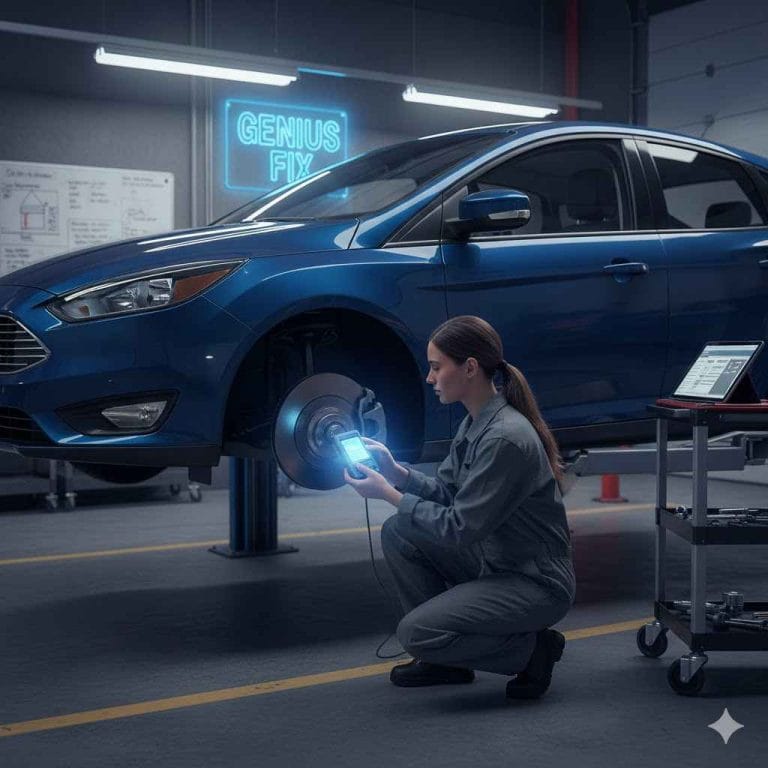
Best Ford Mechanic Near You: Expert Repair & Service
Finding the best Ford mechanic near you is crucial for keeping your vehicle running smoothly and reliably. Your Ford is more than just a car; it’s a dependable part of your daily life, and it deserves expert care. This guide will help you identify the top-tier Ford specialists, understand what makes a great mechanic, and ensure your Ford receives the best possible service without breaking the bank.
In short, the best Ford mechanic near you offers specialized expertise, uses genuine Ford parts or high-quality equivalents, provides transparent pricing, and has a strong reputation for reliable service and customer satisfaction. Look for certified technicians and positive reviews to make an informed choice.
Key Takeaways
- Best Ford mechanics possess specialized knowledge of Ford vehicles.
- Look for mechanics certified by the National Institute for Automotive Service Excellence (ASE) for Ford.
- Genuine Ford parts or OEM-quality replacements are vital for longevity and performance.
- Transparent pricing and clear communication are hallmarks of a trustworthy Ford mechanic.
- Customer reviews and testimonials offer valuable insights into a mechanic’s reputation.
What Makes a Ford Mechanic “The Best”?
The “best” Ford mechanic isn’t just someone who can change your oil. It’s a professional who deeply understands the intricacies of Ford’s engineering. This includes specific knowledge of engine types, transmission systems, electronic components, and common issues that plague various Ford models, from the ubiquitous F-150 to the sporty Mustang or the family-friendly Explorer.

Detroit Shirt Company
Ford Script Work Shirt for Men –…
- Durable black work shirt with a structured fit and short sleeves
- Classic Ford script logo embroidered on the left chest. Made from 65% polyester and 35% cotton permanent press poplin
- Fade-resistant fabric with a lined two-piece collar and permanent stays. Functional button-front design with dual chest pockets
As an Amazon Associate I earn from qualifying purchases.
Expertise extends to diagnostics. A top mechanic will have advanced diagnostic tools specifically calibrated for Ford vehicles, allowing them to pinpoint problems accurately and efficiently. This avoids unnecessary repairs and saves you time and money.
They stay updated with the latest Ford technologies and service bulletins, ensuring they’re equipped to handle even the most complex modern Fords.
Beyond technical skill, trust and transparency are paramount. The best Ford mechanics will explain repairs clearly, provide detailed estimates before starting work, and be upfront about any potential issues. They’ll also stand behind their work with a solid warranty, giving you peace of mind.
- Specialized knowledge of Ford model lines (cars, trucks, SUVs).
- Proficiency with Ford’s proprietary diagnostic software and tools.
- Experience with common Ford repair issues and maintenance schedules.
- Commitment to using genuine Ford parts or high-quality OEM alternatives.
- Clear communication and detailed, upfront estimates.
- Willingness to provide warranties on parts and labor.
- Continuous training and updates on Ford vehicle advancements.

The Importance of ASE Certification for Ford Technicians
When searching for the best Ford mechanic near you, look for the ASE (Automotive Service Excellence) certification. This is a recognized standard of competence in the automotive industry. ASE-certified technicians have passed rigorous exams demonstrating their knowledge and skills in various automotive areas.
For Ford owners, specific ASE certifications are particularly valuable. Technicians specializing in Ford vehicles might hold certifications in areas like Engine Repair (A1), Automatic Transmission/Transaxle (A2), Brakes (A5), Electrical Systems (A6), and Engine Performance (A8). Some technicians may even pursue advanced certifications like the L1 (Advanced Engine Performance Specialist) or L3 (Light Duty Hybrid/Electric Vehicle Specialist).
An ASE-certified technician is committed to ongoing training and professional development. This means they are more likely to be up-to-date with the latest diagnostic techniques and repair procedures for your Ford. It’s a clear indicator that they have a strong grasp of automotive principles and are dedicated to quality workmanship.
Common ASE Certifications for Ford Mechanics
- A1-A8: Core certifications covering various vehicle systems.
- G1: Auto Maintenance and Light Repair.
- L1: Advanced Engine Performance Specialist.
- L3: Light Duty Hybrid/Electric Vehicle Specialist.
- T-Series: Medium-Heavy Truck certifications (relevant for F-Series Super Duty).
These certifications are not just badges; they represent a commitment to excellence and a higher standard of service that you can rely on for your Ford.
| Certification Type | Description | Relevance for Ford Owners |
|---|---|---|
| Engine Repair (A1) | Tests knowledge of engine systems, diagnostics, and repair. | Crucial for all Ford engine maintenance and repair. |
| Electrical Systems (A6) | Covers vehicle electrical components, wiring, and diagnosis. | Essential for modern Fords with complex electronic systems. |
| Engine Performance (A8) | Focuses on diagnosing and repairing issues affecting engine efficiency and emissions. | Key for optimizing fuel economy and reducing emissions in your Ford. |
| Advanced Engine Performance (L1) | For specialists dealing with complex engine management and diagnostic challenges. | Indicates a high level of expertise for intricate engine problems. |
Choosing an ASE-certified mechanic means choosing a professional who has proven their skills and dedication to quality.
Why Genuine Ford Parts Matter
When your Ford needs a replacement part, the quality of that part makes a significant difference in the vehicle’s performance, longevity, and safety. Genuine Ford parts are designed and manufactured specifically for your Ford model, ensuring a perfect fit and optimal function. They undergo rigorous testing by Ford engineers to meet the company’s high standards.
Using genuine Ford parts helps maintain your vehicle’s integrity. They are engineered to work seamlessly with other components, preventing premature wear and tear that can occur with aftermarket parts that may not meet exact specifications. This is especially important for critical systems like brakes, engines, and transmissions.
While aftermarket parts can sometimes be cheaper, the cost savings are often short-lived. Poorly fitting or lower-quality aftermarket components can lead to further damage, requiring more expensive repairs down the line. The best Ford mechanics will often recommend or exclusively use genuine Ford parts for this reason, safeguarding your investment.
Benefits of Using Genuine Ford Parts
- Perfect Fit: Designed and manufactured to precise Ford specifications.
- Guaranteed Quality: Undergo stringent quality control and testing by Ford.
- Optimized Performance: Ensure your Ford operates as intended by the manufacturer.
- Durability: Built to last, reducing the need for frequent replacements.
- Warranty Protection: Often covered by Ford’s parts warranty, protecting your vehicle’s overall warranty.
- Safety: Meet Ford’s safety standards, ensuring reliable operation of safety-critical systems.
Always ask your mechanic if they use genuine Ford parts or comparable OEM (Original Equipment Manufacturer) quality parts. This is a key indicator of a mechanic who prioritizes your vehicle’s long-term health.
Understanding Transparent Pricing and Estimates
One of the biggest frustrations for car owners is unexpected repair costs. The best Ford mechanic near you will prioritize transparent pricing. This means providing you with a detailed estimate before any work begins, outlining all the necessary parts and labor involved.
A comprehensive estimate should break down costs clearly. You should see the price of each part, the estimated labor hours, and the hourly labor rate. Any additional fees, such as diagnostic charges or shop supplies, should also be clearly itemized.
This allows you to understand exactly what you’re paying for and why.
If during the repair process, the mechanic discovers additional issues or if the cost exceeds the original estimate, they should contact you immediately for approval. This communication is vital. It respects your budget and empowers you to make informed decisions about your Ford’s repair needs.
A mechanic who consistently provides accurate estimates and communicates effectively builds trust and long-term customer loyalty.
What to Look for in a Repair Estimate
- Detailed Part Descriptions: Specific part numbers and their costs.
- Labor Breakdown: Number of hours estimated for each task and the labor rate.
- Diagnostic Fees: Clearly stated if applicable.
- Taxes and Fees: Itemized and clearly marked.
- Total Estimated Cost: A final figure before work commences.
- Warranty Information: Details on the warranty for parts and labor.
Never hesitate to ask questions about an estimate you don’t fully understand. A reputable mechanic will be happy to explain every detail.
Leveraging Customer Reviews and Reputation
In today’s digital age, customer reviews are an invaluable resource when seeking the best Ford mechanic near you. Websites like Google Reviews, Yelp, and specialized auto repair directories offer a wealth of firsthand experiences from other Ford owners.
When reading reviews, look for patterns. Are multiple customers praising the same mechanic for their honesty, efficiency, or fair pricing? Conversely, are there recurring complaints about poor communication, overcharging, or subpar repairs?
Pay attention to both positive and negative feedback and how the business responds to criticism. A responsive business that addresses complaints professionally often indicates a commitment to customer satisfaction.
Beyond online reviews, consider seeking recommendations from friends, family, or colleagues who own Ford vehicles. Personal referrals are often the most reliable way to find a trustworthy mechanic. A strong local reputation is built on consistent quality service, and satisfied customers are often eager to share their positive experiences.
Where to Find Mechanic Reviews
- Google Reviews: Widely accessible and often the first stop for local searches.
- Yelp: Another popular platform for local business reviews.
- Angi (formerly Angie’s List): Focuses on home and service professionals, including auto repair.
- Better Business Bureau (BBB): Checks for accredited businesses and complaint history.
- Specialized Auto Forums: Ford owner forums might have local recommendations.
A mechanic with consistently high ratings and positive testimonials across multiple platforms is a strong contender for being the best choice for your Ford.
Advanced Diagnostics and Repair Capabilities
Modern Ford vehicles are packed with sophisticated electronics, sensors, and complex computer systems. Diagnosing issues in these vehicles requires specialized equipment and deep technical knowledge. The best Ford mechanics invest in advanced diagnostic tools, including those that are Ford-specific, allowing them to read error codes, monitor live data streams, and perform intricate system tests.
This diagnostic capability is crucial for accurate problem identification. Instead of guessing or replacing parts speculatively, a skilled technician can use data to pinpoint the exact cause of a problem, whether it’s a faulty sensor, a communication error between modules, or a software glitch. This approach saves time, money, and prevents the potential for misdiagnosis leading to further complications.
Furthermore, the ability to perform software updates or recalibrations is often necessary for modern Fords. For instance, after replacing a module or a sensor, certain components may need to be programmed or “married” to the vehicle’s network. A top Ford mechanic will have the capability and expertise to handle these advanced procedures, ensuring all systems function correctly after a repair.
Key Diagnostic Tools and Capabilities
- OBD-II Scanners: Standard for reading trouble codes.
- Ford-Specific Diagnostic Software: Such as Ford’s Integrated Diagnostic System (IDS) or similar professional tools.
- Oscilloscopes: For analyzing electrical signals.
- Scan Tools with Bi-Directional Control: Allows the technician to command components on/off to test functionality.
- Fuel Pressure Testers: For engine performance issues.
- Battery and Charging System Testers: To assess electrical health.
When your Ford presents a complex issue, seeking a mechanic with advanced diagnostic capabilities is paramount for an accurate and efficient resolution.
Finding a Ford Specialist vs. a General Mechanic
While general mechanics can handle basic maintenance tasks on most vehicles, Ford specialists offer a distinct advantage. Their concentrated knowledge and experience with the Ford brand mean they understand the nuances that a generalist might overlook.
Ford engineers its vehicles with specific designs, materials, and electronic architectures. A Ford specialist has likely encountered and resolved countless issues specific to your model. They know the common failure points, the best repair strategies, and the factory procedures intimately.
This specialized knowledge often leads to faster, more accurate, and more durable repairs.
For complex repairs, performance tuning, or issues related to advanced Ford technologies (like EcoBoost engines, SYNC systems, or hybrid powertrains), a specialist is almost always the better choice. They have the right tools, the correct parts, and the up-to-date training necessary to handle these demanding jobs effectively. While a general mechanic might be suitable for an oil change, for anything more involved, a dedicated Ford mechanic is your best bet.
When to Choose a Ford Specialist
- Major Engine or Transmission Repairs: These systems are complex and specific to Ford.
- Electrical System Diagnostics: Modern Fords have intricate electrical networks.
- Performance Issues: Optimizing EcoBoost engines or diagnosing driveability problems.
- Warranty Repairs: Ensure compliance with manufacturer requirements.
- Specialized Ford Systems: Like active safety features, SYNC connectivity, or advanced suspension.
- Pre-Purchase Inspections: For a used Ford, a specialist can spot model-specific issues.
Choosing a specialist ensures your Ford receives the expert attention it deserves, leading to greater reliability and longevity.
Frequently Asked Questions
What are the most common Ford repair issues?
Common issues vary by model and year, but some recurring problems include power steering failures in certain models, catalytic converter issues, transmission problems (especially in older automatics), ignition coil failures, and water pump leaks. Newer models might also experience electrical glitches related to infotainment systems or sensors. A good Ford mechanic will be familiar with these common pitfalls.
How often should I get my Ford serviced?
Ford recommends specific maintenance intervals based on model and driving conditions, typically found in your owner’s manual. Generally, oil changes are recommended every 5,000 to 7,500 miles, while more comprehensive services involving fluid checks, filter replacements, and inspections occur every 15,000 to 30,000 miles. Following the manufacturer’s schedule is key to preventing major issues.
Can a general mechanic work on my Ford?
Yes, a qualified general mechanic can perform many routine maintenance tasks and common repairs on a Ford. However, for specialized diagnostics, complex repairs, or issues unique to Ford technology, a mechanic specializing in Ford vehicles will have the expertise, tools, and parts knowledge that a general mechanic may lack, leading to better and more reliable repairs.
What is the average cost of a Ford oil change?
The average cost for a Ford oil change typically ranges from $50 to $100, depending on your location, the type of oil used (conventional vs. synthetic), and whether you use a dealership or an independent mechanic. Synthetic oil, often recommended for newer Fords or for extended drain intervals, will generally cost more.
How do I find a Ford mechanic if I’ve just moved?
When moving, start by using online search engines with terms like “Ford mechanic near me” or “Ford repair shop “. Check reputable review sites like Google, Yelp, and the BBB. Ask new neighbors or colleagues who drive Fords for their recommendations.
Look for shops with ASE certifications and a clear specialization in Ford vehicles.
Final Thoughts
Finding the best Ford mechanic near you is about more than just convenience; it’s about ensuring the longevity and performance of your vehicle. Prioritize mechanics with specialized Ford knowledge, ASE certifications, and a commitment to using genuine parts. Transparent pricing, clear communication, and a strong reputation built on positive customer reviews are all vital indicators of a trustworthy professional.
By following these guidelines, you can confidently select a mechanic who will keep your Ford running optimally for years to come. See also how long do ford cars last real owner data revealed. See also ford car key stopped working here’s the quick fix.
Related pick: Check today's price on Amazon See also can you track ford car keys if they go missing yes .