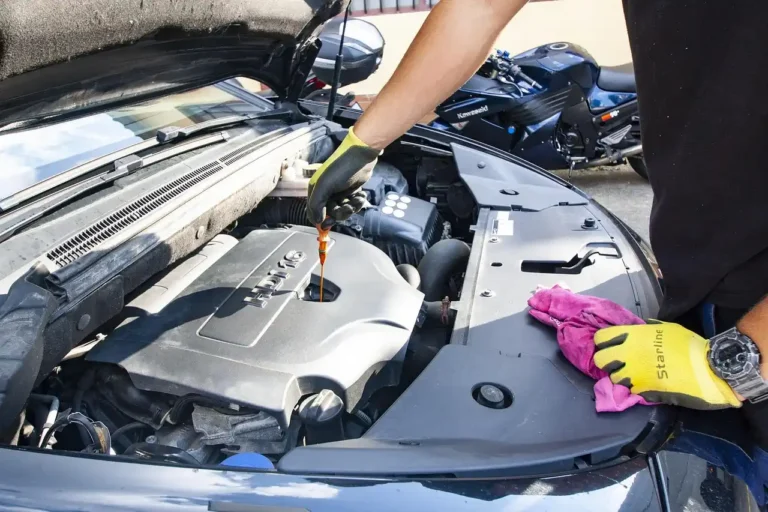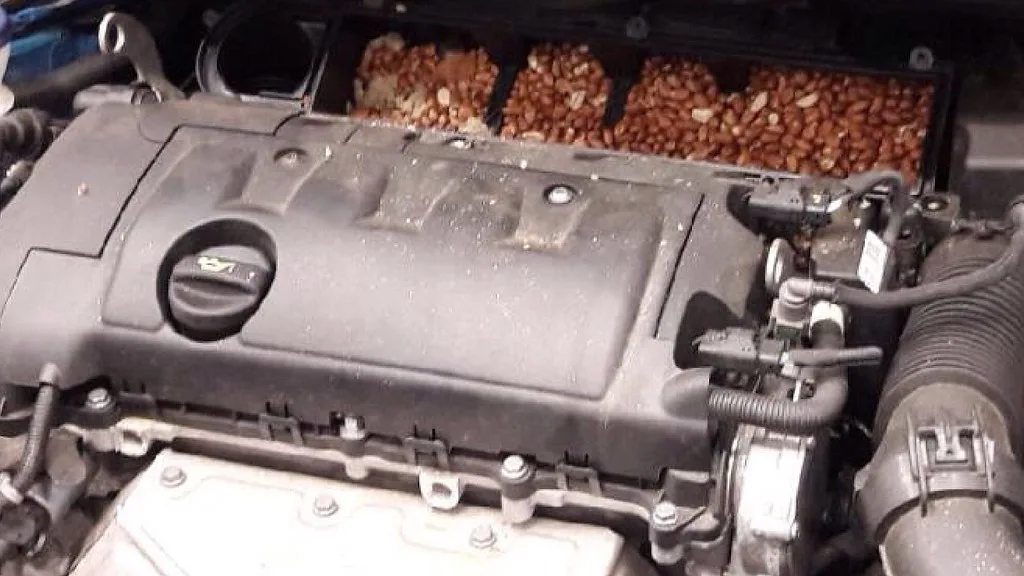
Honda Civic cabin air filter vs engine air filter guide
Check the filter that matches the symptom first: cabin air filter for musty smell, weak vents, or allergy irritation; engine air filter for loss of power, poor mpg, or airflow codes. Picking the wrong one wastes money and leaves you with stale cabin air or extra engine strain. This guide gives a simple yes/no triage, quick DIY checks, and service timing for a Honda Civic.
This guide is part of our Honda Civic maintenance guide series.
| Decision factor | Honda Civic cabin air filter | Engine air filter: Which one needs attention first? | Winner |
|---|---|---|---|
| Primary job | Filters air entering the HVAC system for cabin air quality and odor control. | Filters intake air so the engine breathes clean air and avoids dust ingestion. | Tie |
| Best symptom match | Weak airflow, stale odor, dusty vents, allergy irritation. | Lazy throttle response, reduced mpg, rougher airflow into the intake. | Depends on symptom |
| Fix urgency when only one problem is present | Usually the faster, lower-risk first check when the issue is comfort or smell. | Higher urgency when the issue is power, fuel use, or engine protection. | Engine air filter for drivability issues |
| DIY access | Often behind the glove box in the HVAC housing. | Often in the air box on the intake side under the hood. | Tie |
| Risk if ignored | Poor cabin comfort, weaker blower feel, lingering odor, faster AC frustration. | Restricted engine breathing, dust exposure, and avoidable performance loss. | Engine air filter |
Which Honda Civic filter should you check first?


Use the symptom, not habit, to choose first. If the Civic has weak vents, musty odor, or allergy flare-ups, start with the cabin air filter. If the complaint is slower acceleration, poor mpg, or a dusty intake, start with the engine air filter.
When cabin comfort points to the cabin air filter
A bad smell from the vents, weaker AC feel at the dash, or dust in the cabin usually points to the HVAC side. That filter sits in the air path before air reaches the blower and vents, so blockage can cut airflow and keep odor contamination around.
If the driver wants cleaner cabin air first, this is the quicker check. It is also the lower-cost, lower-risk place to start when the complaint is clearly about comfort rather than power.
When drivability points to the engine air filter
Loss of throttle response, a sluggish pull away from a stop, or a worse-than-usual fuel economy trend points to the intake side. That filter protects the engine, so a loaded element can choke airflow and make the engine work harder to breathe.
If the Civic still has decent cabin airflow but feels flat on the road, the engine air filter deserves first attention. That is the filter tied to engine protection, and it should not wait if the element is packed with dirt or debris.
According to automobiles.honda.com — The 2026 Civic Sedan starts at $24,695.
What the cabin air filter does in a Civic
The cabin air filter sits in the HVAC system and helps keep pollen, dust, smoke residue, and road grime out of the air reaching the cabin. When it loads up, blower feel drops, odors linger longer, and the AC can seem weak even if the refrigerant system is fine.
Where it sits in the HVAC system
On many Civic setups, the cabin filter is reached behind the glove box. That location matters because the filter is on the cabin side of the HVAC intake path, so it can be checked without opening the engine bay.
Access is usually simple, but the exact trim and model year can change the process. The owner’s manual is the correct reference for the specific Civic.
Symptoms that point to a clogged cabin filter
- Weak airflow from the dash vents.
- Musty, stale, or dusty odor when the blower starts.
- More dust settling in the cabin than usual.
- Blower sounds normal, but air delivery feels choked.
- Allergy irritation that gets worse with the HVAC running.
These signs point to the filter before they point to the compressor, blower motor, or other HVAC parts. If airflow is poor only at the vents and the cabin filter looks packed, that is usually the first fix to make.
DIY access, tools, and what to inspect
On many Civics, cabin filter access does not require special tools beyond your hands. Some trims may need a trim tool or a small screwdriver for a stop or retainer, but the job is generally simple and quick.
- Open the glove box and empty it.
- Release the stops or dampers so the glove box drops down.
- Remove the filter cover from the HVAC housing.
- Slide the cabin filter out carefully.
- Check for dirt loading, pollen buildup, torn media, moisture, and odor contamination.
Replace it now if the pleats are dark, flattened, wet, or smell sour. Inspect soon if the filter is dusty but still intact and airflow has only started to fade.
What the engine air filter does in a Civic
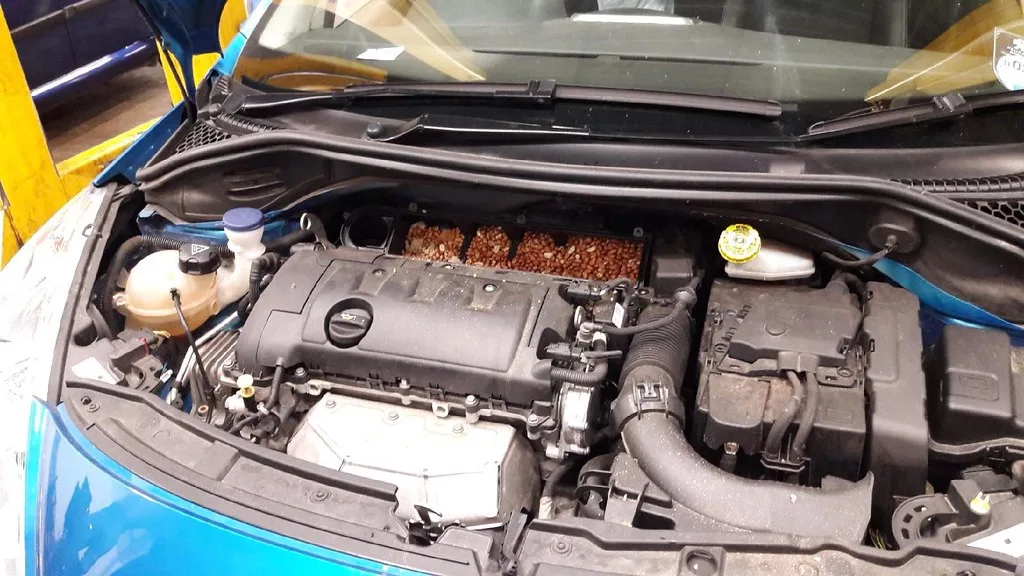
The engine air filter sits in the intake system and helps keep grit out of the engine while still allowing enough air for normal operation. If it becomes clogged, the Civic may feel less eager to respond, and the engine can lose some efficiency because it has to pull harder through restricted airflow.
Where it sits in the intake system
The filter is usually housed in the air box under the hood. It is part of the intake path between outside air and the throttle body, so it directly affects how freely the engine breathes.
That location makes inspection straightforward on most Civics. Open the air box, lift the lid, and look at the element before assuming the throttle body or a sensor is the cause of poor response.
Symptoms that point to a clogged engine filter
- Sluggish acceleration from a stop.
- Less responsive throttle at highway merge speed.
- Poor fuel economy without another obvious cause.
- Dark dirt loading across the filter face.
- Dusty intake plumbing on the clean side of the box.
A dirty engine air filter does not usually create dramatic power loss at once. The change is often subtle at first, then more obvious when the filter is packed with dust or debris from harsh driving conditions.
How it can affect throttle response and mileage
When the intake side is restricted, the engine may not respond as crisply when the pedal goes down. Fuel economy can suffer too, though the change is often modest unless the filter is heavily loaded.
That is why a dirty engine filter is more than a comfort issue. It can affect engine breathing and dust protection at the same time, which makes it the first filter to inspect when drivability changes.
How often should a Honda Civic cabin air filter be changed?
Check the cabin air filter at the interval in the owner’s manual or maintenance minder, then shorten that interval if the car sees pollen, smoke, city traffic, or dusty roads. Inspection comes first; replacement follows only if the media is loaded, damp, torn, or odor soaked.
Mileage guidance and severe-service shortening
Honda’s schedule guidance is mileage-based and condition-based, so the exact interval can change with how the Civic is used. Severe-service driving, such as dusty routes or frequent stop-and-go traffic, can shorten filter life faster than calmer highway use.
Maintenance minder guidance and the owner’s manual should be checked for the specific model year. The schedule is a reference, not a promise that the filter still looks healthy at that mileage.
Why pollen, smoke, and city use shorten life
Pollen can clog pleats quickly in spring. Smoke can leave odor in the media. Urban stop-and-go traffic keeps the HVAC system cycling in dirtier air more often, so the cabin filter may load up before the next standard service visit.
Drivers with allergies should inspect sooner than the normal schedule. A filter that still looks passable can still carry odor or contaminant buildup that makes the cabin feel stale.
How often should a Honda Civic engine air filter be changed?
Check the engine air filter at the owner’s manual interval or maintenance minder recommendation, then inspect sooner if the Civic is driven on dusty roads, in heavy traffic, or during high-mileage commuting. Replace it when the media is loaded enough to restrict intake airflow or shows damage.
Mileage guidance and severe-service shortening
The engine filter interval changes with use, not just distance. A Civic that racks up long commutes on clean pavement may keep a filter healthy longer than one driven through construction dust or gravel roads.
Inspect first, replace second. That matters because a filter can look dirty and still be serviceable, while one that is torn, wet, or heavily packed should go now.
Why dust and high-mileage commuting matter
Dusty roads send more debris straight into the air box. High-mileage commuting means more total intake cycles, so the filter works harder and fills faster even if the roads are not extreme.
If the intake side is dirty early, the filter should be checked more often than a basic mileage chart suggests. The goal is clean airflow, not stretching the part past the point where it starts hurting response or letting grit through.
Use this decision table to pick the first filter
Start with the filter that matches the active symptom and the driving condition. If the problem is cabin smell or weak vents, the cabin air filter usually goes first. If the problem is power, mpg, or dusty intake risk, the engine air filter gets the first look.
| Symptoms and driving conditions | First filter to replace or inspect | Urgency |
|---|---|---|
| Musty odor, weak AC airflow, dusty vents, allergy irritation | Honda Civic cabin air filter | Replace now if the filter is dirty, damp, or odor soaked |
| Loss of acceleration, poor mpg, intake dust, sluggish throttle | Engine air filter | Replace now if the media is packed, torn, or wet |
| Dusty roads, construction routes, gravel shoulders, high-mileage commuting | Engine air filter first, then cabin filter | Inspect soon even if symptoms are mild |
| Smoke exposure, heavy pollen, urban stop-and-go traffic, cabin odor complaints | Honda Civic cabin air filter | Replace now if odor and debris are obvious |
| No clear symptom, both filters overdue on the maintenance minder | Inspect both filters in the same visit | Inspect soon |
Quick DIY inspection checklist for the cabin air filter
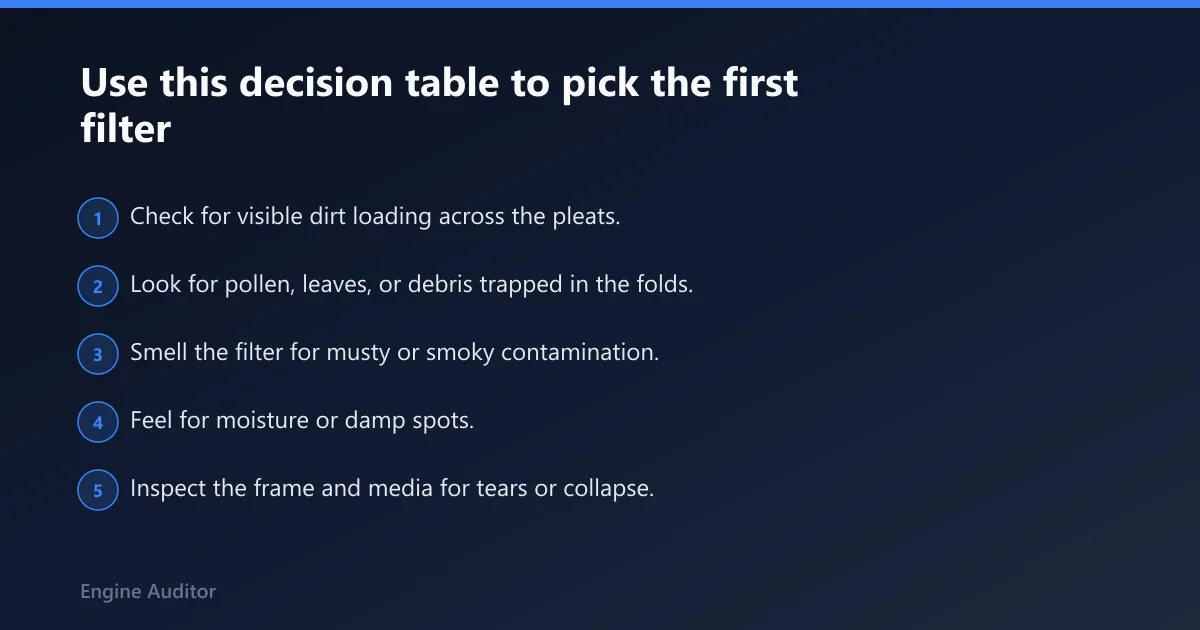
- Check for visible dirt loading across the pleats.
- Look for pollen, leaves, or debris trapped in the folds.
- Smell the filter for musty or smoky contamination.
- Feel for moisture or damp spots.
- Inspect the frame and media for tears or collapse.
Replace now if the filter is wet, torn, or foul-smelling. Inspect soon if it is dusty but still open enough that air can pass through without obvious restriction.
Quick DIY inspection checklist for the engine air filter
- Open the air box and look for dark dirt loading.
- Check for sand, leaves, or insect debris on the clean side.
- Hold the filter up to light to judge how much media is still open.
- Inspect for tears, warped edges, or crushed pleats.
- Check for moisture, oil contamination, or water staining.
Replace now if the filter is torn, soaked, or heavily loaded. Inspect soon if the filter is dirty but still intact and the Civic still pulls normally.
When one filter can wait and the other cannot
A dirty cabin filter can often wait a short time if the driver can tolerate the smell and airflow loss, but a badly loaded engine air filter should not be ignored when the car already feels flat. The reverse is also true: if the car drives fine but the vents smell stale, the cabin filter deserves first attention.
This is where cost-ordering matters. A cabin refresh can restore comfort fast, while the engine filter protects breathing and should move ahead when the symptom points there.
Verdict: Honda Civic cabin air filter or engine air filter: Which one needs attention first?
Choose Honda Civic cabin air filter if the Civic has weak vents, a musty or stale odor from the dash vents, dusty vents, or allergy irritation that gets worse with the HVAC running.
Choose engine air filter: Which one needs attention first if the Civic shows sluggish acceleration, poor mpg, or a dusty intake and the complaint is about drivability rather than cabin comfort.
Frequently asked questions
Cabin air filter vs engine air filter: which should I replace first on a Honda Civic?
Replace the filter tied to the active symptom first. Choose the cabin air filter for weak airflow, odor, or allergy irritation, and choose the engine air filter for loss of power, poor mpg, or dusty intake concerns. If both systems act up, inspect both in the same visit.
How often should a Honda Civic cabin air filter be changed?
Follow the owner’s manual or maintenance minder, then shorten the interval for pollen, smoke, dusty roads, or heavy city use. The right trigger is not the calendar alone. Inspect it sooner if vent airflow drops, odors return, or the filter has visible dirt loading.
How often should a Honda Civic engine air filter be changed?
Check it at the schedule in the owner’s manual, but inspect earlier if the Civic sees dust, construction routes, or long commutes. Replace it when the media is packed, damaged, or wet. A clean-looking filter can still be due if the intake side has heavy debris.
What symptoms mean my Civic cabin air filter is clogged?
Weak dash airflow, stale odor, dusty vents, and faster allergy irritation are the usual clues. A clogged cabin filter can make the blower feel weaker even when the HVAC system itself is working normally. If the filter is damp or sour-smelling, replacement should move ahead right away.
What symptoms mean my Civic engine air filter needs replacement?
Slow throttle response, reduced pull, and poorer fuel economy are the main clues. In dusty use, the filter may also look dark, packed, or unevenly loaded. If the media is torn or contaminated with moisture, replace it immediately because engine protection is no longer trustworthy.
Can I replace the cabin air filter myself on a Honda Civic?
Yes, on many Civics the cabin filter is a simple DIY job behind the glove box. Most owners only need basic hand access, though some trims may use a small retainer or clip. The owner’s manual should be checked for the exact access method on the specific model year.
Can a dirty engine air filter hurt Honda Civic gas mileage or performance?
Yes, but the effect is usually gradual rather than dramatic. A loaded engine filter can restrict intake airflow, dull throttle response, and trim fuel economy a bit. That is enough reason to inspect it early if the car feels less eager, especially after dusty driving.
Are cabin and engine air filters checked in the same maintenance visit?
They often should be. Both filters are simple to inspect during the same stop, and that makes it easier to catch one overdue part before it becomes a bigger annoyance. The cabin filter may be changed for comfort while the engine filter is still serviceable, or the reverse.
Does driving in dust or heavy traffic change filter replacement intervals?
Yes. Dusty roads shorten engine filter life, and smoke, pollen, and stop-and-go urban use shorten cabin filter life. High-mileage commuting also pushes both filters harder. In those conditions, inspect sooner than the baseline schedule and replace the filter that shows the worse loading first.
Products related to this article
Sponsored / affiliate links. As an Amazon Associate I earn from qualifying purchases. I may earn additional commission from eligible campaigns.