Ford Steering Wheel Shake: Common Causes and Fixes
Ford steering wheel shake usually comes from tire and wheel imbalance, tire damage, bent wheels, worn front suspension or steering parts, brake rotor runout when it happens mainly while braking, or alignment changes after an impact. Ignore it, and you can wear tires faster, lengthen stopping distance, and turn a small repair into a larger one. This guide helps you narrow the cause by speed, braking, bumps, and looseness, then points to the right fix.
Ford steering wheel shake: quick triage


When the shake happens
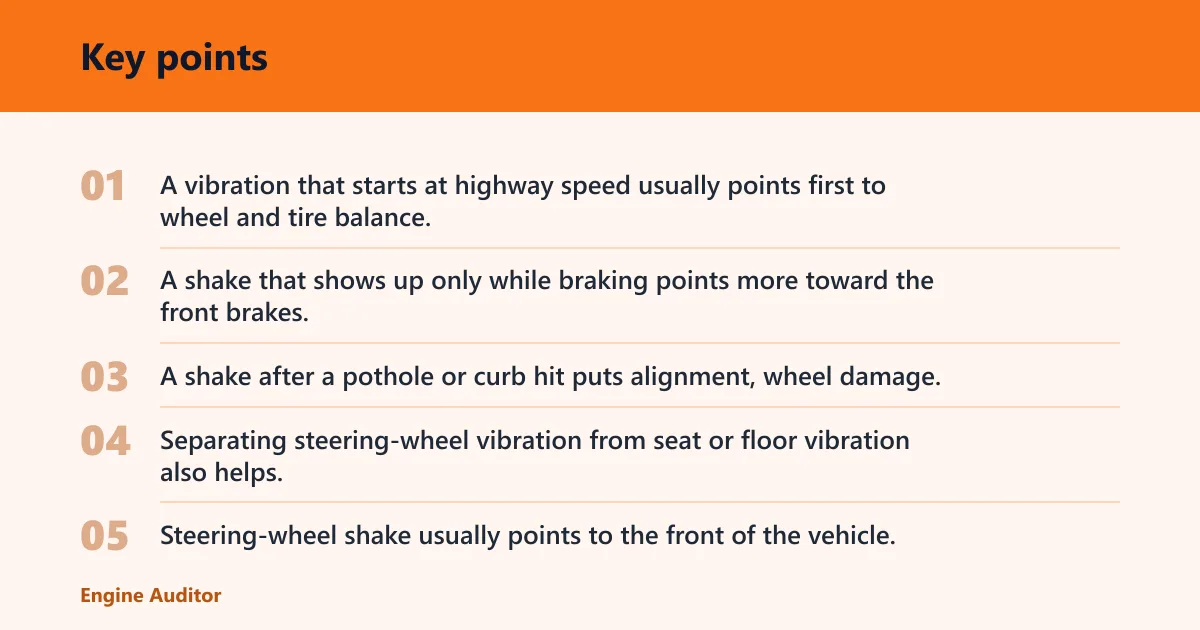
The timing matters more than the badge. A vibration that starts at highway speed usually points first to wheel and tire balance, bent wheels, tire runout, or tire defects. A shake that shows up only while braking points more toward the front brakes. A shake after a pothole or curb hit puts alignment, wheel damage, and suspension parts higher on the list.
Separating steering-wheel vibration from seat or floor vibration also helps. Steering-wheel shake usually points to the front of the vehicle. Seat or floor vibration often points farther back, which changes the first inspection step and the likely repair path.
Steering wheel vibration vs seat or floor vibration
If the steering wheel trembles but the seat stays calm, start with the front tires, front wheels, front brakes, and front steering parts. If the seat or floor shakes more than the wheel, inspect the rear tires and wheels too. That split saves time because a front balance problem and a rear tire problem do not follow the same repair path.
If a Ford shakes at about 62 mph on a smooth interstate, while the brake pedal feels normal and the wheel is the main thing vibrating, that tends to point more toward a front wheel or tire issue than a brake problem. That pattern fits a front wheel or tire issue better than a brake problem. If the same shake appears only when the pedal is pressed, the brake branch rises fast.
Stop-driving signs: severe looseness, loud clunking, or rapid worsening
A sudden severe shake with a loose steering feel means you should stop driving. The same warning applies if the wheel starts pulling hard, the clunking gets loud, or the vibration changes from a mild shimmy to a violent shake in a short drive. Loose lug nuts or a wheel that is not seated correctly can create that pattern.
Do not keep pushing a car with that symptom set. A wheel that is partly loose can damage the hub, wheel, studs, and brake parts in a short distance.
What causes steering wheel shake?

Front wheel and tire balance problems
Shaking is often caused by tire imbalance, alignment issues, worn brake rotors, or suspension wear. For Ford owners, the first branch is often wheel and tire balance because many drivers notice wheel balance problems most clearly between 55 and 75 mph. Missing wheel weights, mud packed inside a wheel, or a bent wheel can create that pattern.
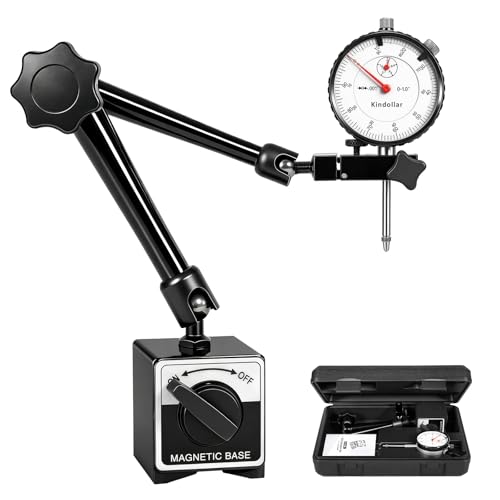
A balance service is only part of the check. A runout check matters too, because a wheel or tire can be balanced and still wobble if it is bent or has excess runout.
Brake rotor variation
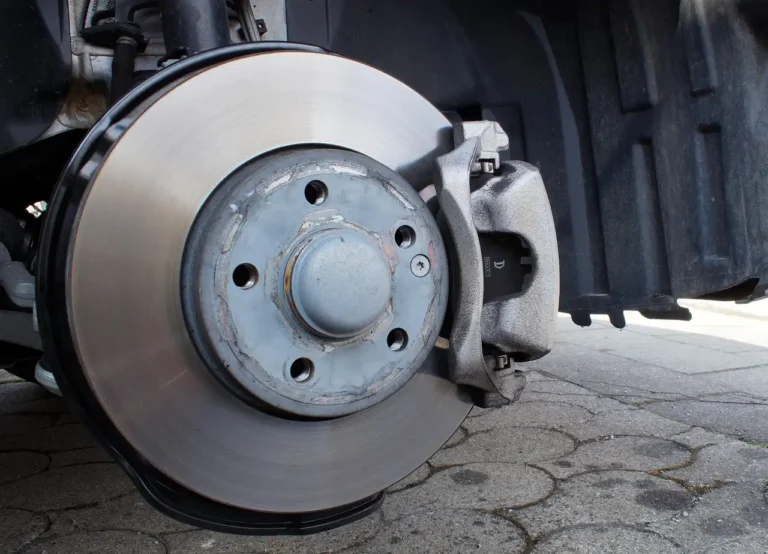
Vibration that happens only while braking commonly points to the brake rotors. Uneven brake rotor wear can send vibration into the steering wheel, especially through the front brake pulsation path. Thickness variation or surface variation on the rotor can make the wheel pulse even when the tires are fine.
If the wheel is smooth at speed but shakes the moment the brakes bite, the brake system moves to the front of the queue. That is especially true if the shake is strongest during light to moderate braking, not during coasting.
Alignment changes after impact
Pothole or curb impact can shift wheel alignment and may bend a wheel, disturb balance, or damage tires and suspension parts. Alignment trouble often shows up as a pull to one side, a crooked steering wheel, or uneven tire wear. Most manufacturers list alignment settings by specification, so the repair should end with those numbers verified rather than guessed.
If the shake began right after a sharp hit, do not stop at an alignment check. The wheel, tire, and suspension parts may have taken the hit together.
Suspension, steering, and bearing wear
Components such as tie rods, ball joints, control arm bushings, wheel bearings, and shocks help keep the vehicle stable. When they wear, the shake often comes with clunking, wandering, or a loose steering feel rather than a simple speed-related shimmy. That pattern points away from balance alone.
Wheel bearing problems can show up as front-end play, noise, looseness, or vibration that is easiest to confirm on a lift. If the wheel can be rocked or there is audible roughness while spinning, bearing wear deserves attention fast.
Tire damage and wheel defects
Tires can shake the wheel even when balance looks acceptable. Internal belt separation, bulges, flat spots, and uneven wear can all create vibration. A tire with a damaged internal belt may look normal from the outside, which is why visual inspection alone is not enough.
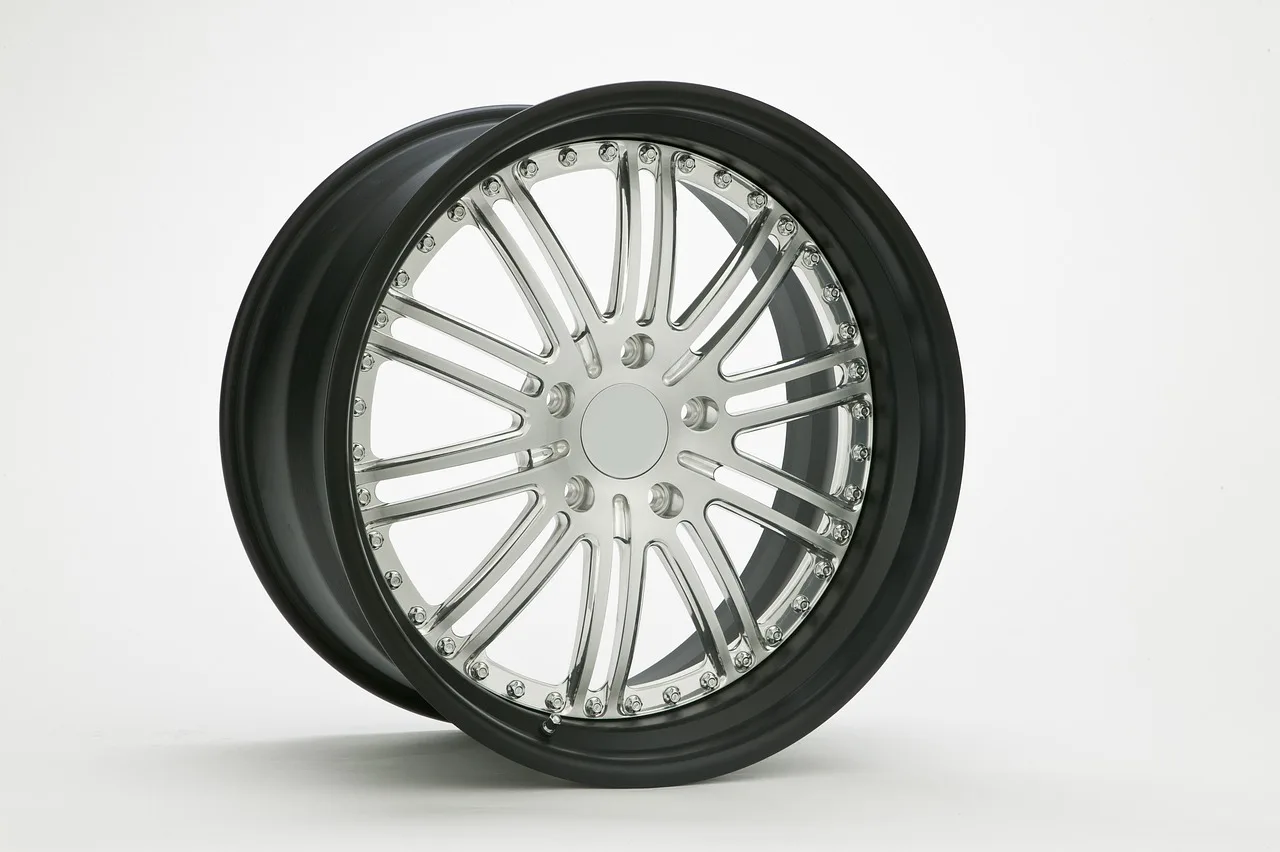
Wheel defects matter too. A bent wheel can mimic a balance issue and can survive an ordinary spin balance if the shop does not check for lateral or radial runout.
Wheel and tire diagnostics
Check inflation pressure and visible tire damage first
Start with tire inflation pressure, visible damage, and tread wear pattern. Look for bulges, cuts, scalloping, flat spots, and a tire that looks worn more on one edge than the other. That first pass catches easy faults before more time goes into alignment or brake work.
Then verify wheel nut torque. If a wheel has been removed recently, or if the shake began after service, loose lug nuts and poor wheel seating move to the top of the list.
Look for missing wheel weights and bent wheels
Missing wheel weights are a common cause of highway-speed vibration. If a balance weight is gone, the shake often starts in a narrow speed band and fades at other speeds. Bent wheels can do the same thing, especially after pothole impact.
Check the inside and outside of the wheel, not only the face. A bent inner lip is easy to miss from a quick glance.
Why tire runout and belt separation matter
The guide says a balance check and runout measurement help identify highway-speed vibration sources. That matters because a tire can be balanced and still hop or wobble if the casing has excessive runout or an internal belt has separated. A flat spot from sitting can also create a brief shake until the tire warms and rounds out again.
Suppose a Ford F-150 pulls out of a driveway fine, then starts shimming at 60 mph after a pothole strike the day before. A bent wheel, tire runout, or belt damage fits that story better than a brake rotor issue, because the problem shows up with road speed rather than pedal use.
When balancing is not enough
If a balance service reduces the shake but does not remove it, look harder at runout, wheel damage, tire defects, and suspension wear. A wheel that is technically balanced can still be out of round or damaged enough to shake at speed.
Alignment also matters here. A tire can wear unevenly from bad alignment and then start vibrating even after the alignment is corrected, because the wear pattern remains in the tire.
Why does it shake at highway speeds?
The balance-and-runout pattern
Why is my Ford steering wheel shaking while driving? When the shake shows up mainly at highway speeds, the first suspects are wheel and tire balance, bent wheels, tire runout, or tire defects. Many drivers notice it most clearly between 55 and 75 mph, which is why a low-speed town drive can feel normal.
That speed window matters. A brake problem usually does not wait for a certain road speed; it waits for pedal use. Highway-speed shake points more to the rotating assembly than to the caliper.
Uneven wear, flat spots, and internal belt separation
Uneven wear can turn a mild balance issue into a steady shimmy. Flat spots often follow hard braking, long parking, or cold storage. Internal belt separation can feel like a rhythmic pulse that grows worse as speed rises.
Those issues often leave clues in the tire tread. Look for a lump, a scalloped edge, or a section that looks taller than the rest of the tire.
What a road test can tell you
A short road test helps separate speed-related vibration from brake-related pulsation. If the wheel shakes at a steady cruise and stays about the same when the brakes are not applied, the diagnosis leans toward tires, wheels, or alignment. If the vibration changes sharply with brake pressure, the brake rotor branch moves up.
Can brakes cause the shake?
Front brake pulsation and rotor thickness variation
Can brake problems cause steering wheel shaking? Yes. Vibration that happens only while braking commonly points to the brake rotors, especially the front rotors. Thickness variation can create a pulse that is felt through the steering wheel and sometimes through the brake pedal too.
That pattern is more specific than generic “warped rotors” language. The important clue is when the shake happens, not just where you feel it.
Surface variation and heat spots
Surface variation on a rotor can also send vibration into the wheel. Heat spots, uneven pad transfer, or rotor wear that is not even across the face can all create pulsation under braking. The inspection should include rotor thickness and surface condition, not only pad thickness.
How to separate brake shake from tire shake
Brake shake appears during braking and usually eases when the pedal is released. Tire or wheel shake appears during steady driving and often has a road-speed pattern. If the vibration grows with a longer brake application, the front brake hardware is more likely than the tires.
Alignment and suspension checks
Pothole and curb impact clues
After a pothole or curb strike, look for steering pull, uneven tire wear, and a new vibration. Impact can knock alignment out of spec and can also bend a wheel or damage a tire. The front end often shows the problem first because it takes the hit directly.
Tie rods, ball joints, and control arm bushings
Worn tie rods, ball joints, and control arm bushings can let the front wheels move in ways they should not. That looseness can feel like a shake, wander, or steering correction on the highway. A clunk over bumps alongside vibration is a strong clue that the issue is not balance alone.
Struts, shocks, and wheel bearing play
Can worn shocks or struts cause steering wheel vibration? Yes, but usually by letting the tire move too much over the road, which can add shake and uneven wear. Wheel bearing looseness can do the same thing, and it is often easiest to confirm with the wheel off the ground on a lift.
A wheel bearing that has play may also make noise when turned by hand. That noise, plus looseness, is more telling than vibration alone.
Why pulling and uneven wear matter
Pulling to one side and uneven tire wear are clues that alignment or suspension parts need attention. They do not prove the problem by themselves, but they tell you where to look next. If the steering wheel is off-center and the tires are wearing unevenly, alignment verification should not wait.
Steering shake diagnostic matrix
| Symptom pattern | Most likely cause | First check | Safe to drive? | Next repair step |
|---|---|---|---|---|
| Highway-speed shimmy, strongest at 55 to 75 mph | Wheel and tire balance, bent wheel, tire runout, missing wheel weight | Inflation pressure, tread damage, wheel weights, runout check | Usually short-distance only if mild and stable | Balance service, wheel runout inspection, tire replacement if damaged |
| Brake-only pulsation while slowing down | Front brake rotor thickness variation or surface variation | Rotor thickness and surface condition | Usually limited, but inspect soon | Measure rotors, resurface or replace parts as needed |
| Shake after pothole impact | Wheel alignment change, bent wheel, tire damage, suspension damage | Tire bulges, wheel bend, steering pull, uneven wear | Drive cautiously only if no severe pull or noise | Alignment verification, wheel and tire inspection, suspension check |
| Shake with clunking | Tie rods, ball joints, control arm bushings, struts, shocks, or wheel bearings | Front-end play, clunk over bumps, wheel noise | Often no, if looseness is clear or worsening | Lift inspection, worn parts replacement, alignment afterward |
| Sudden severe looseness | Loose lug nuts, wheel not seated correctly, severe steering or bearing fault | Wheel nut torque, wheel seating, visible wobble | No; stop driving | Tow to a shop, correct wheel attachment, inspect hub and studs |
Frequently asked questions
Why is my Ford steering wheel shaking while driving?
Most often, the cause is in the front tires, wheels, brakes, or steering and suspension parts. The clue is when the shake appears. Highway-speed vibration points first to balance or runout, while shake that happens mainly while braking points to the front rotors.
Is it safe to keep driving when the steering wheel shakes?
Only if the shake is mild and stable, and there is no looseness, clunking, or rapid worsening. A sudden severe shake with a loose steering feel means you should stop driving. If the wheel nut torque is uncertain or a tire shows damage, treat it as urgent.
Why does my steering wheel shake at highway speeds?
That pattern usually points to tire balance, bent wheels, tire runout, or tire defects such as belt separation, bulges, or flat spots. Many drivers report feeling it most around 55 to 75 mph. A brake issue is less likely if the shake appears during steady cruising and not during braking.
Can brake problems cause steering wheel shaking?
Yes. Vibration that happens only while braking commonly points to the brake rotors. Thickness variation or surface variation can send pulsation into the steering wheel, especially from the front brakes. If the wheel is smooth until the pedal is pressed, the brake system should be checked first.
How do I tell if the shake is from tires or alignment?
Tire and wheel problems usually create a speed-based shimmy, while alignment problems more often show up as pulling, crooked steering wheel position, or uneven tire wear. After a pothole or curb strike, both are possible. A balance check and four-wheel alignment verification are the usual next steps.
What should I check first if my Ford steering wheel is shaking?
Check tire pressure, visible tire damage, tread wear, and wheel nut torque first. Then look for missing wheel weights, bent wheels, or signs of impact. If the shake happens only while braking, move to rotor thickness and surface condition. If it comes with clunking or looseness, inspect the steering and suspension parts on a lift.
Products related to this article
Sponsored / affiliate links. As an Amazon Associate I earn from qualifying purchases. I may earn additional commission from eligible campaigns.