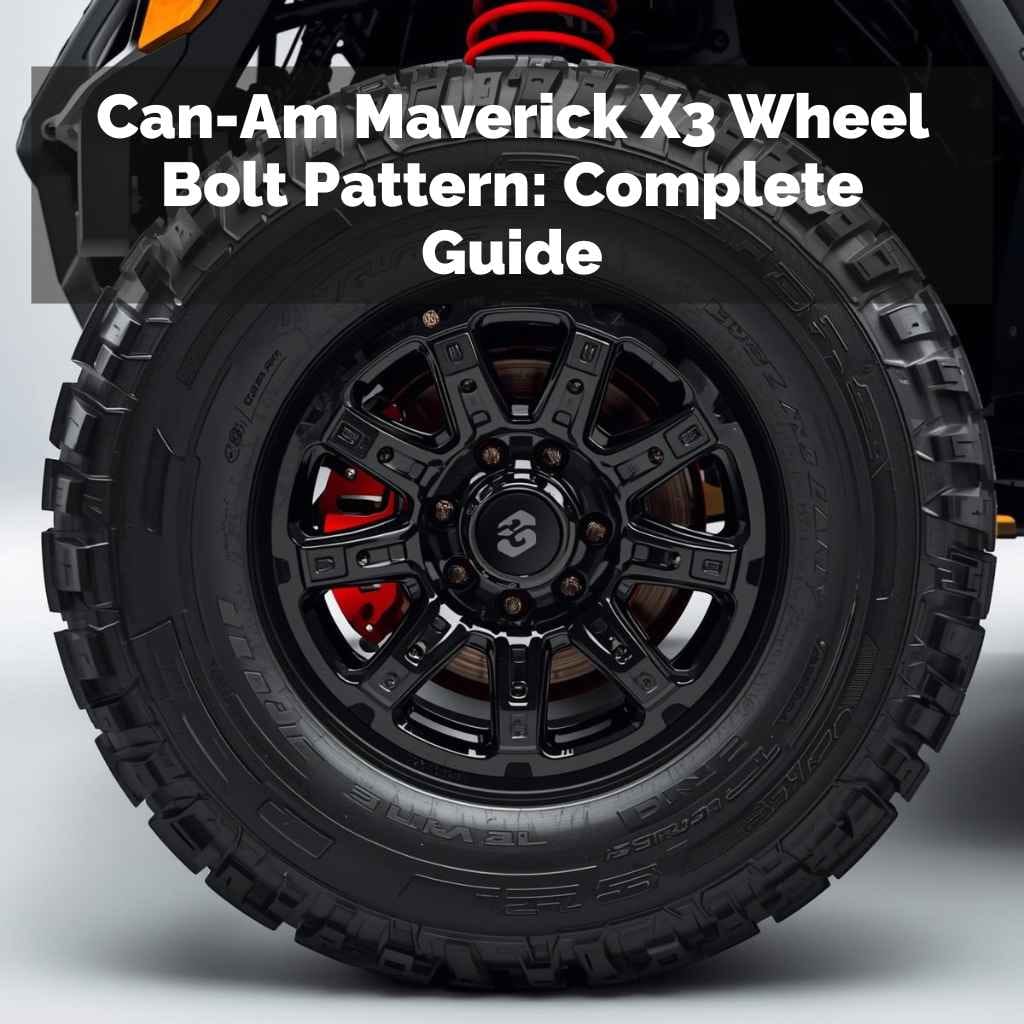
Can Am Maverick X3 Wheel Bolt Pattern (Complete Guide)
It’s frustrating when you want to upgrade your UTV, but you’re not sure if the parts will fit. This is especially true for wheels. You see a set you love, but the bolt pattern is a mystery.
Or maybe you’re replacing a damaged wheel and need the exact specs. Don’t worry, finding the right fit for your Can-Am Maverick X3 is simpler than you think. We’ll break down the wheel bolt pattern so you can get back to riding.
The Can-Am Maverick X3 uses a 4×137 bolt pattern. This means there are 4 bolt holes and the diameter of the circle they form is 137mm. Most aftermarket wheels designed for the Maverick X3 will explicitly state compatibility with this 4×137 pattern.
Understanding Your Can-Am Maverick X3 Wheel Bolt Pattern
Let’s dive into what a wheel bolt pattern actually is. It tells you how the wheel attaches to your vehicle. This is super important.
Getting it wrong means the wheel won’t fit at all. Or, even worse, it could be unsafe.
The pattern has two main numbers. The first is the number of bolts. The second is the diameter of the bolt circle.
For your Can-Am Maverick X3, this is 4 by 137. That means 4 bolts hold the wheel on. These 4 bolts sit on a circle that measures 137 millimeters across.
This is pretty standard for many UTVs, but it’s not universal. Always double-check for your specific model.
Why is this number so specific? It ensures the wheel sits perfectly flush against the hub. This is vital for safe driving.
A mismatched pattern can lead to vibrations. It can also cause uneven wear on your tires and suspension. In extreme cases, it can even lead to wheel failure.
Nobody wants that when they are out on the trail.
When you look at wheels, you’ll often see the bolt pattern listed. It might say “4/137” or “4×137”. Sometimes, shops might list it in inches.
137 millimeters is roughly 5.39 inches. However, it’s almost always measured and listed in millimeters. Sticking to millimeters is the safest bet for UTV parts.
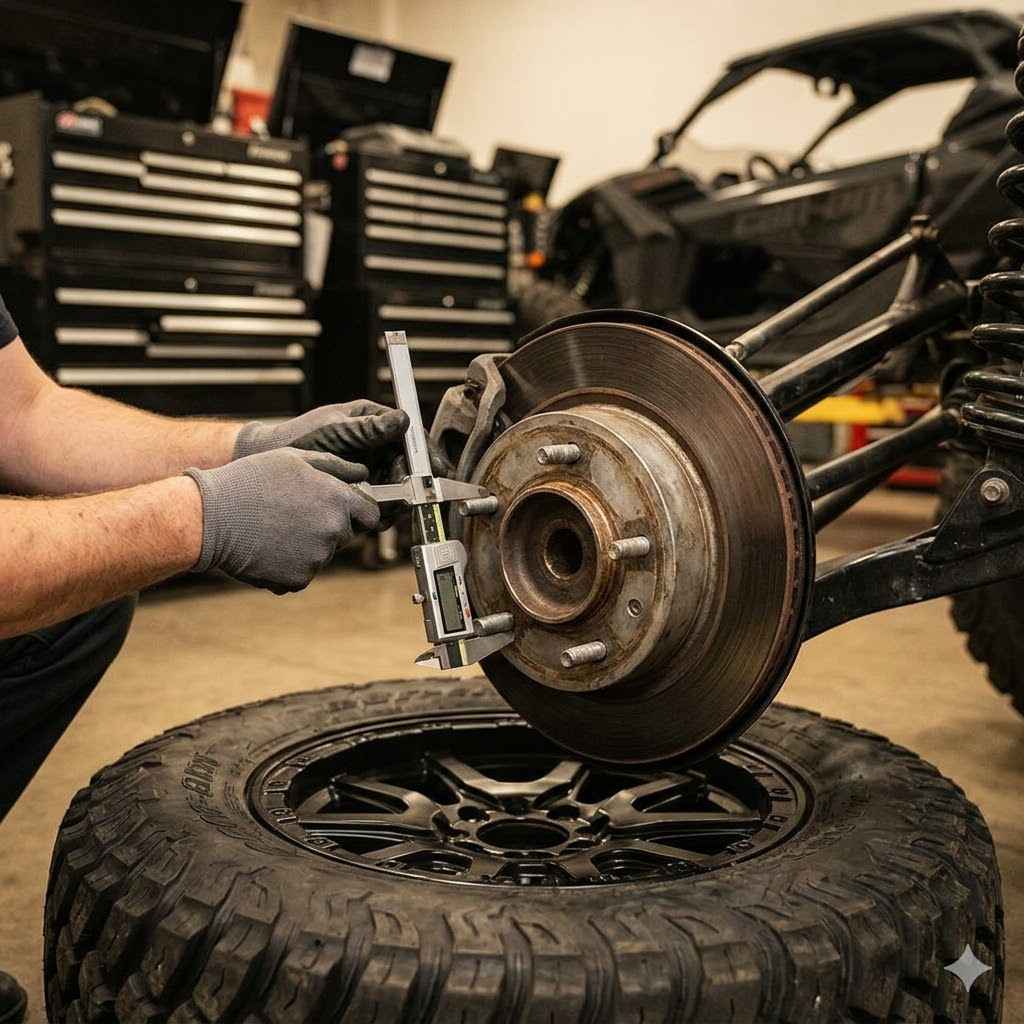
A Personal Story: The Wheel That Almost Wasn’t
I remember a time when I was helping a buddy upgrade his Maverick X3. He found a killer deal on a set of aftermarket wheels online. They looked awesome, super aggressive and ready for mud.
He was so excited to get them installed. We got them delivered, and he couldn’t wait. He pulled them out of the boxes, ready to bolt them on.
But then, as we lined up the first wheel, something was off. The bolt holes didn’t quite match the studs on his hub. They were close, but not close enough.
He started to panic a little. I could see the disappointment on his face. He had spent good money, and now they wouldn’t fit his Can-Am Maverick X3.
We spent the next hour on the phone with the wheel company. It turned out the wheels were for a different brand of UTV. They had a similar look but a totally different bolt pattern.
It was a lesson learned for both of us. Always, always confirm the bolt pattern before you buy. It saves a lot of headaches and wasted time.
We ended up sending those wheels back and found a set that fit perfectly. The look and performance upgrade was totally worth the wait for the right ones.
Understanding Bolt Pattern Numbers
What it means: 4×137
- 4: Number of bolt holes.
- 137: Diameter of the bolt circle in millimeters.
This is crucial for wheel fitment on your Can-Am Maverick X3.
Why Bolt Pattern Matters So Much
The bolt pattern is like the handshake between your wheel and your vehicle. If the handshake is wrong, nothing else can be right. For your Maverick X3, a 4×137 pattern is specific.
It’s designed to work with the hub assembly and the brake system. Anything else is a risk.
Think about it: those four bolts are what hold your wheel securely to the vehicle. They bear all the weight and stress of riding. If the holes don’t line up perfectly, the force isn’t distributed evenly.
This can cause the wheel to wobble or even loosen over time. This is incredibly dangerous, especially at higher speeds or rough terrain.
Also, wheel offset and backspacing are affected by the hub. Using the wrong bolt pattern might mean you need spacers. But spacers can introduce their own issues.
They can put more stress on your wheel bearings. They can also affect your steering and suspension geometry. It’s usually best to find wheels with the correct bolt pattern and offset from the start.
The right bolt pattern ensures the wheel sits flat and true. This means your steering will feel responsive. Your tires will wear evenly.
And your suspension components will work as they should. It’s a foundational piece of the puzzle for a safe and fun ride.
Common Bolt Pattern Confusion
Myth: If it looks like it fits, it probably will.
Reality: A slight difference in bolt pattern can be dangerous. The Can-Am Maverick X3 requires a precise 4×137 fitment. Don’t guess; verify.
Common Issues with Incorrect Bolt Patterns
When people try to force a wheel with the wrong bolt pattern, or use adapters that aren’t designed for their vehicle, problems can arise. It’s not just about the wheel not fitting. There are several negative consequences that can happen.
One of the first things people notice is vibration. You’ll feel it in the steering wheel, the seat, or even the whole vehicle. This vibration is a sign that the wheel is not spinning true.
It’s putting uneven stress on your bearings and suspension. Over time, this can cause premature wear. Bearings can fail, and suspension components can bend or break.
Another issue is uneven tire wear. If the wheel isn’t centered correctly on the hub, the tire will be at an odd angle. This means one side of the tire will wear out much faster than the other.
This wastes money on new tires and can even affect handling. The tire might pull to one side.
Then there’s the risk of the wheel coming loose. The lug nuts or bolts are designed to hold the wheel tight against the hub. If the bolt holes are not aligned, the pressure isn’t spread evenly.
This can cause the nuts to back off over time. A wheel coming off a moving vehicle is a severe safety hazard.
Finally, using adapters to make a different bolt pattern fit can void your vehicle’s warranty. It can also be a liability issue if something goes wrong. It’s always best to stick with parts designed for your specific Can-Am Maverick X3.
Quick Scan: Bolt Pattern Check
| Characteristic | What to Look For |
|---|---|
| Number of Holes | Must be 4. |
| Bolt Circle Diameter | Must be 137mm. |
| Compatibility Label | Should state “4×137” or “For Can-Am Maverick X3”. |
How to Find the Right Wheels for Your Maverick X3
Finding wheels that fit your Can-Am Maverick X3 is pretty straightforward once you know the bolt pattern. The key is to look for wheels specifically advertised for your vehicle or with the correct 4×137 bolt pattern.
Many reputable UTV parts manufacturers and retailers will list the compatible vehicles for their wheels. When you’re browsing online, check the product description. It should clearly state “Fits Can-Am Maverick X3” or list the 4×137 bolt pattern.
Don’t be afraid to use the filters on retailer websites. Most have options to filter by vehicle make, model, and bolt pattern.
If you’re unsure, the best approach is to ask. Contact the customer service of the parts seller. They can confirm if a specific wheel will fit your Maverick X3.
You can also check forums or owner groups for your UTV. Other owners often share their experiences with different wheel brands and sizes.
Remember to also consider the wheel offset and backspacing. While the bolt pattern ensures it bolts on, offset affects how the wheel sits in the fender well. The Maverick X3 often has specific offset recommendations to avoid rubbing issues, especially with larger tires.
Most wheels designed for the X3 will have offsets that work well.
When buying new, it’s also a good time to think about tire size. Larger tires might require a specific wheel width or offset. Always check for any potential clearance issues with your suspension and fenders.
Getting the right wheel is the first step to a great tire and suspension setup.
Key Considerations When Buying Wheels
- Bolt Pattern: 4×137 (Mandatory)
- Offset: Consult your vehicle’s recommendations.
- Wheel Width: Match to your tire size.
- Material: Alloy for strength and weight, steel for toughness.
- Aesthetics: Choose a style you love!
Can-Am Maverick X3 Wheel Bolt Pattern Specifications
Let’s get specific. For the Can-Am Maverick X3 lineup, the bolt pattern is consistently 4×137. This applies to most variations of the Maverick X3, including different trim levels and years.
However, there can always be minor exceptions or special editions.
The center bore is also a related measurement. This is the hole in the center of the wheel. It’s designed to center the wheel on the vehicle’s hub.
For the Maverick X3, this is typically around 64mm. If an aftermarket wheel has a larger center bore, hub-centric rings are often used to make it fit perfectly. These rings fill the gap and ensure the wheel is properly centered.
When you’re looking at aftermarket wheels, you might see “universal” wheels. These are designed to fit multiple bolt patterns. They achieve this with elongated bolt holes.
While they might physically bolt on, they are generally not recommended for performance vehicles like the Maverick X3. They don’t offer the same secure and precise fit as a dedicated bolt pattern wheel.
Always prioritize wheels that are listed as a direct fit for your year and model of Maverick X3. This ensures the bolt pattern, center bore, and offset are all designed to work together seamlessly. This gives you the best performance, safety, and longevity for your UTV’s wheels.
Center Bore Details
Standard Center Bore for Maverick X3: Approximately 64mm.
Hub-Centric Rings: Used if aftermarket wheel center bore is larger than vehicle hub.
This ensures the wheel is perfectly centered on the hub for stability.
Beyond Bolt Pattern: Other Wheel Fitment Factors
While the bolt pattern is the first hurdle, it’s not the only thing you need to consider for your Can-Am Maverick X3 wheels. There are other critical measurements and factors that affect how a wheel looks, performs, and fits.
Offset: This is the distance from the mounting surface of the wheel to the centerline of the wheel. A positive offset means the mounting surface is closer to the outside of the wheel. A negative offset means it’s closer to the inside.
For the Maverick X3, the correct offset is vital. It dictates how far the wheel sits inside or outside the fender. Too much positive offset can cause rubbing on the suspension components.
Too much negative offset can cause rubbing on the fenders or bodywork. Many aftermarket wheels for the X3 offer offsets designed to work well with stock suspension or mild lifts.
Backspacing: This is the distance from the back of the wheel mounting surface to the outer lip of the wheel. It’s closely related to offset. Lower backspacing generally means the wheel sits further out.
Higher backspacing means it sits further in. Like offset, it’s important for clearance. Wheels with too much or too little backspacing can cause rubbing issues.
Wheel Diameter and Width: These affect tire choices and performance. Larger diameter wheels (e.g., 14-inch, 15-inch) are common for the Maverick X3. The width of the wheel is important for matching the tire size.
A wheel that’s too narrow or too wide for a tire can lead to poor tire wear and handling. Most Maverick X3 models run well with 14-inch or 15-inch diameter wheels and widths around 7 inches. Always check the recommended fitment for your tire size.
Load Rating: UTVs can carry significant weight and endure harsh conditions. Ensure the wheels you choose have a sufficient load rating. This is the maximum weight the wheel can safely support.
Most reputable aftermarket UTV wheels will have a load rating suitable for your Maverick X3.
Material: Wheels are typically made from aluminum alloy or steel. Aluminum alloy wheels are lighter and often stronger for their weight. They also offer more intricate designs.
Steel wheels are generally more affordable and can be very durable, especially in extreme conditions, though they are heavier. For most Maverick X3 owners, alloy wheels are the preferred choice for a balance of performance and aesthetics.
Beyond the Pattern: A Quick Checklist
- Offset: Crucial for avoiding fender/suspension rub.
- Backspacing: Works with offset for clearance.
- Diameter/Width: Match to your intended tire size.
- Load Rating: Ensure safety for UTV use.
- Material: Alloy vs. Steel – consider performance and cost.
Real-World Scenarios: Wheel Fitment in Action
Let’s paint a picture of how these fitment factors play out in real-world riding. Imagine you’re out on a rocky trail. You hit a bump, and your tire suddenly rubs hard against the fender.
This could be due to an incorrect offset or backspacing on your wheels. The wheel is sticking out just a bit too far, and under compression, it makes contact.
Or, picture this: you’re cruising down a dirt road, and you start to feel a constant, annoying vibration. You check your tire pressure, and it’s fine. The lug nuts are tight.
The issue might be the center bore of your wheel. If it’s not perfectly centered on the hub (even with the right bolt pattern), it can cause this vibration. This is where those hub-centric rings become really valuable for aftermarket wheels.
Consider an owner who buys a set of wheels with a very aggressive negative offset. They want their Maverick X3 to have a wide stance. While it looks cool, they might find that their steering radius is reduced.
Or, they might experience more flung mud and rocks onto the vehicle’s body because the tires are so exposed. This is a trade-off they made for looks, but it affects practicality.
Conversely, a rider might choose wheels with a standard offset but decides to run much larger tires. Without careful consideration, these larger tires might rub on the suspension arms or the frame at full steering lock. This is where understanding how wheel width and tire diameter interact with offset is key.
It’s all about finding that sweet spot where your wheels look good, perform well, and don’t cause clearance issues.
In the Can-Am Maverick X3 community, owners often discuss these fitment details extensively. They’ll share photos of their setups and talk about what works. This real-world feedback is invaluable.
It helps new owners avoid common pitfalls and choose wheels that enhance their riding experience. It’s a constant balance between aesthetics, function, and performance.
Scenario Spotlight: Tire Rubbing
Problem: Tires rubbing fenders or suspension.
Likely Causes:
- Incorrect wheel offset (too positive or too negative).
- Incorrect backspacing.
- Tires are larger than stock and not accounted for in wheel choice.
Solution: Verify wheel specifications or consider wheels designed for larger tires.
What This Means for Your Maverick X3
Knowing your Can-Am Maverick X3 has a 4×137 bolt pattern is your first step. It means you can confidently shop for wheels. You’re not just guessing anymore.
You’re looking for parts that are designed to work with your UTV.
When it’s normal to have a 4×137 pattern, it means your vehicle is standard. Most aftermarket wheels designed for the Maverick X3 will use this. You’ll have plenty of options for style and performance.
You can upgrade your wheels knowing they will bolt right up without issue. This is the ideal situation.
When should you worry? You should worry if you find a wheel that almost fits. Or if someone tells you that a wheel with a different bolt pattern can be made to fit with adapters.
While adapters exist, they are often a compromise. They can introduce weaknesses and issues that aren’t present with a direct-fit wheel. If you have to use adapters, it means the wheel wasn’t designed for your vehicle.
This is a red flag.
Simple checks involve looking at the wheel specifications online. Always confirm the bolt pattern is listed as 4×137. If you’re buying in person, ask the shop to verify the fitment for your exact model year of Maverick X3.
If you’re unsure, don’t buy it. The peace of mind of having the correct fitment is worth it.
The goal is a seamless fit. This ensures optimal performance and safety. It means your Maverick X3 will handle as it should.
Your tires will wear evenly. And you won’t have to worry about wheels coming loose on the trail. It’s about building a reliable and enjoyable riding machine.
When to Be Cautious
- Wheel doesn’t list 4×137 pattern.
- Seller suggests “adapters” to make it fit.
- Unsure if the offset/backspacing will work.
Always prioritize direct fitment for safety and performance on your Can-Am Maverick X3.
Quick Tips for Wheel Upgrades
Upgrading your wheels on your Can-Am Maverick X3 can transform its look and performance. Here are a few quick tips to make the process smoother:
- Confirm Bolt Pattern First: Always, always check that the wheel is listed as 4×137 for your Maverick X3.
- Measure for Clearance: If you plan on larger tires, measure your current setup. See how much room you have in the fenders and around the suspension.
- Consider Offset Carefully: This greatly impacts how the wheel sits. Wheels with a mild positive offset (e.g., +0mm to +10mm) often work well without modification.
- Don’t Forget Lug Nuts: Sometimes, aftermarket wheels require different lug nuts or bolts than stock. Check what comes with the wheels or what you need to buy separately.
- Read Reviews: See what other Maverick X3 owners say about specific wheel brands and their fitment.
- Balance is Key: Ensure your new wheels are properly balanced when you get them mounted. This is crucial for a smooth ride and to prevent premature wear on bearings.
- Think About the Whole Package: Often, upgrading wheels is done with new tires. Make sure the wheel width is appropriate for the tire size you plan to use.
Wheel Upgrade To-Do List
Before You Buy:
- Verify 4×137 bolt pattern.
- Check offset and backspacing recommendations.
- Consider tire size compatibility.
When Installing:
- Use correct lug nuts/bolts.
- Ensure proper balancing.
Frequently Asked Questions About Maverick X3 Wheels
What is the bolt pattern for a Can-Am Maverick X3?
The Can-Am Maverick X3 uses a 4×137 bolt pattern. This means there are 4 bolt holes, and the diameter of the circle they form is 137 millimeters. This is a critical measurement for ensuring your wheels fit correctly and safely.
Can I use wheels from a different UTV on my Maverick X3?
Only if the other UTV shares the exact same 4×137 bolt pattern, and the offset and backspacing are also compatible. It’s always best to buy wheels specifically listed for the Can-Am Maverick X3 to avoid fitment issues and ensure safety.
What does 4×137 mean for wheel fitment?
The “4” indicates the number of bolt holes on the wheel. The “137” indicates the diameter of the circle on which these bolt holes are located, measured in millimeters. Your Maverick X3 requires wheels with this specific 4×137 pattern.
Are there common offset sizes for the Maverick X3?
Yes, while it can vary slightly, many aftermarket wheels for the Maverick X3 come with offsets around +0mm to +10mm. This range generally provides good clearance and a stable stance. Always check manufacturer recommendations for your specific model year.
What happens if I use the wrong bolt pattern?
Using the wrong bolt pattern is dangerous. It can cause vibrations, uneven tire wear, and most importantly, the wheel could loosen or even detach from the vehicle while riding. This can lead to severe accidents.
It’s crucial to use the correct 4×137 pattern.
Can I use wheel spacers on my Maverick X3?
Wheel spacers can be used to adapt bolt patterns or change the wheel offset. However, they add complexity and can put extra stress on wheel bearings and suspension components. If possible, it’s better to find wheels with the correct bolt pattern and offset from the start for your Can-Am Maverick X3.
Conclusion
Finding the right wheel bolt pattern for your Can-Am Maverick X3 is straightforward once you know the specifics. The 4×137 pattern is your key. Always verify this number and consider other fitment factors like offset.
This ensures your wheels are safe, perform well, and look great on the trail. Happy riding!
See also can i check power steering fluid while engine is hot . See also can guinea pigs use wheels what every owner must know.