Can I Check Power Steering Fluid While Engine Is Hot?
The power steering system is one of the most critical components for safe and comfortable driving, yet its maintenance is often overlooked. Checking power steering fluid might seem like a routine task, but the timing, whether the engine is hot or cold, can significantly impact your results and even your safety.
As vehicles become more advanced, proper fluid checks are essential not only for longevity but also for avoiding expensive repairs. Understanding the nuances behind when and how to check power steering fluid can save you from misdiagnosis and ensure your steering remains smooth and responsive.
Many drivers are unsure if they can check power steering fluid while the engine is hot. This uncertainty arises from conflicting advice, varying vehicle designs, and potential safety hazards. This article explores the science behind fluid checks, manufacturer recommendations, and practical tips so you can confidently maintain your power steering system.
We’ll address the risks, benefits, and best practices, supported by real-world examples and authoritative data. Whether you’re a DIY enthusiast or a cautious car owner, you’ll find actionable insights to safeguard your vehicle’s steering performance.
Key Takeaways
- Always consult your vehicle’s owner’s manual for specific guidance on power steering fluid checks.
- Checking power steering fluid while hot is possible but requires caution and the right procedures.
- Fluid expansion due to heat can alter readings; compare hot and cold measurements for accuracy.
- Safety is paramount, hot engine components and pressurized systems can pose risks.
- Proper fluid maintenance prevents steering issues and extends system life.
- Manufacturer recommendations vary; following them ensures accurate readings and warranty compliance.

Credit: www.youtube.com
Understanding Power Steering Fluid
What Is Power Steering Fluid?
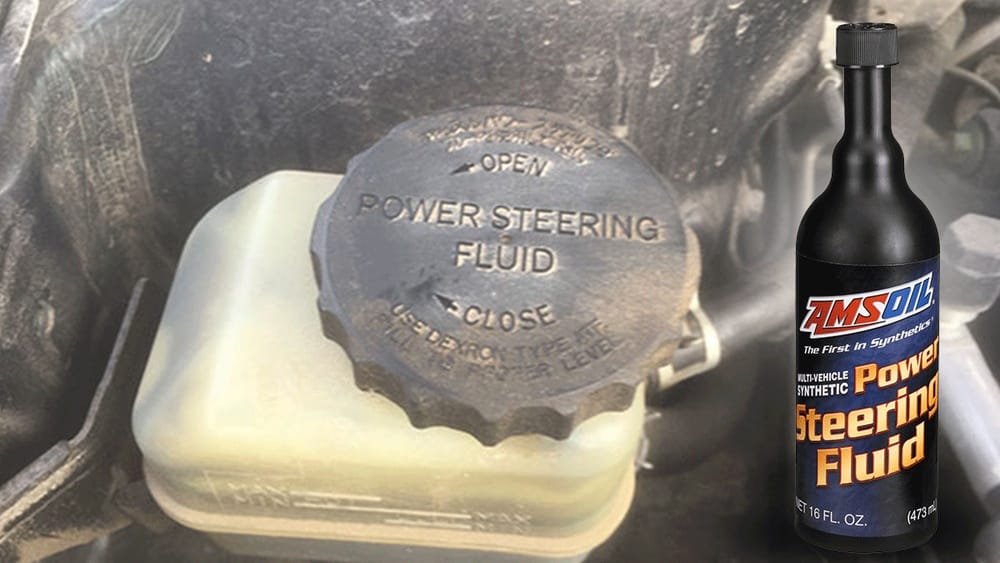
Power steering fluid is a hydraulic fluid that transmits force within the power steering system, enabling effortless turning of the steering wheel. Unlike brake fluid or coolant, it operates in a closed-loop system, lubricating and protecting components such as the pump, rack, and seals.
Types Of Power Steering Fluid
There are several types of power steering fluid, each suited to different vehicle models:
- Mineral-based fluid: Common in older vehicles.
- Synthetic fluid: Offers better temperature stability and longevity.
- Automatic Transmission Fluid (ATF): Used in some models; always check manufacturer requirements.
Functions Of Power Steering Fluid
- Lubrication: Reduces friction between moving parts.
- Hydraulic Force Transmission: Enables light steering effort.
- Cooling: Helps dissipate heat from the system.
- Protection: Prevents corrosion and wear.
Signs Of Power Steering Fluid Problems
- Difficulty steering
- Noisy pump
- Leaking fluid
- Discolored or contaminated fluid
Recognizing these signs early can prevent system failure and costly repairs.
The Science Behind Fluid Checks: Hot Vs. Cold
Fluid Expansion And Measurement Accuracy
Hydraulic fluids, including power steering fluid, expand when heated. This thermal expansion can cause a higher reading on the dipstick or reservoir markings than when the fluid is cold. The difference may be subtle, but it can lead to overfilling if not accounted for.
| Condition | Fluid Level Reading | Potential Issues |
|---|---|---|
| Cold Engine | Lower (fluid contracted) | Risk of underfilling if checked only cold |
| Hot Engine | Higher (fluid expanded) | Risk of overfilling if checked only hot |
Manufacturer Recommendations
Most vehicle manufacturers specify whether to check power steering fluid hot, cold, or both. For example, Honda and Toyota often recommend checking fluid when the engine is cold, while Ford suggests checking after the engine is warmed up. Always refer to your owner’s manual for precise instructions.
Risks Of Checking Fluid While Engine Is Hot
- Burns from hot components: The reservoir, hoses, and nearby parts may be extremely hot.
- Pressurized fluid: Opening caps can release pressurized fluid, causing splashes.
- Inaccurate readings: Expansion may distort the actual fluid level.
Benefits Of Hot Checks
- Reflects operating conditions: Hot checks show fluid levels as they are during driving.
- Detects leaks under pressure: Hot fluid may reveal leaks not visible when cold.

Credit: www.youtube.com
How To Safely Check Power Steering Fluid While Engine Is Hot
Preparation Steps
- Park on a level surface.
- Turn off the engine and wait a few minutes for residual pressure to decrease.
- Wear protective gloves and avoid loose clothing.
- Consult the owner’s manual for location and procedure.
Step-by-step Guide
- Locate the power steering fluid reservoir. Most are labeled and accessible near the firewall or engine bay.
- Wipe the area clean to prevent contaminants from entering.
- Carefully remove the reservoir cap. If it’s hot, use a rag or wait until it cools slightly.
- Check the fluid level against the HOT or COLD marks on the dipstick or reservoir.
- Inspect fluid color and consistency, healthy fluid is typically clear or light amber.
Pro Tip
If your reservoir has both HOT and COLD marks, compare levels at both temperatures. This helps identify potential leaks or irregularities.
What To Avoid
- Never open the reservoir immediately after heavy driving.
- Avoid overfilling, which can cause seal damage.
- Do not use the wrong fluid type, mixing can damage the system.

Credit: oilchangers.com
Real-world Examples And Case Studies
Example: Honda Accord (2012 Model)
For the Honda Accord, the owner’s manual instructs checking power steering fluid only after the engine has been running and is warm. The dipstick had marks for both hot and cold readings. The hot measurement was about 2mm higher, demonstrating fluid expansion.
Example: Toyota Camry (2015 Model)
Toyota recommends checking fluid when cold. However, after a long drive, the fluid level was noticeably higher. This highlights the importance of following manufacturer guidance and understanding that readings can change with temperature.
Case Study: Improper Fluid Check Leads To Overfill
A 2017 Ford Explorer owner checked fluid immediately after highway driving and filled to the “MAX” line on the hot dipstick. Later, when cold, the fluid was over the maximum, causing pump noise and minor leaks. The dealership identified overfilling as the cause, emphasizing the need to consider temperature effects.
Example: Mechanic’s Advice
Professional mechanics often check fluid at both temperatures, especially if a leak is suspected. This dual approach provides a more comprehensive diagnosis, preventing unnecessary repairs.
Comparing Manufacturer Guidelines For Power Steering Fluid Checks
Different automakers recommend varying procedures for checking power steering fluid. Understanding these nuances is essential for accuracy and warranty compliance.
| Manufacturer | Recommended Check | Dipstick Markings | Notes |
|---|---|---|---|
| Honda | Hot | HOT/COLD | Check after driving |
| Toyota | Cold | COLD | Check before driving |
| Ford | Hot | HOT/COLD | Check after running engine |
| Chevrolet | Hot | HOT/COLD | Check after warm-up |
| Nissan | Cold | COLD | Check before driving |
Tip: Always check the reservoir or dipstick for marks indicating “HOT” or “COLD.” This ensures proper interpretation of readings.
Common Mistakes And How To Avoid Them
Mistake 1: Checking Immediately After Driving
Opening the reservoir cap right after a drive can expose you to hot fluid and pressurized systems. Wait at least 5, 10 minutes before checking.
Mistake 2: Ignoring Manufacturer Instructions
Many drivers check fluid based on habit rather than instructions. This can lead to incorrect readings and potential warranty issues.
Mistake 3: Using Incorrect Fluid Type
Mixing fluids can cause performance issues and damage. Always use the specified fluid for your vehicle.
Mistake 4: Overfilling
Overfilling can damage seals and pumps. Fluid should always be within recommended marks.
Mistake 5: Neglecting Regular Checks
Skipping checks can result in leaks, contamination, and steering failures.
How To Avoid These Mistakes
- Follow your owner’s manual strictly.
- Allow the engine to cool if unsure.
- Use the correct fluid and avoid mixing brands or types.
- Check regularly (monthly or per manufacturer schedule).
Safety Considerations When Checking Power Steering Fluid Hot
Protecting Yourself
- Wear heat-resistant gloves to prevent burns.
- Use a rag or towel to open hot caps.
- Avoid leaning over the engine bay.
Preventing Damage
- Never overfill; check both hot and cold levels if possible.
- If fluid is foamy or discolored, consult a mechanic.
- Dispose of old fluid safely and legally.
Children And Pets
Keep children and pets away during maintenance to prevent accidents.
Emergency Situations
If you notice sudden fluid loss or hear grinding noises, stop driving and consult a professional immediately.
Professional Advice
According to the National Highway Traffic Safety Administration (NHTSA), proper maintenance of hydraulic systems is crucial for safety. When unsure, always consult a certified mechanic.
How Temperature Affects Power Steering Fluid Performance
Viscosity And Steering Response
Temperature changes affect fluid viscosity, which impacts steering responsiveness. In cold weather, fluid thickens and steering may feel stiff. In hot conditions, fluid thins and may leak more easily.
Fluid Breakdown
High temperatures accelerate fluid breakdown, leading to reduced lubrication and potential pump failure. Regular checks in both hot and cold conditions help detect degradation early.
Seasonal Adjustments
Some manufacturers recommend using different fluid types or additives in extreme temperatures. Always follow guidance for your climate.
Example: Winter Vs. Summer Checks
Fluid levels can fluctuate by several millimeters between winter mornings and summer afternoons. This variation underscores the need for regular checks and temperature awareness.
Steps For Proper Power Steering Fluid Maintenance
Routine Inspection
- Check fluid monthly or per manufacturer schedule.
- Inspect for leaks, discoloration, and odor.
Fluid Replacement
- Use manufacturer-approved fluid.
- Drain old fluid completely.
- Refill to correct level (hot or cold as specified).
- Bleed air from the system by turning the steering wheel lock-to-lock.
System Cleaning
Periodic cleaning of the reservoir and lines prevents contamination.
Professional Service
If you’re uncertain, schedule professional maintenance. Certified mechanics have tools for precise measurement and diagnosis.
Power Steering Fluid Check: Data Table Comparison
Below is a comparison of hot vs. cold checks across key parameters:
| Parameter | Hot Check | Cold Check |
|---|---|---|
| Fluid Level | Higher (expanded) | Lower (contracted) |
| Reading Accuracy | Reflects driving conditions | Baseline reference |
| Safety | Risk of burns, pressure | Safer, less risk |
| Detection of Leaks | Better (under pressure) | Limited |
| Manufacturer Preference | Varies by brand | Varies by brand |
Expert Insights And Resources
According to the Automotive Maintenance and Repair Association, accurate power steering fluid checks depend on understanding temperature effects and manufacturer instructions. Improper checks can lead to misdiagnosis, overfilling, and premature system wear.
For more detailed guidance, consult the official Wikipedia Power Steering page or your vehicle’s service manual.
Consult A Professional
If you’re unsure about fluid type, levels, or system condition, seek advice from a certified technician. The complexity of modern power steering systems means DIY checks are best supplemented with professional oversight.
Frequently Asked Questions
Is It Safe To Check Power Steering Fluid While The Engine Is Hot?
Yes, but caution is required. Wait several minutes after turning off the engine to reduce residual heat and pressure. Wear gloves and use a rag when opening the reservoir. Hot checks provide readings as seen during normal driving, but safety must be the priority.
What Happens If I Overfill Power Steering Fluid While Hot?
Overfilling can lead to increased pressure, leaks, and damage to seals and the pump. When the fluid cools and contracts, excess fluid may overflow or cause noise. If overfilled, remove fluid to the correct level as soon as possible.
Why Does My Power Steering Fluid Level Fluctuate Between Hot And Cold?
Fluid expands with heat and contracts when cold, causing level changes. This is normal. Always check against both hot and cold marks if present, and follow manufacturer instructions for the most accurate reading.
How Often Should I Check Power Steering Fluid?
Check power steering fluid at least monthly or before long trips. If you notice changes in steering feel, unusual noises, or leaks, check immediately. Follow the schedule in your owner’s manual for best results.
Can I Use Any Power Steering Fluid For My Vehicle?
No. Always use the fluid specified by your vehicle’s manufacturer. Using the wrong fluid can cause performance issues and damage components. When in doubt, consult the service manual or a professional mechanic. For more information, visit the NHTSA Power Steering Equipment page.
Proper power steering fluid maintenance is vital for vehicle safety and performance. Whether you check fluid hot or cold, always prioritize safety, accuracy, and manufacturer guidance. By following these best practices, you’ll ensure smooth steering, avoid costly repairs, and extend the life of your power steering system.
If you’re ever unsure, don’t hesitate to consult a professional, your vehicle’s steering is too important to leave to guesswork.
Products related to this article
Sponsored / affiliate links. As an Amazon Associate I earn from qualifying purchases. I may earn additional commission from eligible campaigns.