Engine Component Functions for Beginners: A Simple Guide
A beginner should learn engine parts in under-hood order: air intake, fuel and ignition parts, valve train, cylinders, cooling, lubrication, and exhaust, then connect them to the four strokes commonly described as intake, compression, power, and exhaust. Misreading these parts wastes time, leads to wrong repairs, and can turn a small fault into a bigger one. This guide names each main part, gives its job, and gives one common failure clue for each.
This guide is part of our Car engine components: parts, functions and diagrams series.
What an engine does
An engine turns fuel energy into motion through controlled combustion. For a beginner, the key is the part order that lets air enter, fuel burn, and force leave through the crankshaft as rotation.
Why the order matters
Under the hood, you usually meet the engine from the outside in. That means covers, intake parts, the top of the engine, then the deeper moving parts. Learn it that way, and each next part is easier to place on the vehicle and in your head.
Engine parts in under-hood order
Start with what you can see and touch without taking the engine apart. Then move to parts under covers or inside the engine block. That keeps the layout clear: visible outer parts first, hidden internal parts second, and timing parts last.
What you usually see first
Begin with the engine cover if there is one, then the intake tubing, air filter area, battery and accessory belts, and the top of the engine. From there, you can identify the cylinder head, coil packs or plug leads on some engines, and the cooling system hoses.
What sits deeper inside
Inside the engine block are typically the cylinders, pistons, rings, connecting rods, and crankshaft. Some of these parts never show themselves unless the engine is opened. That is why beginners should learn what each part does before trying to inspect it directly.
Engine components learning map
This map gives you the part, where it sits, what it does, what you can safely look for, and one common clue that it may be confused with, worn, or failing. Use it as a quick under-hood guide before you read the deeper sections.
| Part | Where it sits | What it does | What beginners can safely look for | Common confusion or failure clue |
|---|---|---|---|---|
| Engine block | Main lower structure of the engine | Houses the cylinders and supports moving parts | Look for the large metal body under the top covers | Oil or coolant seepage can make a block look “bad” when the leak may be from a gasket |
| Cylinder head | Sits on top of the block | Houses the valves and helps control airflow timing | Look for the upper section with intake and exhaust passages nearby | White exhaust smoke or overheating can point to head gasket trouble, not just the head itself |
| Valves | Inside the cylinder head | Open for intake and exhaust, then close at the right time | Listen for rough idle, ticking, or uneven running | Misfire symptoms are often blamed on spark plugs when valve timing is the real issue |
| Camshaft | Inside or above the head, depending on engine design | Controls when valves open and close | Usually not visible without removing covers | A camshaft issue can feel like a timing problem, not a simple sensor fault |
| Pistons | Inside the cylinders | Move up and down and receive force from combustion | Not visible in normal inspection | Knocking, oil use, or low compression can point to piston trouble |
| Piston rings | Wrapped around each piston | Seal the piston and cylinder wall | Usually hidden; watch for smoke or oil loss instead | Blue exhaust smoke often leads beginners to suspect the wrong part first |
| Connecting rod | Between each piston and the crankshaft | Transfers force from piston movement | Not visible without teardown | Deep knocking sounds can be blamed on the block, but rod damage is one common cause |
| Crankshaft | Low in the engine block | Turns up-and-down piston movement into rotation | Hidden inside the engine | A severe bottom-end knock often signals crankshaft or bearing trouble |
| Cooling system | Around the engine, with hoses, radiator, pump, and passages | Controls heat so the engine can run safely | Check coolant level only when the engine is cool | Overheating can look like an engine failure when the cause is low coolant or a bad hose |
| Air intake path | Front or top side of the engine bay | Brings air to the engine for combustion | Look for a dirty filter, loose duct, or clamp | A split intake hose can cause rough running and lean codes |
| Ignition parts | On top of or beside the cylinder head | Start combustion in gasoline engines | Look for damaged coil boots or fouled plugs if accessible | Hard starting is often blamed on fuel delivery when ignition is at fault |
| Exhaust path | Leaves the engine and runs toward the rear | Carries burned gases out of the engine | Listen for leaks or a sharp ticking sound on startup | Exhaust leaks can mimic valve noise or cause oxygen-sensor confusion |
A common first-timer mistake is to treat every top-side cover as an engine block part. A plastic engine cover hides the layout; it is not the block, head, or valve train itself.
Another common mistake is to assume every smoke or noise points to one expensive part. A wet coolant hose, a loose intake duct, or a failing plug can create symptoms that feel much worse than they are.
Simple glossary for common names
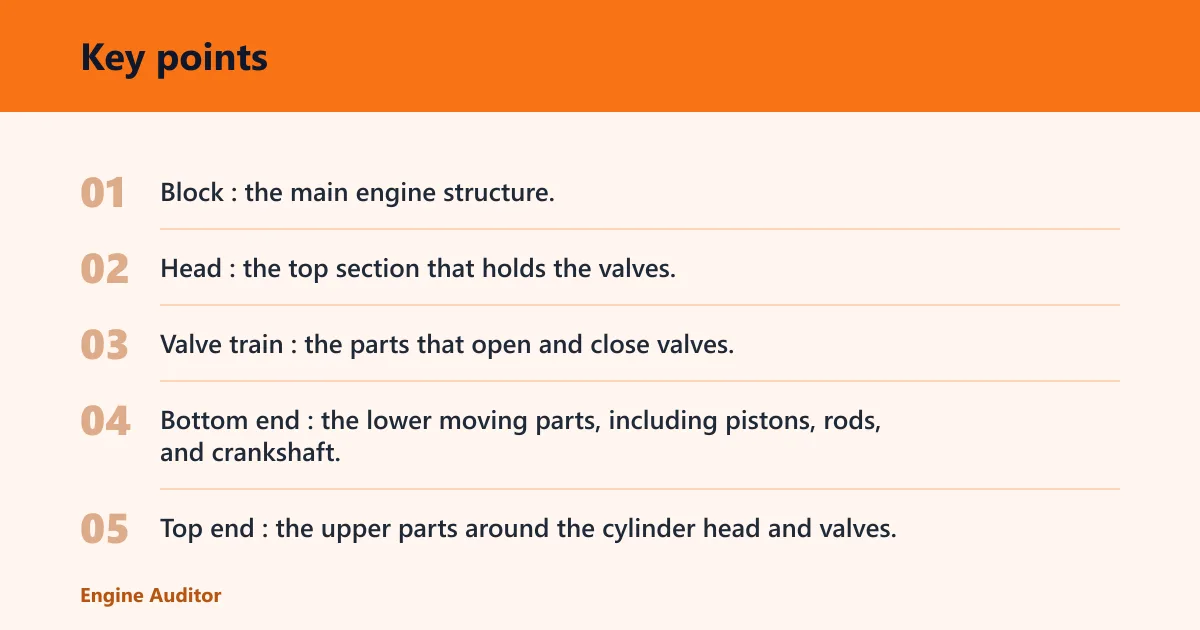
- Block: the main engine structure.
- Head: the top section that holds the valves.
- Valve train: the parts that open and close valves.
- Bottom end: the lower moving parts, including pistons, rods, and crankshaft.
- Top end: the upper parts around the cylinder head and valves.
What is the engine block and cylinder head?
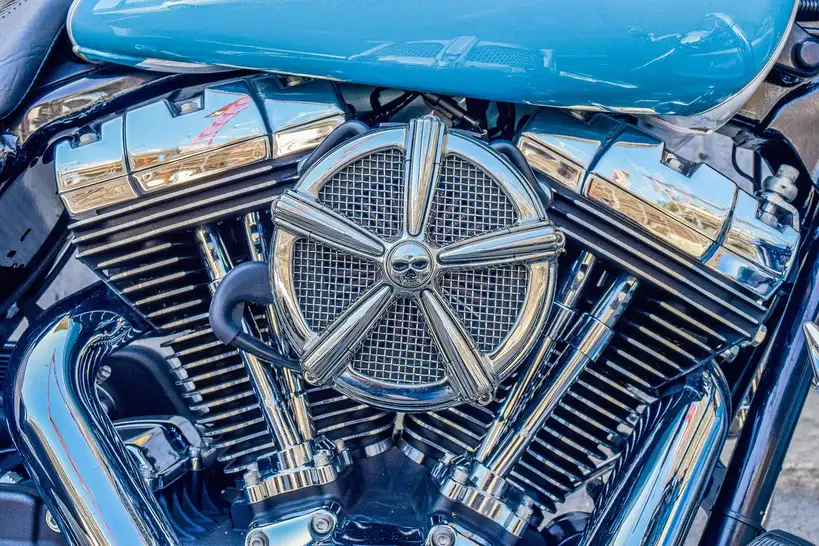
The engine block is the main structure that houses the cylinders and supports moving parts. The cylinder head typically sits on top of it and holds the valves. The block makes the engine’s lower foundation; the head manages airflow and sealing at the top.
Block versus head in plain language
Think of the block as the engine’s lower body and the head as the upper lid with working ports. They are bolted together, and the joint between them matters because it keeps pressure, coolant, and oil in the right places.
The essential parts commonly listed for beginners include the block, cylinder head, valves, pistons, and piston rings. Those are the names to learn first because they define the engine’s structure and its motion path.
How do pistons, rings, rods, and the crankshaft work?
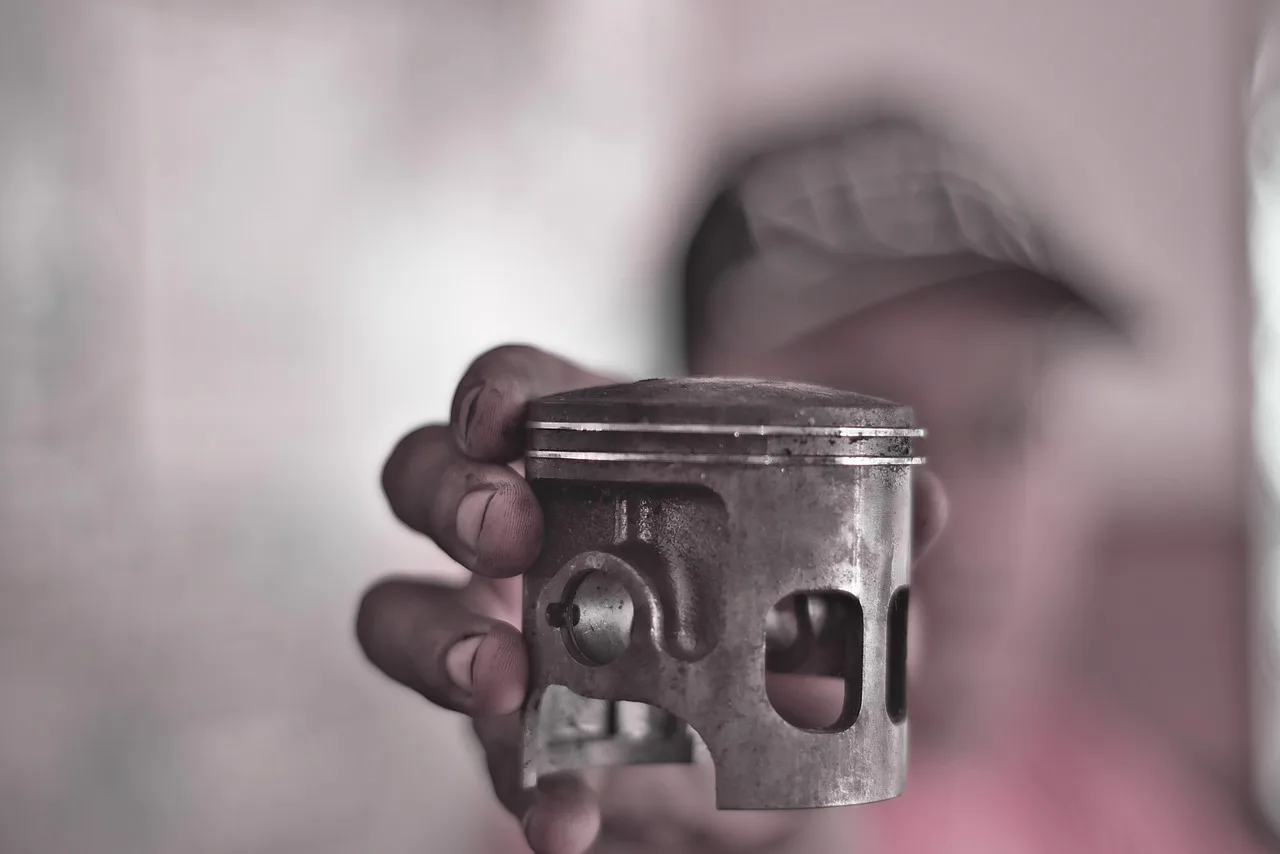
Pistons move up and down inside cylinders and receive force from combustion. Piston rings seal the piston and cylinder wall. The connecting rod passes that force to the crankshaft, and the crankshaft turns the up-and-down motion into rotation. (Wikipedia)
How does a piston move the car?
A piston does not move the car by itself. It moves because burning air and fuel push it down, and that motion goes through the connecting rod to the crankshaft. The crankshaft’s rotation is what eventually feeds the transmission and wheels.
Beginner clue for piston and ring trouble
Blue smoke, poor compression, or rising oil use can point to worn rings or piston wear. Rings seal the piston/cylinder interface, so when they stop sealing well, the engine can lose pressure and burn oil.
Where beginners get the rod and crankshaft wrong
The connecting rod is the link, not the output. The crankshaft is the output part in this chain because it changes the straight-line movement into rotation. If you hear a deep knock from low in the engine, the crankshaft area deserves attention.
What do valves and the camshaft do?
Valves let the air and fuel mixture into the engine and let exhaust leave it. They open and close at the right time for power production. The camshaft is the timing-related part that tells the valves when to move.
Intake and exhaust valve jobs
Intake valves open so air can enter. Exhaust valves open so burned gases can leave. Timing matters because the engine needs the right charge in the cylinder before combustion, then a clear path out after the burn.
What does a camshaft do in a car engine?
The camshaft controls valve action. Depending on the engine layout, it may sit in the head or deeper in the engine and work through followers or lifters. If it is out of time, the engine may run poorly, misfire, or lose power.
Say your engine idles unevenly and the check-engine light comes on after a recent timing repair. A beginner may blame the spark plugs, but valve timing or a camshaft timing error can be the actual cause.
How does the four-stroke cycle fit together?
The four-stroke cycle explains how the parts work in order: intake, compression, power, and exhaust. It is the clearest beginner framework because each stroke matches a part’s job, from valves and pistons to the crankshaft and exhaust path.
Intake stroke
The intake valve opens and the piston moves down, drawing air and fuel into the cylinder on many gasoline engines. This is where the cylinder head and valves start the cycle.
Compression stroke
The valves close and the piston moves up, squeezing the charge in the cylinder. Compression builds the conditions for the next stroke, so leaks or weak sealing can weaken the whole engine.
Power stroke
Combustion forces the piston down. That downward push becomes usable rotation through the connecting rod and crankshaft.
Exhaust stroke
The exhaust valve opens and the piston pushes burned gases out. If this step is blocked or mistimed, the engine cannot clear the cylinder well and power drops.
Why do engines need a cooling system?
Most large engines have a cooling system. It helps the engine manage heat so metal parts, oil, and seals stay within a safe working range. Without it, heat can warp parts, thin oil, and shorten engine life fast.
What to look for first
Check for coolant level only when the engine is cool, then look for wet hoses, crusty residue at hose ends, or a coolant smell. Overheating, steam, and a rising temperature gauge are common clues that the system needs attention.
Frequently asked questions
What are the main engine components and what do they do?
The main beginner parts are the block, cylinder head, valves, pistons, piston rings, connecting rods, crankshaft, camshaft, and cooling system. The block and head form the structure, the valves manage airflow, the pistons and rods create motion, and the crankshaft turns that motion into rotation.
What is the difference between the engine block and cylinder head?
The block is the main lower structure that houses the cylinders and supports moving parts. The cylinder head sits on top and contains the valves. Beginners can remember it this way: the block holds the bores, while the head manages airflow and sealing above them.
What do valves do in an engine?
Valves act as timed gates for intake and exhaust. They open to let fresh air and fuel in, then open again to let burned gases out. If valve timing is off, the engine can lose power, idle badly, or misfire.
What does the crankshaft do?
The crankshaft changes the pistons’ up-and-down movement into rotation. That rotation is the engine’s mechanical output. If you hear deep knocking from the lower engine, the crankshaft area or its bearings may be part of the problem.
How do engine parts work together in a 4-stroke engine?
In intake, the valve opens and the piston draws in the charge. In compression, the piston squeezes it. In power, combustion drives the piston down and the crankshaft turns. In exhaust, the burned gases leave. Each part has one job in the chain.
Products related to this article
Sponsored / affiliate links. As an Amazon Associate I earn from qualifying purchases. I may earn additional commission from eligible campaigns.