Why Does a Car Tyre Burst? Causes Every Driver Must Know
Every driver dreads the sudden, sharp sound of a car tyre burst—often accompanied by a violent jolt and loss of control. Tyre blowouts are frightening, dangerous, and, in severe cases, life-threatening. Yet, despite advanced automotive technology, tyre bursts remain a leading cause of accidents worldwide, accounting for thousands of injuries and fatalities annually. The question is: why do car tyres burst, and can these catastrophic events be prevented?
Understanding the root causes of tyre bursts is essential for any driver who values safety. From the physics of air pressure to real-world examples of neglect and unfortunate circumstances, the science behind tyre failures is both fascinating and sobering. This comprehensive guide will demystify the causes of car tyre bursts, arm you with actionable prevention strategies, and provide data-backed insights so you can drive with confidence and peace of mind.
Key Takeaways
- Tyre bursts are most commonly caused by underinflation, overloading, heat buildup, and structural defects.
- Regular maintenance and proper tyre selection significantly reduce the risk of blowouts.
- Environmental factors and road hazards are major contributors to sudden tyre failures.
- Understanding the warning signs of impending tyre trouble can help prevent accidents.
- Real-world examples underscore the dangers and common mistakes that lead to tyre bursts.
- Following manufacturer guidelines and using quality tyres are crucial for safety.

Credit: www.utires.com
The Science Behind Car Tyre Bursts
Every car tyre is a marvel of engineering—built to withstand enormous pressure, friction, and weight. Yet, despite their resilience, tyres have inherent limitations. Grasping the science behind tyre bursts helps drivers appreciate the importance of maintenance and the risks associated with neglect.
Air Pressure And Structural Limits
The most critical factor in tyre integrity is air pressure. Tyres are designed to operate within a specific pressure range, typically measured in pounds per square inch (PSI). Both underinflation and overinflation can lead to catastrophic failures:
- Underinflation causes excessive flexing of the tyre sidewalls, generating heat and weakening the structure.
- Overinflation increases internal pressure, reducing the tyre’s ability to absorb road shocks and making it more prone to punctures.
A typical passenger car tyre is rated between 30-35 PSI. Deviations beyond these limits dramatically increase the risk of a blowout, especially at high speeds.
It’s important to note that tyre pressure naturally fluctuates with ambient temperature changes. For every 10°F change in temperature, tyre pressure can change by about 1 PSI. This means that pressure set correctly in the cool morning might not be adequate later in the day, especially during a heatwave.
For vehicles with heavier loads or those used in performance applications, even small deviations in pressure can have amplified effects, making regular checks even more critical.
Heat Buildup And Material Fatigue
Tyres are vulnerable to heat buildup, especially during summer months or extended high-speed driving. As the temperature inside the tyre rises, the pressure increases, and the rubber compounds begin to degrade. This process, known as thermal degradation, weakens the fabric and steel belts that reinforce the tyre, making bursts more likely.
According to the National Highway Traffic Safety Administration (NHTSA), approximately 11,000 tire-related crashes occur annually in the US alone, with heat being a significant contributor (NHTSA).
Additionally, the friction between the tyre and road surface at high speeds generates even more heat. The combination of this frictional heat and ambient temperature can push tyres past their design limits much faster than many drivers realize. In fact, tyre manufacturers design specific compounds for high-heat environments, but even these have clear operational boundaries.
Manufacturing Defects And Tyre Age
While rare, manufacturing defects—such as poor bonding between layers, air bubbles, or weak spots—can result in sudden tyre failures. Similarly, tyres degrade with age, even if they appear visually intact. The rubber loses elasticity, and microscopic cracks develop, creating potential points of failure.
The US Tire Manufacturers Association recommends replacing tyres every six years, regardless of tread wear (USTMA).
It’s important to understand that tyre aging is a chemical process that continues even if the tyre is not in use. Spare tyres and those on seldom-driven vehicles are equally susceptible. Environmental factors, such as exposure to ozone and UV rays, accelerate this process, further compromising the tyre’s structural integrity.
Overloading And Weight Distribution
Every tyre has a maximum load rating. Exceeding this limit, even temporarily, dramatically increases the risk of a blowout. Overloading causes the tyre to flatten, increasing contact with the road and generating excess heat. Uneven weight distribution—such as when towing or carrying heavy cargo—can overload one or more tyres, leading to localized failures.
Overloading is particularly hazardous on long journeys, as sustained pressure over time can cause cumulative damage to the tyre’s internal structure. Poorly balanced loads (e. g. , heavy objects on one side or at the rear) can exacerbate the risk, leading to uneven stress distribution across the tyre tread and sidewall.

Credit: harristirecompany.com
Most Common Causes Of Tyre Bursts
Despite the engineering behind modern tyres, real-world conditions expose them to numerous hazards. Understanding these causes is the first step toward prevention.
Underinflation: The Silent Enemy
Underinflated tyres are responsible for over 60% of all tyre-related blowouts, according to a study by the Rubber Manufacturers Association. Insufficient air pressure causes the sidewalls to flex excessively, leading to:
- Increased rolling resistance
- Excessive heat generation
- Premature wear on the edges
- Higher fuel consumption
Underinflation may result from slow leaks, punctures, or simple neglect. Many newer vehicles are equipped with Tyre Pressure Monitoring Systems (TPMS), but these systems only alert when pressure drops dangerously low—not before.
Drivers often underestimate the impact of underinflation. Even a 5 PSI drop below the manufacturer’s recommendation can significantly increase the risk of a blowout, especially during long journeys or in hot weather. The increased friction from underinflated tyres can also lead to tread separation, a precursor to sudden bursts.
Overinflation: Not Always Better
While less common, overinflated tyres are also dangerous. Excessive air pressure makes the tyre rigid, reducing its contact patch with the road and increasing the risk of:
- Blowouts from road impacts (potholes, curbs)
- Uneven tread wear (center wear)
- Reduced traction and braking performance
A 2026 survey by Continental Tires found that 18% of drivers routinely overinflate their tyres, mistakenly believing it improves fuel economy.
Overinflation can also reduce ride comfort, as stiffer tyres transmit more bumps and shocks to the vehicle’s suspension. This not only increases wear and tear on your car but also raises the likelihood that a sharp object or pothole will cause immediate structural failure.
Overloading: Ignoring Limits
Every tyre’s sidewall is marked with a maximum load rating. Exceeding this, even briefly, causes:
- Rapid heat buildup
- Bulging sidewalls
- Increased risk of tread separation
Overloading is especially problematic in SUVs, trucks, and vehicles used for towing. The Insurance Institute for Highway Safety (IIHS) notes that overloaded vehicles are 2.5 times more likely to experience tyre failures (IIHS).
It’s crucial to remember that carrying heavy loads, such as extra passengers, luggage, or construction materials, affects not just one but all tyres. If your vehicle is regularly loaded to near its maximum capacity, more frequent tyre checks are essential.
High-speed Driving
Speed amplifies all tyre stresses. At higher speeds:
- Tyre temperature rises rapidly
- Small defects become catastrophic
- Reaction time to a blowout decreases
Data from the European Tyre and Rubber Manufacturers’ Association shows that the risk of blowout doubles for every 10 mph increase above 60 mph.
High-speed driving also reduces the time drivers have to respond to any tyre irregularities, making sudden bursts far more dangerous. On highways and freeways, where speeds are sustained, the cumulative effect of heat and stress can push even minor tyre issues past the point of failure.
Road Hazards And Debris
Sharp objects, potholes, and road debris can puncture or cut tyres instantly. Sometimes, the damage is internal, with sidewall bruises or belt separation going unnoticed until a sudden burst occurs.
Even small, seemingly innocuous objects—like a nail or shard of glass—can slowly work their way into the tyre over time, causing a delayed blowout. Construction zones, poorly maintained roads, and areas with frequent storm debris are particularly hazardous.
Tyre Age And Weathering
Exposure to sunlight (UV radiation), ozone, and fluctuating temperatures ages tyres. Cracks, dry rot, and hardening of the rubber all weaken the structure, making older tyres ticking time bombs.
Tyres that sit unused for long periods, such as those on collector cars or seasonal vehicles, are at particular risk. Even if the tread appears unworn, internal degradation may make them unsafe for road use.
The table below compares tyre burst risk factors:
| Risk Factor | Likelihood of Burst | Prevention |
|---|---|---|
| Underinflation | Very High | Monthly pressure checks |
| Overloading | High | Adhere to load ratings |
| Old Tyres | High | Replace after 6 years |
| Overinflation | Moderate | Follow manufacturer’s specs |
| Road Debris | Variable | Avoid hazards, inspect tyres |
Real-world Examples And Case Studies
Learning from real incidents can highlight the dangers of tyre bursts and the importance of proactive safety measures.
Case Study 1: Underinflated Tyres On A Family Road Trip
In July 2026, a family SUV traveling across Texas experienced a sudden blowout on the highway. Investigation revealed the right rear tyre was 12 PSI below the recommended pressure. The underinflation caused excessive heat buildup, leading to a sidewall rupture.
The vehicle lost control and rolled over, resulting in multiple injuries. The driver admitted to not checking tyre pressures for several months.
This case also highlights the importance of frequent checks during long-distance travel, especially when carrying additional passengers or luggage, which can further stress underinflated tyres.
Case Study 2: Overloading A Delivery Van
A courier company in London routinely overloaded its vans to meet delivery schedules. In one incident, a rear tyre burst at 70 mph, causing the van to swerve into oncoming traffic. Analysis found the total load exceeded the tyre’s maximum rating by 400 lbs.
The company revised its loading policies and invested in driver training to prevent future occurrences.
This example demonstrates not only the direct dangers of overloading but also the legal and liability risks businesses face when neglecting tyre safety.
Case Study 3: Heat-induced Blowout During Summer
A sedan traveling through Arizona in August suffered a blowout after two hours of high-speed driving. The extreme pavement temperature (over 140°F) combined with slightly underinflated tyres increased internal pressure and weakened the rubber. Fortunately, the driver maintained control, but the car required extensive repairs.
The incident underscores how even a small deviation from optimal tyre pressure can become dangerous under extreme heat and high-speed conditions.
Case Study 4: Aging Tyres On A Rarely-driven Car
A 10-year-old sedan, rarely driven and always parked outdoors, suffered a catastrophic tyre burst during a short trip. The tyres appeared fine externally, but internal cracks from UV exposure and age had compromised their integrity. This incident underscores the need to replace tyres based on age, not just tread depth.
Older tyres, especially those exposed to direct sunlight for extended periods, may fail without warning. Routine inspection and age-based replacement are critical, regardless of vehicle usage patterns.

Credit: www.youtube.com
How To Prevent Tyre Bursts: Proactive Maintenance
While some tyre bursts are unavoidable, most can be prevented through diligent maintenance and awareness.
Regular Tyre Pressure Checks
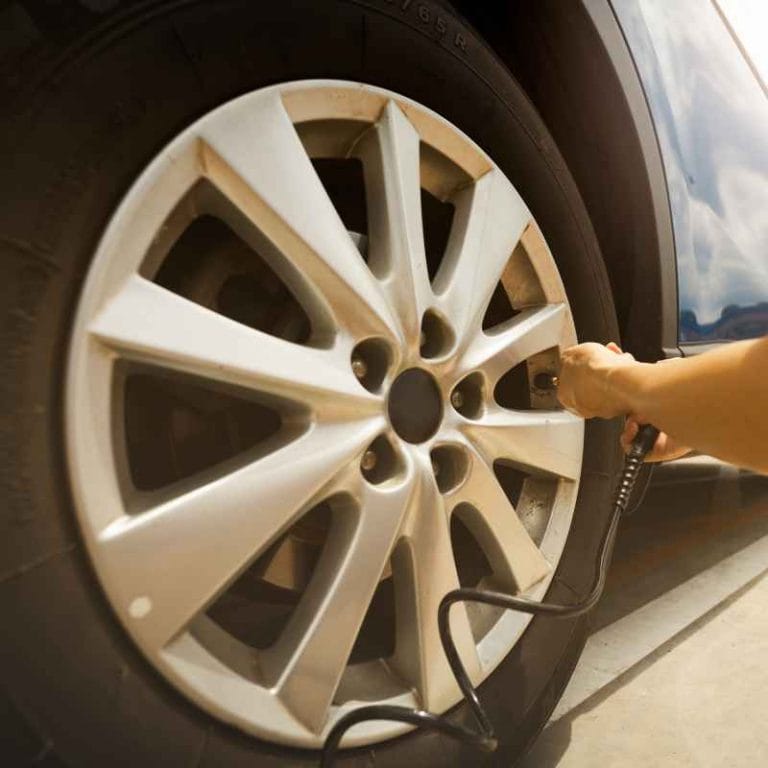
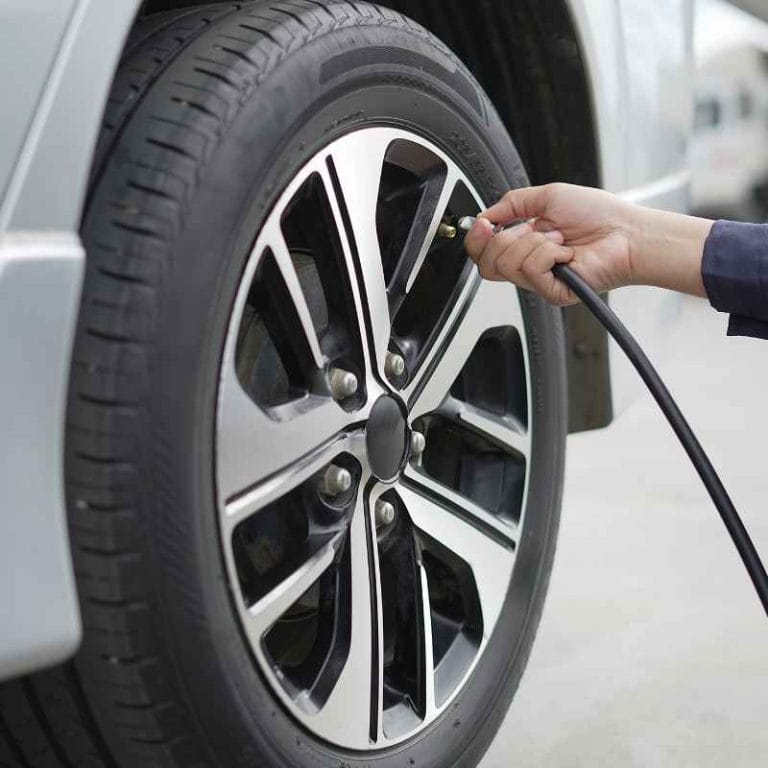
Check your tyre pressure at least once a month and before long trips. Always use a reliable gauge and check pressure when tyres are cold. Don’t forget the spare tyre.
- Recommended: Use a digital gauge for accuracy.
- Consult your vehicle’s owner’s manual for proper PSI.
Routine pressure checks are especially important after significant temperature swings, which can cause pressure fluctuations. For vehicles equipped with TPMS, remember that these systems often alert only when pressure drops severely—so manual checks remain vital.
Inspect For Damage And Wear
Look for:
- Bulges, cuts, and cracks on the sidewall
- Uneven tread wear
- Embedded objects (nails, glass)
If you notice any abnormalities, have the tyre inspected by a professional.
In addition, check for visible signs of dry rot, such as spiderweb-like cracks, and feel for any soft spots, which could indicate underlying separation or degradation.
Follow Manufacturer Guidelines
Never exceed the load or speed ratings marked on your tyres. Replace tyres after six years or 50,000 miles, whichever comes first.
Manufacturers often provide guidance for specific driving conditions—such as towing, off-roading, or high-speed travel. Following these recommendations ensures tyres perform as designed under all expected conditions.
Rotate And Align Tyres
Rotating tyres every 5,000–8,000 miles ensures even wear. Wheel alignment and balancing further reduce stress on tyres.
Misaligned wheels cause uneven tread wear and can increase the risk of blowouts on the worn section. Regular rotation and alignment also improve ride quality and fuel efficiency.
Avoid Road Hazards
Stay alert for potholes, debris, and sharp objects, especially after storms or in construction zones.
If you must drive over unavoidable obstacles, reduce speed and approach them at as shallow an angle as possible to minimize damage.
Monitor Tyre Age
Check the DOT code on your tyre sidewall for the manufacturing date. Replace tyres that are older than six years, regardless of appearance or mileage.
For vehicles stored for long periods, consider using tyre covers or storing them out of direct sunlight to slow the aging process.
The following table compares recommended maintenance intervals:
| Maintenance Task | Frequency | Impact on Burst Risk |
|---|---|---|
| Tyre Pressure Check | Monthly | Reduces by 60% |
| Visual Inspection | Monthly | Reduces by 25% |
| Tyre Rotation | Every 6,000 miles | Reduces by 15% |
| Tyre Replacement (Age) | Every 6 years | Reduces by 40% |
Environmental And Road Conditions Affecting Tyre Burst Risk
Not all tyre bursts are the fault of the driver or vehicle. Environmental and road conditions also play a significant role.
Extreme Temperatures
Both high and low temperatures stress tyre materials:
- High heat causes expansion and softens rubber, making bursts more likely.
- Cold weather decreases pressure and makes tyres more brittle.
Drivers in desert or mountainous regions should be particularly vigilant.
Seasonal changes can be deceptive. For example, a cold morning can mask dangerously low tyre pressure, which then rapidly increases as the day warms—potentially exceeding safe limits if tyres are already overinflated.
Poor Road Quality
Potholes, broken pavement, and debris increase the risk of sudden tyre damage. According to the American Automobile Association (AAA), poor road conditions cost US drivers $3 billion in tyre-related damages annually (AAA).
Construction zones, unpaved roads, and neglected urban streets are especially hazardous. Even short-term exposure to poor surfaces can cause lasting damage to tyres.
Weather Hazards
Rain, snow, and ice can mask hazards that puncture or cut tyres. Floods also introduce debris and can carry sharp objects onto roadways.
Hydroplaning, or loss of traction on wet surfaces, can also contribute to uneven tyre wear, which over time increases the risk of bursts. Snow and ice can hide deep potholes or sharp debris, compounding the danger.
Urban Vs. Rural Risks
A comparison of urban and rural tyre burst risks:
| Location | Common Hazards | Burst Risk Level |
|---|---|---|
| Urban Areas | Potholes, debris, curbs | Moderate |
| Rural Highways | High speeds, long distances | High |
| Mountain Roads | Sharp turns, weather | High |
| Desert Regions | Extreme heat | Very High |
Seasonal Risks
- Summer: Higher ambient temperatures, increased travel
- Winter: Icy roads, hidden debris, reduced pressure
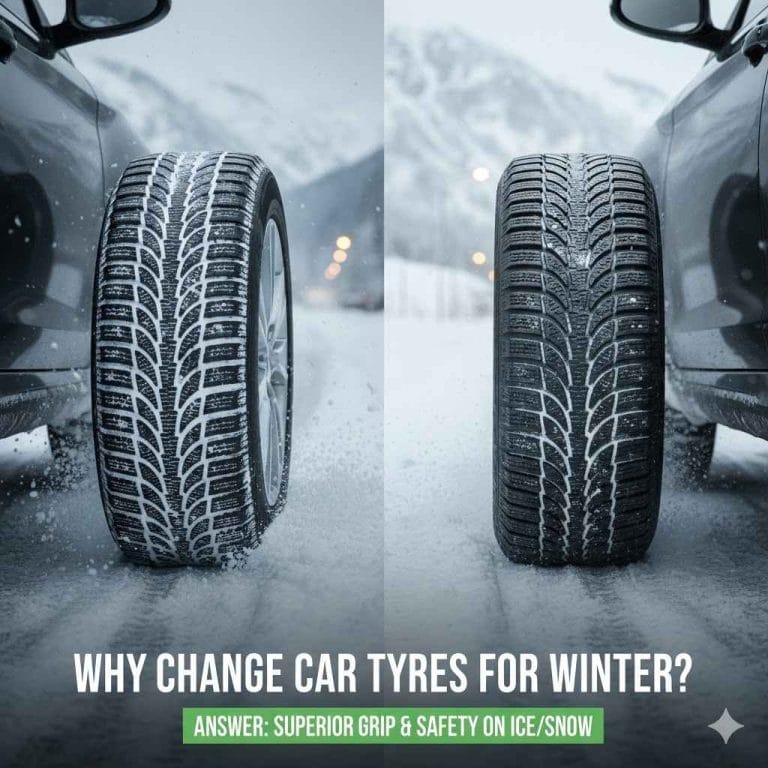
Proactive adaptation to seasonal changes—such as switching to all-season or winter tyres—can mitigate risks.
In transitional seasons, such as spring and autumn, rapidly changing temperatures can catch drivers off guard, necessitating more frequent checks and possible tyre adjustments.
Tyre Selection: Choosing The Right Tyre Matters
Not all tyres are created equal. Selecting the appropriate tyre for your vehicle, driving conditions, and load requirements is crucial for safety.
Types Of Car Tyres
- All-Season Tyres: Balanced for year-round use; suitable for most drivers.
- Summer Tyres: Optimized for hot, dry conditions; higher performance but less versatile.
- Winter Tyres: Designed for snow and ice; softer compounds for better grip.
Specialized tyres, such as those for off-road use or performance vehicles, offer unique benefits but must be chosen with an understanding of their limits. For example, aggressive off-road tyres may wear quickly on highways, while summer tyres can be dangerously ineffective in cold or wet conditions.
Load And Speed Ratings
Every tyre has a load index and speed rating marked on the sidewall. These indicate the maximum weight each tyre can carry and the maximum safe speed.
For example, a tyre marked “91V” has a load index of 615 kg (1356 lbs) per tyre and a maximum speed rating of 149 mph.
Matching these ratings to your vehicle’s specifications and typical usage is essential. Over-specifying may increase cost without tangible benefits, while under-specifying can be dangerous.
Tyre Brand And Quality
Investing in reputable brands reduces the risk of manufacturing defects and ensures better performance. Cheap, off-brand tyres often lack quality control and have higher failure rates.
The European Tyre Labelling Regulation (EU Commission) requires clear labeling for rolling resistance, wet grip, and noise, helping consumers make informed choices.
Additionally, premium brands often offer extended warranties and rigorous testing standards, providing added peace of mind.
Tyre Sizing And Fitment
Always use tyres that match the manufacturer’s recommended size and specifications. Incorrectly sized tyres can:
- Affect handling and stability
- Overload sidewalls or treads
- Void warranties and insurance
Improper fitment can also interfere with ABS and traction control systems, further compromising safety.
Run-flat And Self-sealing Tyres
Modern vehicles may come equipped with run-flat tyres or self-sealing tyres, which allow limited driving after a puncture. These technologies can reduce—but not eliminate—the risk of sudden bursts.
Run-flat tyres are especially useful for city drivers who may not have immediate access to roadside assistance, but they must be replaced or repaired soon after a puncture to avoid secondary failures.
Warning Signs: Early Detection Of Tyre Trouble
Recognizing early warning signs of tyre problems can prevent a dangerous blowout.
Visible Damage
- Bulges or blisters: Indicate internal separation or sidewall damage.
- Cracks: Signal rubber degradation due to age or UV exposure.
- Uneven wear: Suggests misalignment, underinflation, or suspension issues.
Bulges and blisters, in particular, mean the inner lining of the tyre has failed—these tyres are at imminent risk of bursting and should be replaced immediately.
Vibration Or Noise
Excessive vibration, pulling to one side, or unusual noises can indicate internal tyre damage or separation. Address these issues promptly.
Persistent vibration may also suggest wheel imbalance or suspension problems, both of which can cause uneven tyre wear and increase burst risk.
Loss Of Air Pressure
A slow, persistent loss of air is a red flag. It may indicate:
- A puncture not visible externally
- Valve stem leaks
- Bead seal failure
Check for air leaks using soapy water around the valve and bead area—bubbles will form where air is escaping.
Dashboard Alerts
Modern cars equipped with TPMS will illuminate a warning if pressure drops significantly. Do not ignore these alerts.
In vehicles without advanced systems, consider installing aftermarket pressure sensors for ongoing monitoring.
Reduced Handling Or Braking
A noticeable decline in handling, steering, or braking performance may be due to tyre issues. Investigate immediately to avoid emergencies.
Sudden changes in vehicle behavior, such as increased stopping distances or difficulty maintaining a straight path, warrant immediate inspection.
What To Do If A Tyre Burst Occurs
Despite all precautions, tyre bursts can still happen. Knowing how to react can save lives.
Stay Calm And Maintain Control
- Grip the steering wheel firmly with both hands.
- Do not slam on the brakes.
- Gradually ease off the accelerator.
Staying calm helps prevent overcorrection, which is a leading cause of secondary accidents after tyre bursts.
Allow The Vehicle To Slow Down
- Let the car decelerate naturally.
- Signal and steer towards the shoulder or safe area.
If you are on a busy highway, aim for the nearest exit or emergency lane, but avoid abrupt maneuvers.
Bring The Vehicle To A Complete Stop
- Once off the road, apply brakes gently.
- Turn on hazard lights to alert other drivers.
Always ensure your vehicle is fully out of the flow of traffic before exiting to inspect the tyre.
Change The Tyre Or Call For Assistance
- Use a spare tyre if safe and confident.
- Otherwise, contact roadside assistance.
If you are in a dangerous location or unsure how to change the tyre, prioritize safety and wait for professionals.
Inspect All Tyres
After a burst, inspect all tyres for damage. Multiple tyres may have been compromised by the same hazard or overload.
A professional inspection is recommended before resuming your journey, especially if the cause of the burst is unclear.
For more information on emergency procedures, consult the National Safety Council guidelines (NSC).
Frequently Asked Questions
What Are The Most Common Causes Of A Car Tyre Burst?
The most common causes include underinflation, overloading, excessive heat, road hazards, and tyre aging. Poor maintenance and manufacturing defects also contribute but are less frequent.
Can A New Tyre Burst Unexpectedly?
Yes, a new tyre can burst if it is defective, improperly installed, overinflated, or subjected to severe road hazards. However, the likelihood is much lower compared to old or neglected tyres.
How Often Should I Check My Tyre Pressure?
Check your tyre pressure at least once a month and before long trips. Regular checks are crucial, especially during extreme temperatures or if your vehicle has been sitting idle for a long period.
Is It Safe To Drive On A Spare Tyre After A Burst?
Temporary spare tyres (often called “donuts”) are designed for short distances and low speeds—usually up to 50 miles at a maximum of 50 mph. Replace with a full-size tyre as soon as possible for safety.
How Can I Tell If My Tyres Are Too Old?
Check the manufacturing date on the tyre’s sidewall (DOT code). Tyres older than six years should be replaced, even if they appear undamaged or have adequate tread.
As vehicle technology continues to advance, drivers must not overlook the fundamental importance of tyre safety. By understanding the causes of tyre bursts and implementing the preventative measures outlined here, you can dramatically reduce your risk on the road. Regular maintenance, careful driving, and informed tyre selection are the keys to safer journeys for you and your passengers. For further reading, consider resources from the NHTSA, USTMA, and the TyreSafe organization. Safe travels!
Products related to this article
Sponsored / affiliate links. As an Amazon Associate I earn from qualifying purchases. I may earn additional commission from eligible campaigns.