Best Cars for Highway Commuting: Comfortable Picks
The best highway commuter cars are usually midsize hybrids or efficient sedans with seats that stay supportive after an hour, cabin noise low enough for conversation, and adaptive cruise control that does its job without constant babysitting; for many drivers, aim for roughly 35+ mpg highway and a weekly fuel bill in the $40–$60 range. Pick badly, and long freeway miles turn into back ache, wind noise, and money leaking out every month. This guide ranks the best picks by seat comfort, quietness, cruise-control behavior, and real weekly fuel cost.
This guide is part of our Car comparisons and reviews series.
Highway commuting is a comfort-and-cost problem, not just a mpg contest
A long freeway commute exposes weak seat cushions, thin sound insulation, fussy cruise control, and suspension tuning that never settles on patchy pavement. At 70 mph, steady-speed manners matter more than a quick launch in town.
What a long freeway commute exposes
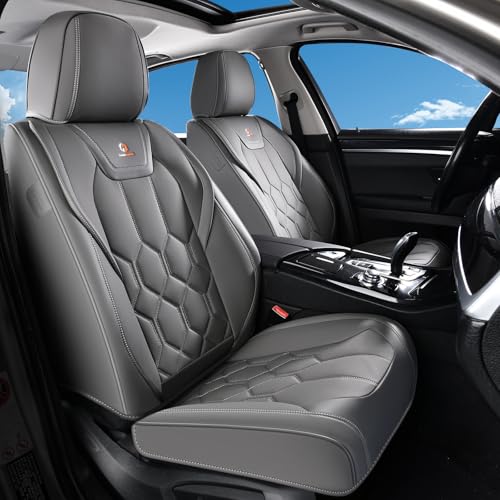
Seat shape matters before raw softness does. A cushion that supports the thighs, a backrest with usable lumbar adjustment, and enough steering wheel and seat travel for a natural hip angle can help keep a driver fresh after a moderate stretch behind the wheel. The same goes for cabin noise: road roar, wind hiss, and engine drone each add up.
How this guide ranks cars
These picks are ranked first by how they feel after repeated highway runs, then by weekly fuel cost. EPA highway mpg is useful, but it is only one input. Tank size, cruise-control behavior, and suspension control over expansion joints all change how tiring a commute becomes.
Top picks for long highway drives

Best overall commuter car: Toyota Camry Hybrid
The Camry Hybrid is the easiest all-around recommendation for a long freeway commute. It combines strong highway mpg, calm cruise behavior, a roomy front seat, and a ride that stays controlled without feeling brittle over rough pavement.
Why it fits: the driver seat has broad cushion support and enough adjustment range for a wide set of body types. Cabin noise at 70 mph is low for the class, with wind noise kept in check and the hybrid powertrain staying quiet once settled. The CVT-style hybrid transmission keeps revs low, so it avoids the busy, droning feel some commuters dislike.
Watch for: trim matters. Higher trims often bring better seat trim and more standard driver-assist gear, while base trims can feel more ordinary. Large wheels can add firmness and more road noise.
Pros: efficient, quiet, stable cruise behavior. Cons: not as roomy as a crossover, and some trims ride firmer than expected on rough freeway concrete.
Best hybrid for steady-speed highway use: Toyota Prius
The Prius is the fuel-cost leader here, and its low-drag shape helps it on long, steady highway stretches. It is the best fit when commute miles are high and fuel spend matters more than a plush cabin.
Why it fits: it delivers excellent highway mpg, good lane-centering availability on higher trims, and a light, easy-driving feel. The seat support is better than older Priuses, though it still feels narrower and less cushy than a Camry or Accord.
Watch for: the Prius can feel busier over coarse pavement than its mpg number suggests. The cabin is quiet for a compact hatchback, but it is not the calmest car here at 70 mph. It is efficient, not luxurious.
Pros: best fuel savings, strong commute range between fill-ups. Cons: less seat width, less rear-seat space, and more tire and road noise than the best midsize sedans.
Best gas sedan for quiet comfort: Honda Accord
The Accord is the best gas sedan here for commuters who want a calmer, larger-feeling cabin and predictable highway manners. It gives up some mpg to the hybrids, but it is easy to live with on a daily freeway run.
Why it fits: front seats are supportive, the driving position is easy to set, and the cabin stays composed at speed. The 8-speed automatic on gas versions is generally calmer than a strained CVT in hard use, and highway gearing keeps engine speed low.
Watch for: the Accord Hybrid is quieter and more efficient than the gas car, but some buyers prefer the simpler feel of the gas model’s transmission behavior. Wheel choice matters here too; larger wheels can make the ride busier.
Pros: roomy, quiet, comfortable on long legs. Cons: fuel cost is higher than top hybrids, and some trims add features that do little for highway use.
Best crossover if you need a higher seating position: Honda CR-V Hybrid
The CR-V Hybrid is the best fit when the higher seat point and cargo room matter more than squeezing every last mpg from the trip. It is not the quietest model here, but it is one of the easiest crossovers to drive for long freeway miles.
Why it fits: the seat is easy to settle into, rear-seat space is generous, and the cargo area handles commute gear well. Adaptive cruise and lane-centering features on the right trim make it less tiring in traffic and on long interstate slogs.
Watch for: taller bodies and larger wheels can bring more wind and tire noise than a sedan. The ride is controlled, but it is still a crossover, so body motion is more noticeable than in the best sedans.
Pros: excellent practicality, easy entry, good hybrid mpg. Cons: not as quiet or settled as the best midsize sedans.

Which cars are the most comfortable for highway driving?

The most comfortable highway cars are the ones with the best seat support, the least cabin noise at 70 mph, and suspension tuning that stays composed over expansion joints. In this group, the Camry Hybrid and Accord are the best long-run comfort choices, with the CR-V Hybrid close if you want a higher seating position.
Seat cushion support, lumbar adjustment, and driver-seat range
Support beats softness. A seat that holds the thighs and gives usable lumbar adjustment will usually feel better after an hour than a plush cushion that collapses. The Camry Hybrid and Accord stand out for easy driving positions; the Prius is good but less generous in seat width.
Cabin quietness at 70 mph: road, wind, and engine noise
At freeway speed, tire noise is often the main issue on many cars, with wind noise next and engine noise third. The Camry Hybrid and Accord are calmer than the Prius and CR-V Hybrid. The Prius is efficient, but coarse pavement can make it feel busier than the sedans.
Ride quality over expansion joints and rough pavement
Suspension tuning matters more than many shopping guides admit. A car that controls body motion without crashing over joints is easier to live with than one with a soft initial feel but poor rebound control. Smaller wheels usually ride better than larger, low-profile setups.
Which cars get the best fuel economy on the highway?

The Prius leads this group on EPA highway mpg, followed by the Camry Hybrid and Sonata Hybrid. Real-world commute mpg will usually trail EPA numbers a bit, especially with winter fuel, crosswinds, hills, and higher speeds. Tank size matters too, because fewer stops reduce commute friction.
EPA highway mpg versus real-world commute mpg
For steady 70 mph use, expect real commute mpg to come in a little lower than EPA highway figures. Hybrids do best when traffic is steady and speeds are moderate, but they lose some advantage at sustained high speed. Gas sedans give up mpg yet can still feel calmer and more predictable.
Why tank size changes how often you stop
A high-mpg car with a small tank may still require more frequent fill-ups than a slightly less efficient sedan with a larger tank. That matters on long weeks. The Prius stretches a tank well, while the CR-V Hybrid and Camry Hybrid combine decent range with easier refuel spacing.
Gas, hybrid, plug-in hybrid, and EV highway trade-offs
Gas cars are simple and usually quieter than some drivers expect, but fuel cost is higher. Hybrids fit long, steady commutes well because they reduce weekly fuel spend without much charging hassle. Plug-in hybrids only shine if the commute starts with regular charging and enough electric range to cover a meaningful share of the trip. EVs can work well for highway commuting, but range drops at speed and cold weather can make planning more annoying.
Commute-cost comparison table: what each pick costs per week
The table below uses a simple fuel-price assumption of $3.50 per gallon and estimates weekly and annual fuel cost from highway mpg. It is a planning tool, not a promise. If your route is faster, colder, hillier, or stops and starts more often, the real number will move.
| Model | Fuel type | EPA highway mpg | Tank size | Estimated weekly fuel cost at 250 mi/week | Estimated annual fuel cost at 12,000 mi/year | Best commute length |
|---|---|---|---|---|---|---|
| Toyota Prius | Hybrid gas-electric | 57 | 10.5 gal | $15.35 | $737 | Long highway commutes where fuel spend is the top concern |
| Toyota Camry Hybrid | Hybrid gas-electric | 51 | 13.2 gal | $17.16 | $824 | Balanced freeway commuting with comfort and low fuel cost |
| Hyundai Sonata Hybrid | Hybrid gas-electric | 50 | 13.2 gal | $17.50 | $840 | Budget-minded drivers who still want a quiet sedan |
| Honda Accord | Gasoline | 38 | 17.2 gal | $22.97 | $1,096 | Drivers who value quiet comfort over maximum mpg |
| Honda CR-V Hybrid | Hybrid gas-electric | 40 | 14.0 gal | $21.88 | $1,050 | Long commutes plus cargo needs and a higher seat |
| Subaru Legacy | Gasoline | 35 | 18.5 gal | $25.00 | $1,200 | All-weather commuters who want a simple sedan layout |
What features matter most for a daily highway commute?
Adaptive cruise control, stable lane keeping, quiet cabin trim, and a seat that does not punish your lower back matter most. AEB, blind-spot monitoring, and good highway gearing help too. City parking aids and tight turning radius matter less if the car spends most of its life at 70 mph.
Adaptive cruise control: stop-and-go, lane centering, and traffic-jam assist
For commuting, adaptive cruise should do more than hold distance. Stop-and-go capability matters in traffic. Lane centering reduces steering effort. Traffic-jam assist is useful when a crawl turns into repeated brake-and-roll work. Trim level often decides whether these features are standard or optional.
Safety tech that reduces fatigue: AEB, blind-spot monitoring, lane-keep assist
Automatic emergency braking is a baseline item now. Blind-spot monitoring helps during lane changes when traffic stacks up. Lane-keep assist is useful on long, straight corridors, but it should feel gentle, not nagging. On a commute, calm intervention matters more than flashy menus.
Transmission behavior and highway gearing that keep the car calm
CVT behavior can be a problem if it drones or lets engine speed hang under light throttle. A well-tuned CVT or hybrid transaxle feels steady; a poor one feels busy. Traditional 8-speed automatics often feel more familiar on the highway, especially when gear hunting is minimal and top gear is tall.
Choose a sedan if… / choose a hybrid or crossover if…
Choose a sedan if you want the quietest, lowest-effort freeway miles, care about lower cabin noise, and do not need a tall load floor. The Camry Hybrid and Accord are the strongest all-around sedan picks here.
Choose a hybrid if your route is long, steady, and fuel spend matters most. Hybrids make the most sense when you drive enough highway miles that weekly fuel cost becomes visible in the budget. The Prius is the efficiency leader, while the Camry Hybrid is the better comfort choice.
Choose a crossover if you want a higher seat, easier entry, and more cargo room for commute gear, jackets, tools, or a laptop bag. The CR-V Hybrid is the practical pick, but it gives up some quietness and ride serenity to the best sedans.
Frequently asked questions
What is the best car for long highway commuting?
The Toyota Camry Hybrid is the best all-around answer for most long highway commuters. It balances supportive seats, low cabin noise, strong highway mpg, and cruise control that reduces fatigue. If fuel cost matters more than comfort, the Prius is the stronger efficiency pick.
Which cars are the most comfortable for highway driving?
The Honda Accord and Toyota Camry Hybrid are the most comfortable choices here for repeated freeway use. Both have supportive front seats, calm road manners, and less cabin noise than taller crossovers. The CR-V Hybrid is comfortable too, but it gives up some quietness to ride height.
What cars get the best fuel economy on the highway?
The Toyota Prius leads this group on highway mpg, with the Camry Hybrid and Hyundai Sonata Hybrid close behind. The big point is that fuel economy should be read with tank size and real commute speed in mind. A small tank can mean more stops even with excellent mpg.
Are hybrids better than gas cars for highway commuting?
Often yes, but not always. Hybrids usually cut weekly fuel cost without much compromise, yet their advantage is smaller on steady high-speed freeway runs than in mixed driving. A quiet gas sedan can still be the better commute car if seat comfort and cabin calm matter more than fuel savings.
Is a sedan or SUV better for highway commuting?
A sedan is usually better if comfort and quietness are the priority. Sedans ride lower, tend to make less wind noise, and often feel calmer at 70 mph. An SUV or crossover makes sense when seating height, cargo space, and easy entry matter enough to accept more noise and body motion.
How much mpg do I need to save money on a commute?
Even a 5 to 10 mpg gain can matter on a long weekly highway route. At 250 miles per week and $3.50 per gallon, moving from 35 mpg to 50 mpg cuts weekly fuel cost by roughly $8.75. The longer the commute, the faster mpg differences turn into real savings.
Before buying, test-drive at freeway speed on rough pavement. Listen for tire roar, feel for seat pressure points, and check how the cruise control behaves in light traffic. That short test tells you more than a spec sheet ever will.
Products related to this article
Sponsored / affiliate links. As an Amazon Associate I earn from qualifying purchases. I may earn additional commission from eligible campaigns.