Which Vehicles Are Prohibited on Highways? Full Breakdown
Highways are the arteries of modern transportation, engineered for speed, efficiency, and safety. But not every vehicle is designed, or permitted, to travel on them. The rules regarding which vehicles can and cannot enter highways are enforced for good reason: they keep traffic flowing smoothly and protect all road users from unnecessary hazards. Yet, many drivers remain unclear about which vehicles are actually prohibited, risking not only fines but also their safety and that of others.
Understanding these restrictions is essential for anyone who operates, manages, or shares the road with diverse types of vehicles. Whether you’re a commercial fleet manager, a rideshare driver, or someone contemplating a cross-country trip in a recreational vehicle, knowing which vehicles are banned from highways can prevent costly mistakes.
This comprehensive guide breaks down the details, by vehicle type, jurisdiction, and rationale, so you can confidently comply with the law and make informed decisions on the road.
Key Takeaways
- Certain vehicles are prohibited on highways due to safety, speed, or design limitations.
- Rules vary by jurisdiction but typically include bans on low-speed, oversized, or non-motorized vehicles.
- Penalties for violations can include fines, towing, and increased liability in accidents.
- Understanding exceptions and local rules is crucial for commercial, recreational, and personal drivers.
- Vehicle classification, speed capability, and equipment are key criteria in determining highway eligibility.
- Consulting official sources or local transport authorities ensures up-to-date compliance.
Understanding Highway Vehicle Restrictions
Highways, often referred to as freeways, expressways, or interstates in the US, are designed to facilitate fast, uninterrupted travel over long distances. These routes have unique structural features, limited access points, higher speed limits, and controlled intersections, that make them unsuitable for certain vehicles.
Why Restrictions Exist
The primary reasons for restricting certain vehicles include:
- Safety: Vehicles unable to maintain minimum highway speeds pose collision risks.
- Traffic Flow: Slow or oversized vehicles can cause congestion or block lanes.
- Vehicle Design: Some vehicles lack essential safety features like lights, mirrors, or crash protection.
Legal Framework
Each state or country sets its own highway regulations, but most follow similar principles. For example, the US Federal Highway Administration provides guidance, while local departments of transportation (DOTs) enforce and interpret rules. Some highways also have posted signs listing specific prohibitions.
Common Signs And Enforcement
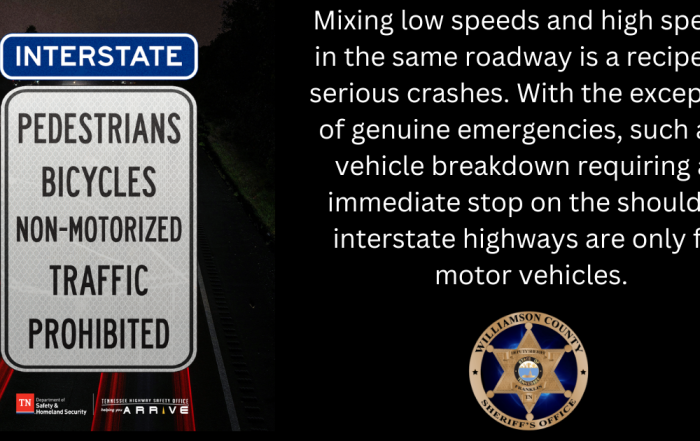
Highway entrance ramps often display signs such as:
- “No Bicycles”
- “No Pedestrians”
- “Motor Vehicles Only”
Enforcement is typically handled by highway patrol or local law enforcement, who may issue citations, order removal, or in severe cases, impound vehicles.
Example: California’s Vehicle Code
In California, the Vehicle Code Section 21960 explicitly prohibits pedestrians, bicycles, and non-motorized vehicles from freeways, unless an exception is posted. This code is similar to those in other US states.
Credit: thedieseldudes.com
Categories Of Vehicles Prohibited On Highways
Understanding which vehicles are banned requires breaking down the main categories and the rationale behind each restriction.
Non-motorized Vehicles
Non-motorized vehicles are generally not designed for high-speed travel and lack critical safety features. Common examples include:
- Bicycles: Prohibited on most urban and rural highways, except where permitted by local signage.
- Horse-drawn carriages: Still used in some rural areas, but banned from highways due to their slow speeds.
- Pedal-powered vehicles: Such as pedal cars and quadricycles.
Pedestrians And Animal Riders
Highways are inherently hazardous for anyone not enclosed in a motor vehicle.
- Pedestrians: Walking or jogging on highways is universally banned except in emergencies (e.g., breakdowns).
- Equestrian riders: Horses are not allowed, as they cannot keep up with traffic and are easily startled.
Low-speed Motor Vehicles
Some motorized vehicles are still too slow or unstable for highway use.
- Scooters and mopeds: Many states restrict mopeds under 50cc or with a top speed below 35 mph.
- Golf carts: Typically limited to 25 mph or less, they are not highway-legal.
- Electric scooters: Restricted due to speed and lack of crash protection.
Oversized And Overweight Vehicles
Vehicles exceeding standard dimensions or weight limits may require special permits or be outright banned.
- Farm equipment: Tractors, combines, and similar machinery often exceed size limits and lack highway safety features.
- Construction vehicles: Bulldozers, graders, and other heavy equipment are generally prohibited except by permit.
- Mobile homes and trailers: Extra-large loads require escort vehicles and routing approval.
Vehicles Lacking Safety Equipment
Certain vehicles are banned if they lack legal safety features, regardless of speed.
- Vehicles without lights or signals: Required for safe operation, especially at night or in low-visibility conditions.
- Unregistered or uninsured vehicles: Legal registration and insurance are mandatory for highway use.
- Homemade or modified vehicles: Unless inspected and approved, these may be excluded.
Table: Commonly Prohibited Vehicles And Reasons
| Vehicle Type | Typical Reason for Prohibition | Allowed with Permit? |
|---|---|---|
| Bicycle | Too slow, lacks crash protection | No (rare exceptions) |
| Pedestrian | Unsafe, disrupts traffic flow | No |
| Golf Cart | Insufficient speed and safety features | No |
| Farm Tractor | Oversize, underpowered | Sometimes (with escort/permit) |
| Moped < 50cc | Cannot reach minimum speed | No |
| Construction Equipment | Oversized, not road-legal | Yes (with permit/escort) |
| Unregistered Vehicle | Lacks legal documentation | No |

Credit: www.pilotonline.com
Jurisdictional Differences And Exceptions
While many restrictions are consistent, significant variations exist between countries, states, and even individual highways.
United States
In the US, the Federal Highway Administration (FHWA) provides baseline guidance, but states have considerable leeway. For example:
- California: Prohibits all non-motorized vehicles, with rare exceptions for rural freeways.
- Texas: Allows mopeds on some highways if they meet speed requirements.
- New York: Strictly bans bicycles and animal-drawn vehicles.
Canada
Canadian provinces mirror US rules but may allow bicycles on certain rural highways with low traffic volumes. Provincial transport ministries publish detailed lists.
European Union
The EU generally prohibits non-motorized vehicles and pedestrians on motorways (“autobahns” or “autoroutes”). Some countries, such as the Netherlands, allow mopeds on specific highway classes.
Asia And Other Regions
Emerging markets may have unique rules:
- India: Animal-drawn carts are still common on some highways, but increasingly banned on expressways.
- Japan: Strictly bans all non-motorized vehicles and low-speed scooters.
Special Local Exemptions
Some highways permit certain vehicles under strict conditions:
- Emergency detours due to natural disasters.
- Special events requiring police escort.
- Designated “shared use” paths on select rural highways.
Example: Pennsylvania Turnpike
The Pennsylvania Turnpike specifically bans pedestrians, bicycles, and vehicles incapable of maintaining 15 mph under normal conditions. Violators face steep fines and removal.
Credit: williamsoncountysherifftn.com
Criteria Used To Determine Highway Eligibility
Understanding the technical and legal criteria helps clarify why some vehicles are allowed while others are not.
Minimum Speed Requirements
Most highways require vehicles to maintain a minimum speed, typically 40, 45 mph. Vehicles unable to meet this threshold are prohibited to prevent bottlenecks and collisions.
Vehicle Classification
Highway eligibility depends on vehicle class:
- Class 1, 3 (Passenger Cars, Light Trucks): Generally permitted.
- Class 4+ (Large Trucks, RVs): Allowed if within size/weight limits and equipped for highway use.
- Special classes (Low-Speed Vehicles, ATVs): Banned unless designed for highway travel.
Required Safety Equipment
All vehicles must have:
- Headlights, taillights, brake lights.
- Turn signals and mirrors.
- Windshield wipers (in most states).
- Seatbelts (for vehicles manufactured after 1968 in the US).
Registration And Insurance
Only vehicles with valid registration, license plates, and insurance can legally use highways. Temporary permits may be available for moving unregistered vehicles in limited circumstances.
Table: Minimum Requirements For Highway Use
| Requirement | Typical Standard | Notes |
|---|---|---|
| Speed Capability | 40, 45 mph minimum | Varies by state/highway |
| Registration | Valid and current | Temporary permits sometimes allowed |
| Insurance | Active policy | Proof required at stops |
| Lights & Signals | Functional, DOT-approved | Daytime running lights recommended |
| Emissions Compliance | Meets local standards | Checked during inspections |
Example: Motorized Bicycles
Motorized bicycles (e-bikes) are a gray area in many states. For instance, in New York, only Class 3 e-bikes (capable of 28 mph, with a throttle) are eligible for certain roads, but all are banned from expressways.
Real-world Scenarios And Enforcement
Examining real cases illustrates how vehicle prohibitions impact travelers and the broader transportation system.
Case Study 1: Farm Equipment On Highways
In Iowa, a farmer was fined and escorted off a state highway for operating a combine during harvest season. While agricultural vehicles are common on rural roads, the highway’s minimum speed limit (45 mph) and the equipment’s width (exceeding lane size) rendered it illegal.
The farmer could have applied for a special permit, which requires planning and often a police escort.
Case Study 2: E-scooter Riders
In my experience observing urban mobility trends, a group of e-scooter riders in Los Angeles attempted to enter a freeway on-ramp. They were quickly stopped by highway patrol. The riders, unaware of the restriction, cited the scooters’ electric motors as justification, but the law, citing both speed and crashworthiness, clearly prohibited them.
Case Study 3: Oversized Loads
A transport company moving a prefabricated home in Florida required a special permit, route planning, and escort vehicles. Without these, the load would have blocked lanes and signposts, risking both safety and legal penalties.
Example: International Differences
In Germany, the Autobahn is famous for its high speeds. Only vehicles capable of at least 60 km/h (about 37 mph) are allowed. Even motorcycles with small engines are banned, as are bicycles and mopeds.
Enforcement Mechanisms
- Fixed and mobile checkpoints: Highway patrol may set up entry checks at ramps.
- Automated license plate readers: Flag unregistered or uninsured vehicles.
- Public reporting: Drivers can report slow or hazardous vehicles via hotline or apps.
Warning: Non-compliance Can Lead To Liability
Operating a prohibited vehicle on a highway not only results in fines but can expose the driver to liability if an accident occurs, even if not at fault. Insurance companies may deny claims if the vehicle was unlawfully present.
Penalties And Consequences For Violations
The consequences for driving a prohibited vehicle on a highway can be severe, ranging from minor fines to criminal charges.
Fines And Fees
Fines vary by jurisdiction, but typical penalties include:
- $50, $500 for first-time offenses (e.g., unapproved bicycles or mopeds).
- Higher fines for repeat offenses or oversized vehicles.
Vehicle Impoundment
Law enforcement may order the immediate removal and impoundment of the vehicle, especially if it is obstructing traffic or unsafe to move.
License Points And Suspension
Some states add points to the driver’s license, potentially leading to suspension after multiple violations.
Increased Insurance Premiums
Insurance carriers may increase rates or drop coverage if you are cited for illegal highway use. In at-fault accidents, claims may be denied.
Criminal Charges
In cases where prohibited vehicles cause injury or fatality, operators may face reckless driving or even manslaughter charges.
Table: Penalties By Violation Type
| Violation | Typical Fine | Other Consequences |
|---|---|---|
| Operating bicycle on freeway | $100, $200 | Removal, possible points |
| Driving unregistered vehicle | $150, $300 | Impoundment |
| Oversized load without permit | $500, $2,000 | Escort required, possible criminal charges |
| Uninsured vehicle | $200, $500 | License suspension |
Example: Legal Reference
According to the National Highway Traffic Safety Administration, compliance with vehicle standards and regulations is critical for both safety and legal protection on highways.
Special Considerations For Commercial, Recreational, And Emerging Vehicles
As vehicle technology evolves, new challenges and exceptions arise. Understanding these is crucial for businesses and hobbyists alike.
Commercial Vehicles
- Trucks and Buses: Must meet federal and state standards for size, weight, and safety.
- Hazardous Materials Carriers: Require special routing and permits.
- Exemptions: Some maintenance vehicles are allowed temporarily during roadwork, with warning lights and escort vehicles.
Recreational Vehicles (rvs) And Trailers
- Large RVs: Permitted if within legal size/weight limits and equipped with safety gear.
- Boat/Utility Trailers: Must be roadworthy, with working lights and brakes.
- Pop-up Campers: Treated as trailers; same rules apply.
All-terrain Vehicles (atvs) And Off-road Vehicles
- ATVs, UTVs, and dirt bikes: Almost universally prohibited on highways unless registered and modified for street use in rare cases.
- Snowmobiles: Only allowed to cross highways at designated points.
Electric And Autonomous Vehicles
- Electric cars: Permitted if they meet all standard safety and equipment requirements.
- Autonomous vehicles: Allowed on highways in some states under pilot programs, but must comply with all other legal requirements.
Micromobility Devices
Devices like e-scooters, hoverboards, and Segways are generally restricted to local roads, bike lanes, or sidewalks, not highways.
Example: Tesla Autopilot And Highway Use
Tesla vehicles with Autopilot are permitted on highways, but drivers must remain alert and follow all standard traffic laws. Autonomous operation does not exempt vehicles from highway eligibility requirements.
Pro Tip: Check Manufacturer Specifications
Always verify your vehicle’s specifications, speed, weight, equipment, against local highway requirements before planning a trip. Consult your owner’s manual and government transport websites.
Useful Resource
For up-to-date regulations, check your state DOT or the Wikipedia page on controlled-access highways for global perspectives.
Frequently Asked Questions
What Is The Minimum Speed Required To Drive On Us Highways?
Most US highways require vehicles to maintain a minimum speed of 40 to 45 mph. This ensures that all vehicles can safely merge and travel with the flow of traffic. Exceptions may apply in heavy traffic or construction zones, but vehicles unable to meet the minimum under normal conditions are prohibited.
Can Farm Equipment Ever Use Highways Legally?
Yes, but only with a special permit and typically during specific hours (e. g. , off-peak traffic times). The equipment must display slow-moving vehicle signs, and an escort vehicle may be required. Always contact the local DOT before attempting to move farm machinery on a highway.
Are There Any Highways Where Bicycles Are Allowed?
In some rural areas or states with limited road alternatives, bicycles may be permitted on certain highways. However, this is rare and usually indicated by specific signage. Always look for posted rules at highway entrances and confirm with local authorities.
What Should I Do If My Vehicle Breaks Down On A Highway And It’s Not Highway-legal?
If your vehicle breaks down, move it to the shoulder if possible and call for roadside assistance. Do not attempt to re-enter traffic. Law enforcement may help you remove the vehicle safely. In some cases, you may face a citation, but safety is the top priority.
How Can I Find Out If My Vehicle Is Allowed On A Specific Highway?
Check your state’s Department of Transportation website or contact them directly. Many DOTs publish detailed vehicle eligibility lists and maps. For commercial or oversized vehicles, permit offices can advise on route planning and exceptions.
Highway regulations are designed to maximize safety and efficiency for all users. By knowing which vehicles are prohibited, you protect yourself, your passengers, and everyone else on the road. Always check local rules before you drive, especially if operating a non-standard vehicle or planning an unusual trip.
Staying informed not only keeps you legal, it keeps everyone safer.
Products related to this article
Sponsored / affiliate links. As an Amazon Associate I earn from qualifying purchases. I may earn additional commission from eligible campaigns.