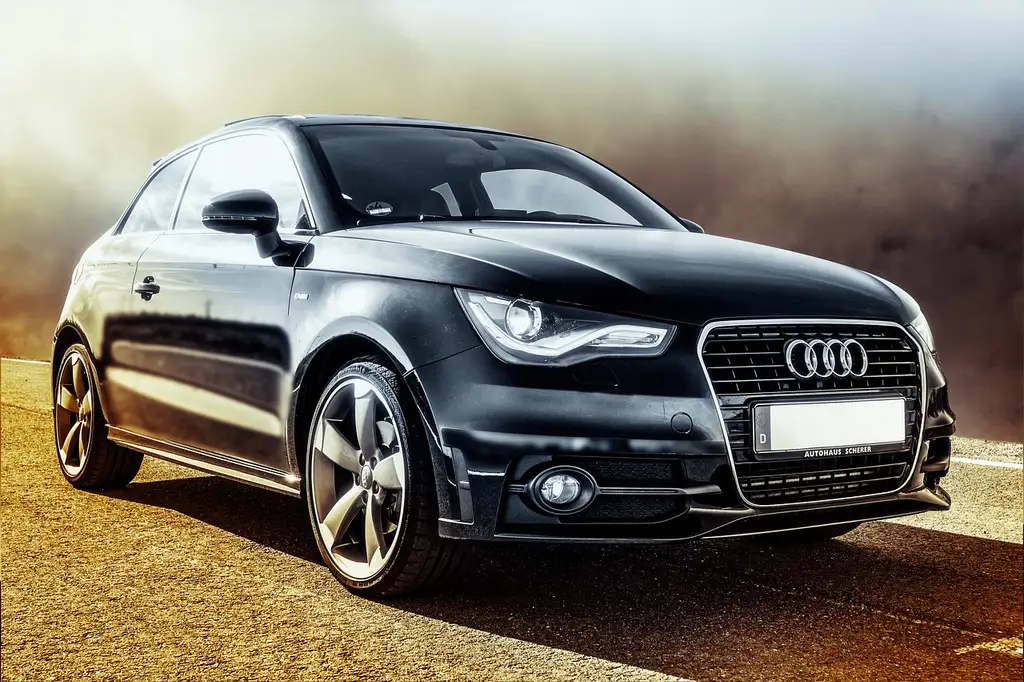
Compact Car vs Midsize Car: Which Is Right for You?
Choose a compact car if you usually drive alone or with one passenger, park in tight spaces, and want lower fuel, tire, and insurance costs; choose a midsize car if you regularly carry 3-5 people or family luggage. Pick wrong and you end up paying for unused space, cramped rear seats, or extra monthly costs. This guide compares daily commuting, family use, road trips, parking, and ownership costs so you can match the car to your trips.
Compact car vs midsize car: the real trade-off
The real difference is cabin room, trunk volume, and the monthly bill for the trips you actually make. A compact car gives cheaper transport with less space. A midsize car buys back rear-seat room and calmer long-drive comfort.
| Decision factor | Compact car | midsize car: Which one is right for you | Winner |
|---|---|---|---|
| Passengers | Best for 1-2 adults; workable for short trips with a third passenger | Better for 3 adults and more regular rear-seat use | midsize car: Which one is right for you |
| Cargo | Fine for groceries and light luggage; trunk limits show up fast on road trips | More usable trunk space and easier fit for family bags, strollers, and bulkier items | midsize car: Which one is right for you |
| Fuel and monthly budget | Usually better fuel economy and lower ownership cost pressure | Usually higher purchase price and more total cost to carry the extra size | Compact car |
| Parking and city use | Easier to squeeze into tight street spots and small garages | Still manageable, but harder in dense city parking | Compact car |
| Highway comfort | Acceptable, but longer trips can feel tighter and noisier | Better for long drives, steadier ride, and less fatigue | midsize car: Which one is right for you |
Passengers
A compact car can work well for one or two light travelers. A midsize car is the cleaner fit once three adults are regular passengers, because rear-seat usability improves fast with more cabin length. Each extra inch in back legroom usually costs parking ease and price.
Cargo
Compact trunks handle commuting bags, groceries, and a couple of soft cases, but suitcase count becomes the limiter on road trips. Midsize cars usually take more luggage and make stroller loading easier, especially when the trunk opening is wider and the rear seats fold flat without awkward lift-over height.
Fuel and ownership cost
A compact car often returns better fuel economy, partly because it is smaller and less heavy. That helps in city driving and stop-and-go use, where the fuel gap tends to matter more than on a short test drive. The same size advantage often shows up in insurance and resale, though the real savings depend on the exact model and how long the car stays in service.
What is the difference between a compact car and a midsize car?
A compact car is a classification of automobile size that sits above a subcompact car and below a midsize car. In plain terms, compact means less exterior length, a smaller cabin, and usually a lower price; midsize means more rear room, a larger trunk area, and more comfort when the car is full. (en.wikipedia.org)
How class size usually maps to exterior length and cabin space
Class labels usually track body length and passenger room, but they do not guarantee an identical interior layout. One compact may have a smart trunk and decent rear legroom, while another needs more storage planning. The label gives a starting point, not the final answer.
Why class labels do not always predict rear-seat and trunk room
Packaging matters. Seat design, roofline, trunk opening shape, and where the rear bench is mounted can change real usability enough to surprise shoppers. I always start with trip pattern first, size class second.
Passenger space: how many people fit comfortably?
Compact cars usually fit one or two adults comfortably, with the back seat often being better for occasional or shorter trips. Midsize cars are often a better match for regular adult passengers in the rear, and the extra cabin room can matter more once child seats or taller riders are involved.
Adult comfort in the front and rear seats
Front-seat comfort is often close between the two classes, but rear-seat knee room changes the experience. In a compact, adults in back can end up with limited knee clearance and less foot space. In a midsize, the back seat works better for real adults instead of occasional riders.
Child seat fit and rear-seat usability for families of 4
Child seats are a space-upgrade trigger. Once a rear-facing seat, booster, or two child seats are in play, a compact can feel tighter because front seats may need to slide forward. A midsize is usually the safer call for a family of 4 that expects school runs, car seats, and weekend cargo at the same time.
When compact rear seats become too tight for regular use
A compact becomes too small when the back seat is used daily by adults, when child seats force the front occupants to compromise, or when a third passenger regularly rides along. If rear-seat passengers complain on most trips, the savings are no longer buying enough comfort.
Do compact cars have enough trunk space for road trips?
Sometimes, but only for light packing. A compact car can handle a couple of carry-ons, groceries, and small weekend bags, though it can get tight when you need more luggage, a stroller, or several hard-sided suitcases. Midsize trunks usually fit the same trip with fewer packing games.
Suitcase count, stroller fit, and grocery runs
Think in real cargo, not vague volume. If the trip needs multiple suitcases, a stroller, and loose items, midsize usually wins because the trunk is easier to load and less likely to force rear-seat overflow. For groceries and errands, compact is usually enough and simpler to live with.
Why trunk opening size and folded rear seats matter
A deep trunk with a small opening can be less useful than a slightly smaller trunk with a wider mouth. Folding rear seats help both classes, but the midsize usually gets more usable space once the seatback is dropped. That matters for long items, boxes, and awkward travel bags.
When a midsize trunk still is not enough
If the cargo regularly includes sports gear, a stroller, multiple large suitcases, or bulk shopping, even a midsize sedan may feel short on space. At that point, shoppers should be looking at wagon, hatchback, or crossover packaging rather than forcing a sedan to do everything.
Which gets better gas mileage, compact or midsize?
Compact cars often get better gas mileage in city and highway driving, in part because they are smaller and less heavy. The difference is most visible in stop-and-go commuting. On steady highway runs, the gap can shrink, but the compact still usually keeps the edge.
City MPG versus highway MPG expectations
City driving rewards the smaller car more because acceleration and braking happen constantly. Highway driving narrows the gap, but a lighter car still tends to burn less fuel. If most miles are short errands, the fuel advantage of a compact becomes more meaningful over a year.
How weight and size affect fuel use in daily driving
Weight affects how hard the engine works every time the car moves off a stop. Size also affects aerodynamics, which matters more at speed. That is why a midsize can feel only slightly worse on fuel in relaxed highway use but noticeably worse in urban traffic.
When fuel savings matter more than the sticker price
Fuel savings matter most for long commutes, high annual mileage, and drivers who keep the car for years. If the monthly budget is tight, the compact’s lower fuel spend can offset some of the purchase-price gap. If the car is driven lightly, the fuel difference may be too small to justify sacrificing room.
Which car is easier to park in the city, compact or midsize?
A compact car is usually easier to park in the city, easier to turn, and easier to fit into narrow garage spots. Midsize cars can still work in dense areas, but they demand more attention during tight street parking, low-ceiling garages, and short curb gaps where every inch matters.
Tight street parking, garage fit, and turning ease
Compact cars usually feel simpler in cramped neighborhoods because smaller dimensions help with gap judgment and turning into tight spaces. That does not make parking effortless, but it reduces stress when parallel parking, backing into angled spots, or fitting into a shared garage with bikes and storage.
Highway comfort, seat support, noise, and long-trip fatigue
Midsize cars often do better on long highway drives. More cabin room, steadier ride behavior, and better seat support reduce fatigue when the trip runs for hours. A compact can still be fine, but long stretches on highways make comfort more important, which is where the midsize starts to earn its keep.
When a compact is better for city use and when a midsize feels better on the interstate
If the car spends most of its life in dense traffic, short hops, and tight parking, compact is the cleaner fit. If the driver spends long hours on the interstate, carries passengers often, or dislikes being pinned into a small cabin, midsize is usually the better match.
Use the scorecard to choose the right car

Use this one-page decision matrix when the choice feels close. Score each category 1 to 5 for how important it is to your life, then match the winner column to your pattern. A clear lead in passengers, luggage, or highway miles points to midsize; a clear lead in parking, budget, and solo commuting points to compact.
| Criterion | Compact car | midsize car: Which one is right for you | Recommendation tier |
|---|---|---|---|
| 1 adult or 2-light-traveler use | Strong fit | Usually more car than needed | Compact |
| 3 adults or family duty | Works only with compromises | Better everyday fit | midsize car: Which one is right for you |
| Luggage-heavy trips | Limited trunk room | Better trunk practicality | midsize car: Which one is right for you |
| Mostly city parking | Easier | Less convenient | Compact |
| Mostly highway miles | Acceptable for light use | Better comfort for long runs | midsize car: Which one is right for you |
| Monthly budget pressure | Lower total cost pressure | Higher cost to carry extra room | Compact |
- Count the usual passengers, not the rare ones.
- List the real cargo you carry in a normal month.
- Mark whether parking or highway comfort causes more pain.
- Compare the monthly budget, including fuel and insurance.
- Pick the class that wins the most important rows.
How to read the final recommendation tier
If compact wins on budget, parking, and your passenger count stays at one or two, it is the better value. If midsize wins on passengers, luggage, and highway miles, the extra spend is doing real work. A tie usually means the buyer should test rear-seat and trunk fit before paying for the larger car.
Choose compact car if… / Choose midsize car if…
Choose a compact car if you drive solo or as a couple, live with tight city parking, keep luggage light, and want lower monthly running costs. Choose a midsize car if you carry three adults often, use child seats regularly, take highway trips, or want a calmer long-distance cabin.
Choose compact car if…
Choose compact if the car is mainly for commuting, errands, or urban parking. It also fits buyers who want a lower purchase price, better fuel economy, and a smaller footprint in the driveway or garage.
Choose midsize car if…
Choose midsize if rear-seat comfort matters, if a family of 4 rides together often, or if road trips are part of the routine. It is also the safer pick when child seats, adult passengers, and luggage all need to fit on the same day.
Frequently asked questions
Is a compact car big enough for a family of 4?
A compact car can work for a family of 4 if the children are small and trips are short, but it gets tight fast once child seats, backpacks, and road-trip luggage all enter the picture. For daily family use, a midsize usually gives more breathing room and less seat-shuffling.
Is a midsize car worth the extra money?
A midsize car is worth the extra money when the added rear-seat room, better trunk space, and long-drive comfort will be used often. If the car mostly carries one person in city traffic, the extra spend can buy unused space rather than useful comfort.
Should I buy compact or midsize if I use child seats?
If child seats are part of normal life, midsize is often the safer choice. Rear-facing seats and boosters can push front seats forward in a compact, which reduces comfort for the driver or front passenger. Midsize gives more flexibility and less compromise.
Products related to this article
Sponsored / affiliate links. As an Amazon Associate I earn from qualifying purchases. I may earn additional commission from eligible campaigns.